Pamela Allen Brown – författare
Visar alla böcker från författaren Pamela Allen Brown. Handla med fri frakt och snabb leverans.
10 produkter
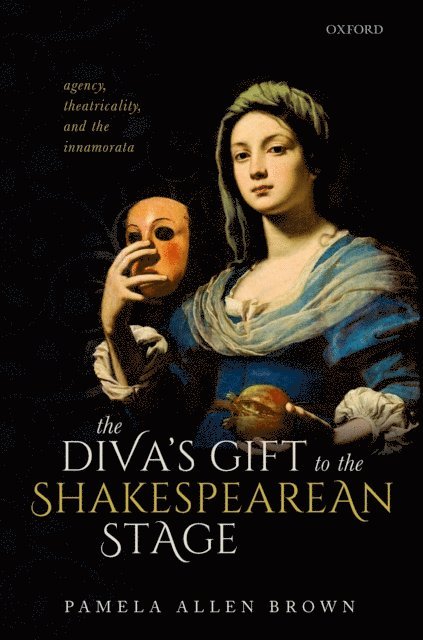
Diva's Gift to the Shakespearean Stage
Agency, Theatricality, and the Innamorata
E-bok, 2021
1434 kr
Lägg i varukorg
The Diva''s Gift traces the far-reaching impact of the first female stars on the playwrights and players of the all-male stage. When Shakespeare entered the scene, women had been acting in Italian troupes for two decades, traveling in Italy and beyond and performing in all genres, including …
Diva's Gift to the Shakespearean Stage
Agency, Theatricality, and the Innamorata
E-bok, 2021
1434 kr
Lägg i varukorg
The Diva''s Gift traces the far-reaching impact of the first female stars on the playwrights and players of the all-male stage. When Shakespeare entered the scene, women had been acting in Italian troupes for two decades, traveling in Italy and beyond and performing in all genres, including …
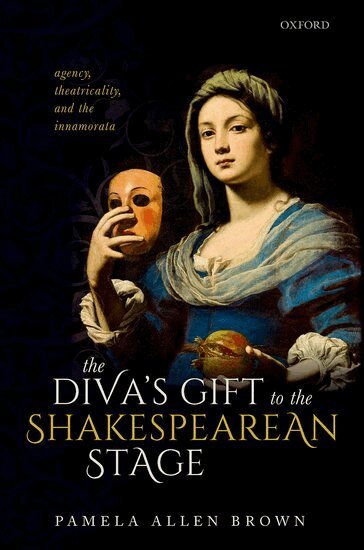
The Diva's Gift to the Shakespearean Stage
Agency, Theatricality, and the Innamorata
Inbunden, 2021
1599 kr
Lägg i varukorg
The Diva's Gift traces the far-reaching impact of the first female stars on the playwrights and players of the all-male stage. When Shakespeare entered the scene, women had been acting in Italian troupes for two decades, traveling in Italy and beyond and performing in all genres, including tragedy. …
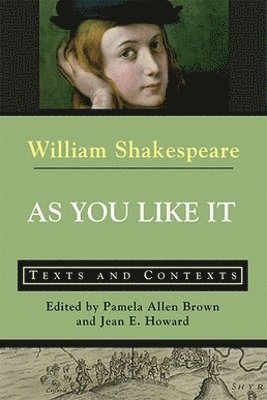
As You Like It: Texts and Contexts
Av William Shakespeare, Pamela Allen Brown m. fl.
Häftad, 2014
373 kr
Lägg i varukorg
Four sets of thematically arranged primary documents and illustrations accompany the original play as As You Like It: Texts and Contexts put key themes into context in order to open up discussion.
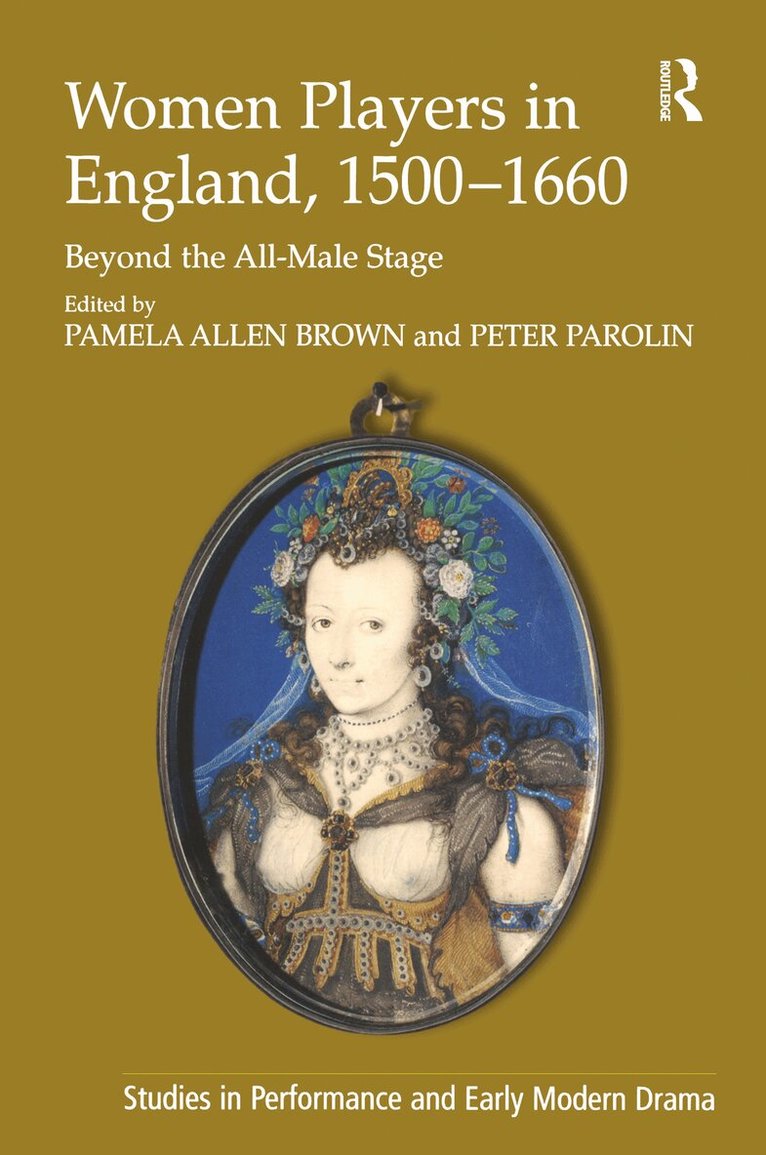
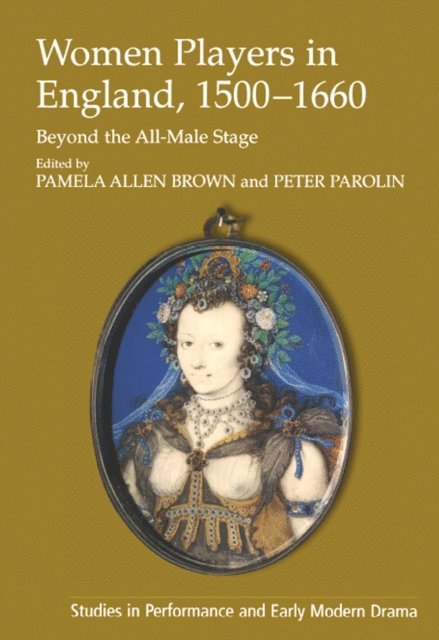
Women Players in England, 1500–1660
Beyond the All-Male Stage
Av Peter Parolin, Pamela Allen Brown
Häftad, 2008
832 kr
Lägg i varukorg
Offering evidence of women's extensive contributions to the theatrical landscape, this volume sharply challenges the assumption that the stage was 'all male' in early modern England. The editors and contributors argue that the pervasiveness of female performance affected cultural production, even …
Better a Shrew Than a Sheep
Women, Drama, and the Culture of Jest in Early Modern England
Inbunden, 2003
1893 kr
Lägg i varukorg
In a study that explodes the assumption that early modern comic culture was created by men for men, Pamela Allen Brown shows that jest books, plays, and ballads represented women as laugh-getters and sought out the laughter of ordinary women. Disputing the claim that non-elite women had little …
Better a Shrew Than a Sheep
Women, Drama, and the Culture of Jest in Early Modern England
Häftad, 2003
577 kr
Lägg i varukorg
In a study that explodes the assumption that early modern comic culture was created by men for men, Pamela Allen Brown shows that jest books, plays, and ballads represented women as laugh-getters and sought out the laughter of ordinary women. Disputing the claim that non-elite women had little …
Women Players in England, 1500-1660
Beyond the All-Male Stage
Av Peter Parolin, Pamela Allen Brown
E-bok, 2019
1072 kr
Lägg i varukorg
Offering evidence of women''s extensive contributions to the theatrical landscape, this volume sharply challenges the assumption that the stage was ''all male'' in early modern England. The editors and contributors argue that the pervasiveness of female performance affected cultural production, …
Women Players in England, 1500-1660
Beyond the All-Male Stage
Av Peter Parolin, Pamela Allen Brown
E-bok, 2019
1095 kr
Lägg i varukorg
Offering evidence of women''s extensive contributions to the theatrical landscape, this volume sharply challenges the assumption that the stage was ''all male'' in early modern England. The editors and contributors argue that the pervasiveness of female performance affected cultural production, …
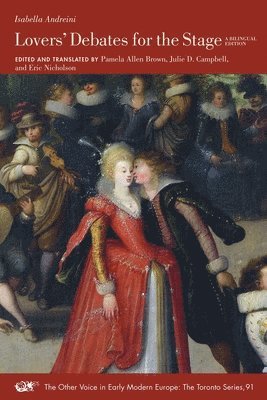
Lovers′ Debates for the Stage – A Bilingual Edition
Av Isabella Andreini, Pamela Allen Brown m. fl.
Häftad, 2022
671 kr
Lägg i varukorg
Witty and dynamic lovers’ dialogues for the stage. The actress and author Isabella Andreini won international renown playing the bold, versatile, and intellectual inamorata of the commedia dell’arte. After her death, her husband Francesco Andreini continued publishing her works, among them the …