Paolo Squatriti – författare
Visar alla böcker från författaren Paolo Squatriti. Handla med fri frakt och snabb leverans.
11 produkter
Water and Society in Early Medieval Italy, AD 400-1000
Häftad, 2002
754 kr
Lägg i varukorg
This 1998 book offers an original discussion of an element - water - and its relationship with people. In particular it shows how early medieval Italian societies coped with the problems of having too much or too little water, and analyses their use of it. Such treatment illuminates the workings …
Water and Society in Early Medieval Italy, AD 400-1000
Inbunden, 1998
1610 kr
Lägg i varukorg
This 1998 book offers an original discussion of an element - water - and its relationship with people. In particular it shows how early medieval Italian societies coped with the problems of having too much or too little water, and analyses their use of it. Such treatment illuminates the workings …
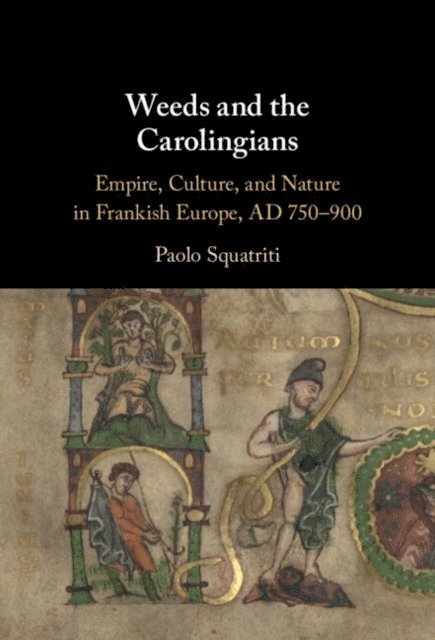
Weeds and the Carolingians
Empire, Culture, and Nature in Frankish Europe, AD 750-900
Häftad, 2024
451 kr
Lägg i varukorg
Why did weeds matter in the Carolingian empire? What was their special significance for writers in eighth- and ninth-century Europe and how was this connected with the growth of real weeds? In early medieval Europe, unwanted plants that persistently appeared among crops created extra work, reduced …
Weeds and the Carolingians
Empire, Culture, and Nature in Frankish Europe, AD 750–900
E-bok, 2022
437 kr
Lägg i varukorg
Why did weeds matter in the Carolingian empire? What was their special significance for writers in eighth- and ninth-century Europe and how was this connected with the growth of real weeds? In early medieval Europe, unwanted plants that persistently appeared among crops created extra work, reduced …
Weeds and the Carolingians
Empire, Culture, and Nature in Frankish Europe, AD 750–900
E-bok, 2022
437 kr
Lägg i varukorg
Why did weeds matter in the Carolingian empire? What was their special significance for writers in eighth- and ninth-century Europe and how was this connected with the growth of real weeds? In early medieval Europe, unwanted plants that persistently appeared among crops created extra work, reduced …
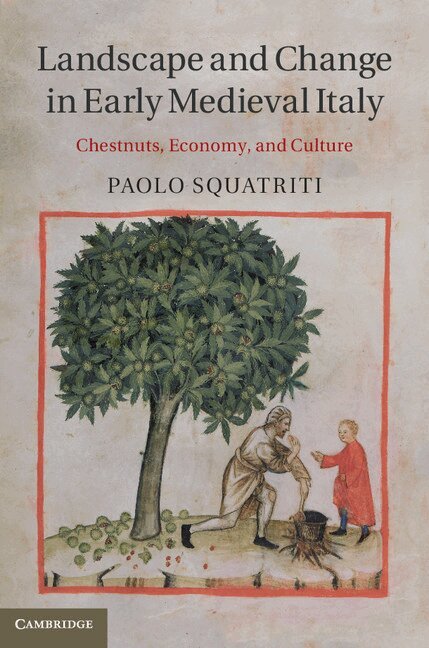
Landscape and Change in Early Medieval Italy
Chestnuts, Economy, and Culture
Inbunden, 2013
1677 kr
Lägg i varukorg
This innovative environmental history of the long-lived European chestnut tree and its woods offers valuable perspectives on the human transition from the Roman to the medieval world in Italy. Integrating evidence from botanical and literary sources, individual charters and case studies of specific …
Weeds and the Carolingians
Empire, Culture, and Nature in Frankish Europe, AD 750-900
Inbunden, 2022
1391 kr
Lägg i varukorg
Why did weeds matter in the Carolingian empire? What was their special significance for writers in eighth- and ninth-century Europe and how was this connected with the growth of real weeds? In early medieval Europe, unwanted plants that persistently appeared among crops created extra work, reduced …
Landscape and Change in Early Medieval Italy
Chestnuts, Economy, and Culture
Häftad, 2017
586 kr
Lägg i varukorg
This innovative environmental history of the long-lived European chestnut tree and its woods offers valuable perspectives on the human transition from the Roman to the medieval world in Italy. Integrating evidence from botanical and literary sources, individual charters and case studies of specific …
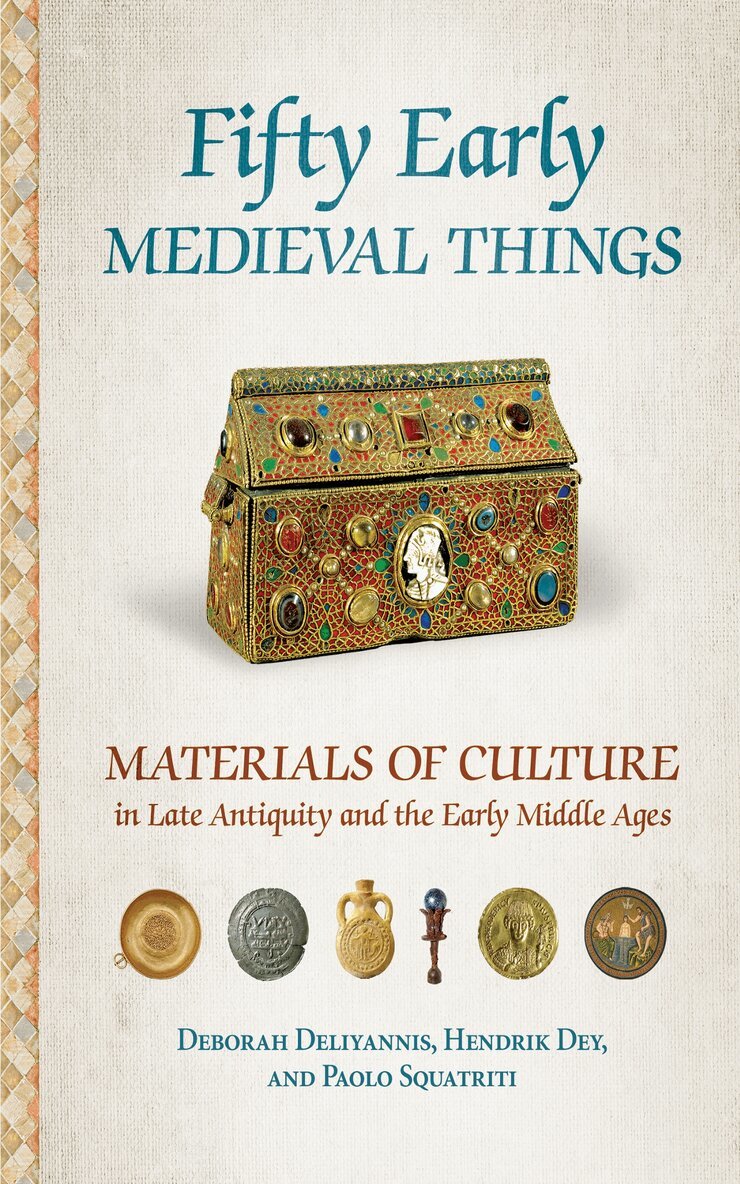
Fifty Early Medieval Things
Materials of Culture in Late Antiquity and the Early Middle Ages
Av Deborah Deliyannis, Hendrik Dey m. fl.
Inbunden, 2019
1678 kr
Lägg i varukorg
This important book [...] is a helpful guide to thinking with things and teaching with things. Each entry challenges the reader to approach objects as historical actors that can speak to the changes and continuities of life in the late antique and early medieval world.â• Early Medieval …
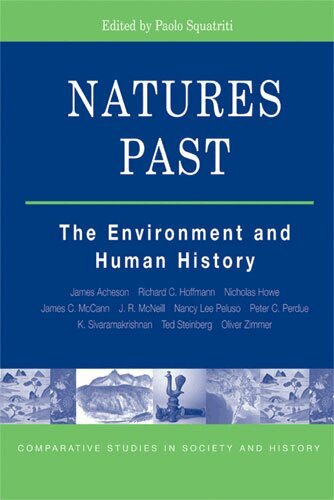
Natures Past
The Environment and Human History
Av Paolo Squatriti, Paolo Squatriti
Häftad, 2007
519 kr
Tillfälligt slut
Investigates the relationship between the environment and human history.At the beginning of the twenty-first century, environmental change is a pressing public issue across the globe. natures Past seeks to lend some historical depth to current debates about man-made modifications of ecological …
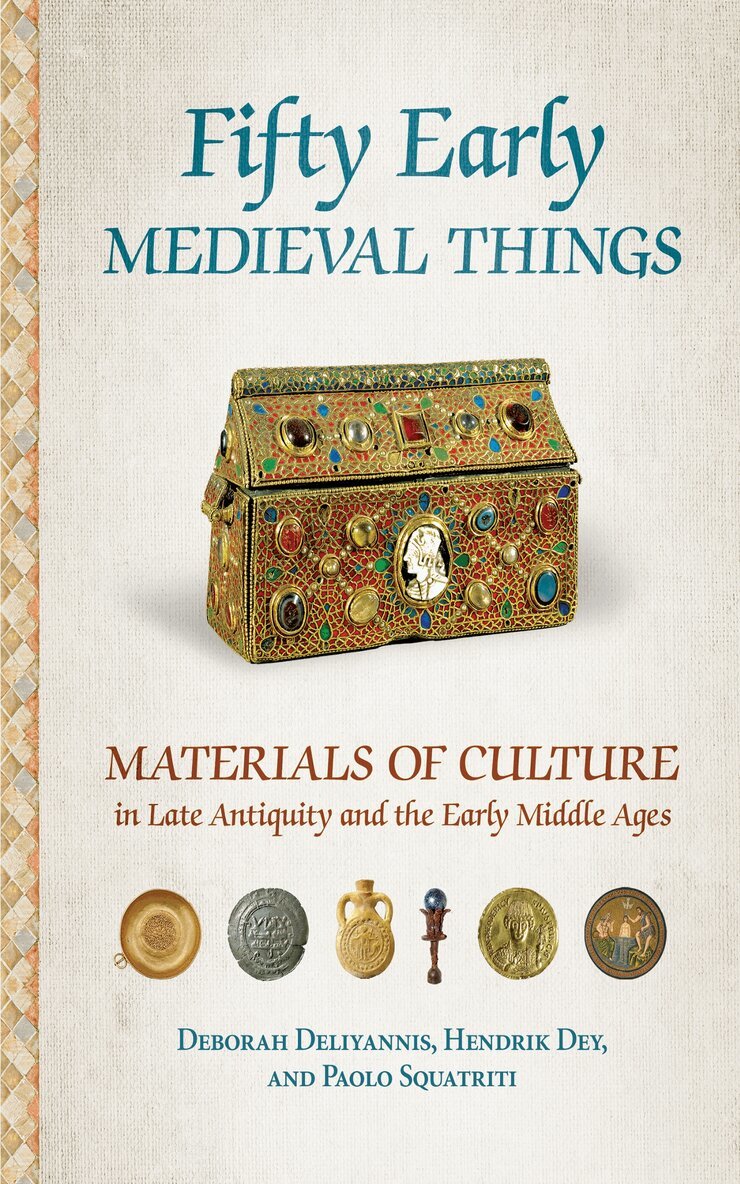
Fifty Early Medieval Things
Materials of Culture in Late Antiquity and the Early Middle Ages
Av Deborah Deliyannis, Hendrik Dey m. fl.
Häftad, 2019
425 kr
Tillfälligt slut
This important book [...] is a helpful guide to thinking with things and teaching with things. Each entry challenges the reader to approach objects as historical actors that can speak to the changes and continuities of life in the late antique and early medieval world.â• Early Medieval …