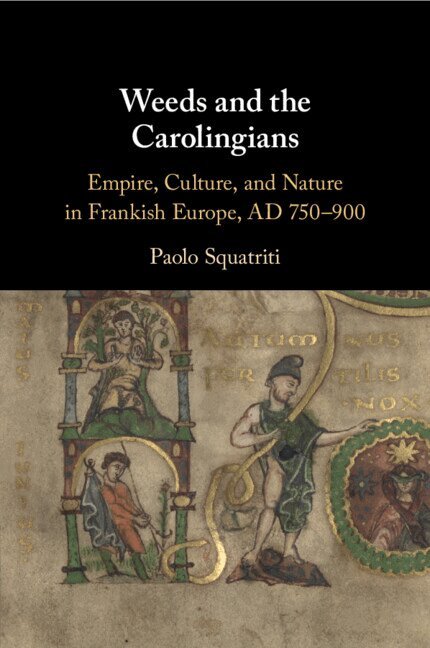
Häftad, Engelska, 2024
Weeds and the Carolingians
Empire, Culture, and Nature in Frankish Europe, AD 750-900
451 kr
Beställningsvara. Skickas inom 5-8 vardagar. Fri frakt över 249 kr.
Beskrivning
Produktinformation
- Utgivningsdatum: 2024-05-30
- Mått: 152 x 229 x 13 mm
- Vikt: 392 g
- Format: Häftad
- Språk: Engelska
- Antal sidor: 238
- Förlag: Cambridge University Press
- ISBN: 9781009069342
Utforska kategorier
Mer om författaren
Paolo Squatriti is Professor of History at the University of Michigan. His previous publications include Water and Society in Early Medieval Italy (Cambridge, 1998) and Landscape and Change in Early Medieval Italy (Cambridge, 2013). The latter won a prize from the American Association for Italian Studies.
Recensioner i media
'This delightful book teems with plants that refuse to be mastered. Farmers wrangled with them in the fields. Ideologues grappled with them in their politics. And readers will be captivated by them, not least for Squatriti's revelation that weeds were double-agents - both antagonists and protagonists in early medieval culture.' Jamie Kreiner, University of Georgia
Betyg & recensioner
0 recensioner
Inga recensioner tillgängliga.