Patricia Daley - Böcker
Visar alla böcker från författaren Patricia Daley. Handla med fri frakt och snabb leverans.
4 produkter
4 produkter
108 kr
Skickas inom 5-8 vardagar
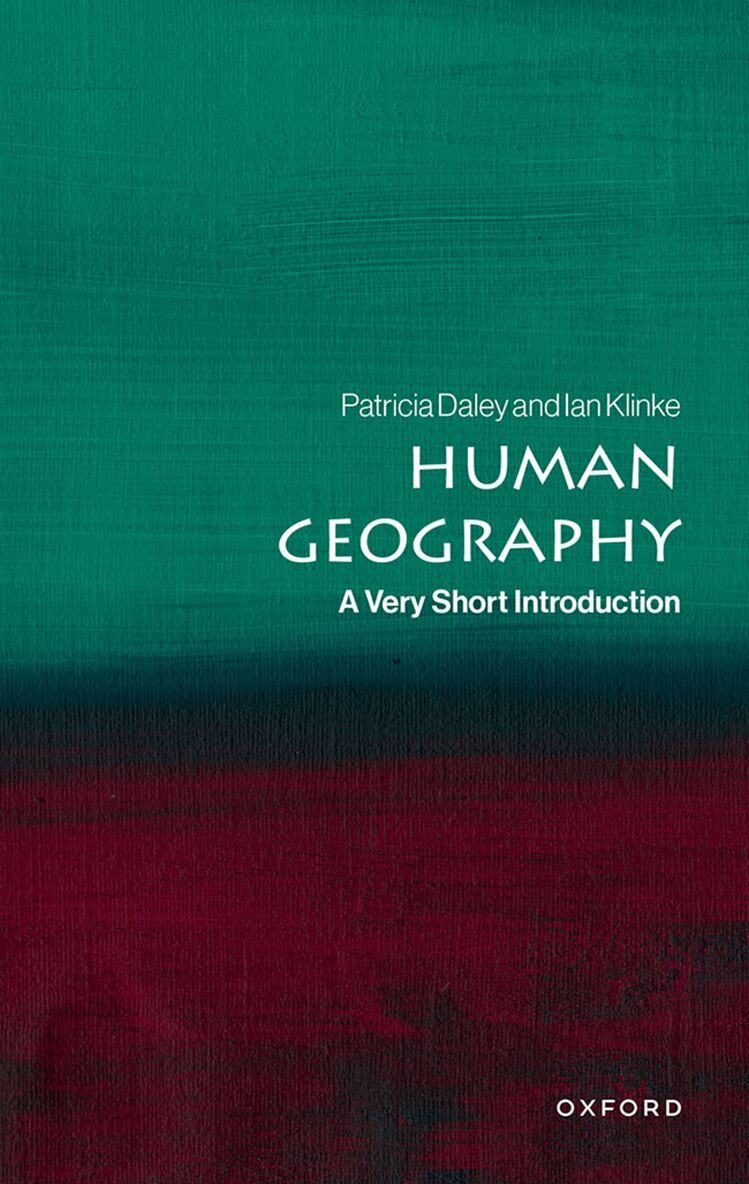
Very Short Introductions: Brilliant, Sharp, InspiringHuman geography offers answers to some of the most important challenges of our time. To understand contemporary struggles over global economic inequality, forced migration, racial injustice, gender justice, and the climate crisis, we must grasp the ways in which these are fought over and through space. Human Geography, A Very Short Introduction by Patricia Daley and Ian Klinke explains how the subject can aid a better knowledge of the modern world. It examines the formation of power systems and the ways in which they have been constructed, subverted, and resisted over time. This Very Short Introduction explores the topic through seven spaces that define the present: the colony, the pipeline, the border, the high rise, the workplace, the conservation area, and outer space. In addition, the authors take a critical view of the discipline and its history, but argue for its continuing vitality.ABOUT THE SERIES: The Very Short Introductions series from Oxford University Press contains hundreds of titles in almost every subject area. These pocket-sized books are the perfect way to get ahead in a new subject quickly. Our expert authors combine facts, analysis, perspective, new ideas, and enthusiasm to make interesting and challenging topics highly readable.
670 kr
Skickas inom 10-15 vardagar
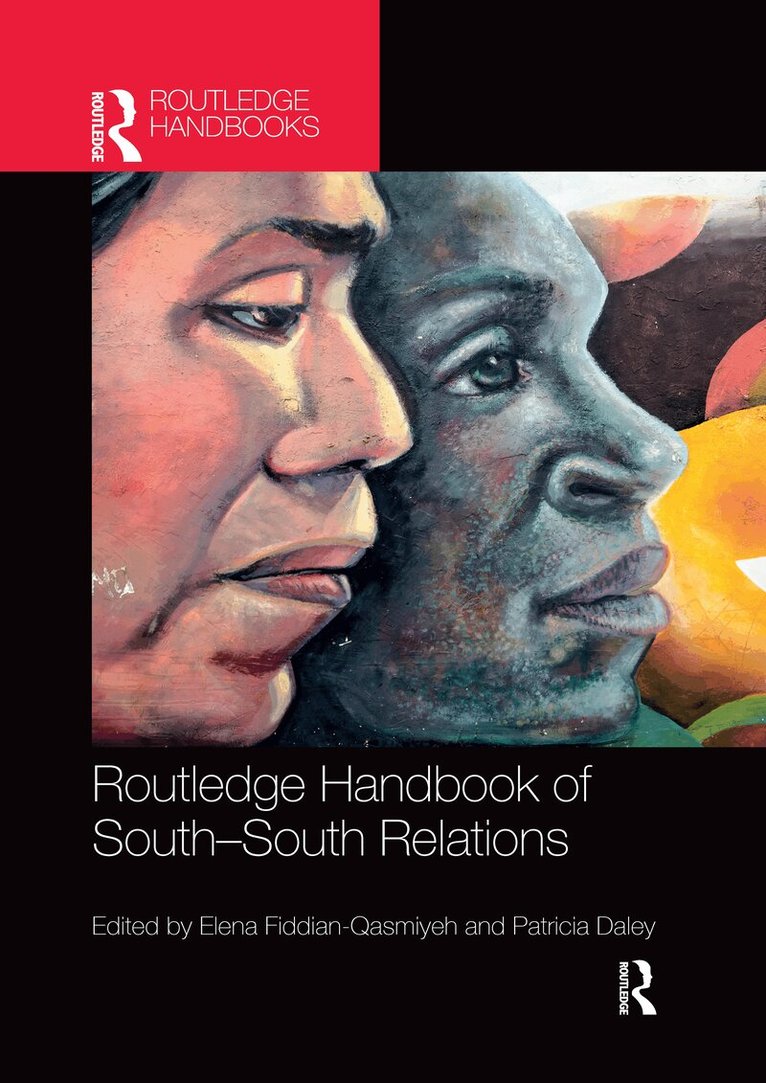
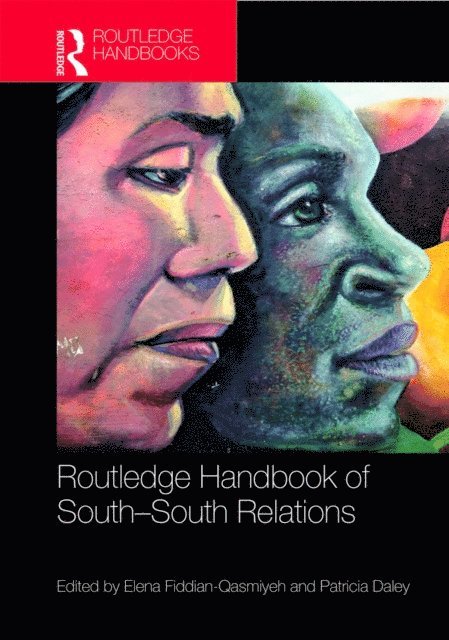
South-South cooperation is becoming ever more important to states, policy-makers and academics. Many Northern states, international agencies and NGOs are promoting South-South partnerships as a means of ‘sharing the burden’ in funding and undertaking development, assistance and protection activities, often in response to increased political and financial pressures on their own aid budgets. However, the mainstreaming of Southern-led initiatives by UN agencies and Northern states is paradoxical in many ways, especially because the development of a South-South cooperation paradigm was originally conceptualised as a necessary way to overcome the exploitative nature of North-South relations in the era of decolonisation.This handbook critically explores diverse ways of defining ‘the South’ and of conceptualising and engaging with ‘South-South relations.’ Through 30 state-of-the-art reviews of key academic and policy debates, the handbook evaluates past, present and future opportunities and challenges of South-South cooperation, and lays out research agendas for the next 5-10 years. The book covers key models of cooperation (including internationalism, Pan-Arabism and Pan-Africanism), diverse modes of South-South connection, exchange and support (including South-South aid, transnational activism, and migration), and responses to displacement, violence and conflict (including Southern-led humanitarianism, peace-building and conflict resolution). In so doing, the handbook reflects on decolonial, postcolonial and anticolonial theories and methodologies, exploring urgent questions regarding the nature and implications of conducting research in and about the global South, and of applying a ‘Southern lens’ to a wide range of encounters, processes and dynamics across the global South and global North alike. This handbook will be of great interest to scholars and post-graduate students in anthropology, area studies, cultural studies, development studies, history, geography, international relations, politics, postcolonial studies and sociology.
239 kr
Skickas inom 7-10 vardagar
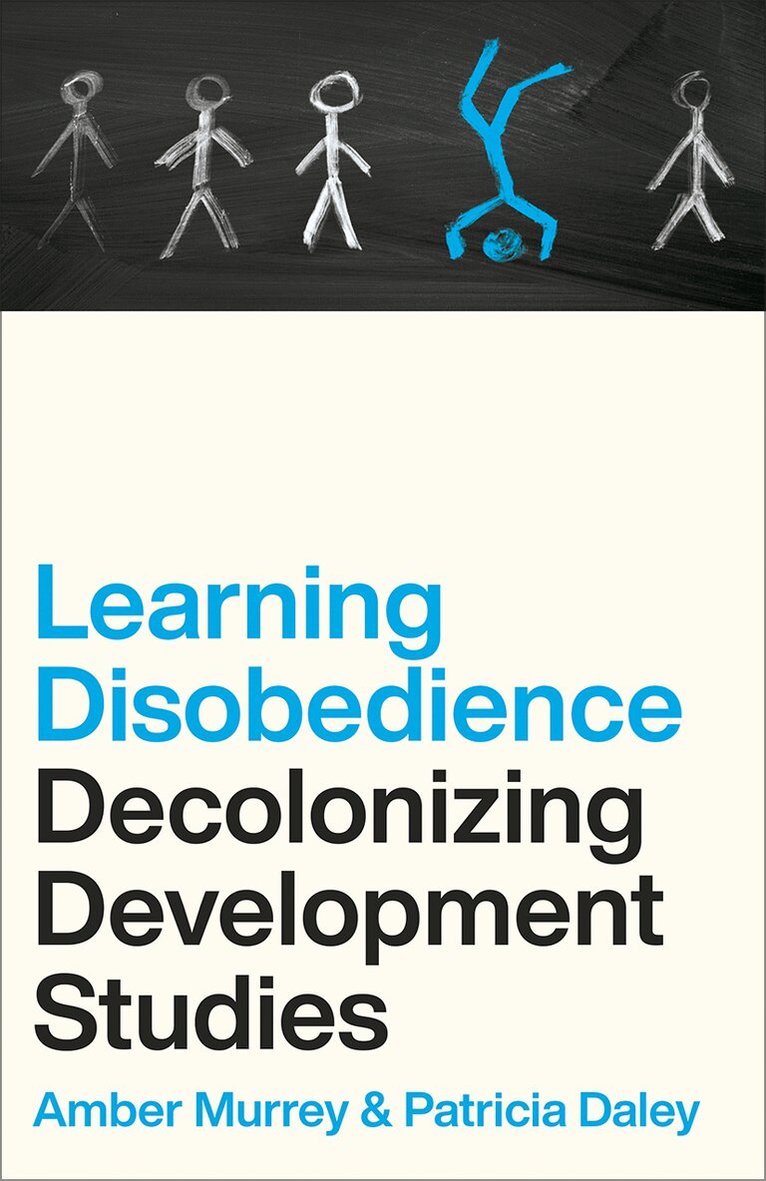
This is a book about teaching 'disobedient pedagogies' from the heart of empire. The authors show how educators, activists and students are cultivating anti-racist decolonial practices, leading with a radical call to eradicate development studies, and counterbalancing this with new projects to decolonize development, particularly in African geographies.Being intentionally disobedient in the classroom is central to decolonizing development studies. The authors ask: What does it mean to study international development today? Whose knowledge and perspectives inform international development policy and programming?Building on the works of other decolonial trailblazers, the authors show how colonial legacies continue to shape the ways in which land, wellbeing, progress and development are conceived of and practiced. How do we, through our classroom and activist practices, work collaboratively to create the radical imaginaries and practical scaffolding we need for decolonizing development?
3 185 kr
Skickas inom 10-15 vardagar
South-South cooperation is becoming ever more important to states, policy-makers and academics. Many Northern states, international agencies and NGOs are promoting South-South partnerships as a means of ‘sharing the burden’ in funding and undertaking development, assistance and protection activities, often in response to increased political and financial pressures on their own aid budgets. However, the mainstreaming of Southern-led initiatives by UN agencies and Northern states is paradoxical in many ways, especially because the development of a South-South cooperation paradigm was originally conceptualised as a necessary way to overcome the exploitative nature of North-South relations in the era of decolonisation.This handbook critically explores diverse ways of defining ‘the South’ and of conceptualising and engaging with ‘South-South relations.’ Through 30 state-of-the-art reviews of key academic and policy debates, the handbook evaluates past, present and future opportunities and challenges of South-South cooperation, and lays out research agendas for the next 5-10 years. The book covers key models of cooperation (including internationalism, Pan-Arabism and Pan-Africanism), diverse modes of South-South connection, exchange and support (including South-South aid, transnational activism, and migration), and responses to displacement, violence and conflict (including Southern-led humanitarianism, peace-building and conflict resolution). In so doing, the handbook reflects on decolonial, postcolonial and anticolonial theories and methodologies, exploring urgent questions regarding the nature and implications of conducting research in and about the global South, and of applying a ‘Southern lens’ to a wide range of encounters, processes and dynamics across the global South and global North alike. This handbook will be of great interest to scholars and post-graduate students in anthropology, area studies, cultural studies, development studies, history, geography, international relations, politics, postcolonial studies and sociology.