Patricia R. Zimmermann - Böcker
Visar alla böcker från författaren Patricia R. Zimmermann. Handla med fri frakt och snabb leverans.
11 produkter
11 produkter
446 kr
Skickas inom 10-15 vardagar
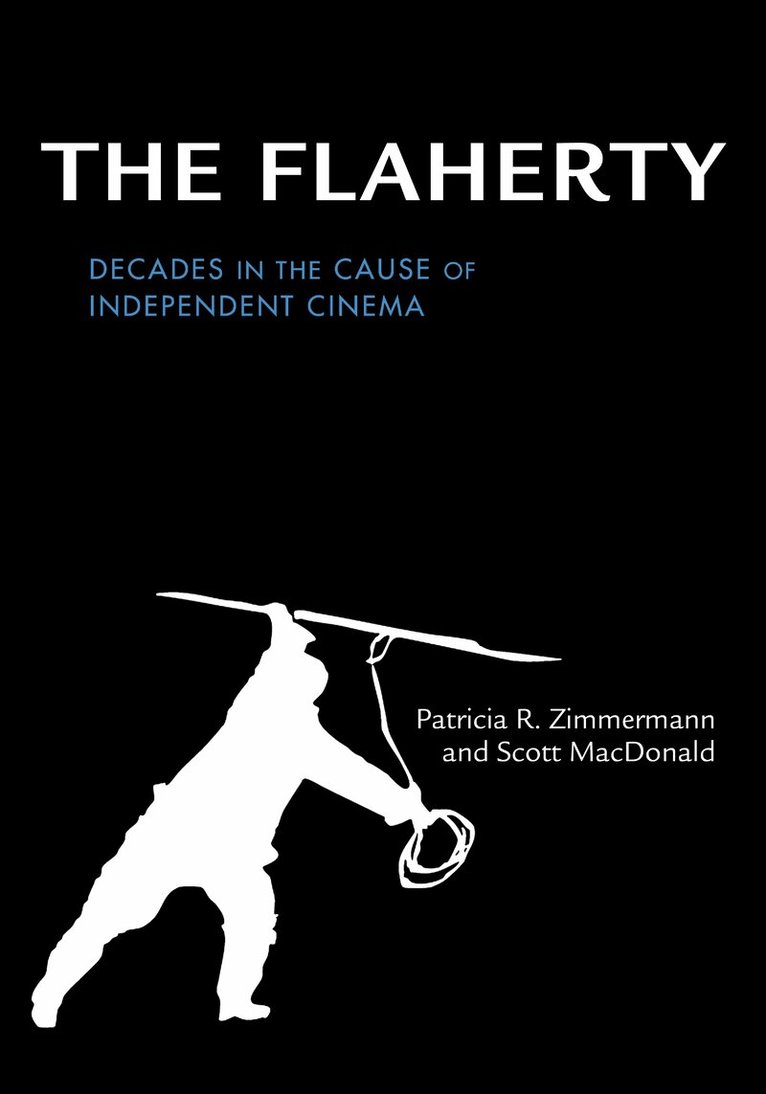
This is the inspiring story of The Flaherty, one of the oldest continuously running nonprofit media arts institutions in the world, which has shaped the development of independent film, video, and emerging forms in the United States over the past 60 years. Combining the words of legendary independent filmmakers with a detailed history of The Flaherty, Patricia R. Zimmermann and Scott MacDonald showcase its history and legacy, amply demonstrating how the relationships created at the annual Flaherty seminar have been instrumental in transforming American media history. Moving through the decades, each chapter opens with a detailed history of the organization by Zimmermann, who traces the evolution of The Flaherty from a private gathering of filmmakers to a small annual convening, to today's ever-growing nexus of filmmakers, scholars, librarians, producers, funders, distributors, and others associated with international independent cinema. MacDonald expands each chapter by giving voice to the major figures in the evolution of independent media through transcriptions of key discussions galvanized by films shown at The Flaherty. The discussions feature Frances Flaherty, Robert Gardner, Fred Wiseman, Willard Van Dyke, Jim McBride, Michael Snow, Hollis Frampton, Erik Barnouw, Barbara Kopple, Ed Pincus, Trinh T. Minh-ha, Bruce Conner, Peter Watkins, Su Friedrich, Marlon Riggs, William Greaves, Ken Jacobs, Kazuo Hara, Mani Kaul, Craig Baldwin, Bahman Ghobadi, Eyal Sivan, and many others.
955 kr
Skickas inom 7-10 vardagar
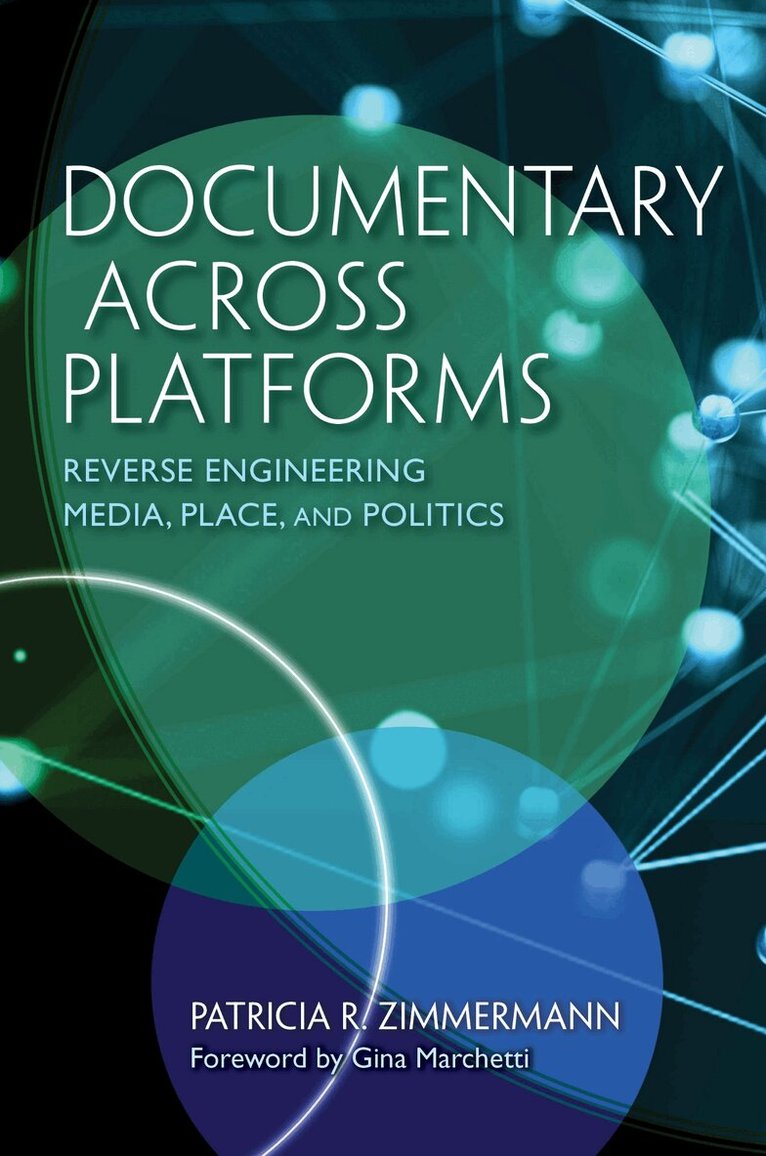
In Documentary Across Platforms, noted scholar of film and experimental media Patricia R. Zimmermann offers a glimpse into the ever-evolving constellation of practices known as "documentary" and the way in which they investigate, engage with, and interrogate the world. Collected here for the first time are her celebrated essays and speculations about documentary, experimental, and new media published outside of traditional scholarly venues. These essays envision documentary as a complex ecology composed of different technologies, sets of practices, and specific relationships to communities, engagement, politics, and social struggles. Through the lens of reverse engineering—the concept that ideas just like objects can be disassembled to learn how they work and then rebuilt into something new and better—Zimmermann explores how numerous small-scale documentary works present strategies of intervention into existing power structures. Adaptive to their context, modular, and unfixed, the documentary practices she explores exploit both sophisticated high-end professional and consumer-grade amateur technologies, moving through different political terrains, different platforms, and different exhibition contexts. Together these essays demonstrate documentary's role as a conceptual practice to think through how the world is organized and to imagine ways that it might be reorganized with actions, communities, and ideas.
342 kr
Skickas inom 7-10 vardagar
In Documentary Across Platforms, noted scholar of film and experimental media Patricia R. Zimmermann offers a glimpse into the ever-evolving constellation of practices known as "documentary" and the way in which they investigate, engage with, and interrogate the world. Collected here for the first time are her celebrated essays and speculations about documentary, experimental, and new media published outside of traditional scholarly venues. These essays envision documentary as a complex ecology composed of different technologies, sets of practices, and specific relationships to communities, engagement, politics, and social struggles. Through the lens of reverse engineering—the concept that ideas just like objects can be disassembled to learn how they work and then rebuilt into something new and better—Zimmermann explores how numerous small-scale documentary works present strategies of intervention into existing power structures. Adaptive to their context, modular, and unfixed, the documentary practices she explores exploit both sophisticated high-end professional and consumer-grade amateur technologies, moving through different political terrains, different platforms, and different exhibition contexts. Together these essays demonstrate documentary's role as a conceptual practice to think through how the world is organized and to imagine ways that it might be reorganized with actions, communities, and ideas.
516 kr
Skickas inom 10-15 vardagar
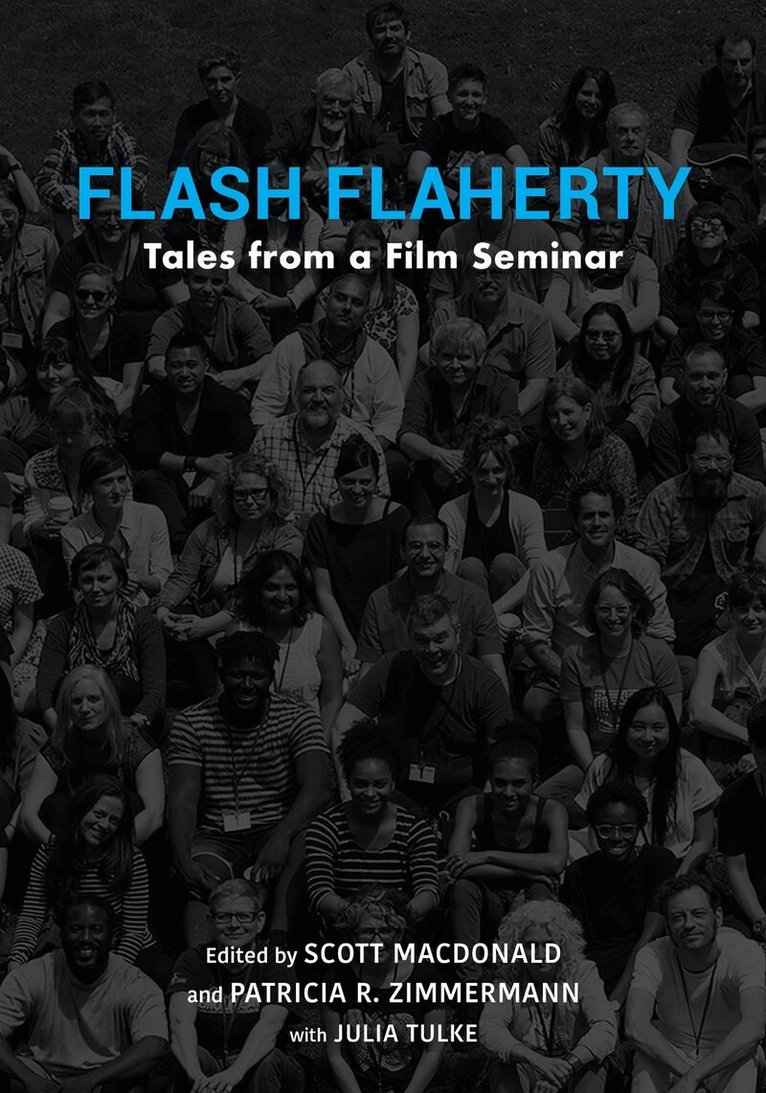
Flash Flaherty, the much-anticipated follow-up volume to The Flaherty: Decades in the Cause of Independent Cinema, offers a people's history of the world-renowned Robert Flaherty Film Seminar, an annual event where participants confront and reimagine the creative process surrounding multiple document/documentary forms and modes of the moving image.This collection, which includes a mosaic of personal recollections from attendees of the Flaherty Seminar over a span of more than 60 years, highlights many facets of the "Flaherty experience." The memories of the seminarians reveal how this independent film and media seminar has created a lively and sometimes cantankerous community within and beyond the institutionalized realm of American media culture. Editors Scott MacDonald and Patricia R. Zimmermann have curated a collective polyphonic account that moves freely between funny anecdotes, poetic impressions, critical considerations, poignant recollections, scholarly observations, and artistic insights. Together, the contributors to Flash Flaherty exemplify how the Flaherty Seminar propels shared insights, challenging debates, and actual change in the world of independent media.
1 200 kr
Kommande
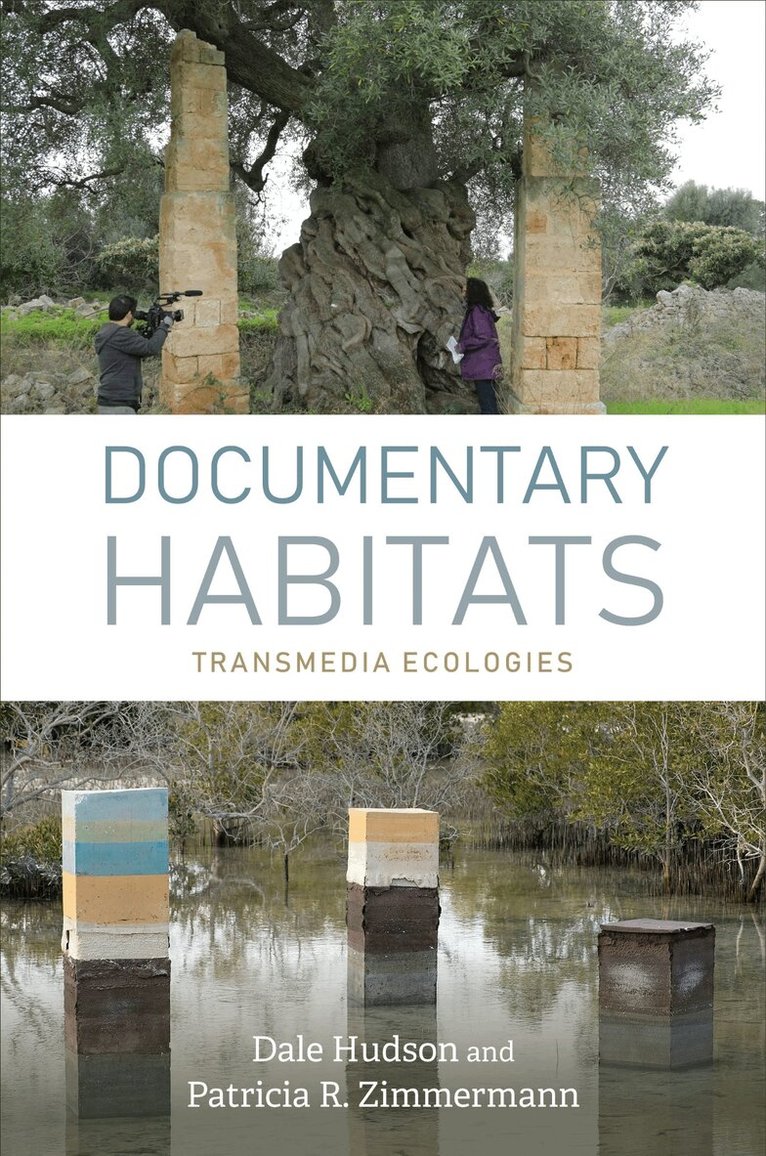
As record-breaking wildfires moved across eastern Canada and record rainfalls flooded Dubai; as billionaires offshored immense profits while so-called essential workers risked their lives during a pandemic; resources, knowledge, and even life itself are increasingly privatized – and disruptions have become the status quo to ensure as much. Documentary Habitats argues that overlapping crises demand strategies for the long term rather than short-term technocratic pivots. They require local and Indigenous knowledge, derived from extended living with a place, rather than faith in techno-solutions designed to generate profit elsewhere. By redefining humans as one species of many in shared habitats rather than as an exceptional species with unchecked domain over the planet, authors Dale Hudson and Patricia R. Zimmermann offer a powerful counterpart to understandings of documentary conceived almost exclusively as centered not only on humans, but on humans who exploit modern systems. Across eight categories of relationships – entanglements, polyphonies, contaminations, iterations, navigations, extractions, adaptations, and infections – Documentary Habitats follows documentary practices that are community oriented, dialogue-driven, place-based, and research-led, using augmented reality, interactive and mobile technologies, film and photography, and video installation. Featuring works by artists and filmmakers from over 25 countries and drawing on two decades of curatorial collaborations, Documentary Habitats is a rallying cry to documentary studies to focus attention on environmental and social issues that may seem new and urgent to some people but are all too familiar to others.
485 kr
Kommande
As record-breaking wildfires moved across eastern Canada and record rainfalls flooded Dubai; as billionaires offshored immense profits while so-called essential workers risked their lives during a pandemic; resources, knowledge, and even life itself are increasingly privatized—and disruptions have become the status quo to ensure as much. Documentary Habitats argues that overlapping crises demand strategies for the long term rather than short-term technocratic pivots. They require local and Indigenous knowledge, derived from extended living with a place, rather than faith in techno-solutions designed to generate profit elsewhere. By redefining humans as one species of many in shared habitats rather than as an exceptional species with unchecked domain over the planet, authors Dale Hudson and Patricia R. Zimmermann offer a powerful counterpart to understandings of documentary conceived almost exclusively as centered not only on humans, but on humans who exploit modern systems. Across eight categories of relationships—entanglements, polyphonies, contaminations, iterations, navigations, extractions, adaptations, and infections—Documentary Habitats follows documentary practices that are community oriented, dialogue-driven, place-based, and research-led, using augmented reality, interactive and mobile technologies, film and photography, and video installation. Featuring works by artists and filmmakers from over 25 countries and drawing on two decades of curatorial collaborations, Documentary Habitats is a rallying cry to documentary studies to focus attention on environmental and social issues that may seem new and urgent to some people but are all too familiar to others.
219 kr
Skickas inom 10-15 vardagar
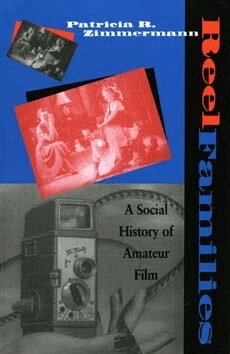
Amateur film has been seen as the junkheap of private culture. Yet music videos recycle home movies as authenticity; commercials copy its style to sell intimacy; documentaries use it to recount history "from below."Reel Families is the first historical study of amateur film, the most pervasive of media. Patricia Zimmerman charts the history of this medium from 1897 to the present, examining how ideological, technical, and social constraints have stunted amateur film's potential for extending media production beyond corporate monopolies and into the hands of everyday people. She draws on an array of sources—camera manufacturers, patents, early film and photography technology journals, amateur filmmaking magazines, professional magazines, and family-oriented popular magazines—to investigate how the concept of amateur film was transformed within evolving contexts of technology, aesthetics, social relations, and politics.
332 kr
Skickas inom 10-15 vardagar
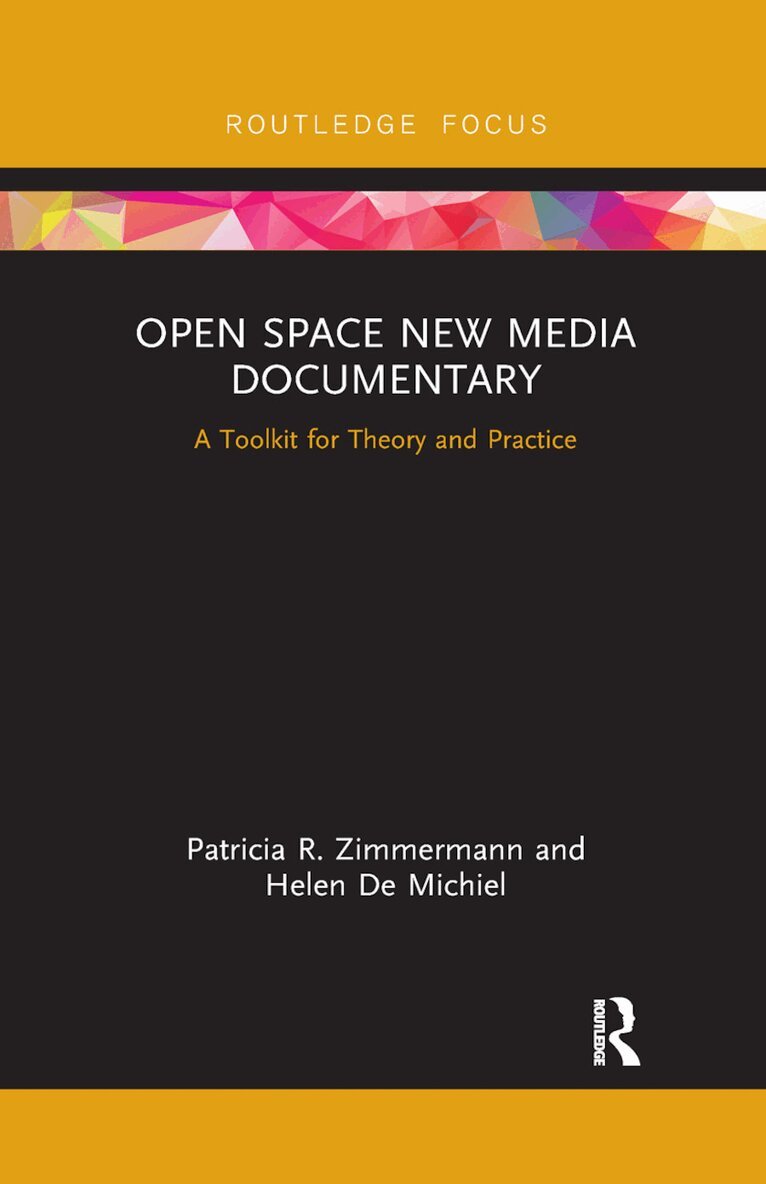
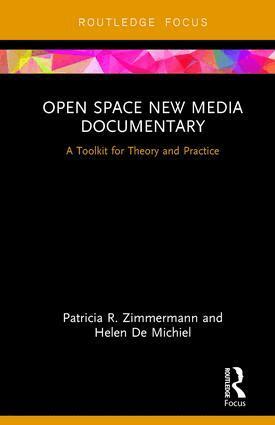
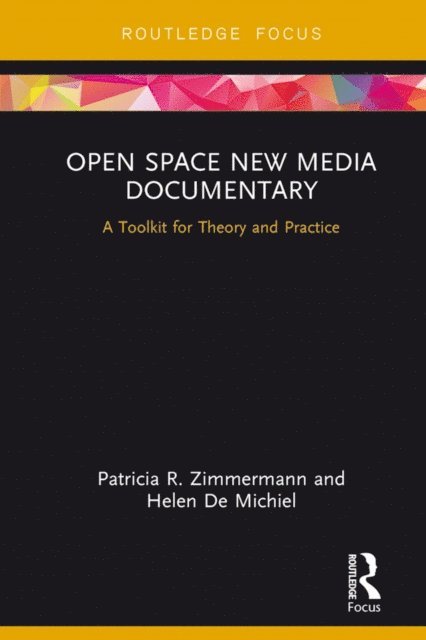
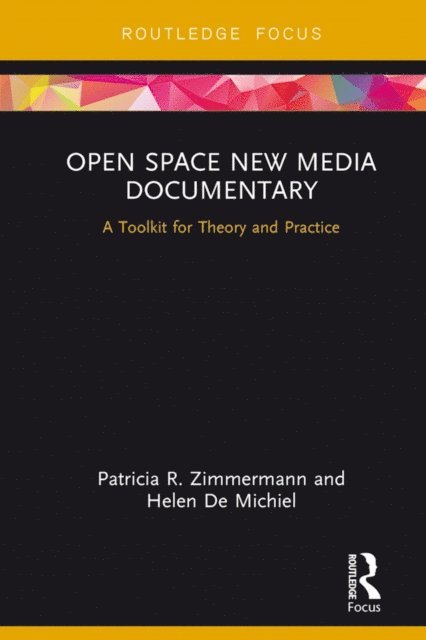
Open Space New Media Documentary examines an emerging and significant area of documentary practice in the twenty-first century: community-based new media documentary projects that move across platforms and utilize participatory modalities. The book offers an innovative theorization of these collaborative and collective new media practices, which the authors term "open space," gesturing towards a more contextual critical nexus of technology, form, histories, community, convenings, collaborations, and mobilities. It looks at a variety of low cost, sustainable and scalable documentary projects from across the globe, where new technologies meet places and people in Argentina, Canada, India, Indonesia, Peru, South Africa, Ukraine, and the USA.
609 kr
Skickas inom 3-6 vardagar
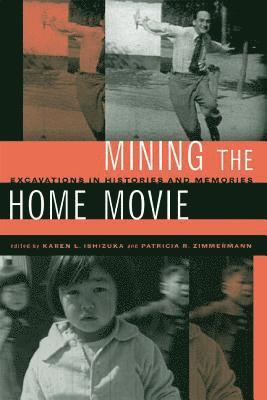
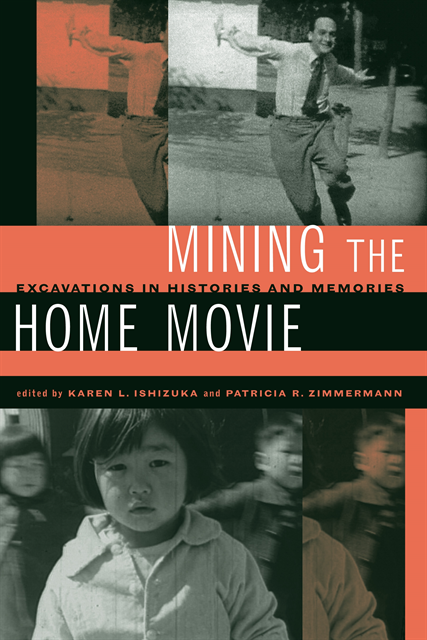
The first international anthology to explore the historical significance of amateur film, "Mining the Home Movie" makes visible, through image and analysis, the hidden yet ubiquitous world of home moviemaking. These essays boldly combine primary research, archival collections, critical analyses, filmmakers' own stories, and new theoretical approaches regarding the meaning and value of amateur and archival films. Editors Karen L. Ishizuka and Patricia R. Zimmermann have fashioned a groundbreaking volume that identifies home movies as vital methods of visually preserving history. The essays cover an enormous range of subject matter, defining an important genre of film studies and establishing the home movie as an invaluable tool for extracting historical and social insights.
282 kr
Skickas inom 7-10 vardagar
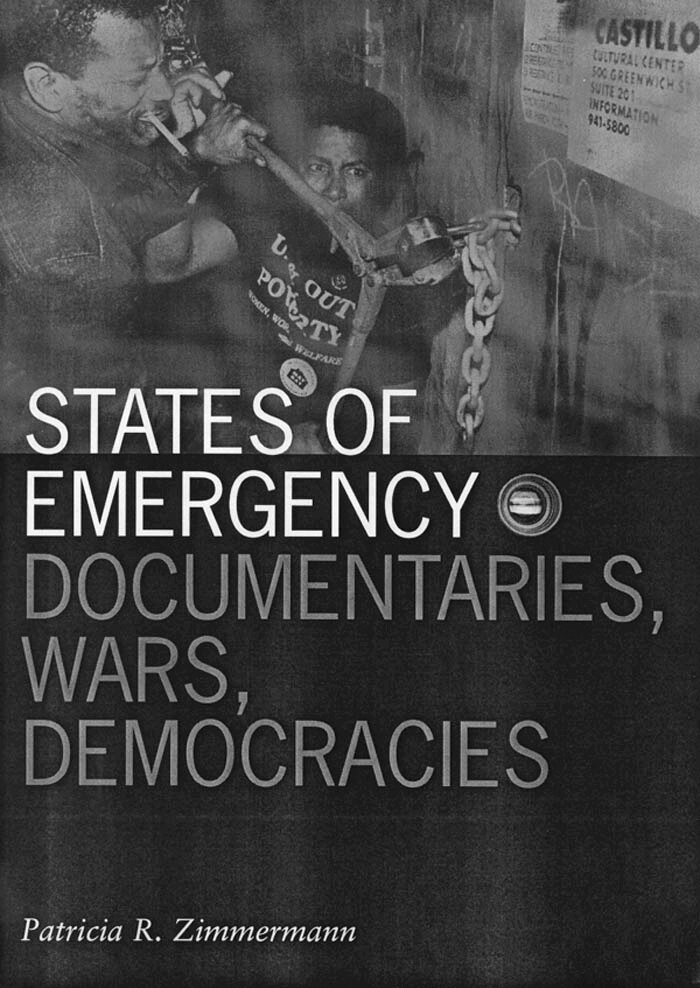
A passionate argument for the importance of radical documentary and experimental filmmaking in the face of rapid technological and political change.Today’s political, technological, and aesthetic landscapes are rife with landmines. In this embattled milieu, leftist filmmakers and conservatives struggle for control of the national imaginary. Amid unprecedented mergers and consolidations, political conservatives have launched major attacks against the National Endowment for the Arts, the Public Broadcasting System, state arts councils, and other sponsors of oppositional programming. Meanwhile, developing technologies like satellites and the Internet have not only altered and globalized communication but also offer untapped possibilities for reconstructing democracies. All of these events signal a radical transformation in how we will view the world in the decades to come. In States of Emergency, Patricia R. Zimmermann describes the shifting terrains socially engaged documentary artists and experimental filmmakers encounter in the aftermath of these changes. Public space has been chiseled away and politically conscious documentaries forced to go underground. Viewing an array of subjects (including the wars in Bosnia, Chiapas, and the Persian Gulf; Japanese internment during World War II; homelessness; race; and reproductive rights) through technologies ranging from high-end video, camcorders, cable access, digital imaging systems, and media piracy, Zimmermann creates an explosive montage of colliding ideas and events. In combative terms, she charts the intricately layered relationships between independent documentary, power, money, and culture, and also analyzes how media artists use new technologies and radical media practices to undermine cuts in support and conservative backlash. States of Emergency anchors documentary into a social and historical context that shows the complex connections among audiences, filmmakers, funders, and subjects in the fascinating and fraught milieu in which they coexist. Zimmermann passionately and convincingly argues that the survival of democracies and public spaces is inextricably fueled by the robust endurance of documentary and other insurgent forms of communication.
898 kr
Skickas inom 10-15 vardagar
Open Space New Media Documentary examines an emerging and significant area of documentary practice in the twenty-first century: community-based new media documentary projects that move across platforms and utilize participatory modalities. The book offers an innovative theorization of these collaborative and collective new media practices, which the authors term "open space," gesturing towards a more contextual critical nexus of technology, form, histories, community, convenings, collaborations, and mobilities. It looks at a variety of low cost, sustainable and scalable documentary projects from across the globe, where new technologies meet places and people in Argentina, Canada, India, Indonesia, Peru, South Africa, Ukraine, and the USA.