Paul K. Longmore - Böcker
Visar alla böcker från författaren Paul K. Longmore. Handla med fri frakt och snabb leverans.
4 produkter
4 produkter
553 kr
Skickas inom 5-8 vardagar
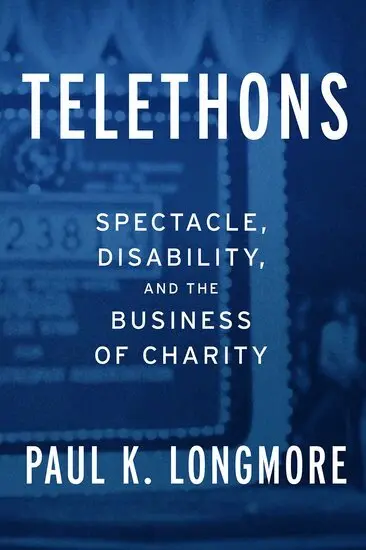
Looking back at postwar US history, it seems that a telethon accompanied every social ill, disability, disease, and natural disaster. A unique combination of entertainment and charity, this form of fundraising became a fixture in American life not long after NBC broadcast the first one, hosted by Milton Berle, in 1949. Conceived specifically for the new medium of television, the telethon--a portmanteau of "television" and "marathon"--became the fundraising vehicle of choice for the nation's leading charitable organizations. Marshaling two decades' worth of painstaking research, Telethons provides the first cultural history of the popular phenomenon. It charts the rise of the telethon as a result of five influential charities (most notably, the Muscular Dystrophy Association) and profiles the key figures--philanthropists, politicians, celebrities, corporate sponsors, and recipients--involved. The book also serves as a chronicle of disabilty history in the postwar US, as Longmore shows the changing depiction of the disabled-from objects of pity in the Fifties and Sixties to figures of empowerment in the late twentieth century. A significant portion of the book analyzes the various clashes between telethon-producing charities and activists in the disability rights movement that have become increasingly frequent since the 1970s. Throughout, Telethons explores familiar staples of the genre such as "poster children," the comedic emcee, and the concept of "conspicuous contribution."
446 kr
Skickas inom 10-15 vardagar
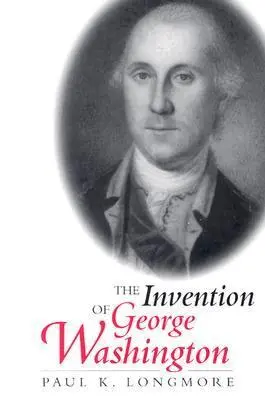
By tracing George Washington's development from colonial planter and soldier to republican icon, this work answers the riddle of Washington's simultaneous fame and aloofness, arriving at a portrait of Washington as a self-fashioning representative of his turbulent time.
941 kr
Skickas inom 10-15 vardagar
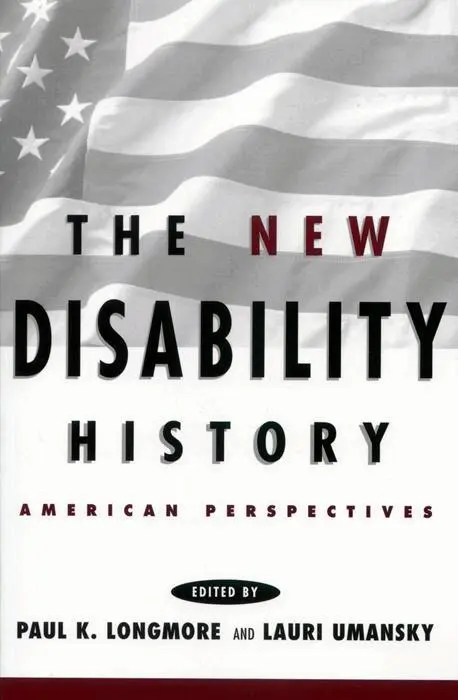
A collected volume highlighting disability's hidden history in American societyDisability has always been a preoccupation of American society and culture. From antebellum debates about qualification for citizenship to current controversies over access and reasonable accommodations, disability has been present, in penumbra if not in print, on virtually every page of American history. Yet historians have only recently begun the deep excavation necessary to retrieve lives shrouded in religious, then medical, and always deep-seated cultural, misunderstanding.This volume opens up disability's hidden history. In these pages, a North Carolina Youth finds his identity as a deaf Southerner challenged in Civil War-era New York. Deaf community leaders ardently defend sign language in early 20th century America. The mythic Helen Keller and the long-forgotten American Blind People's higher Education and General Improvement Association each struggle to shape public and private roles for blind Americans. White and black disabled World War I and II veterans contest public policies and cultural values to claim their citizenship rights.Neurasthenic Alice James and injured turn-of-the-century railroadmen grapple with the interplay of disability and gender. Progressive-era rehabilitationists fashion programs to make crippled children economically productive and socially valid, and two Depression-era fathers murder their sons as public opinion blames the boys' mothers for having cherished the lads' lives. These and many other figures lead readers through hospital-schools, courtrooms, advocacy journals, and beyond to discover disability's past.Coupling empirical evidence with the interdisciplinary tools and insights of disability studies, the book explores the complex meanings of disability as identity and cultural signifier in American history.
413 kr
Skickas inom 7-10 vardagar
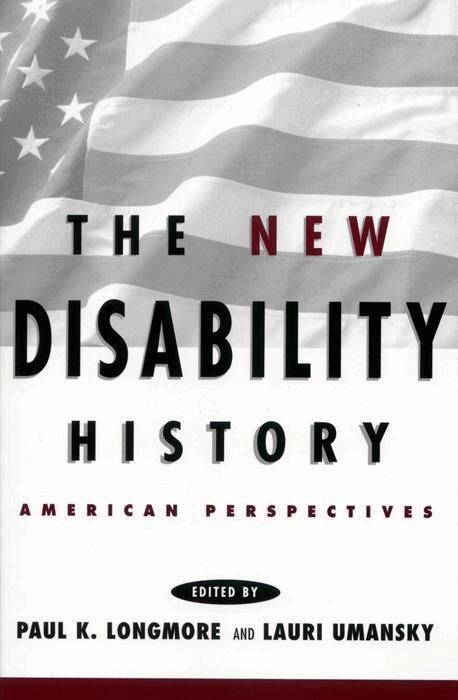
A collected volume highlighting disability's hidden history in American societyDisability has always been a preoccupation of American society and culture. From antebellum debates about qualification for citizenship to current controversies over access and reasonable accommodations, disability has been present, in penumbra if not in print, on virtually every page of American history. Yet historians have only recently begun the deep excavation necessary to retrieve lives shrouded in religious, then medical, and always deep-seated cultural, misunderstanding.This volume opens up disability's hidden history. In these pages, a North Carolina Youth finds his identity as a deaf Southerner challenged in Civil War-era New York. Deaf community leaders ardently defend sign language in early 20th century America. The mythic Helen Keller and the long-forgotten American Blind People's higher Education and General Improvement Association each struggle to shape public and private roles for blind Americans. White and black disabled World War I and II veterans contest public policies and cultural values to claim their citizenship rights.Neurasthenic Alice James and injured turn-of-the-century railroadmen grapple with the interplay of disability and gender. Progressive-era rehabilitationists fashion programs to make crippled children economically productive and socially valid, and two Depression-era fathers murder their sons as public opinion blames the boys' mothers for having cherished the lads' lives. These and many other figures lead readers through hospital-schools, courtrooms, advocacy journals, and beyond to discover disability's past.Coupling empirical evidence with the interdisciplinary tools and insights of disability studies, the book explores the complex meanings of disability as identity and cultural signifier in American history.