Paul M. Zall – författare
Visar alla böcker från författaren Paul M. Zall. Handla med fri frakt och snabb leverans.
16 produkter
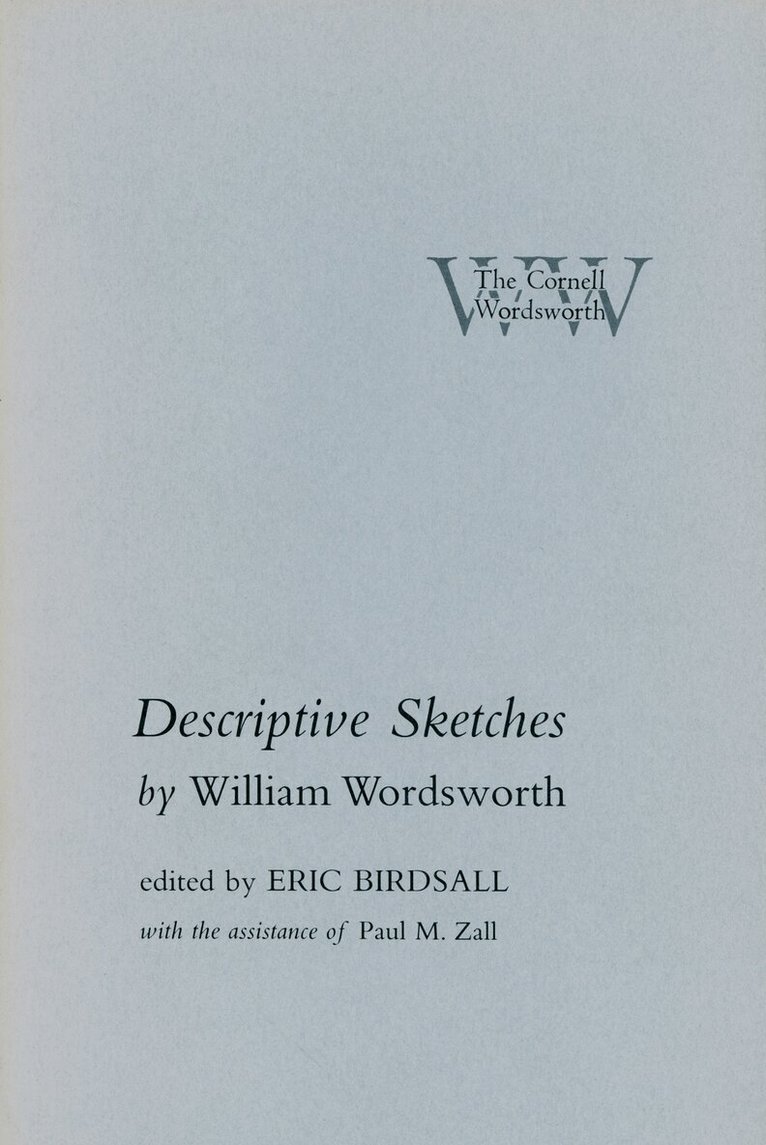
Descriptive Sketches
Av William Wordsworth, Eric R. Birdsall m. fl.
Inbunden, 1984
2187 kr
Lägg i varukorg
'
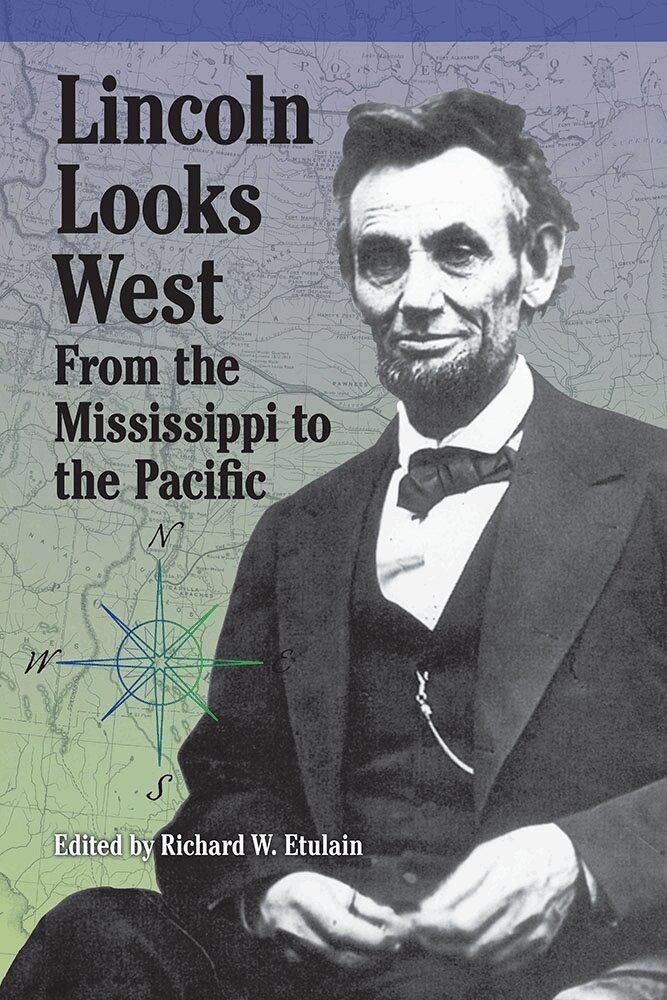
Lincoln Looks West
From the Mississippi to the Pacific
Av Michael S. Green, Robert W. Johannsen m. fl.
Häftad, 2023
294 kr
Lägg i varukorg
This volume explores Abraham Lincoln’s ties to the American West, bringing together a variety of scholars and experts who offer a look at the sixteenth president’s legacy in the territory beyond the Mississippi River. Included in this collection are an examination of Lincoln’s opposition to the …
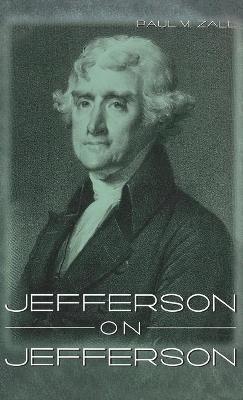
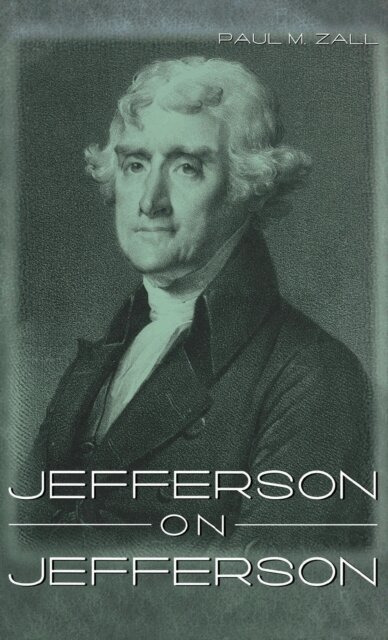
Jefferson on Jefferson
Av Paul M Zall
Inbunden, 2002
549 kr
Lägg i varukorg
A new and more complex portrait of Thomas Jefferson, as told by Jefferson himself. Not trusting biographers with his story and frustrated by his friends' failure to justify his role in the American Revolution, Thomas Jefferson wrote his autobiography on his own terms at the age of seventy-seven. …
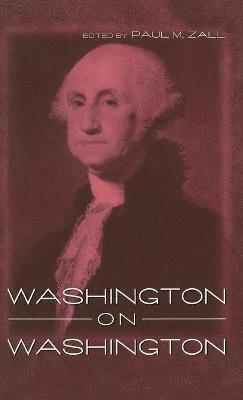
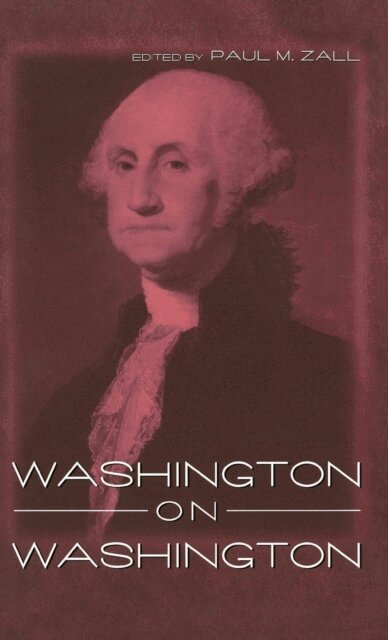
Washington on Washington
Av Paul M Zall
Inbunden, 2003
411 kr
Lägg i varukorg
For most Americans, George Washington is more of a legend than a man -- a face on our currency or an austere figure standing in a rowboat crossing the icy Delaware River. He was equally revered in his own time. At the helm of a country born of idealism and revolution, Washington reluctantly played …
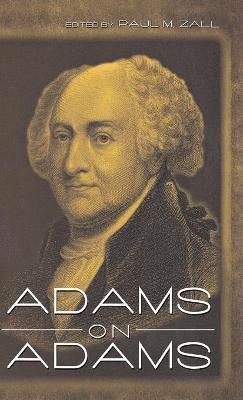
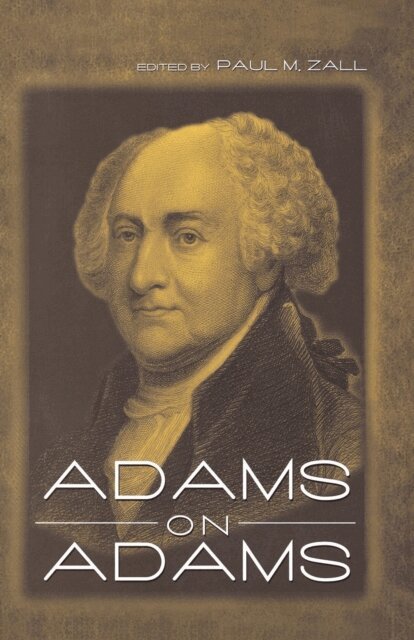
Adams on Adams
Av Paul M Zall
Inbunden, 2004
1013 kr
Lägg i varukorg
After more than two hundred years in the shadows of Washington and Jefferson, John Adams enjoys fame as one of our top presidents. Of unprepossessing appearance and feisty temperament, he expressed his personal feelings in copious correspondence and public documents along with two unfinished …
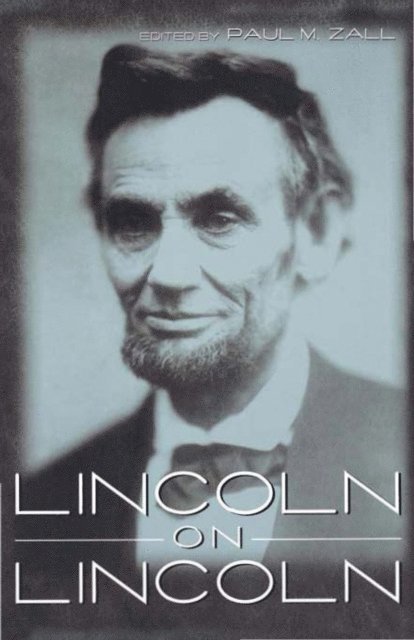
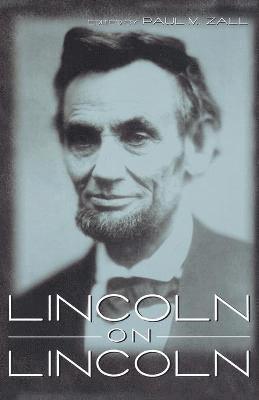
Lincoln on Lincoln
Av Paul M. Zall
E-bok, 2010
487 kr
Lägg i varukorg
Though Abraham Lincoln has been the subject of numerous biographies, his personality remains an enigma. During his lifetime, Lincoln prepared two sketches of his life for the 1860 presidential race. These brief campaign portraits serve as the core around which Paul Zall weaves extracts from …
Lincoln on Lincoln
Av Paul M. Zall
E-bok, 2003
487 kr
Lägg i varukorg
Though Abraham Lincoln has been the subject of numerous biographies, his personality remains an enigma. During his lifetime, Lincoln prepared two sketches of his life for the 1860 presidential race. These brief campaign portraits serve as the core around which Paul Zall weaves extracts from …
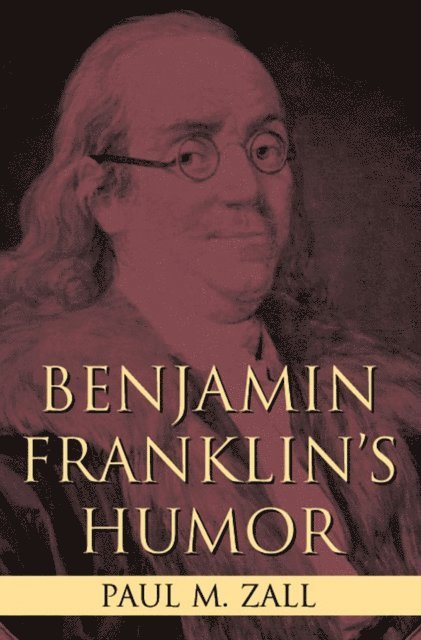
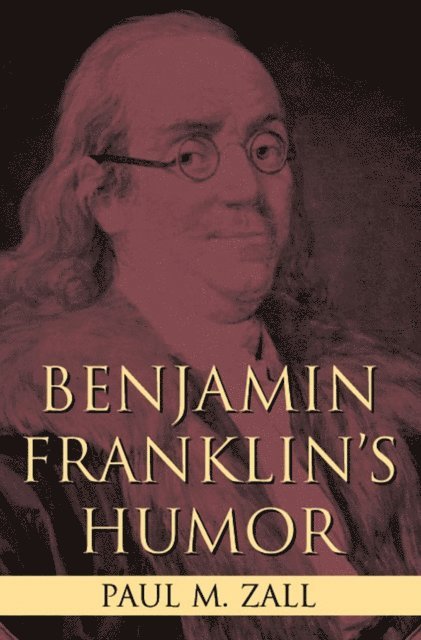
Benjamin Franklin's Humor
Av Paul M. Zall
E-bok, 2005
487 kr
Lägg i varukorg
Although he called himself merely a "printer" in his will, Benjamin Franklin could have also called himself a diplomat, a doctor, an electrician, a frontier general, an inventor, a journalist, a legislator, a librarian, a magistrate, a postmaster, a promoter, a publisher -- and a humorist. John …
Adams on Adams
Av Paul M. Zall
E-bok, 2014
973 kr
Lägg i varukorg
After more than two hundred years in the shadows of Washington and Jefferson, John Adams enjoys fame as one of our top presidents. Of unprepossessing appearance and feisty temperament, he expressed his personal feelings in copious correspondence and public documents along with two unfinished …
Washington on Washington
Av Paul M. Zall
E-bok, 2014
476 kr
Lägg i varukorg
For most Americans, George Washington is more of a legend than a mana face on our currency or an austere figure standing in a rowboat crossing the icy Delaware River. He was equally revered in his own time. At the helm of a country born of idealism and revolution, Washington reluctantly played the …
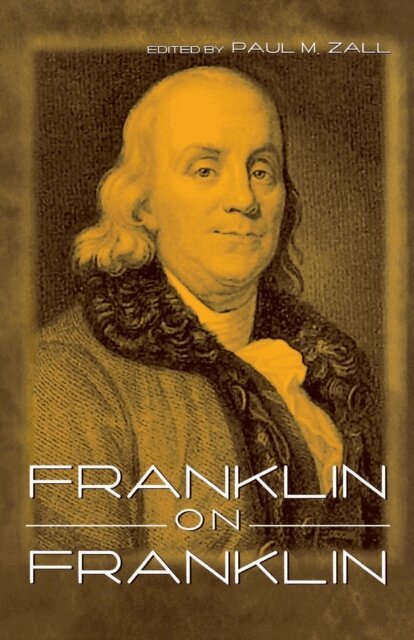
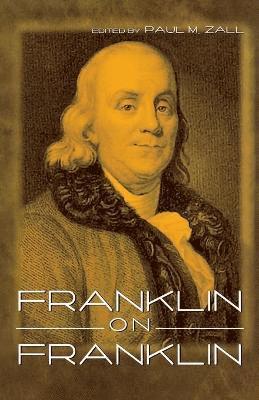
Franklin on Franklin
Av Paul M. Zall
E-bok, 2014
1270 kr
Lägg i varukorg
Benjamin Franklin's Autobiography ends in 1758, some thirty years before he died. Those three decades included some of the statesman's greatest triumphs, yet instead of including them in his memoir, Franklin spent the years continually revising his original text. Paul Zall has created a new …
Jefferson on Jefferson
Av Paul M. Zall
E-bok, 2014
487 kr
Lägg i varukorg
A new and more complex portrait of Thomas Jefferson, as told by Jefferson himself. Not trusting biographers with his story and frustrated by his friends' failure to justify his role in the American Revolution, Thomas Jefferson wrote his autobiography on his own terms at the age of seventy-seven. …
Benjamin Franklin's Humor
Av Paul M. Zall
E-bok, 2005
487 kr
Lägg i varukorg
Although he called himself merely a "printer" in his will, Benjamin Franklin could have also called himself a diplomat, a doctor, an electrician, a frontier general, an inventor, a journalist, a legislator, a librarian, a magistrate, a postmaster, a promoter, a publisher -- and a humorist. John …
Lincoln on Lincoln
Av Paul M Zall
Häftad, 2003
574 kr
Lägg i varukorg
Though Abraham Lincoln has been the subject of numerous biographies, his personality remains an enigma. During his lifetime, Lincoln prepared two sketches of his life for the 1860 presidential race. These brief campaign portraits serve as the core around which Paul Zall weaves extracts from …
Franklin on Franklin
Av Paul M Zall
Häftad, 2005
549 kr
Lägg i varukorg
Benjamin Franklin's Autobiography ends in 1758, some thirty years before he died. Those three decades included some of the statesman's greatest triumphs, yet instead of including them in his memoir, Franklin spent the years continually revising his original text. Paul Zall has created a new …
Adams on Adams
Av Paul M Zall
Häftad, 2009
549 kr
Lägg i varukorg
After more than two hundred years in the shadows of Washington and Jefferson, John Adams enjoys fame as one of our top presidents. Of unprepossessing appearance and feisty temperament, he expressed his personal feelings in copious correspondence and public documents along with two unfinished …