Paul Stasi - Böcker
Visar alla böcker från författaren Paul Stasi. Handla med fri frakt och snabb leverans.
11 produkter
11 produkter
1 189 kr
Skickas inom 7-10 vardagar
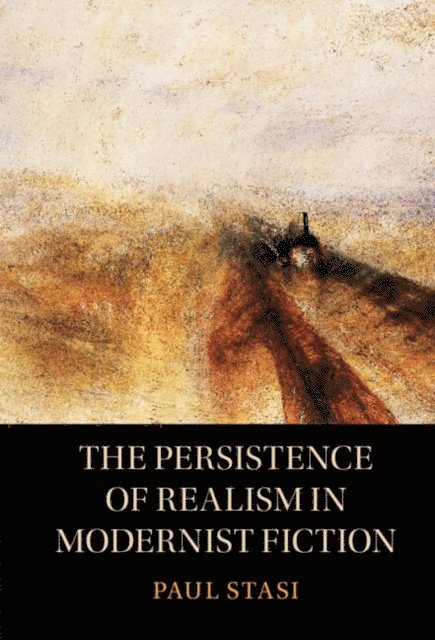
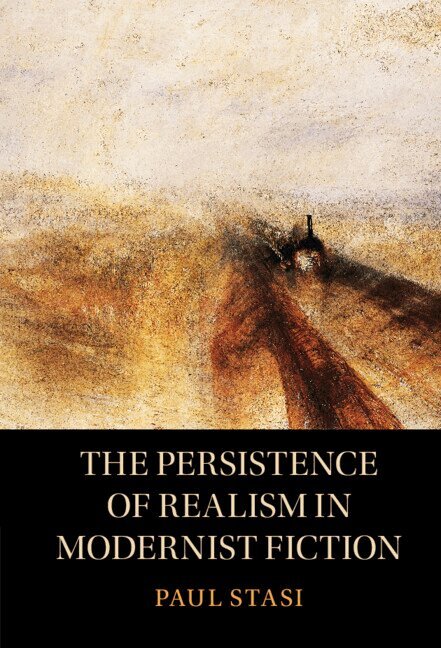
Form vs. content, aesthetics vs. politics, modernism vs. realism: these entrenched binaries tend to structure work in early 20th century literary studies even among scholars who seek to undo them. The Persistence of Realism demonstrates how realism's defining concerns - sympathy, class, social determination - animate the work of Henry James, James Joyce, Virginia Woolf, Samuel Beckett and Ralph Ellison. In contrast to the oft-told tale of an aesthetically rich modernism overthrowing realism's social commitments along with its formal structures, Stasi shows how these writers engaged with realism in concrete ways. The domestic novel, naturalist fiction, novels of sentiment, and industrial tales are realist structures that modernist fiction simultaneously preserves and subverts. Putting modernist writers in conversation with the realism that preceded them, The Persistence of Realism demonstrates how modernism's social concerns are inseparable from its formal ones.
356 kr
Skickas inom 7-10 vardagar
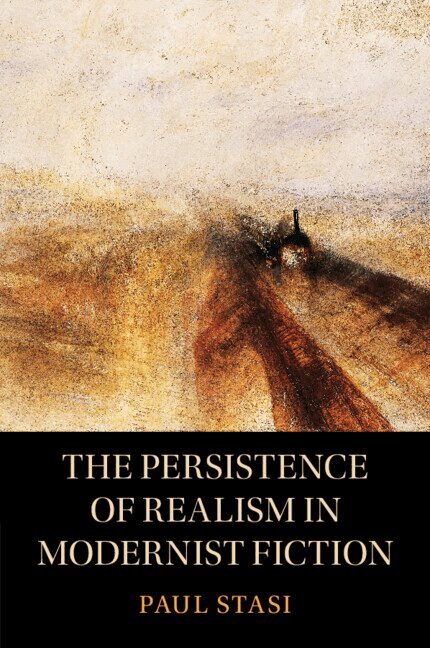
Form vs. content, aesthetics vs. politics, modernism vs. realism: these entrenched binaries tend to structure work in early 20th century literary studies even among scholars who seek to undo them. The Persistence of Realism demonstrates how realism's defining concerns - sympathy, class, social determination - animate the work of Henry James, James Joyce, Virginia Woolf, Samuel Beckett and Ralph Ellison. In contrast to the oft-told tale of an aesthetically rich modernism overthrowing realism's social commitments along with its formal structures, Stasi shows how these writers engaged with realism in concrete ways. The domestic novel, naturalist fiction, novels of sentiment, and industrial tales are realist structures that modernist fiction simultaneously preserves and subverts. Putting modernist writers in conversation with the realism that preceded them, The Persistence of Realism demonstrates how modernism's social concerns are inseparable from its formal ones.
1 411 kr
Skickas inom 7-10 vardagar
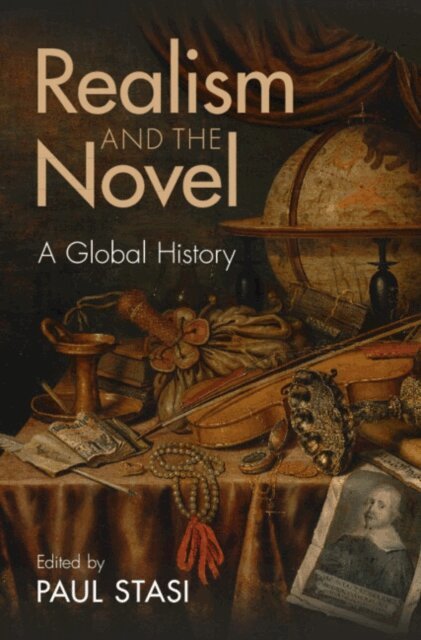
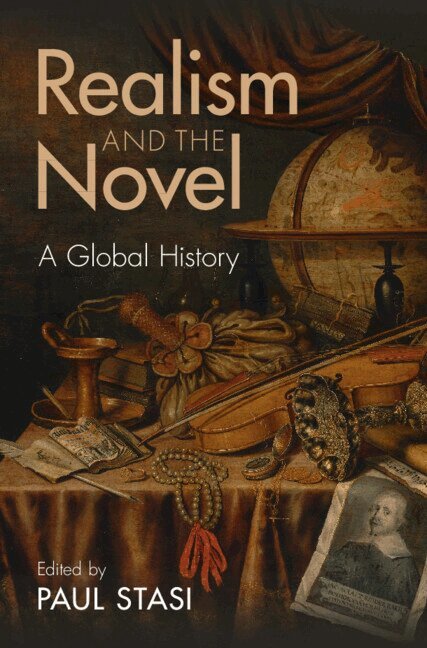
Realism and the Novel combines arguments about realism's emergence in the European eighteenth and nineteenth centuries with essays on its persistence throughout the world and into the twentieth and twenty-first centuries. Moving away from a diffusionist account of culture - one where the realist novel is understood to have an autonomous national development in the West that then spreads across the globe - Realism and the Novel focuses, instead, on the ways the relationship between center and periphery informs both realism's origins and its continued relevance. At the same time, this collection takes seriously the semi-autonomy of literary form; the realist inheritance is not only an imposition. Rather, in its multiple incarnations, the realist novel has shown itself to be an exceptionally varied and multi-faceted form for representing the disparate social worlds of imperial modernity.
296 kr
Skickas inom 7-10 vardagar
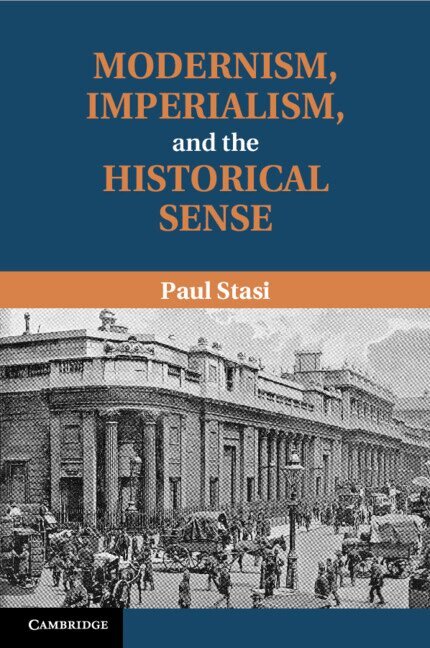
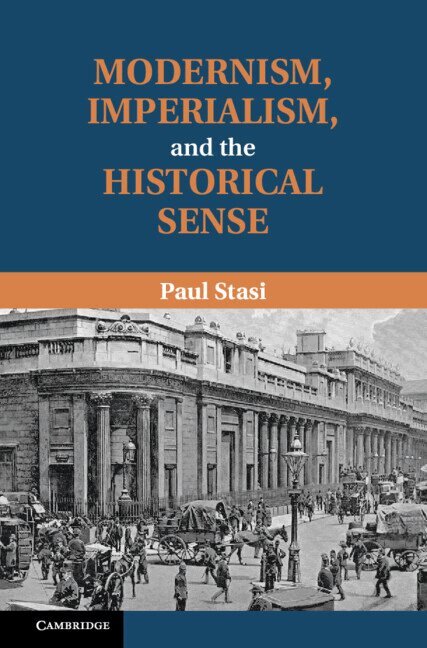
Modernist art and literature sought to engage with the ideas of different cultures without eradicating the differences between them. In Modernism, Imperialism and the Historical Sense, Paul Stasi explores the relationship between high modernist aesthetic forms and structures of empire in the twentieth century. Stasi's text offers new readings of James Joyce, Ezra Pound, T. S. Eliot and Virginia Woolf by situating their work within an early moment of globalization. By combining the insights of Marxist historiography, aesthetic theory and postcolonial criticism, Stasi's careful analysis reveals how these authors' aesthetic forms responded to, and helped shape, their unique historical moment. Written with a wide readership in mind, this book will appeal especially to scholars of British and American literature as well as students of literary criticism and postcolonial studies.
1 431 kr
Skickas inom 7-10 vardagar
Modernist art and literature sought to engage with the ideas of different cultures without eradicating the differences between them. In Modernism, Imperialism and the Historical Sense, Paul Stasi explores the relationship between high modernist aesthetic forms and structures of empire in the twentieth century. Stasi's text offers new readings of James Joyce, Ezra Pound, T. S. Eliot and Virginia Woolf by situating their work within an early moment of globalization. By combining the insights of Marxist historiography, aesthetic theory and postcolonial criticism, Stasi's careful analysis reveals how these authors' aesthetic forms responded to, and helped shape, their unique historical moment. Written with a wide readership in mind, this book will appeal especially to scholars of British and American literature as well as students of literary criticism and postcolonial studies.
488 kr
Skickas inom 10-15 vardagar
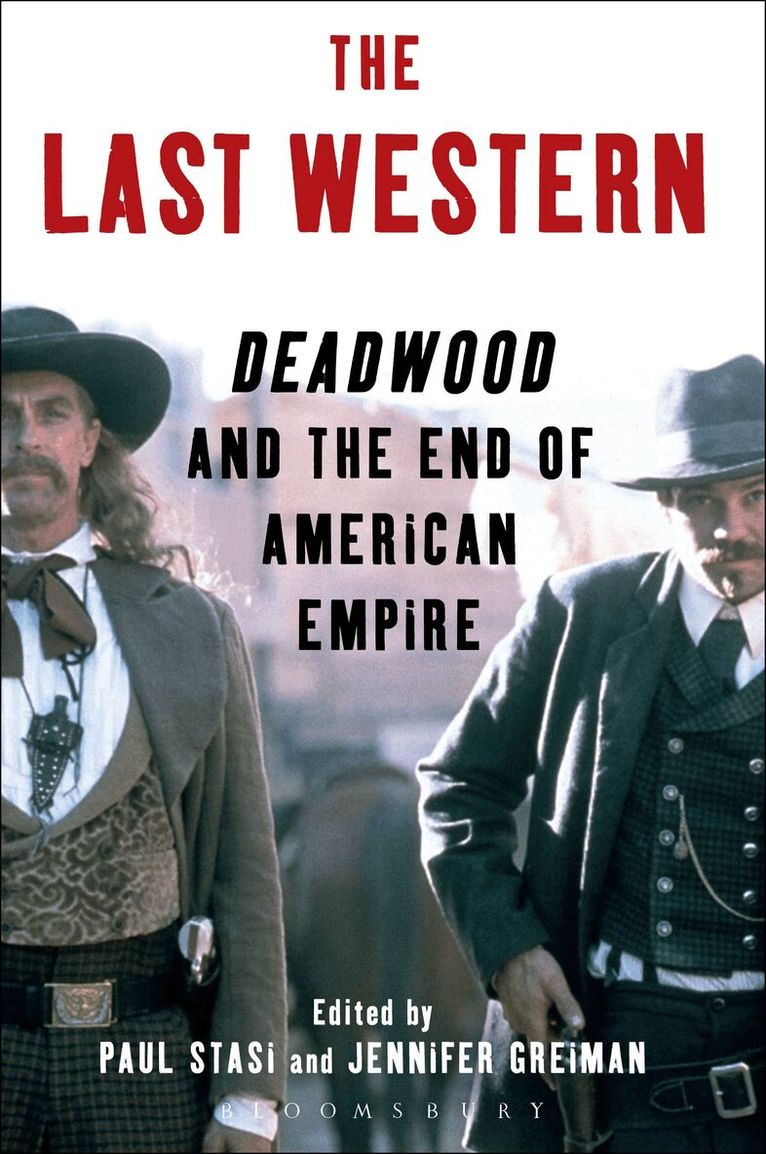
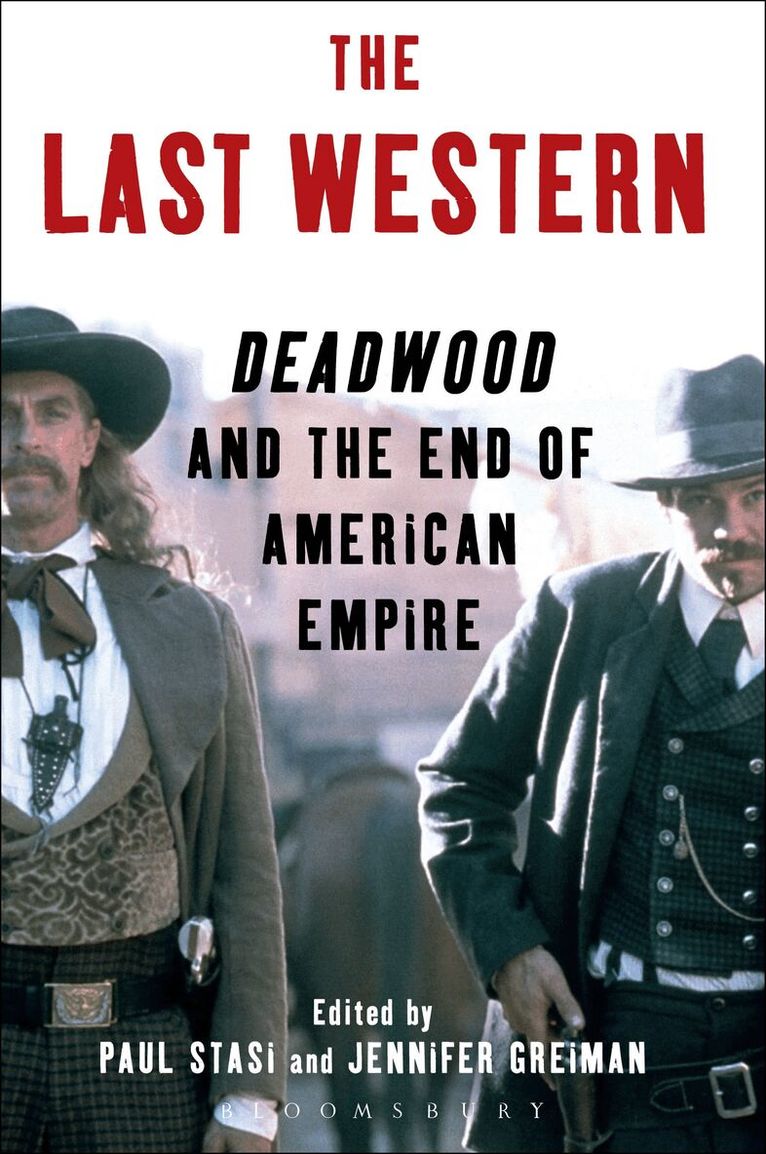
Perhaps the most sophisticated and complex of shows in HBO's recent history, Deadwood has surprisingly little coverage in our current scholarship. Grounding contemporary anxieties about race and class, domesticity and American exceptionalism in its nineteenth-century setting, Deadwood revises our understanding of a formative period for the American nation through a re-examination of one of the main genres through which this national story has been transmitted: the Western. With contributions from scholars in American studies, literature, and film and television studies, The Last Western situates Deadwood in the context of both its nineteenth-century setting and its twenty-first-century audience. Together, these essays argue for the series as a provocative meditation on both the state and historical formation of U.S. empire, examining its treatment of sovereign power and political legitimacy, capital accumulation and dispossession, racial and gender identities, and social and family structures, while attending to the series' peculiar and evocative aesthetic forms. What emerges from this collection is the impressive range of Deadwood's often contradictory engagement with both nineteenth and twenty-first century America.
1 833 kr
Skickas inom 10-15 vardagar
Perhaps the most sophisticated and complex of shows in HBO's recent history, Deadwood has surprisingly little coverage in our current scholarship. Grounding contemporary anxieties about race and class, domesticity and American exceptionalism in its nineteenth-century setting, Deadwood revises our understanding of a formative period for the American nation through a re-examination of one of the main genres through which this national story has been transmitted: the Western. With contributions from scholars in American studies, literature, and film and television studies, The Last Western situates Deadwood in the context of both its nineteenth-century setting and its twenty-first-century audience. Together, these essays argue for the series as a provocative meditation on both the state and historical formation of U.S. empire, examining its treatment of sovereign power and political legitimacy, capital accumulation and dispossession, racial and gender identities, and social and family structures, while attending to the series' peculiar and evocative aesthetic forms. What emerges from this collection is the impressive range of Deadwood's often contradictory engagement with both nineteenth and twenty-first century America.
2 108 kr
Skickas inom 10-15 vardagar
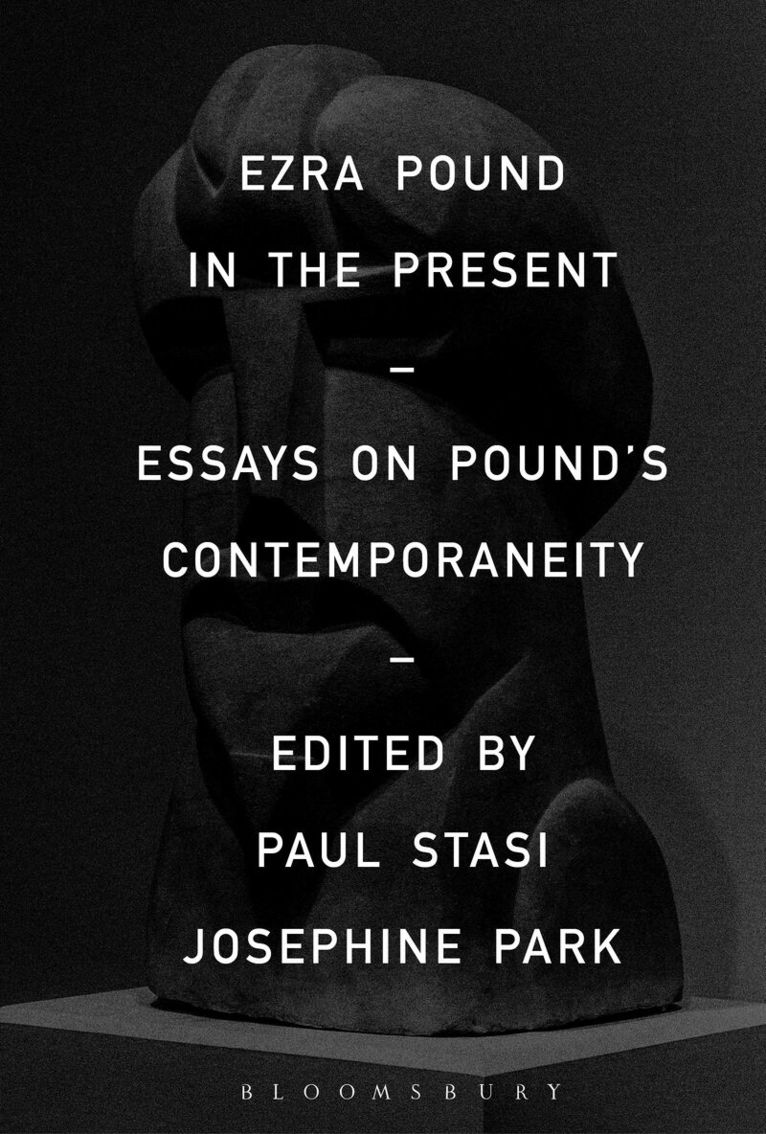
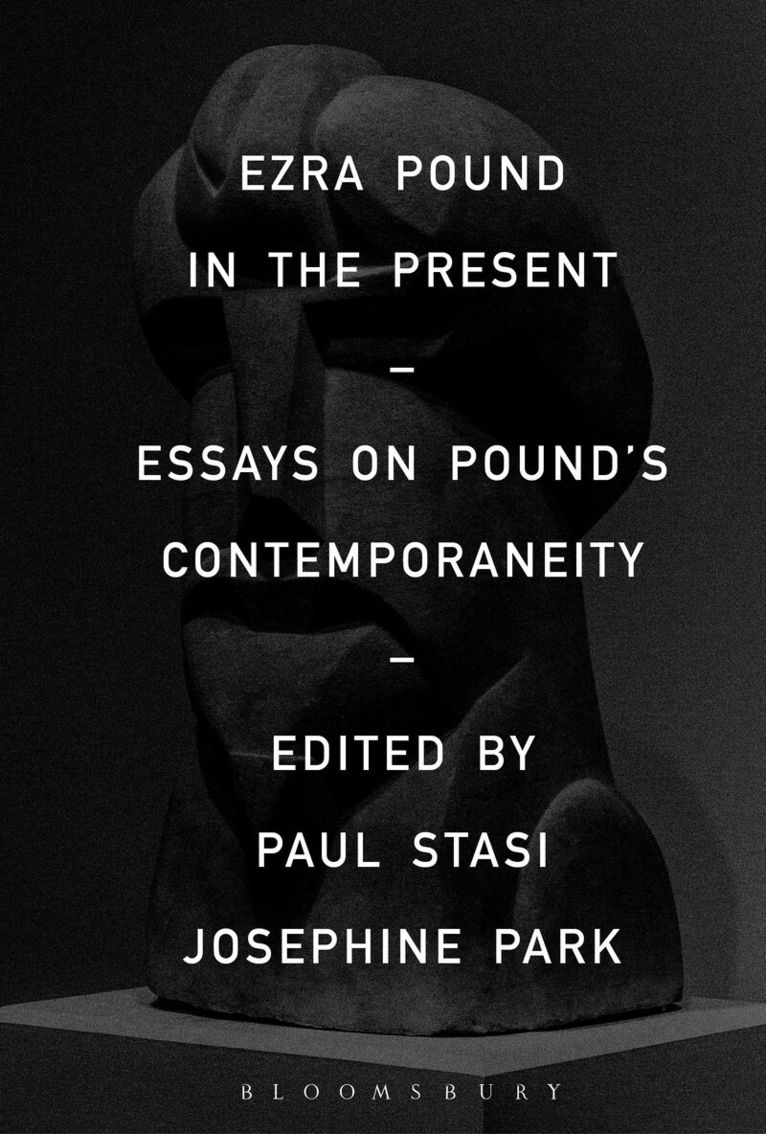
Was Ezra Pound the first theorist of world literature? Or did he inaugurate a form of comparative literature that could save the discipline from its untimely demise? Would he have welcomed the 2008 financial crisis? What might he say about America's economic dependence on China? Would he have been appalled at the rise of the “digital humanities,” or found it amenable to his own quasi-social scientific views about the role of literature in society? What, if anything, would he find to value in today's economic and aesthetic discourses? Ezra Pound in the Present collects new essays by prominent scholars of modernist poetics to engage the relevance of Pound’s work for our times, testing whether his literature was, as he hoped it would be, “news that stays news.”
561 kr
Skickas inom 10-15 vardagar
Was Ezra Pound the first theorist of world literature? Or did he inaugurate a form of comparative literature that could save the discipline from its untimely demise? Would he have welcomed the 2008 financial crisis? What might he say about America's economic dependence on China? Would he have been appalled at the rise of the “digital humanities,” or found it amenable to his own quasi-social scientific views about the role of literature in society? What, if anything, would he find to value in today's economic and aesthetic discourses? Ezra Pound in the Present collects new essays by prominent scholars of modernist poetics to engage the relevance of Pound’s work for our times, testing whether his literature was, as he hoped it would be, “news that stays news.”
1 209 kr
Skickas inom 10-15 vardagar
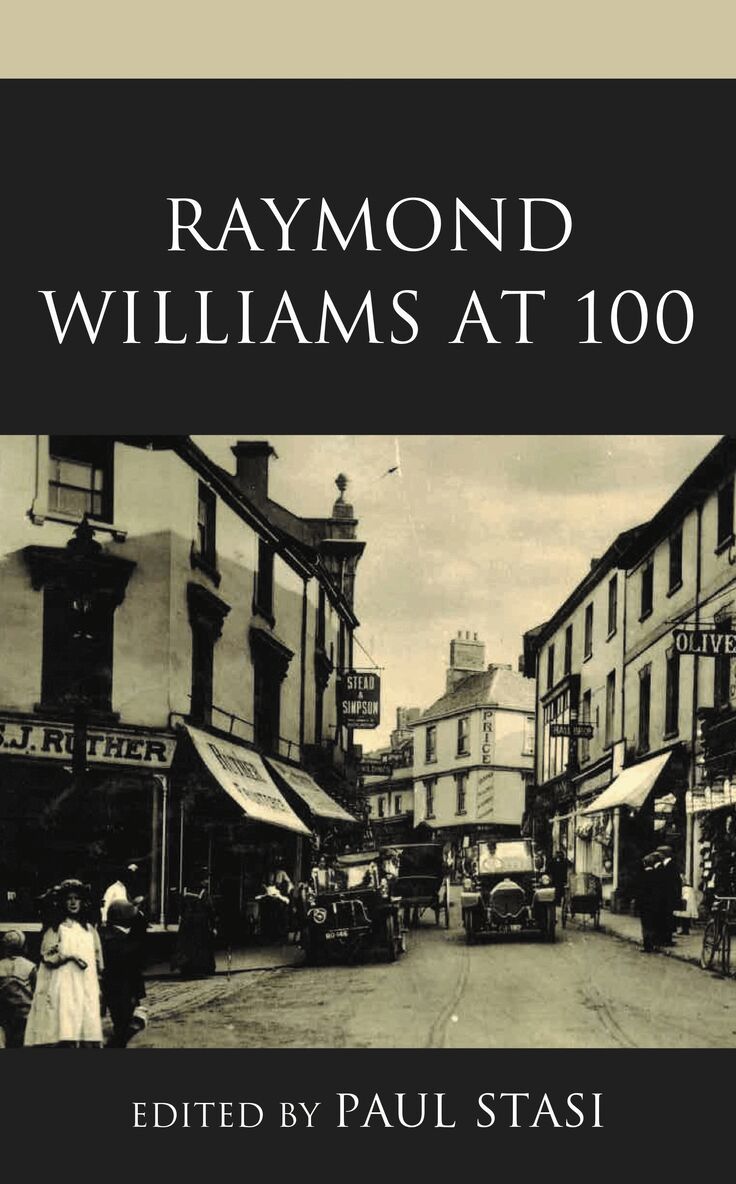
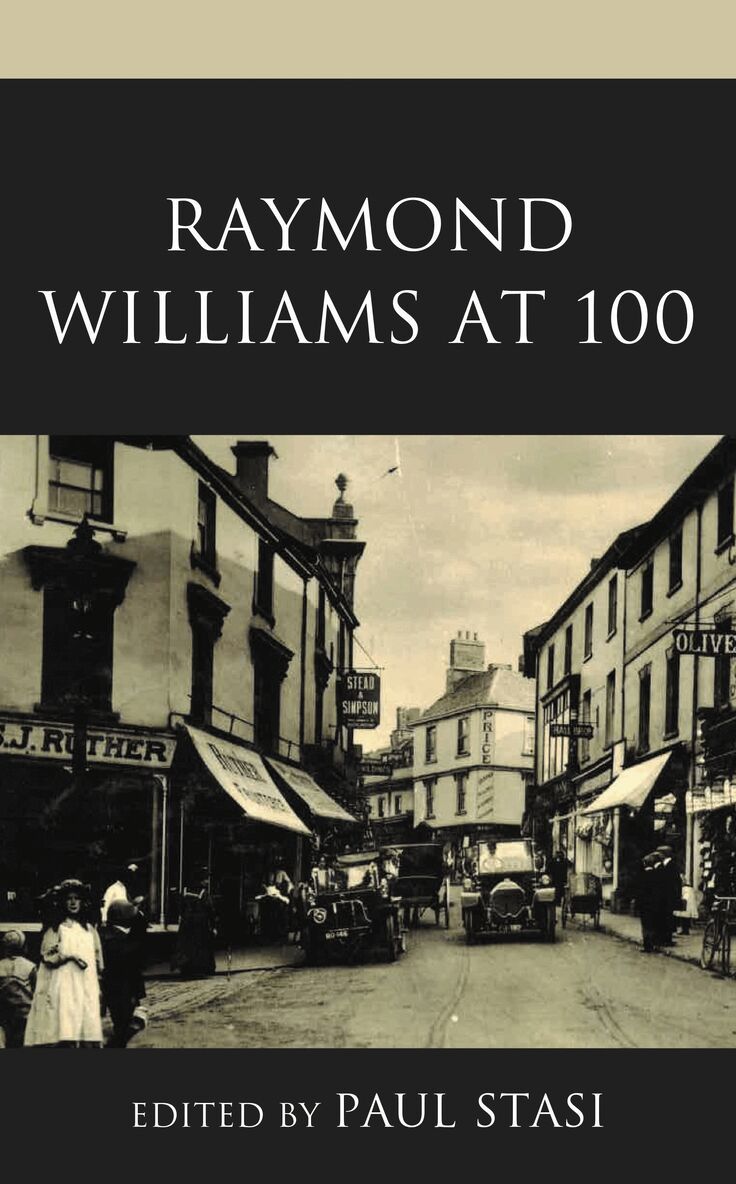
Raymond Williams was “by common consent” one of the “two most commanding intellectual figures in the New Left that emerged in Britain at the turn of the sixties,” the other being Edward Thompson. Williams published in 1961 a text entitled “The Future of Marxism.” In that essay, Williams has some remarkable things to say about imperialism, the successes of actually existing socialism, balanced against its failures, and the continued relevance of socialism as the horizon of human liberation. He also makes a characteristic methodological point: “the relation between systems of thought and actual history is both complex and surprising.” The future of Marxism, that is to say, will not depend on dogma, but will instead rest on historical developments, on how well are able to actualize Marx’s ideals in our own unique conjuncture. This volume takes up the challenge of reading and extending Williams’s thought in light of the actual history that has occurred since his passing but with the same ideal of socialism as its guiding horizon. If there is one thread visible throughout all of Williams’s work, it is the felt presence of a living, thinking individual, of a person continually testing ideas in experience in order to see whether they fit the world they are meant to describe. The aim of this volume, timed to coincide with what would have been Williams’s 100th birthday, is to test his ideas in our own experience and to engage Williams’s work in ways that move past the familiar terrain that has grown around it. We now know that “experience” is a dangerous category, that “community” can be hijacked by the right as much as the left, and that “tradition” contains as much conflict as commonality. Those committed to Williams’s work can easily find textual arguments or developments across his career to answer these charges, and they have. What our volume offers is a set of arguments by younger scholars influenced by Williams’s writings that moves past some of these debates, extending Williams’s work into the 21st century, testing and weighing his ideas in light of recent developments and contemporary intellectual culture. In doing so, we treat Williams’s thought as one of those “resources of hope,” which he famously suggested would sustain us.At a time of deepening inequality and austerity and growing rightward reaction, and yet simultaneously, and with seeming dialectical necessity, a renewed investment in socialism, Williams might be exactly the kind of figure we need.
434 kr
Skickas inom 10-15 vardagar
Raymond Williams was “by common consent” one of the “two most commanding intellectual figures in the New Left that emerged in Britain at the turn of the sixties,” the other being Edward Thompson. Williams published in 1961 a text entitled “The Future of Marxism.” In that essay, Williams has some remarkable things to say about imperialism, the successes of actually existing socialism, balanced against its failures, and the continued relevance of socialism as the horizon of human liberation. He also makes a characteristic methodological point: “the relation between systems of thought and actual history is both complex and surprising.” The future of Marxism, that is to say, will not depend on dogma, but will instead rest on historical developments, on how well are able to actualize Marx’s ideals in our own unique conjuncture. This volume takes up the challenge of reading and extending Williams’s thought in light of the actual history that has occurred since his passing but with the same ideal of socialism as its guiding horizon. If there is one thread visible throughout all of Williams’s work, it is the felt presence of a living, thinking individual, of a person continually testing ideas in experience in order to see whether they fit the world they are meant to describe. The aim of this volume, timed to coincide with what would have been Williams’s 100th birthday, is to test his ideas in our own experience and to engage Williams’s work in ways that move past the familiar terrain that has grown around it. We now know that “experience” is a dangerous category, that “community” can be hijacked by the right as much as the left, and that “tradition” contains as much conflict as commonality. Those committed to Williams’s work can easily find textual arguments or developments across his career to answer these charges, and they have. What our volume offers is a set of arguments by younger scholars influenced by Williams’s writings that moves past some of these debates, extending Williams’s work into the 21st century, testing and weighing his ideas in light of recent developments and contemporary intellectual culture. In doing so, we treat Williams’s thought as one of those “resources of hope,” which he famously suggested would sustain us.At a time of deepening inequality and austerity and growing rightward reaction, and yet simultaneously, and with seeming dialectical necessity, a renewed investment in socialism, Williams might be exactly the kind of figure we need.