Peter S. Wells – författare
Visar alla böcker från författaren Peter S. Wells. Handla med fri frakt och snabb leverans.
14 produkter
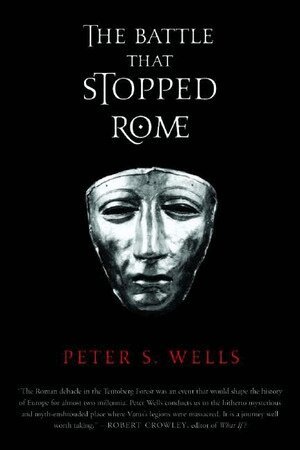
Battle That Stopped Rome
Emperor Augustus, Arminius, and the Slaughter of the Legions in the Teutoburg Forest
Häftad, 2004
200 kr
Lägg i varukorg
In AD 9, a Roman traitor led an army of barbarians who trapped and then slaughtered three entire Roman legions: 20,000 men, half the Roman army in Europe. If not for this battle, the Roman Empire would surely have expanded to the Elbe River, and probably eastward into present-day Russia. But after …
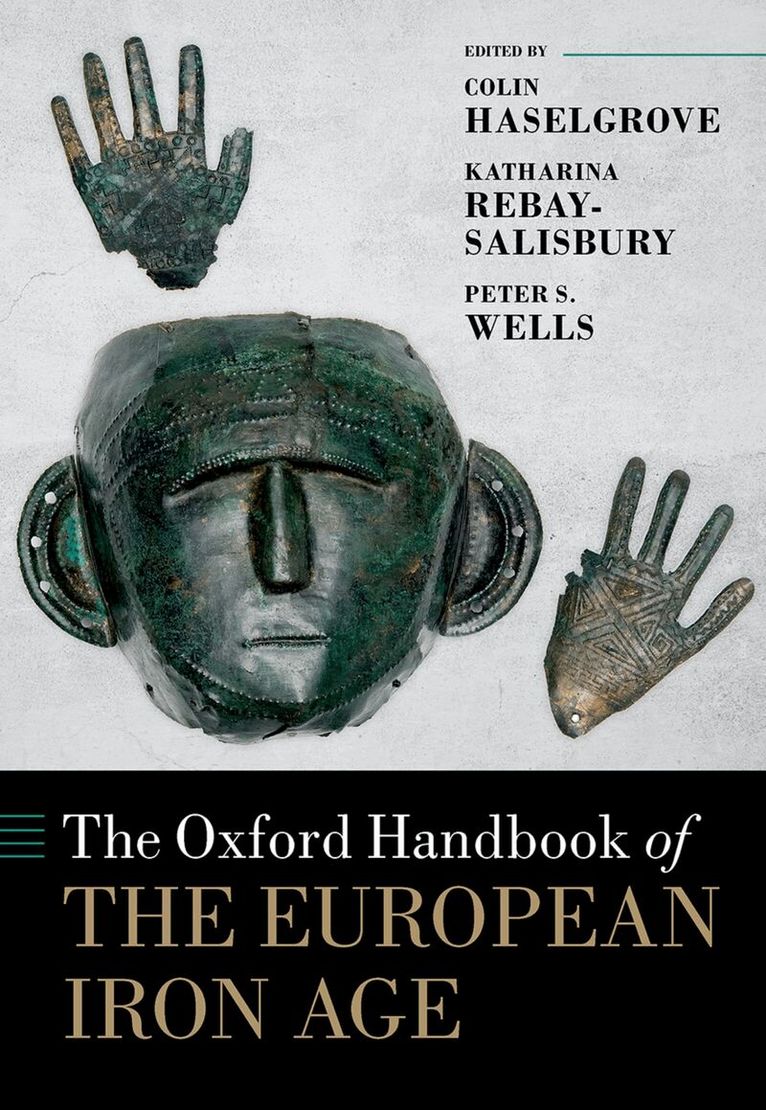
The Oxford Handbook of the European Iron Age
Av Colin Haselgrove, Katharina Rebay-Salisbury m. fl.
Inbunden, 2023
3291 kr
Lägg i varukorg
The Oxford Handbook of the European Iron Age presents a broad overview of current understanding of the archaeology of Europe from 1000 BC through to the early historic periods, exploiting the large quantities of new evidence yielded by the upsurge in archaeological research and excavation on this …
Oxford Handbook of the European Iron Age
Av Peter S. Wells, Katharina Rebay-Salisbury m. fl.
E-bok, 2023
2643 kr
Lägg i varukorg
The Oxford Handbook of the European Iron Age presents a broad overview of current understanding of the archaeology of Europe from 1000 BC through to the early historic periods, exploiting the large quantities of new evidence yielded by the upsurge in archaeological research and excavation on this …
Oxford Handbook of the European Iron Age
Av Peter S. Wells, Katharina Rebay-Salisbury m. fl.
E-bok, 2023
2643 kr
Lägg i varukorg
The Oxford Handbook of the European Iron Age presents a broad overview of current understanding of the archaeology of Europe from 1000 BC through to the early historic periods, exploiting the large quantities of new evidence yielded by the upsurge in archaeological research and excavation on this …
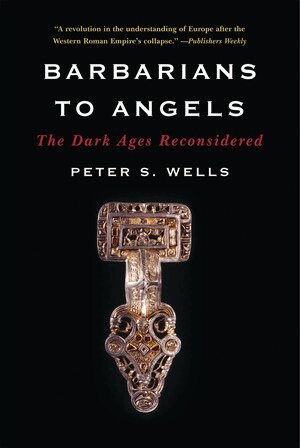
Barbarians to Angels
The Dark Ages Reconsidered
Häftad, 2009
287 kr
Lägg i varukorg
The barbarians who destroyed the glory that was Rome demolished civilization along with it, and for the next four centuries the peasants and artisans of Europe barely held on. Random violence, mass migration, disease, and starvation were the only ways of life. This is the picture of the Dark Ages …
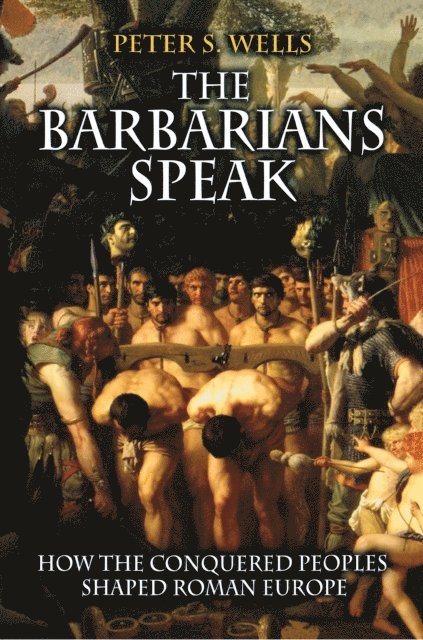
Barbarians Speak
How the Conquered Peoples Shaped Roman Europe
Häftad, 2001
803 kr
Lägg i varukorg
The Barbarians Speak re-creates the story of Europe's indigenous people who were nearly stricken from historical memory even as they adopted and transformed aspects of Roman culture. The Celts and Germans inhabiting temperate Europe before the arrival of the Romans left no written record of their …
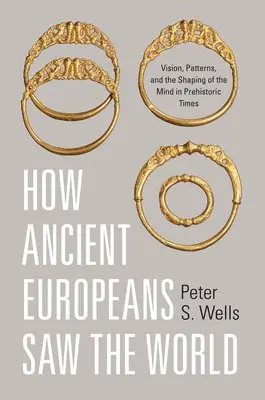
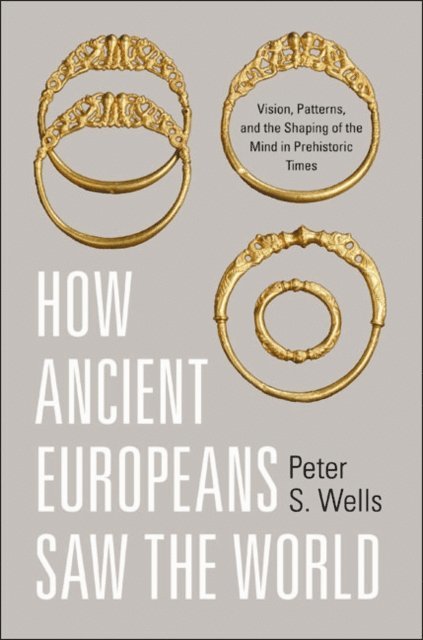
How Ancient Europeans Saw the World
Vision, Patterns, and the Shaping of the Mind in Prehistoric Times
Inbunden, 2012
494 kr
Lägg i varukorg
The peoples who inhabited Europe during the two millennia before the Roman conquests had established urban centers, large-scale production of goods such as pottery and iron tools, a money economy, and elaborate rituals and ceremonies. Yet as Peter Wells argues here, the visual world of these late …
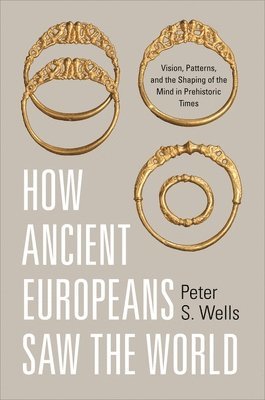
How Ancient Europeans Saw the World
Vision, Patterns, and the Shaping of the Mind in Prehistoric Times
Häftad, 2015
272 kr
Lägg i varukorg
The peoples who inhabited Europe during the two millennia before the Roman conquests had established urban centers, large-scale production of goods such as pottery and iron tools, a money economy, and elaborate rituals and ceremonies. Yet as Peter Wells argues here, the visual world of these late …
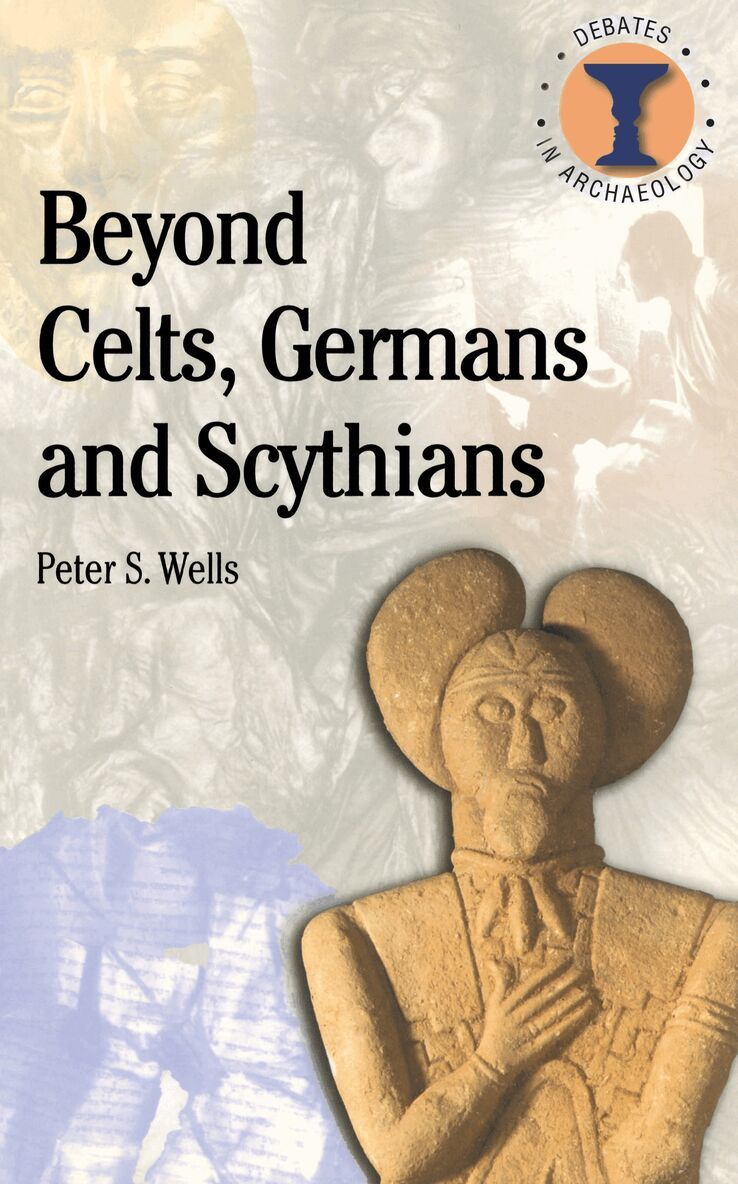
Beyond Celts, Germans and Scythians
Archaeology and Identity in Iron Age Europe
Av Peter S. Wells, Richard Hodges
Häftad, 2001
400 kr
Lägg i varukorg
Who were the Iron Age peoples of Europe? Celts, Germans, Scythians and others are among the names that come to mind. But such names, and the characteristics associated with them, come to us from outside observers - Greek and Roman writers - not from the native peoples themselves. To understand how …
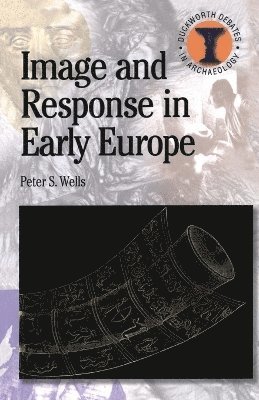
Image and Response in Early Europe
Av Peter S. Wells, Richard Hodges
Häftad, 2008
400 kr
Lägg i varukorg
Did people in the Iron Age see their bronze figurines and sculpted stones differently from the way we see them today? How can we approach the problem of determining how they saw things? How different was their experience viewing these objects in the course of their use, from ours as we look at them …
Barbarians Speak
How the Conquered Peoples Shaped Roman Europe
E-bok, 2021
571 kr
Lägg i varukorg
The Barbarians Speak re-creates the story of Europe''s indigenous people who were nearly stricken from historical memory even as they adopted and transformed aspects of Roman culture. The Celts and Germans inhabiting temperate Europe before the arrival of the Romans left no written record of their …
How Ancient Europeans Saw the World
Vision, Patterns, and the Shaping of the Mind in Prehistoric Times
E-bok, 2012
368 kr
Lägg i varukorg
A revolutionary approach to how we view Europe''s prehistoric culture The peoples who inhabited Europe during the two millennia before the Roman conquests had established urban centers, large-scale production of goods such as pottery and iron tools, a money economy, and elaborate rituals and …
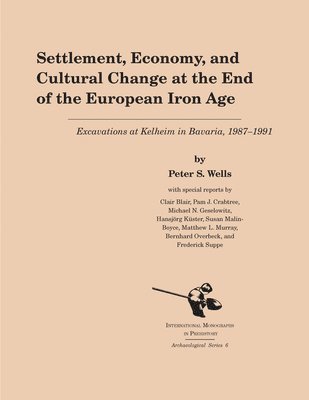
Settlement, Economy, and Cultural Change at the End of the European Iron Age
Excavations at Kelheim in Bavaria, 1987-1992
Häftad, 1993
910 kr
Lägg i varukorg
This volume presents preliminary results of excavation at the Late Iron Age oppidum settlement of Kelheim. The volume is divided into four main sections. The first explains the reasons for investigations at Kelheim. The second presents the results of the excavations, regarding both settlement …
Settlement, Economy, and Cultural Change at the End of the European Iron Age
Excavations at Kelheim in Bavaria, 1987-1992
Inbunden, 1993
2401 kr
Lägg i varukorg
This volume presents preliminary results of excavation at the Late Iron Age oppidum settlement of Kelheim. The volume is divided into four main sections. The first explains the reasons for investigations at Kelheim. The second presents the results of the excavations, regarding both settlement …