• Fri frakt över 249 kr
  • •
  • Snabba leveranser
  • •
  • Billiga böcker
Kundservice

Du är på sajten för privatpersoner.

Företag, bibliotek eller offentlig verksamhet?

Du handlar på classic.bokus.com, där alla dina funktioner finns intakta.
Till classic.bokus.com
Bokus logotyp. Gå till startsidan.
  • Erbjudanden
  • Nyheter
  • Student
  • Topplistor
  • Barn & ungdom
  • Bokus Play
  • E-böcker
  • Pocketböcker
  • Spel & pussel

10% rabatt på allt med kod: NYSTART10 →

Sidfot

Mina sidor

    Hjälp

    • Kundservice
    • Vanliga frågor och svar
    • Frakt och leverans
    • Retur vid ångerrätt
    • Reklamera vara
    • Betalning
    • Köpvillkor
    • Allmänna villkor
    • Information om webbplatsens tillgänglighet

    Om Bokus

    • Om oss
    • Pressrum
    • För studenter
    • För företag
    • För bibliotek och offentlig verksamhet
    • För leverantörer
    • Hållbarhet

    Populärt

    • Aktuella erbjudanden
    • Presentkort
    • Studentlitteratur
    • Nya böcker
    • Topplistor
    • Signerade böcker
    • Engelska böcker

    Inspiration

    • Boktips
    • BookTok
    • Populära bokserier
    • Barnbokskaraktärer
    • Populära författare
    Logotyp för Bokus
    Följ oss på Facebook (extern länk)Följ oss på Instagram (extern länk)Följ oss på YouTube (extern länk)Följ oss på TikTok (extern länk)
    bokus @ CookiesAnpassa cookiesIntegritetspolicyKöpvillkor
    Till Citymail hemsida (extern länk)Till Budbee hemsida (extern länk)Till Postnord hemsida (extern länk)Till Schenker hemsida (extern länk)Till Early Bird hemsida (extern länk)Till Walleys hemsida (extern länk)
    1. Historia och arkeologi
    2. Arkeologi
    3. Arkeologiska perioder och områden

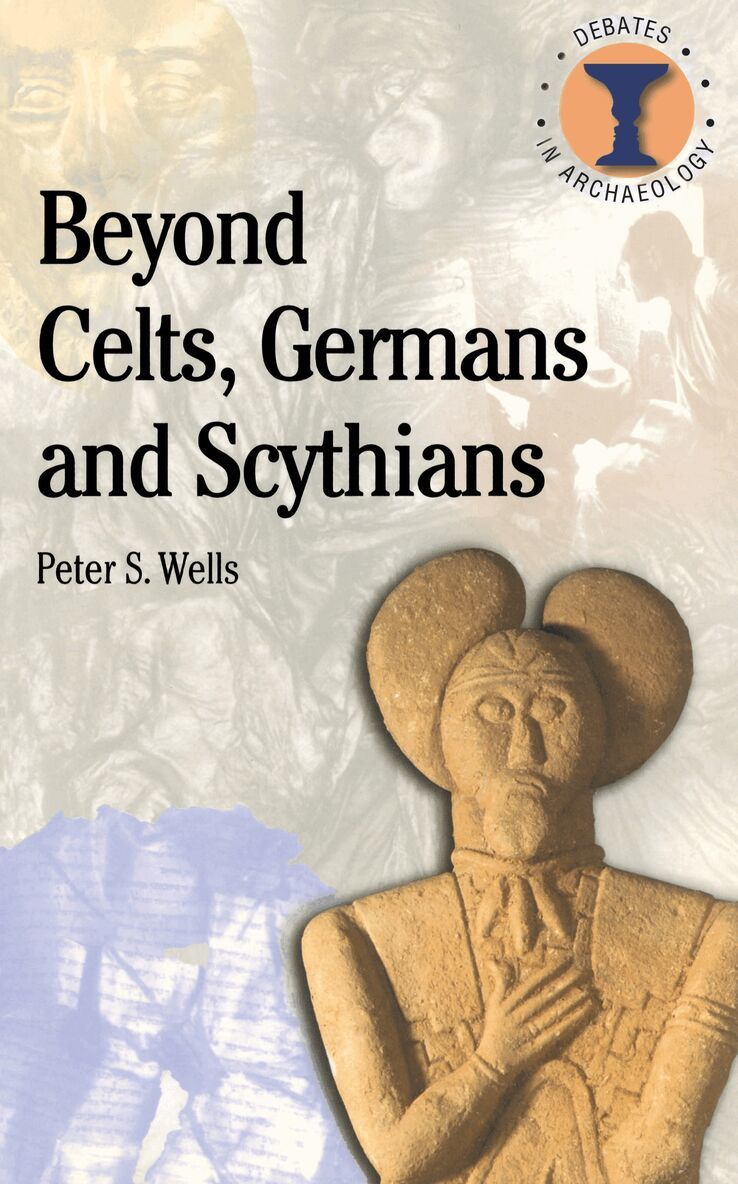
    Beyond Celts, Germans and Scythians

    Archaeology and Identity in Iron Age Europe

    AvPeter S. Wells,Richard Hodges

    Häftad, Engelska, 2001

    Del i serien Debates in Archaeology

    393 kr

    Beställningsvara. Skickas inom 10-15 vardagar. Fri frakt över 249 kr.

    Beskrivning

    Who were the Iron Age peoples of Europe? Celts, Germans, Scythians and others are among the names that come to mind. But such names, and the characteristics associated with them, come to us from outside observers - Greek and Roman writers - not from the native peoples themselves. To understand how late prehistoric groups constructed and expressed their identities, we need to examine the rich archaeological evidence left by Iron Age Europeans themselves. Recent theoretical and methodological advances in anthropology, archaeology and history, together with results of archaeological research all over Europe, provide the basis for a new approach to the problem of the identities of Iron Age peoples. Peter Wells uses patterns of identity revealed in the archaeology to interpret the commentaries of Greek and Roman authors who conveyed their own perceptions of these non-literate groups. Finally, he examines ways in which Iron Age Europeans responded to the Greek and Roman representations of them. The result was an ever-changing mosaic of complex and dynamic identities among the diverse peoples of Late Iron Age Europe.

    Produktinformation

    • Utgivningsdatum:2001-07-12
    • Mått:146 x 226 x 12 mm
    • Vikt:204 g
    • Format:Häftad
    • Språk:Engelska
    • Serie:Debates in Archaeology
    • Antal sidor:176
    • Förlag:Bloomsbury Publishing PLC
    • ISBN:9780715630365

    Utforska kategorier

    • Arkeologiska perioder och områden inom Historia och arkeologi
    • Europas historia inom Historia och arkeologi
    • Forntidens historia inom Historia och arkeologi

    Mer om författaren

    Peter S. Wells is Professor of Anthropology at the University of Minnesota. He is the author of several books, including Settlement, Economy, and Cultural Change at the End of the European Iron Age (1993) and The Barbarians Speak: How the Conquered Peoples Shaped Roman Europe (1999).

    Innehållsförteckning

    • Preface Acknowledgments List of Figures 1. Identity and the Archaeology of the Iron Age 2. Changing Identities in Early Iron Age Europe 3. Creating Interregional Identities 4. Representations of the Other: First Texts 5. Territoriality and Identity in the Late Iron Age Landscape 6. Outsiders’ Views: Roman and Greek Representations 7. Responding to Representation 8. Afterthoughts Bibliographic EssayWorks Cited Index