Pheng Cheah – författare
Visar alla böcker från författaren Pheng Cheah. Handla med fri frakt och snabb leverans.
21 produkter
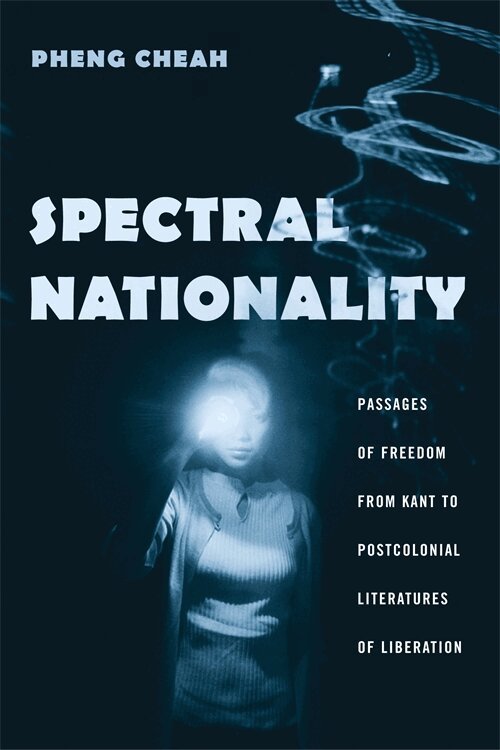
Spectral Nationality
Passages of Freedom from Kant to Postcolonial Literatures of Liberation
Av Pheng Cheah
Inbunden, 2003
2533 kr
Lägg i varukorg
This far-ranging and ambitious attempt to rethink postcolonial theory's discussion of the nation and nationalism brings the problems of the postcolonial condition to bear on the philosophy of freedom. Closely identified with totalitarianism and fundamentalism, the nation-state has a tainted history …
Spectral Nationality
Passages of Freedom from Kant to Postcolonial Literatures of Liberation
Av Pheng Cheah
Häftad, 2003
694 kr
Lägg i varukorg
This far-ranging and ambitious attempt to rethink postcolonial theory's discussion of the nation and nationalism brings the problems of the postcolonial condition to bear on the philosophy of freedom. Closely identified with totalitarianism and fundamentalism, the nation-state has a tainted history …
Spectral Nationality
Passages of Freedom from Kant to Postcolonial Literatures of Liberation
Av Pheng Cheah
E-bok, 2003
530 kr
Lägg i varukorg
This far-ranging and ambitious attempt to rethink postcolonial theory''s discussion of the nation and nationalism brings the problems of the postcolonial condition to bear on the philosophy of freedom. Closely identified with totalitarianism and fundamentalism, the nation-state has a tainted …
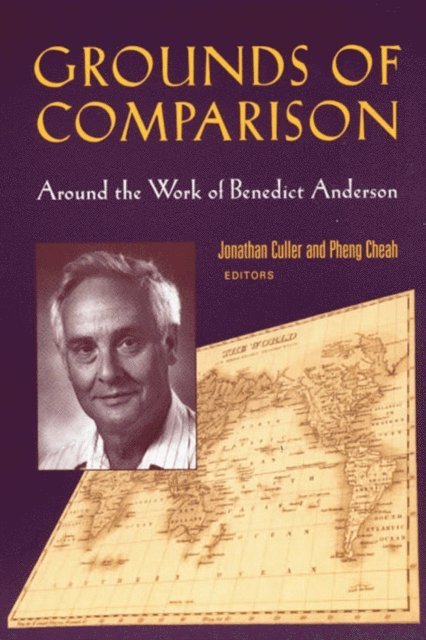
Grounds of Comparison
Around the Work of Benedict Anderson
Av Pheng Cheah, Jonathan Culler
Inbunden, 2003
2687 kr
Lägg i varukorg
Benedict Anderson, professor at Cornell and specialist in Southeast Asian studies, is best known for his book Imagined Communities: Reflections on the Origin and Spread of Nationalism (1991). It is no understatement to say that this is one of the most influential books of the last twenty years. …
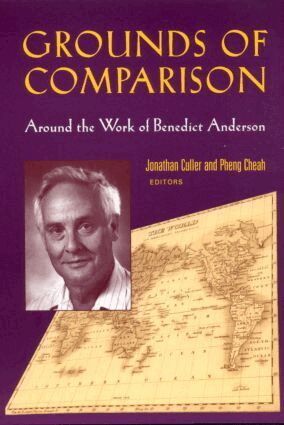
Grounds of Comparison
Around the Work of Benedict Anderson
Av Pheng Cheah, Jonathan Culler
Häftad, 2003
651 kr
Lägg i varukorg
Benedict Anderson, professor at Cornell and specialist in Southeast Asian studies, is best known for his book Imagined Communities: Reflections on the Origin and Spread of Nationalism (1991). It is no understatement to say that this is one of the most influential books of the last twenty years. …
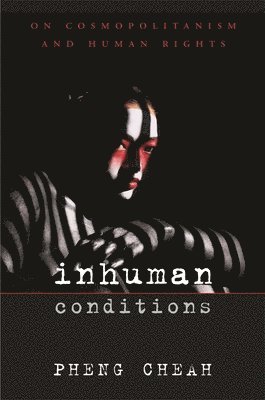
Inhuman Conditions
On Cosmopolitanism and Human Rights
Av Pheng Cheah
Häftad, 2007
408 kr
Lägg i varukorg
Globalization promises to bring people around the world together, to unite them as members of the human community. To such sanguine expectations, Pheng Cheah responds deftly with a sobering account of how the "inhuman" imperatives of capitalism and technology are transforming our understanding of …
Heavenly Serbia
From Myth to Genocide
Av Branimir Anzulovic, Pheng Cheah
Inbunden, 1999
1696 kr
Lägg i varukorg
As violence and turmoil continue to define the former Yugoslavia, basic questions remain unanswered: What are the forces behind the Serbian expansionist drive that has brought death and destruction to Croatia, Bosnia and Herzegovina, and Kosovo? How did the Serbs rationalize, and rally support for, …
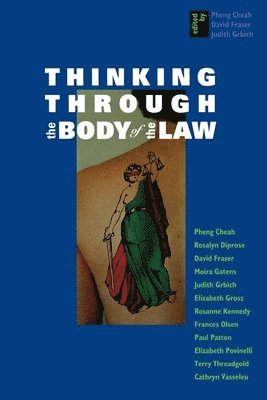
Thinking Through the Body of the Law
Av Pheng Cheah, David Fraser m. fl.
Inbunden, 1996
1334 kr
Lägg i varukorg
The body of the law is an ambiguous phrase. Conventionally, it designates the law as a determinate corpus; legal codes, statutes, and the rulings of common law. But it can also refer to the subjected body that is produced by and is part of the law. This subjected body is necessary for the law's …
Thinking Through the Body of the Law
Av Pheng Cheah, David Fraser m. fl.
Häftad, 1996
452 kr
Lägg i varukorg
The body of the law is an ambiguous phrase. Conventionally, it designates the law as a determinate corpus; legal codes, statutes, and the rulings of common law. But it can also refer to the subjected body that is produced by and is part of the law. This subjected body is necessary for the law's …
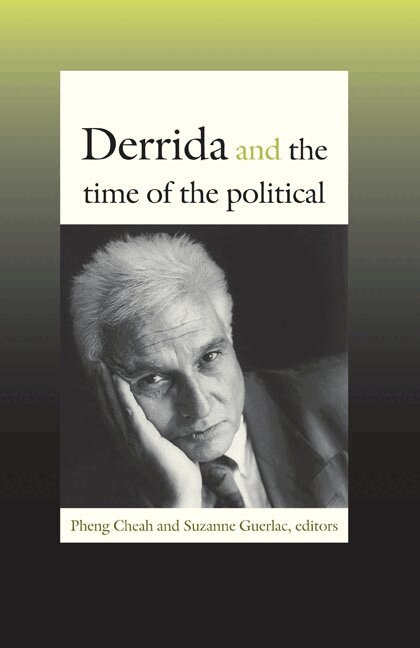
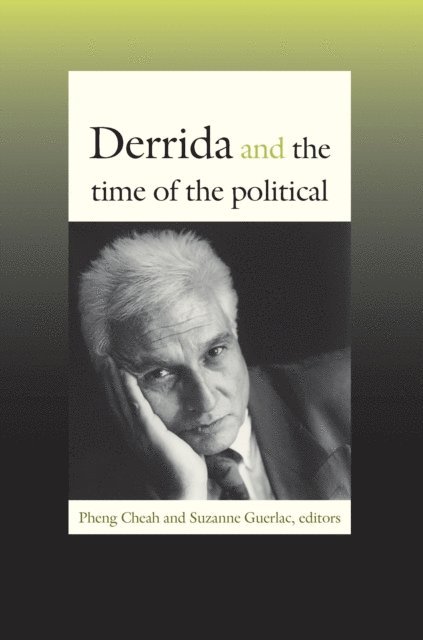
Derrida and the Time of the Political
Av Suzanne Guerlac, Pheng Cheah
Häftad, 2009
443 kr
Lägg i varukorg
An intellectual event, Derrida and the Time of the Political marks the first time since Jacques Derrida’s death in 2004 that leading scholars have come together to critically assess the philosopher’s political and ethical writings. Skepticism about the import of deconstruction for political thought …
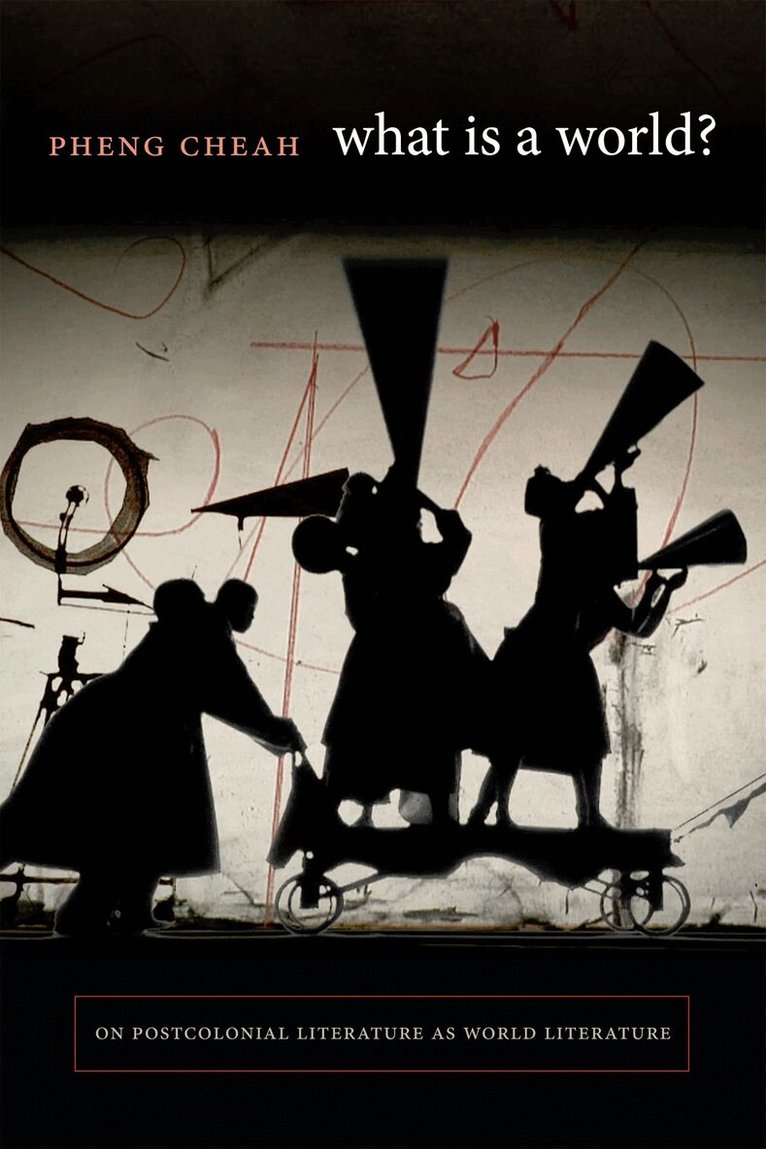
What Is a World?
On Postcolonial Literature As World Literature
Av Pheng Cheah
Inbunden, 2016
1497 kr
Lägg i varukorg
In What Is a World? Pheng Cheah, a leading theorist of cosmopolitanism, offers the first critical consideration of world literature’s cosmopolitan vocation. Addressing the failure of recent theories of world literature to inquire about the meaning of world, Cheah articulates a normative theory of …
What Is a World?
On Postcolonial Literature As World Literature
Av Pheng Cheah
Häftad, 2016
395 kr
Lägg i varukorg
In What Is a World? Pheng Cheah, a leading theorist of cosmopolitanism, offers the first critical consideration of world literature’s cosmopolitan vocation. Addressing the failure of recent theories of world literature to inquire about the meaning of world, Cheah articulates a normative theory of …
What Is a World?
On Postcolonial Literature as World Literature
Av Pheng Cheah
E-bok, 2015
580 kr
Lägg i varukorg
In What Is a World? Pheng Cheah, a leading theorist of cosmopolitanism, offers the first critical consideration of world literature’s cosmopolitan vocation. Addressing the failure of recent theories of world literature to inquire about the meaning of world , Cheah articulates a normative theory of …
Derrida and the Time of the Political
Av Pheng Cheah, Suzanne Guerlac
E-bok, 2009
749 kr
Lägg i varukorg
An intellectual event, Derrida and the Time of the Political marks the first time since Jacques Derrida’s death in 2004 that leading scholars have come together to critically assess the philosopher’s political and ethical writings. Skepticism about the import of deconstruction for political thought …
Grounds of Comparison
Around the Work of Benedict Anderson
Av Jonathan Culler, Pheng Cheah
E-bok, 2013
876 kr
Lägg i varukorg
Benedict Anderson, professor at Cornell and specialist in Southeast Asian studies, is best known for his book Imagined Communities: Reflections on the Origin and Spread of Nationalism (1991). It is no understatement to say that this is one of the most influential books of the last twenty years. …
Grounds of Comparison
Around the Work of Benedict Anderson
Av Jonathan Culler, Pheng Cheah
E-bok, 2013
857 kr
Lägg i varukorg
Benedict Anderson, professor at Cornell and specialist in Southeast Asian studies, is best known for his book Imagined Communities: Reflections on the Origin and Spread of Nationalism (1991). It is no understatement to say that this is one of the most influential books of the last twenty years. …
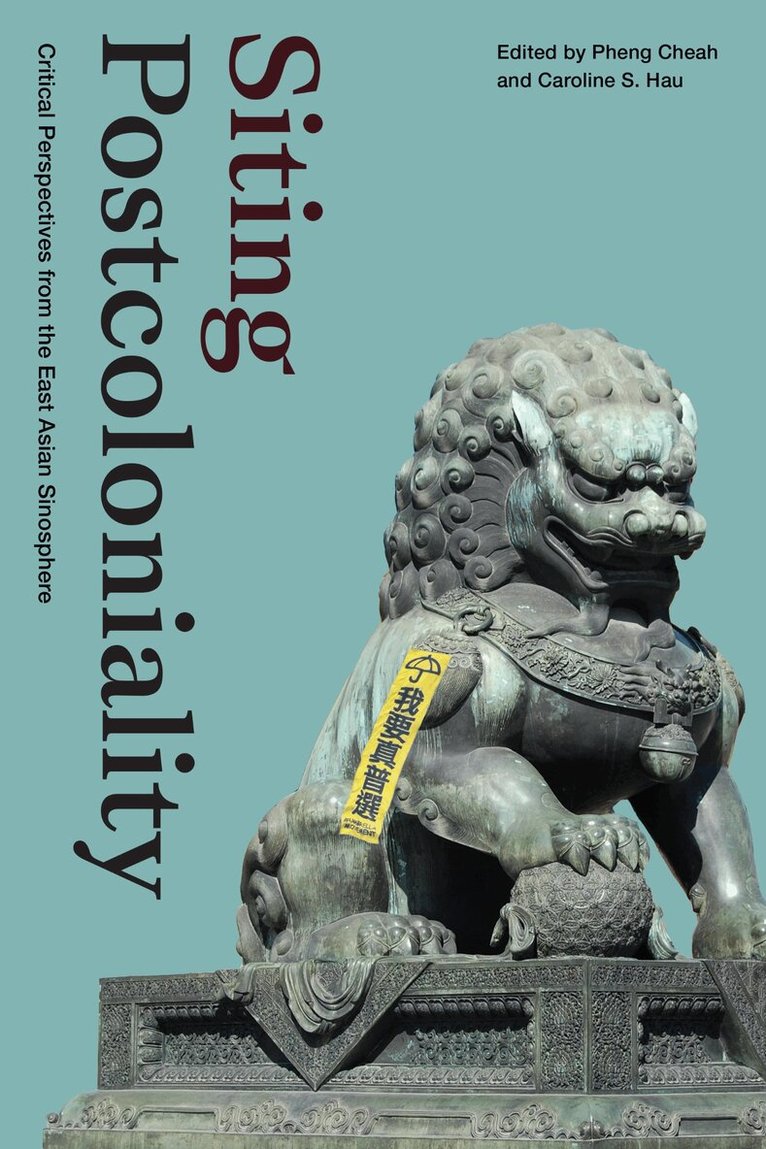
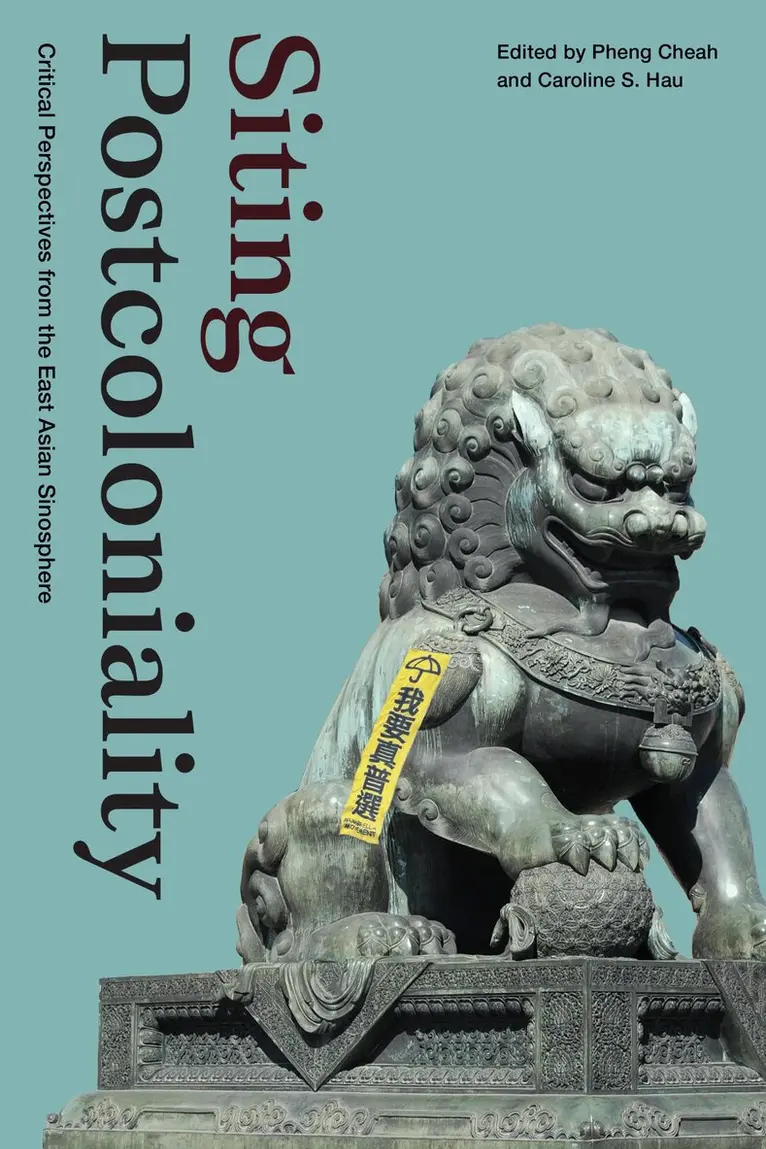
Siting Postcoloniality
Critical Perspectives from the East Asian Sinosphere
Av Pheng Cheah, Caroline S. Hau
Inbunden, 2022
1368 kr
Lägg i varukorg
The contributors to Siting Postcoloniality reevaluate the notion of the postcolonial by focusing on the Sinosphere-the region of East and Southeast Asia that has been significantly shaped by relations with China throughout history. Pointing out that the history of imperialism in China and Southeast …
Siting Postcoloniality
Critical Perspectives from the East Asian Sinosphere
Av Pheng Cheah, Caroline S. Hau
Häftad, 2022
364 kr
Lägg i varukorg
The contributors to Siting Postcoloniality reevaluate the notion of the postcolonial by focusing on the Sinosphere-the region of East and Southeast Asia that has been significantly shaped by relations with China throughout history. Pointing out that the history of imperialism in China and Southeast …
Siting Postcoloniality
Critical Perspectives from the East Asian Sinosphere
Av Caroline S. Hau, Pheng Cheah
E-bok, 2022
543 kr
Lägg i varukorg
The contributors to Siting Postcoloniality reevaluate the notion of the postcolonial by focusing on the Sinosphere—the region of East and Southeast Asia that has been significantly shaped by relations with China throughout history. Pointing out that the history of imperialism in China and Southeast …
Derrida and the Time of the Political
Av Suzanne Guerlac, Pheng Cheah
Inbunden, 2009
1879 kr
Tillfälligt slut
An intellectual event, Derrida and the Time of the Political marks the first time since Jacques Derrida’s death in 2004 that leading scholars have come together to critically assess the philosopher’s political and ethical writings. Skepticism about the import of deconstruction for political thought …