Caroline S. Hau – författare
Visar alla böcker från författaren Caroline S. Hau. Handla med fri frakt och snabb leverans.
8 produkter
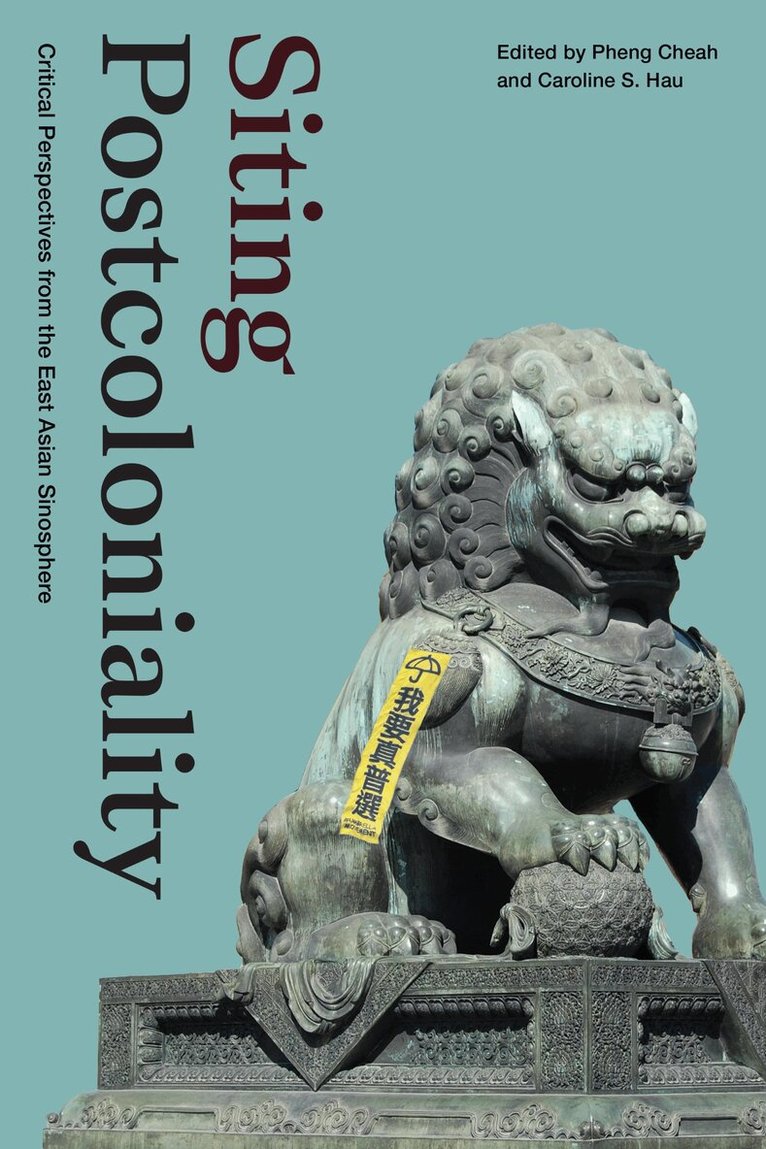
Siting Postcoloniality
Critical Perspectives from the East Asian Sinosphere
Av Pheng Cheah, Caroline S. Hau
Inbunden, 2022
1368 kr
Lägg i varukorg
The contributors to Siting Postcoloniality reevaluate the notion of the postcolonial by focusing on the Sinosphere-the region of East and Southeast Asia that has been significantly shaped by relations with China throughout history. Pointing out that the history of imperialism in China and Southeast …
Siting Postcoloniality
Critical Perspectives from the East Asian Sinosphere
Av Pheng Cheah, Caroline S. Hau
Häftad, 2022
364 kr
Lägg i varukorg
The contributors to Siting Postcoloniality reevaluate the notion of the postcolonial by focusing on the Sinosphere-the region of East and Southeast Asia that has been significantly shaped by relations with China throughout history. Pointing out that the history of imperialism in China and Southeast …
Siting Postcoloniality
Critical Perspectives from the East Asian Sinosphere
Av Caroline S. Hau, Pheng Cheah
E-bok, 2022
543 kr
Lägg i varukorg
The contributors to Siting Postcoloniality reevaluate the notion of the postcolonial by focusing on the Sinosphere—the region of East and Southeast Asia that has been significantly shaped by relations with China throughout history. Pointing out that the history of imperialism in China and Southeast …
On the Subject of the Nation
Filipino Writings from the Margins, 1981 to 2004
Häftad, 2007
898 kr
Lägg i varukorg
The volume examines the critical interfaces between the personal and political that frame the utopian visions of Bai Ren's fictional autobiography about the education of Filipino-Chinese sojourners; Robert Francis Garcia's firsthand account of the communist purges; Cesar Lacara's memoirs of a …
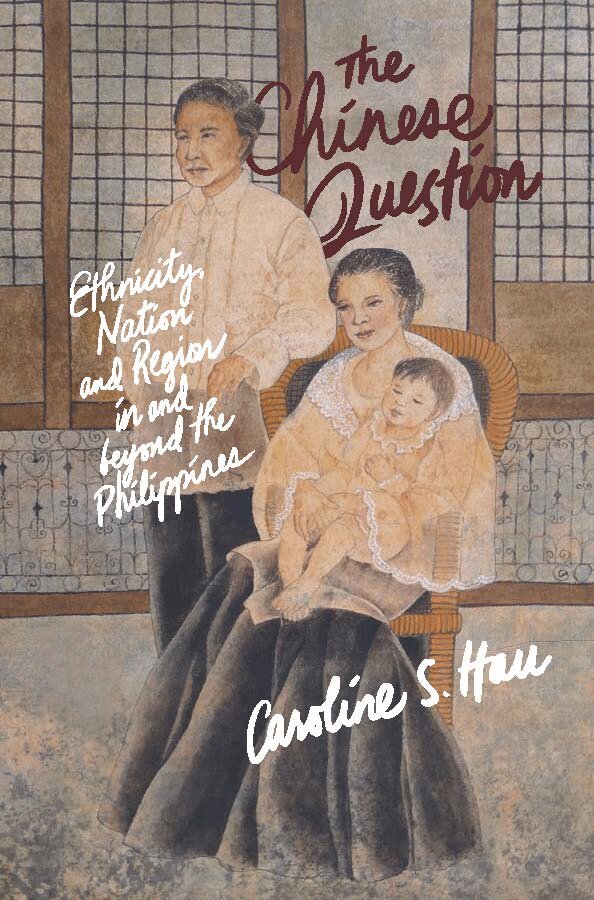
Chinese Question
Ethnicity, Nation, and Region in and Beyond the Philippines
Häftad, 2014
386 kr
Lägg i varukorg
Over the past few decades, the rise of East Asia and mainland China has spurred the revival of “Chineseness” in the Philippines and other parts of Southeast Asia. Defined during the Cold War era as economically dominant, politically disloyal, and culturally different, the “Chinese” are now not only …
Elites and Ilustrados in Philippine Culture
Häftad, 2017
745 kr
Tillfälligt slut
This book examines how Filipino literature has intervened in the intellectual and popular debates on the historical origins, ascendancy, power, and legitimacy of the elites. Writers like Jose Rizal, Nick Joaquin, Ninotchka Rosca, Miguel Syjuco, and Ramon Guillermo are unsparing in their criticism …
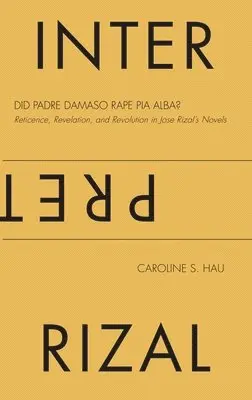
Interpreting Rizal
Häftad, 2018
468 kr
Tillfälligt slut
This little book collects two long essays on Jose Rizal and his writings. The essays are both concerned with interpretation and its role not only in imagining Rizal, but also in making, unmaking, and remaking community.
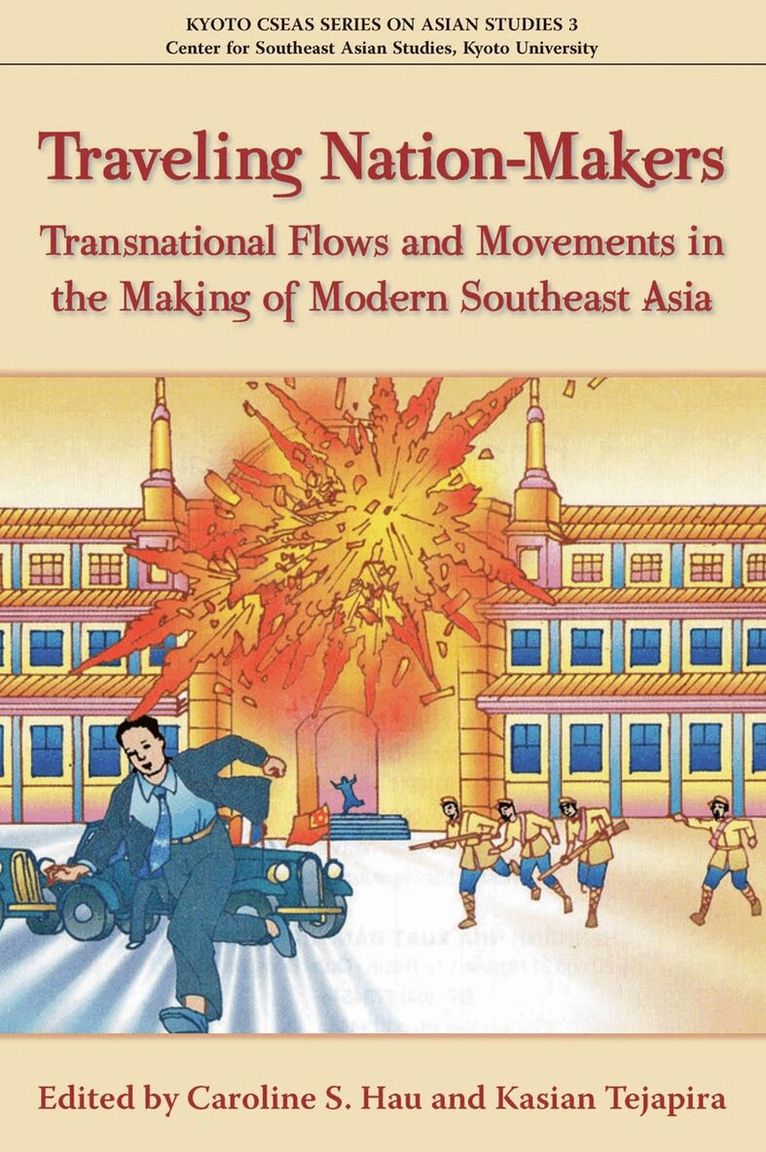
Traveling Nation-Makers
Transnational Flows and Movements in the Making of Modern Southeast Asia
Av Caroline S. Hau, Kasian Tejapira
Häftad, 2011
330 kr
Tillfälligt slut