Philippe Descola – författare
Visar alla böcker från författaren Philippe Descola. Handla med fri frakt och snabb leverans.
30 produkter
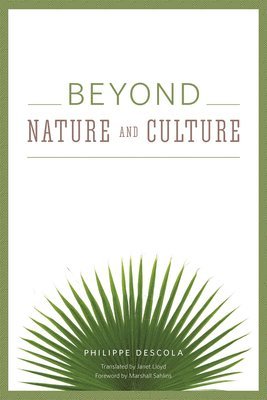
Beyond Nature and Culture
Häftad, 2014
372 kr
Lägg i varukorg
Successor to Claude Levi-Strausa at the College de France, Philippe Descola has become one of the most important anthropologists working today, and Beyond Nature and Culture has been a major influence in European intellectual life since its publication in 2005. Here, finally, it is brought to …
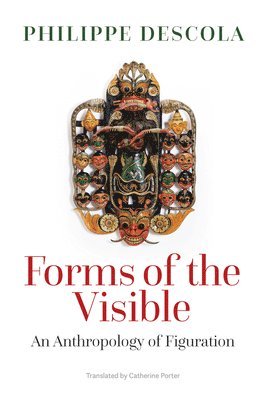
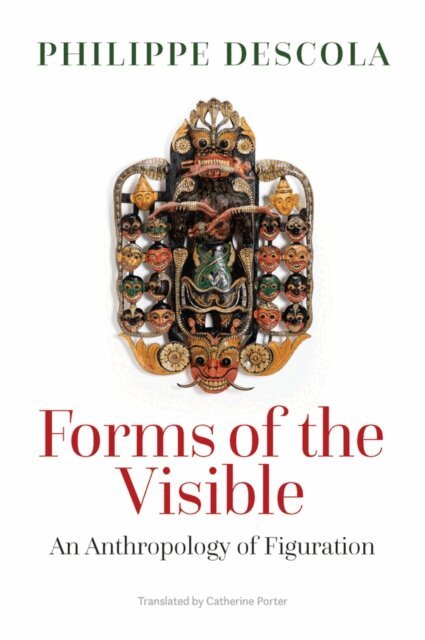
Forms of the Visible
An Anthropology of Figuration
Inbunden, 2025
429 kr
Lägg i varukorg
Imagery and figuration are not just figments of an artist’s imagination. Perception and imagination are always shaped by what habit has taught us to discern. The visual path we spontaneously trace through the world depends on where we are situated in the four regions of the ontological archipelago: …
Ecology of Others Question of Nature
Av Philippe Descola, Geneviève Godbout m. fl.
Häftad, 2013
117 kr
Lägg i varukorg
Since the end of the nineteenth century, the division between nature and culture has been fundamental to Western thought. In this groundbreaking work, renowned anthropologist Philippe Descola seeks to break down this divide, arguing for a departure from the anthropocentric model and its rigid …
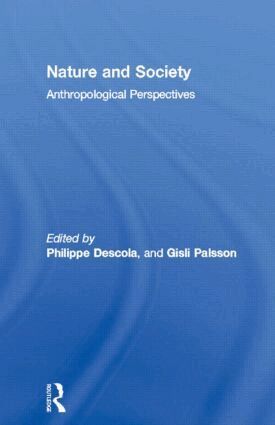
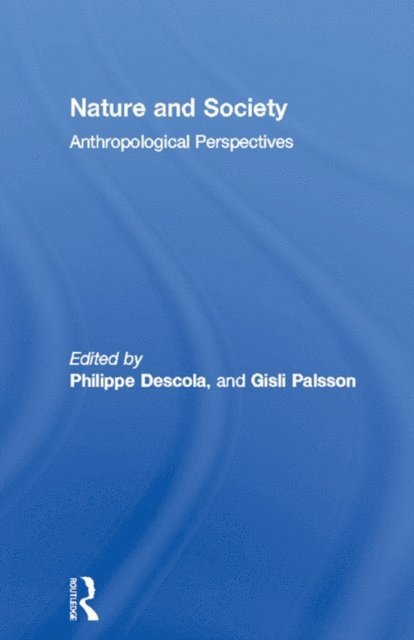
Nature and Society
Anthropological Perspectives
Av Gisli Palsson, Philippe Descola
E-bok, 2003
939 kr
Lägg i varukorg
The contributors to this book focus on the relationship between nature and society from a variety of theoretical and ethnographic perspectives. Their work draws upon recent developments in social theory, biology, ethnobiology, epistemology, sociology of science, and a wide array of ethnographic …
Nature and Society
Anthropological Perspectives
Av Philippe Descola, Gisli Palsson
Häftad, 1996
827 kr
Lägg i varukorg
The contributors to this book focus on the relationship between nature and society from a variety of theoretical and ethnographic perspectives. Their work draws upon recent developments in social theory, biology, ethnobiology, epistemology, sociology of science, and a wide array of ethnographic …
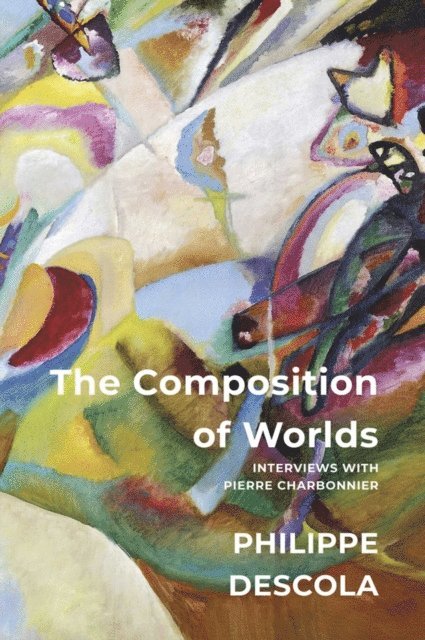
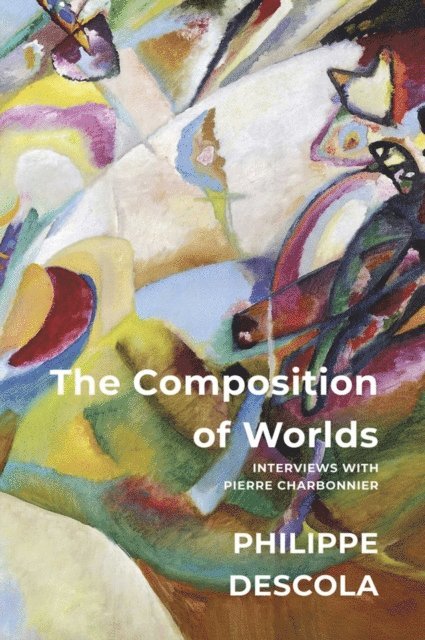
Composition of Worlds
Interviews with Pierre Charbonnier
Häftad, 2023
274 kr
Lägg i varukorg
In this autobiographical reflection, the distinguished anthropologist Philippe Descola looks back on his intellectual career and examines both the central themes of his work and the key questions that have shaped anthropological debates over the past forty years.A student of Lévi-Strauss, Descola …
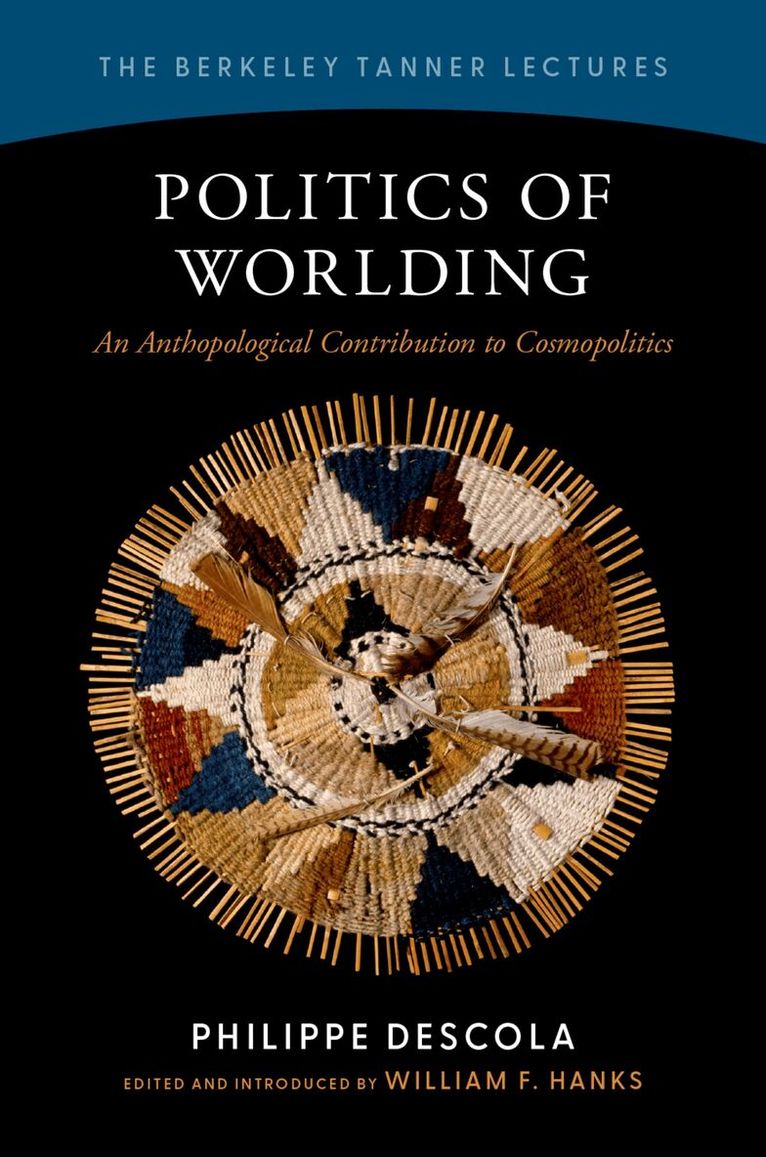
Politics of Worlding
An Anthropological Contribution to Cosmopolitics
Av Philippe Descola, William F. Hanks
Inbunden, 2026
323 kr
Lägg i varukorg
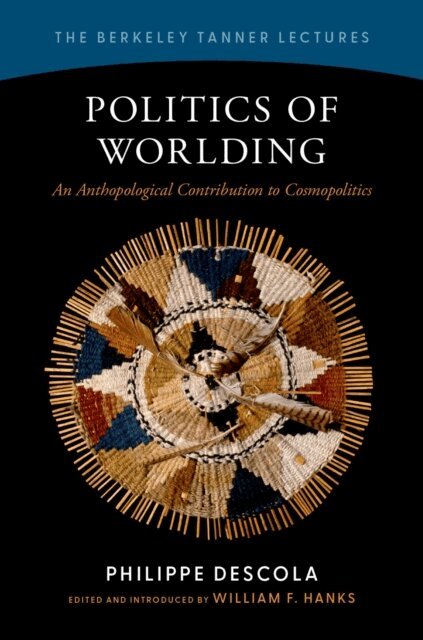
The Politics of Worldling presents Philippe Descola's Tanner Lectures on Human Values, delivered in 2023 at the University of California, Berkeley. It offers a highly readable précis of some of the central ideas that animate Descola's work, and an excellent gateway into a new vision of anthropology …
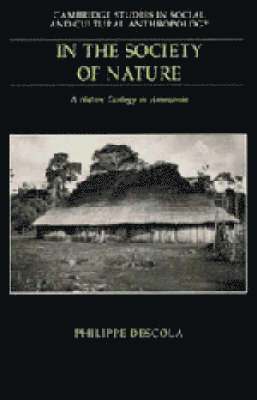
In the Society of Nature
A Native Ecology in Amazonia
Inbunden, 1994
1905 kr
Lägg i varukorg
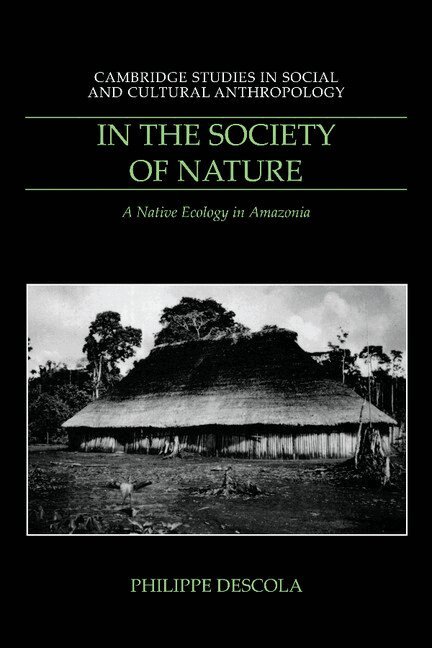
The Achuar Indians live in the remote forest reaches of the Upper Amazon and have developed sophisticated strategies of resource management. Philippe Descola, who has gathered material over several years of fieldwork, documents their rich knowledge of the environment. He explains how this technical …
Politics of Worlding
An Anthropological Contribution to Cosmopolitics
Av Philippe Descola, William F. Hanks
E-bok, 2023
313 kr
Lägg i varukorg
The Politics of Worldling presents Philippe Descola's Tanner Lectures on Human Values, delivered in 2023 at the University of California, Berkeley. It offers a highly readable precis of some of the central ideas that animate Descola's work, and an excellent gateway into a new vision of anthropology …
Politics of Worlding
An Anthropological Contribution to Cosmopolitics
Av Philippe Descola, William F. Hanks
E-bok, 2023
313 kr
Lägg i varukorg
The Politics of Worldling presents Philippe Descola's Tanner Lectures on Human Values, delivered in 2023 at the University of California, Berkeley. It offers a highly readable precis of some of the central ideas that animate Descola's work, and an excellent gateway into a new vision of anthropology …
Beyond Nature and Culture
Inbunden, 2013
971 kr
Lägg i varukorg
Successor to Claude Levi-Strauss at the College de France, Philippe Descola has become one of the most important anthropologists working today, and Beyond Nature and Culture has been a major influence in European intellectual life since its French publication in 2005. Here, finally, it is brought …
Nature and Society
Anthropological Perspectives
Av Philippe Descola, Gisli Palsson
Inbunden, 1996
2526 kr
Lägg i varukorg
The contributors to this book focus on the relationship between nature and society from a variety of theoretical and ethnographic perspectives. Their work draws upon recent developments in social theory, biology, ethnobiology, epistemology, sociology of science, and a wide array of ethnographic …
In the Society of Nature
A Native Ecology in Amazonia
Häftad, 1996
471 kr
Lägg i varukorg
The Achuar Indians live in the remote forest reaches of the Upper Amazon and have developed sophisticated strategies of resource management. Philippe Descola, who has gathered material over several years of fieldwork, documents their rich knowledge of the environment. He explains how this technical …
Sex Thieves – The Anthropology of a Rumor
Av Julien Bonhomme, Dominic Horsfall m. fl.
Häftad, 2016
308 kr
Lägg i varukorg
While working in Africa, anthropologist Julien Bonhomme encountered an astonishing phenomenon: people being accused of stealing or shrinking the genitals of strangers on the simple occasion of a handshake on the street. As he soon discovered, these accusations can have dramatic outcomes: the "sex …
Nature and Society
Anthropological Perspectives
Av Gisli Palsson, Philippe Descola
E-bok, 2003
970 kr
Lägg i varukorg
The contributors to this book focus on the relationship between nature and society from a variety of theoretical and ethnographic perspectives. Their work draws upon recent developments in social theory, biology, ethnobiology, epistemology, sociology of science, and a wide array of ethnographic …
Composition of Worlds
Interviews with Pierre Charbonnier
Inbunden, 2023
746 kr
Lägg i varukorg
In this autobiographical reflection, the distinguished anthropologist Philippe Descola looks back on his intellectual career and examines both the central themes of his work and the key questions that have shaped anthropological debates over the past forty years.A student of Lévi-Strauss, Descola …
Composition of Worlds
Interviews with Pierre Charbonnier
E-bok, 2023
319 kr
Lägg i varukorg
In this autobiographical reflection, the distinguished anthropologist Philippe Descola looks back on his intellectual career and examines both the central themes of his work and the key questions that have shaped anthropological debates over the past forty years. A student of Lévi-Strauss, Descola …
Composition of Worlds
Interviews with Pierre Charbonnier
E-bok, 2023
897 kr
Lägg i varukorg
In this autobiographical reflection, the distinguished anthropologist Philippe Descola looks back on his intellectual career and examines both the central themes of his work and the key questions that have shaped anthropological debates over the past forty years. A student of Lévi-Strauss, Descola …
Forms of the Visible
An Anthropology of Figuration
E-bok, 2025
504 kr
Lägg i varukorg
Imagery and figuration are not just figments of an artist s imagination. Perception and imagination are always shaped by what habit has taught us to discern. The visual path we spontaneously trace through the world depends on where we are situated in the four regions of the ontological archipelago: …
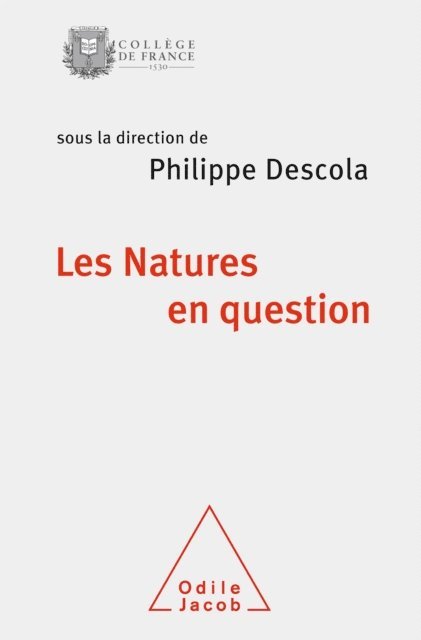
Les Natures en question
Colloque de rentrée du Collège de France 2017
E-bok, 2018
205 kr
Lägg i varukorg
Revêtue de significations multiples, la nature a longtemps formé le pôle principal d’une série d’oppositions dans la pensée européenne : nature et culture, nature et surnature, nature et art, nature et esprit, nature et histoire… Des études de plus en plus nombreuses, dont ce livre se fait l’écho, …
Claude Lévi-Strauss, un parcours dans le siècle
E-bok, 2012
216 kr
Lägg i varukorg
Ce livre réunit les contributions au colloque organisé au Collège de France en novembre 2008 à l’occasion du centenaire de Claude Lévi-Strauss (1908-2009). Au cours de cette longue vie, ponctuée par une trentaine de livres et plus de quatre cents articles, Claude Lévi-Strauss a refondé …
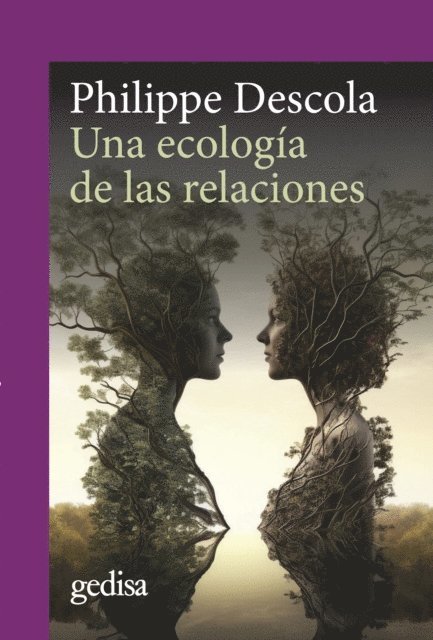
Una ecología de las relaciones
E-bok, 2023
68 kr
Lägg i varukorg
Considerado uno de los grandes antropólogos franceses del siglo XX, Philippe Descola realiza sus primeros trabajos de campo en la Amazonia. Como etnógrafo, convive durante años con los jíbaros achuar, observando la relación que estos amerindios mantienen con los demás seres de la naturaleza. Como …
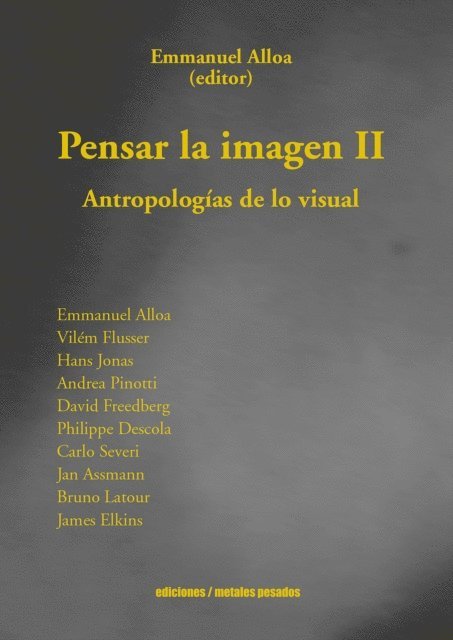
Pensar la imagen II
Antropologías de lo visual
Av James Elkins, Bruno Latour m. fl.
E-bok, 2022
249 kr
Lägg i varukorg
Pensar lo visual antropológicamente conlleva comprender las formasen que distintos pueblos alrededor del mundo se han enfrentado a loque hacen las imágenes –no siempre diferenciada de la escritura–,así como el lugar que se les ha asignado en la vida y en la muerte,en la «cultura» y en la …
Una antropología alterada por la alteridad: Entrevistas a Philippe Descola
Av Philippe Descola, Florencia Tola
Häftad
412 kr
Lägg i varukorg
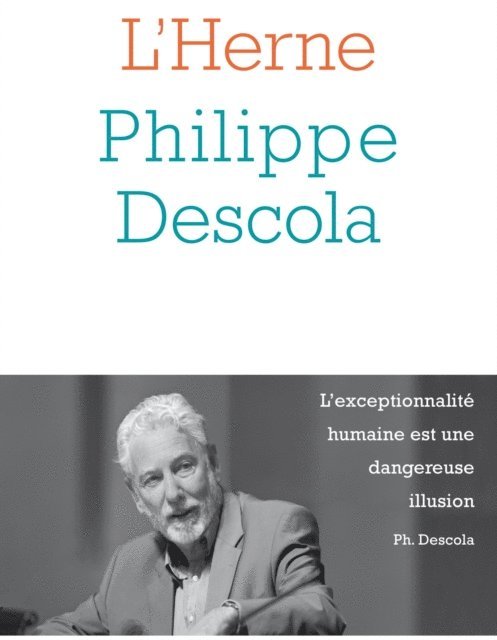
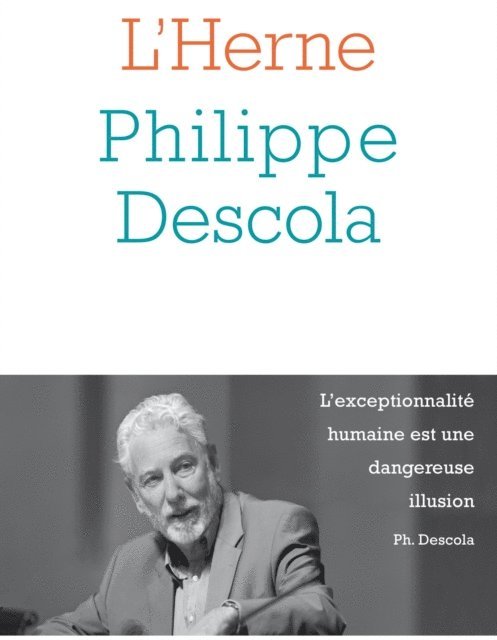
Cahier de L'Herne n° 145 : Philippe Descola
Av Gregory Delaplace, Salvatore d'Onofrio m. fl.
E-bok, 2024
506 kr
Lägg i varukorg
Philippe Descola a participé à renouveler en profondeur la pensée anthropologique du XXIe siècle, mettant en lumière la complexité des rapports entre humains et non-humains. Sa tentative sincère de décrire le monde dans les termes de celles et ceux qui l’habitent, traverse le domaine des sciences …
Cahier de L'Herne n° 145 : Philippe Descola
Av Gregory Delaplace, Salvatore d'Onofrio m. fl.
E-bok, 2024
500 kr
Lägg i varukorg
Philippe Descola a participé à renouveler en profondeur la pensée anthropologique du XXIe siècle, mettant en lumière la complexité des rapports entre humains et non-humains. Sa tentative sincère de décrire le monde dans les termes de celles et ceux qui l’habitent, traverse le domaine des sciences …