Pierre van der Eng – författare
Visar alla böcker från författaren Pierre van der Eng. Handla med fri frakt och snabb leverans.
5 produkter
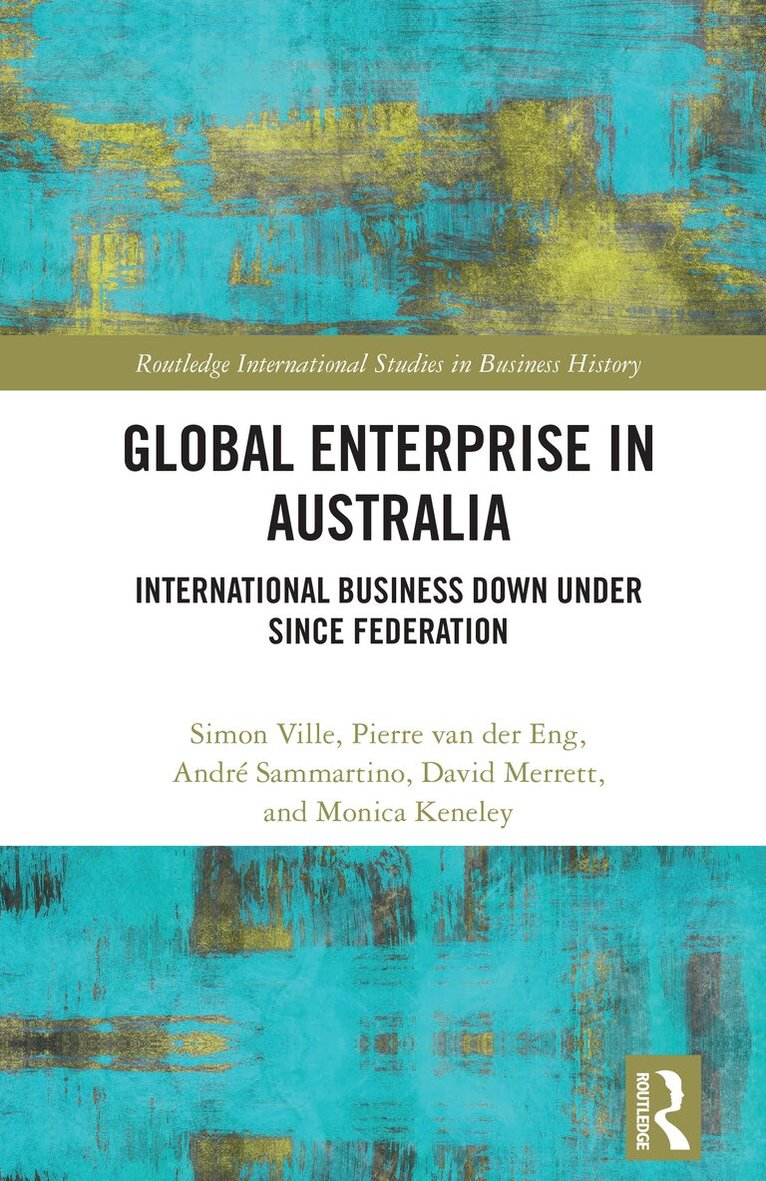
Global Enterprise in Australia
International Business Down Under since Federation
Av Simon Ville, Pierre van der Eng m. fl.
Inbunden, 2026
2588 kr
Lägg i varukorg
For two centuries, multinational enterprises (MNEs) have arrived in waves on Australia’s shores. Highly visible and influential household names among them – Ford, IBM, Kodak, Electrolux, ANZ – but also many smaller, lesser-known enterprises. Foreign MNEs in Australia today account for almost half …
Global Enterprise in Australia
International Business Down Under since Federation
Av Monica Keneley, David Merrett m. fl.
E-bok, 2026
838 kr
Lägg i varukorg
For two centuries, multinational enterprises (MNEs) have arrived in waves on Australia's shores. Highly visible and influential household names among them - Ford, IBM, Kodak, Electrolux, ANZ - but also many smaller, lesser-known enterprises. Foreign MNEs in Australia today account for almost half …
Global Enterprise in Australia
International Business Down Under since Federation
Av Monica Keneley, David Merrett m. fl.
E-bok, 2026
813 kr
Lägg i varukorg
For two centuries, multinational enterprises (MNEs) have arrived in waves on Australia's shores. Highly visible and influential household names among them - Ford, IBM, Kodak, Electrolux, ANZ - but also many smaller, lesser-known enterprises. Foreign MNEs in Australia today account for almost half …
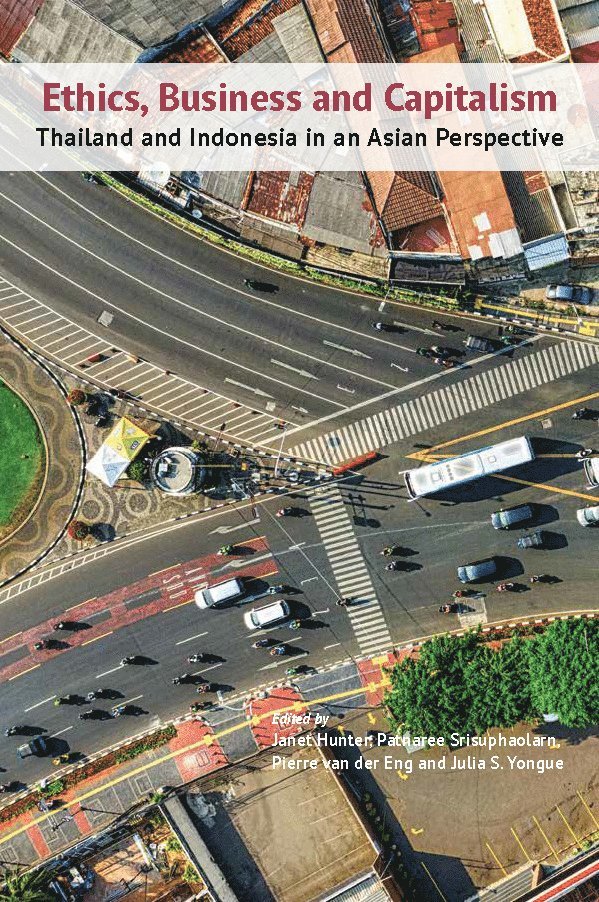
Ethics, Business and Capitalism
Thailand and Indonesia in an Asian Perspective
Av Janet Hunter, Patnaree Srisuphaolarn m. fl.
Häftad, 2024
426 kr
Lägg i varukorg
Academic analysis of business ethics in Southeast Asia. Taking cues from the Japanese concept of ethical or stakeholder capitalism, this book demonstrates how the business activities of firms in Thailand and Indonesia are guided by their perceptions of morality in society and their concerns about …
Ethics, Business and Capitalism
Thailand and Indonesia in an Asian Perspective
Av Julia Yongue, Pierre van der Eng m. fl.
E-bok, 2024
801 kr
Lägg i varukorg
Academic analysis of business ethics in Southeast Asia. Taking cues from the Japanese concept of ethical or stakeholder capitalism, this book demonstrates how the business activities of firms in Thailand and Indonesia are guided by their perceptions of morality in society and their concerns about …