R. Jon McGee – författare
Visar alla böcker från författaren R. Jon McGee. Handla med fri frakt och snabb leverans.
5 produkter
5 produkter
2 376 kr
Skickas inom 3-6 vardagar
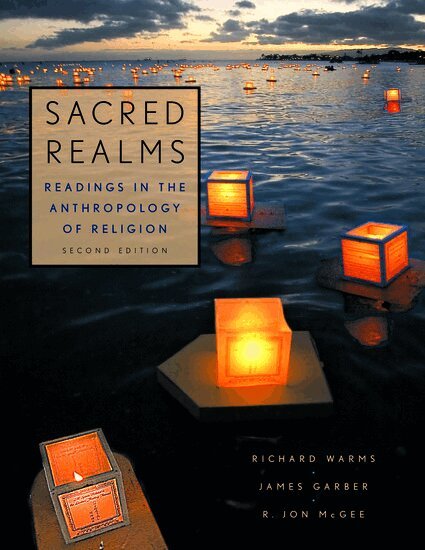
This comprehensive and engaging introduction to the anthropology of religion brings together a rich and balanced collection of classic and contemporary readings. Ideal for courses in the anthropology of religion or comparative religion, this exceptional anthology not only gives students the tools to analyze and comprehend religion but also enables them to consider religion's major role in contemporary world affairs.Organized topically, Sacred Realms: Readings in the Anthropology of Religion, Second Edition, covers twelve major areas in faith, religion, and belief. Demonstrating the breadth and variety of human religious experience, the essays are written by authors from diverse ethnic and national backgrounds and include vivid ethnographic examples drawn from field studies around the world. The readings range from classic contributions by Bronislaw Malinowski, Horace Miner, and Anthony F. C. Wallace to more recent selections including one on the Rajneeshee by Charles Lindholm and articles on Sufism, witches, and American raves. The volume concludes with a unique section by the editors that describes the basic facets of five of the world's most influential religions: Hinduism, Buddhism, Judaism, Christianity, and Islam.The editors also provide helpful background material throughout; their general introduction encourages students to approach religion as an objective human experience rather than from the perspective of their own upbringings, while overviews to each of the text's six parts place subjects in context and highlight key issues. Essay introductions identify the author's perspective, the article's major points, and the questions the essay raises.New to the second edition of Sacred Realms is a section on the intersection of religion and politics, which includes a classic article by Raymond Firth as well as recent articles on issues in Korea and the Middle East. This edition also features a world map at the front of the book--referencing locations in each essay, by number--and a glossary of terms at the end of the book. An Instructor's Manual on CD is available to adopters.
5 234 kr
Skickas
Social and cultural anthropology and archaeology are rich subjects with deep connections in the social and physical sciences. Over the past 150 years, the subject matter and different theoretical perspectives have expanded so greatly that no single individual can command all of it. Consequently, both advanced students and professionals may be confronted with theoretical positions and names of theorists with whom they are only partially familiar, if they have heard of them at all. Students, in particular, are likely to turn to the web to find quick background information on theorists and theories. However, most web-based information is inaccurate and/or lacks depth. Students and professionals need a source to provide a quick overview of a particular theory and theorist with just the basics—the "who, what, where, how, and why". In response, SAGE Reference is publishing the two-volume Theory in Social and Cultural Anthropology: An Encyclopedia. Features & Benefits: Two volumes containing approximately 335 signed entries provide users with the most authoritative and thorough reference resource available on anthropology theory, both in terms of breadth and depth of coverage. To ease navigation between and among related entries, a Reader′s Guide groups entries thematically and each entry is followed by Cross-References. In the electronic version, the Reader′s Guide combines with the Cross-References and a detailed Index to provide robust search-and-browse capabilities. An appendix with a Chronology of Anthropology Theory allows students to easily chart directions and trends in thought and theory from early times to the present. Suggestions for Further Reading at the end of each entry and a Master Bibliography at the end guide readers to sources for more detailed research and discussion.
946 kr
Skickas inom 10-15 vardagar
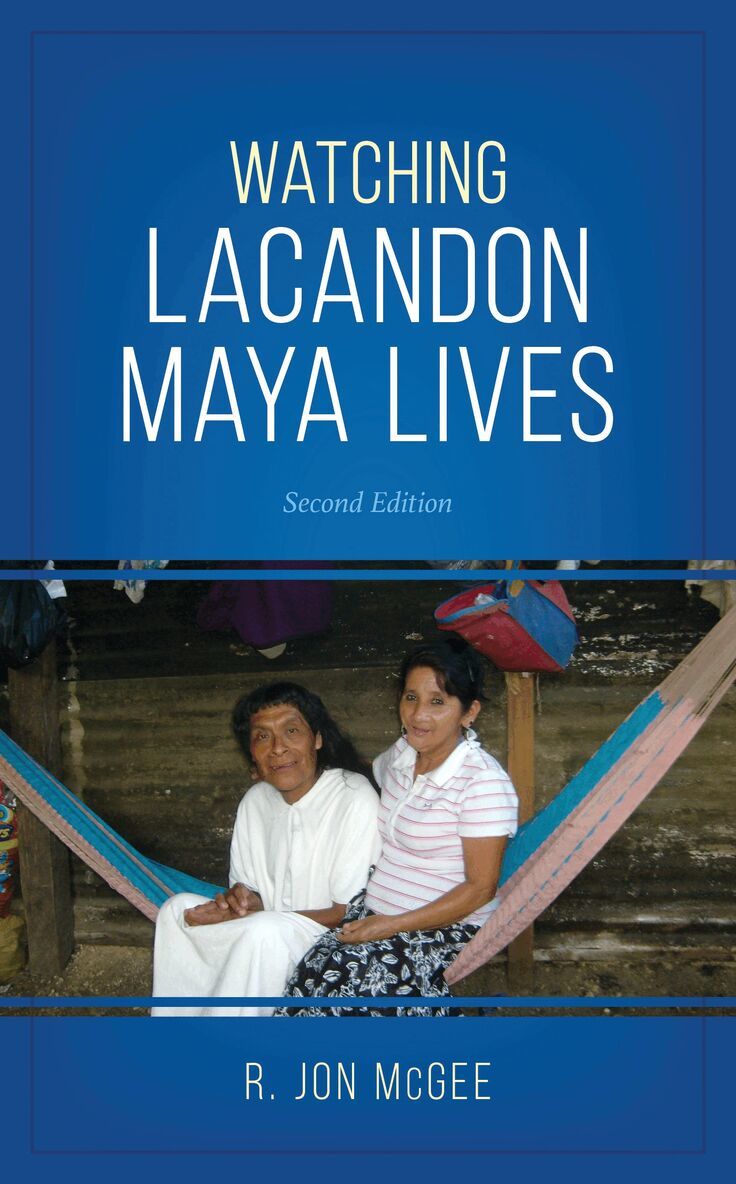
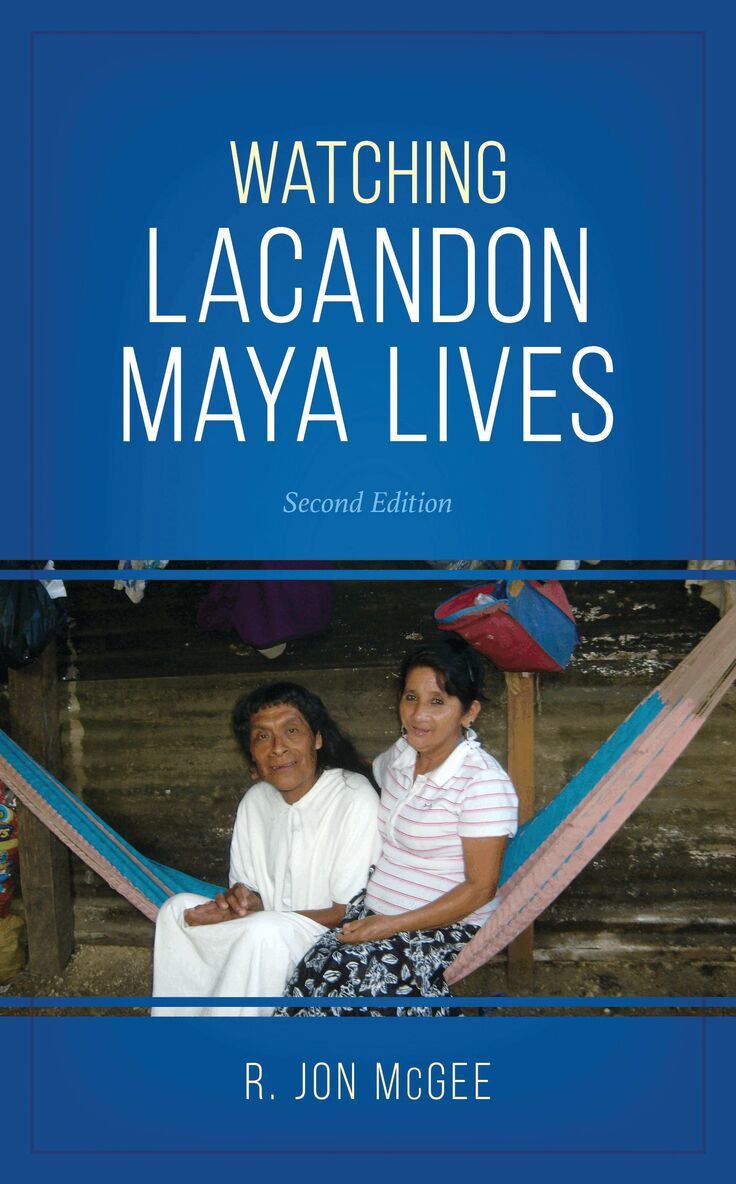
Although romanticized as the last of the ancient Maya living isolated in the forest, several generations of the Lacandon Maya have had their lives shaped by the international oil economy, tourism, and political unrest.Watching Lacandon Maya Lives is an examination of dramatic cultural changes in a Maya rainforest farming community over the last forty years, including changes to their families, industries, religion, health and healing practices, and gender roles. The book contains several discussions of anthropological theory in accessible, jargon-free language, including how the use of different theoretical perspectives impacts an ethnographer’s fieldwork experience. While relating his own mishaps, experiences of community strife, and conflicts, Jon McGee encourages students to shed the romantic veil through which ethnographies are usually viewed and think more deeply about how events in our own lives influence how we understand the behavior of people around us.New to the Second Edition:Revised Introduction incorporates the author’s recent work with the Lacandon and discussions of anthropological writing, culture theory, and how events in the author’s personal life have changed his approach to anthropological fieldwork.Revised chapter, “Finding an Income in the Lacandon Jungle” focuses on families who have shifted from a subsistence farming economy to earning revenue by renting facilities to tourists, owning small community stores, working as hired labor for archaeologists, or make use of a variety of government rural aid programs created in the last two decades (Chapter 5).New chapter, “Forty Years Among the Lacandon: Some Lessons Learned,” discusses what the author’s 40 years of experience as an ethnographer has taught him about the discipline of anthropology and the concept of culture (Chapter 8)
356 kr
Skickas inom 10-15 vardagar
Although romanticized as the last of the ancient Maya living isolated in the forest, several generations of the Lacandon Maya have had their lives shaped by the international oil economy, tourism, and political unrest.Watching Lacandon Maya Lives is an examination of dramatic cultural changes in a Maya rainforest farming community over the last forty years, including changes to their families, industries, religion, health and healing practices, and gender roles. The book contains several discussions of anthropological theory in accessible, jargon-free language, including how the use of different theoretical perspectives impacts an ethnographer’s fieldwork experience. While relating his own mishaps, experiences of community strife, and conflicts, Jon McGee encourages students to shed the romantic veil through which ethnographies are usually viewed and think more deeply about how events in our own lives influence how we understand the behavior of people around us.New to the Second Edition:Revised Introduction incorporates the author’s recent work with the Lacandon and discussions of anthropological writing, culture theory, and how events in the author’s personal life have changed his approach to anthropological fieldwork.Revised chapter, “Finding an Income in the Lacandon Jungle” focuses on families who have shifted from a subsistence farming economy to earning revenue by renting facilities to tourists, owning small community stores, working as hired labor for archaeologists, or make use of a variety of government rural aid programs created in the last two decades (Chapter 5).New chapter, “Forty Years Among the Lacandon: Some Lessons Learned,” discusses what the author’s 40 years of experience as an ethnographer has taught him about the discipline of anthropology and the concept of culture (Chapter 8)
996 kr
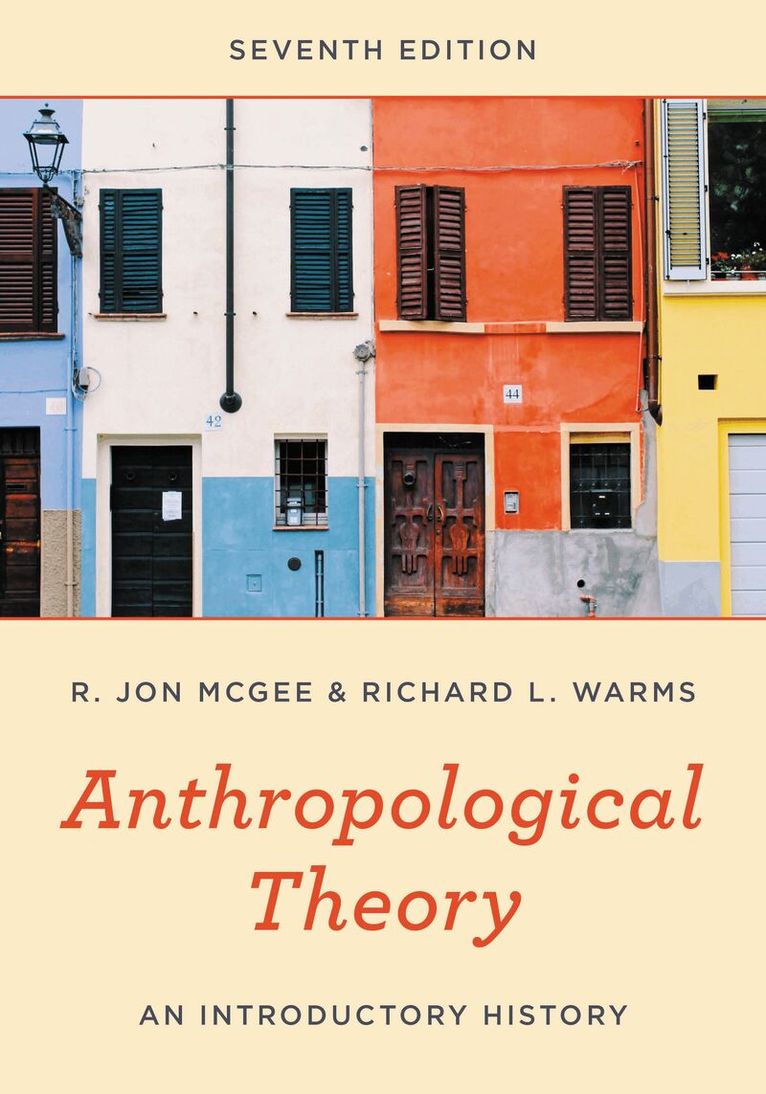
Anthropological Theory: An Introductory History, Seventh Edition, presents a selection of critical essays in anthropology from 1860 to the present day. Classic authors such as Marx, Durkheim, Boas, Radcliffe-Brown, Benedict, Rappaport, Geertz, and Turner are joined by contemporary thinkers including Das, Ortner, Kwiatkowski, and Mattingly. What sets McGee and Warms’s text apart from other collections are its introductions, footnotes, and index. Detailed introductions examine critical developments in theory, introduce key people, and discuss historical and personal influences on theorists. In extensive footnotes, the editors provide commentary that puts the writing in historical and cultural context, defines unusual terms, translates non-English phrases, identifies references to other scholars and their works, and offers paraphrases and summaries of complex passages. The notes identify and provide background information on hundreds of scholars and concepts important in the development of anthropology. This makes the essays more accessible to both students and current day scholars. An extensive index makes this book an invaluable reference tool.NEW TO THIS EDITIONZora Neale Hurston: From Of Mules and Men (1935)Roy Rappaport: Ritual Regulation of Environmental Relations among New Guinea People (1967)James P. Spradley: A Bucket Full of Tramps (1970)Eric R. Wolf: Facing Power—Old Insights, New Questions (1990) Tom Boellstorff: The Emergence of Political Homophobia in Indonesia: Masculinity and National Belonging (2004)Lynn Kwiatkowski: Feminist Anthropology: Approaching Domestic Violence in Northern Viet Nam (2016)Veena Das: Engaging with the Life of the Other: Love and Everyday Life (2010)Cheryl Mattingly: Luck, Friendship, and the Narrative Self (2014)