Rebecca G Martinez - Böcker
Visar alla böcker från författaren Rebecca G Martinez. Handla med fri frakt och snabb leverans.
4 produkter
4 produkter
277 kr
Skickas inom 3-6 vardagar
300 kr
Skickas inom 7-10 vardagar
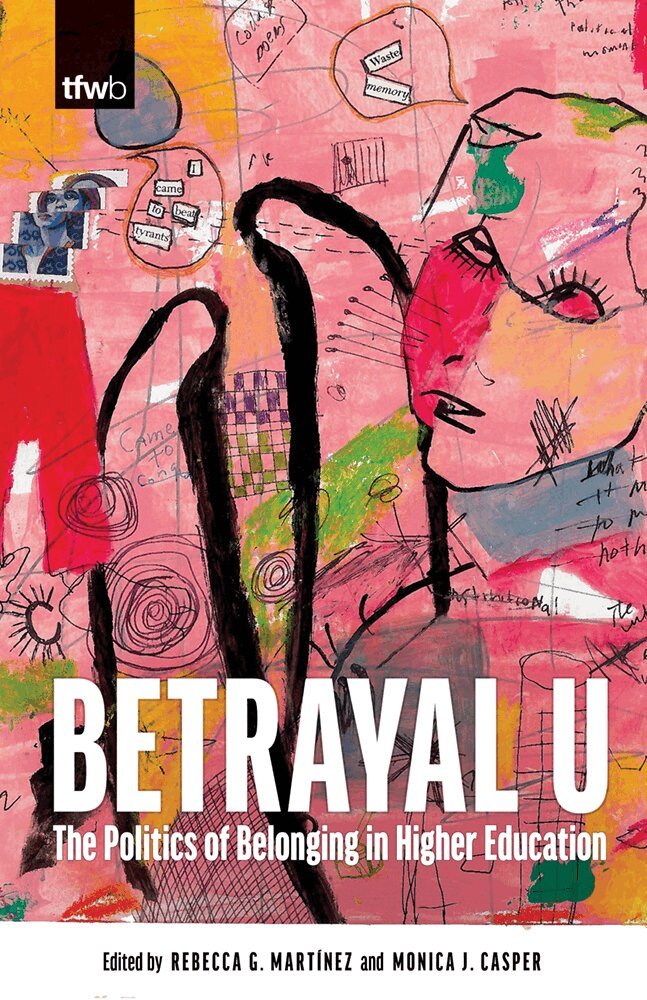
Higher education is in trouble, and not only due to a decline of public trust. As a microcosm of our broader culture, universities are inequitable and often harmful, especially for marginalized people. This is despite the democratic promise of higher education as a path for learning and social mobility. Women, people of color, First Gen, disabled, LGBTQ+, and other minoritized groups are disproportionately harmed in educational institutions that are hierarchical and reproduce inequality. Efforts to foster belonging for faculty, staff, and students may be highly effective but are under attack. Betrayal U intervenes in this context with a diverse, rich collection of essays, art, poetry, and research that explores these inequities through the lens of institutional betrayal, theorized by psychologist Jennifer Freyd. Edited by Rebecca G. MartÍnez and Monica J. Casper, this collection brings together thirty-six contributors who share personal experiences covering a range of topics in higher education. The work spans five thematic sections that examine the complexities of belonging and exclusion in academic settings. The contributors share their lived experiences of academic life from diverse vantage points, showing the ways minoritized groups are made to feel unwelcome, further marginalized, and often positioned as the problem. Exhibiting courage, compassion, and a commitment to better futures, the voices in this collection offer both a searing indictment of higher education and pathways to alternative practices and structures. They shine a spotlight on academia today, including the promise of inclusion and the perils of exclusion.ContributorsCeleste AtkinsJasmine BanksKrista L. BensonJessica Bishop-RoyseSamit Dipon BordoloiMonica J. CasperAparajita DeKathy DiehlTaylor Marie DohertyReshmi Dutt-BallerstadtAlma FloresAlanna GillisC. GoldbergJennifer M. GómezKristina GuptaJasmine L. HarrisSusan HillockDoreen HsuJennifer LaiAmy Andrea MartinezRebecca G. MartÍnezShantel MartinezSara A. MataRachael McCollumWang PingEmily RosserAngÉlica RuvalcabaBrandy L. SimulaRashna Batliwala SinghCierra Raine SorinConnor SpencerChantelle Spicer
1 267 kr
Skickas inom 7-10 vardagar
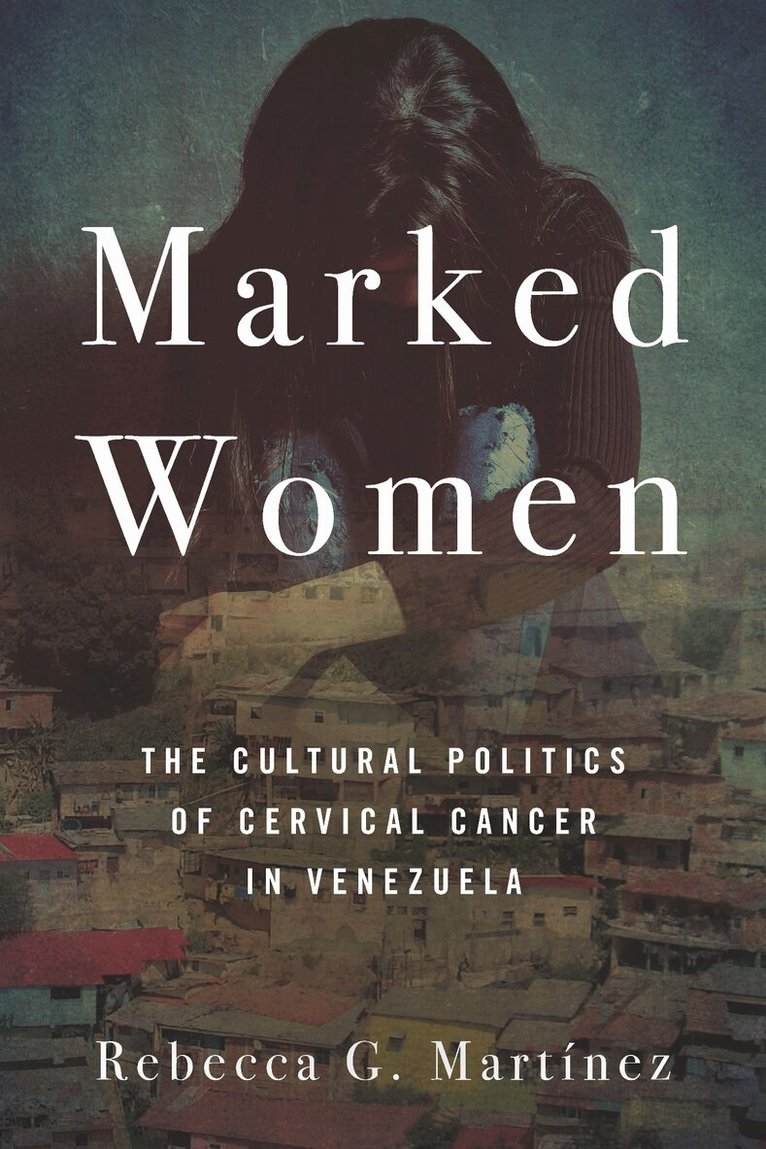
Cervical cancer is the third leading cause of death among women in Venezuela, with poor and working-class women bearing the brunt of it. Doctors and public health officials regard promiscuity and poor hygiene—coded indicators for low class, low culture, and bad morals—as risk factors for the disease. Drawing on in-depth fieldwork conducted in two oncology hospitals in Caracas, Marked Women is an ethnography of women's experiences with cervical cancer, the doctors and nurses who treat them, and the public health officials and administrators who set up intervention programs to combat the disease. Rebecca G. Martínez contextualizes patient-doctor interactions within a historical arc of Venezuelan nationalism, modernity, neoliberalism, and Chavismo to understand the scientific, social, and political discourses surrounding the disease. The women, marked as deviant for their sexual transgressions, are not only characterized as engaging in unhygienic, uncultured, and promiscuous behaviors, but also become embodiments of these very behaviors. Ultimately, Marked Women explores how epidemiological risk is a socially, culturally, and historically embedded process—and how this enables cervical cancer to stigmatize women as socially marginal, burdens on society, and threats to the "health" of the modern nation.
309 kr
Skickas inom 7-10 vardagar
Cervical cancer is the third leading cause of death among women in Venezuela, with poor and working-class women bearing the brunt of it. Doctors and public health officials regard promiscuity and poor hygiene—coded indicators for low class, low culture, and bad morals—as risk factors for the disease. Drawing on in-depth fieldwork conducted in two oncology hospitals in Caracas, Marked Women is an ethnography of women's experiences with cervical cancer, the doctors and nurses who treat them, and the public health officials and administrators who set up intervention programs to combat the disease. Rebecca G. Martínez contextualizes patient-doctor interactions within a historical arc of Venezuelan nationalism, modernity, neoliberalism, and Chavismo to understand the scientific, social, and political discourses surrounding the disease. The women, marked as deviant for their sexual transgressions, are not only characterized as engaging in unhygienic, uncultured, and promiscuous behaviors, but also become embodiments of these very behaviors. Ultimately, Marked Women explores how epidemiological risk is a socially, culturally, and historically embedded process—and how this enables cervical cancer to stigmatize women as socially marginal, burdens on society, and threats to the "health" of the modern nation.