Rebecca Totaro - Böcker
Visar alla böcker från författaren Rebecca Totaro. Handla med fri frakt och snabb leverans.
9 produkter
9 produkter
617 kr
Skickas inom 5-8 vardagar
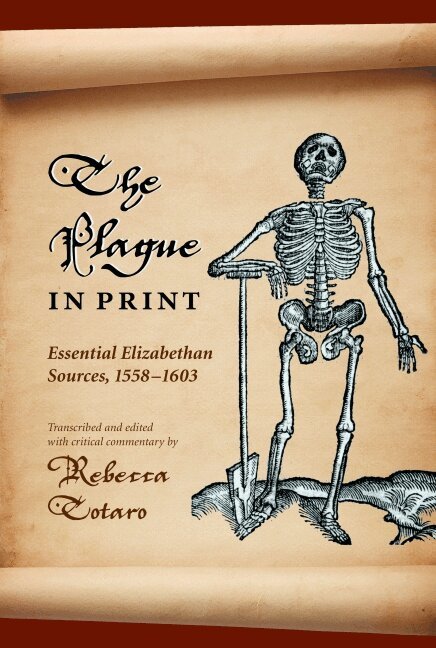
In The Plague in Print, Rebecca Totaro takes the reader into the world of plague-riddled Elizabethan England, documenting the development of distinct subgenres related to the plague and providing unprecedented access to important original sources of early modern plague writing. Totaro elucidates the interdisciplinary nature of plague writing, which raises religious, medical, civic, social, and individual concerns in early modern England. Each of the primary texts in the collection offers a glimpse into a particular subgenre of plague writing, beginning with Thomas Moulton’s plague remedy and prayers published by the Church of England and devoted to the issue of the plague. William Bullein’s A Dialogue, both pleasant and pietyful, a work that both addresses concerns related to the plague and offers humorous literary entertainment, exemplifies the multilayered nature of plague literature. The plague orders of Queen Elizabeth I highlight the community-wide attempts to combat the plague and deal with its manifold dilemmas. And after a plague bill from the Corporation of London, the collection ends with Thomas Dekker’s The Wonderful Year, which illustrates plague literature as it was fully formed, combining attitudes toward the plague from both the Elizabethan and Stuart periods.These writings offer a vivid picture of important themes particular to plague literature in England, providing valuable insight into the beliefs and fears of those who suffered through bubonic plague while illuminating the cultural significance of references to the plague in the more familiar early modern literature by Spenser, Donne, Milton, Shakespeare, and others. As a result, The Plague in Print will be of interest to students and scholars in a number of fields, including sixteenth- and seventeenth-century English literature, cultural studies, medical humanities, and the history of medicine.
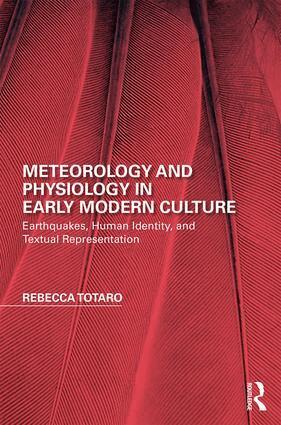
Meteorology and Physiology in Early Modern Culture
Earthquakes, Human Identity, and Textual Representation
Häftad, Engelska, 2020
753 kr
Skickas inom 10-15 vardagar
Meteorology and Physiology in Early Modern Culture: Earthquakes, Human Identity, and Textual Representation provides the first sustained examination of the foundational set of early modern beliefs linking meteorology and physiology. This was a relationship so intimate and, to us, poetic that we have spent centuries assuming early moderns were using figurative language when they represented the matter and motions of their bodies in meteorological terms and weather events in physiological ones. Early moderns believed they inhabited a geocentric universe in which the matter and motions constituting all sublunary things were the same and that therefore all things were compositionally and interactively related. What physically generated anger, erotic desire, and plague also generated thunder, the earthquake, and the comet. As a result, the interpretation of meteorological events, such as the 1580 earthquake in the Dover Strait, was consequential. With its radical and seemingly spontaneous shaking, an earthquake could expose inconvenient truths about the cause of matter and motion and about what, if anything, distinguishes humans from every other thing and from events. Meteorology and Physiology in Early Modern Culture reveals a need for reexamination of all representations of meteorology and physiology in the period. This reexamination begins here with a focus on the Titanic metamorphoses captured by Edmund Spenser, William Shakespeare, John Donne, and the many writers responding to the 1580 earthquake.
831 kr
Skickas inom 10-15 vardagar
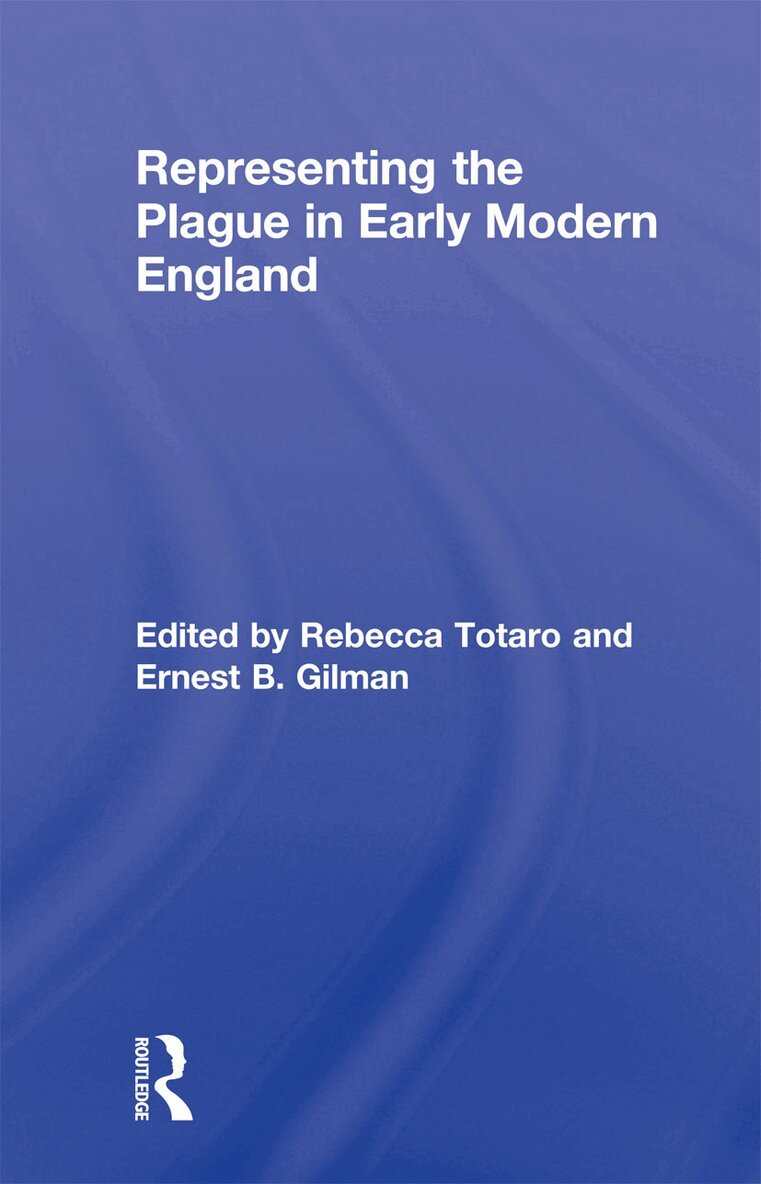
This collection offers readers a timely encounter with the historical experience of people adapting to a pandemic emergency and the corresponding narrative representation of that crisis, as early modern writers transformed the plague into literature. The essays examine the impact of the plague on health, politics, and religion as well as on the plays, prose fiction, and plague bills that stand as witnesses to the experience of a society devastated by contagious disease. Readers will find physicians and moralists wrestling with the mysteries of the disease; erotic escapades staged in plague-time plays; the poignant prose works of William Bullein and Thomas Dekker; the bodies of monarchs who sought to protect themselves from plague; the chameleon-like nature of the plague as literal disease and as metaphor; and future strains of plague, literary and otherwise, which we may face in the globally-minded, technology-dependent, and ecologically-awakened twenty-first century. The bubonic plague compelled change in all aspects of lived experience in Early Modern England, but at the same time, it opened space for writers to explore new ideas and new literary forms—not all of them somber or horrifying and some of them downright hilarious. By representing the plague for their audiences, these writers made an epidemic calamity intelligible: for them, the dreaded disease could signify despair but also hope, bewilderment but also a divine plan, quarantine but also liberty, death but also new life.
2 492 kr
Skickas inom 10-15 vardagar
This collection offers readers a timely encounter with the historical experience of people adapting to a pandemic emergency and the corresponding narrative representation of that crisis, as early modern writers transformed the plague into literature. The essays examine the impact of the plague on health, politics, and religion as well as on the plays, prose fiction, and plague bills that stand as witnesses to the experience of a society devastated by contagious disease. Readers will find physicians and moralists wrestling with the mysteries of the disease; erotic escapades staged in plague-time plays; the poignant prose works of William Bullein and Thomas Dekker; the bodies of monarchs who sought to protect themselves from plague; the chameleon-like nature of the plague as literal disease and as metaphor; and future strains of plague, literary and otherwise, which we may face in the globally-minded, technology-dependent, and ecologically-awakened twenty-first century. The bubonic plague compelled change in all aspects of lived experience in Early Modern England, but at the same time, it opened space for writers to explore new ideas and new literary forms—not all of them somber or horrifying and some of them downright hilarious. By representing the plague for their audiences, these writers made an epidemic calamity intelligible: for them, the dreaded disease could signify despair but also hope, bewilderment but also a divine plan, quarantine but also liberty, death but also new life.
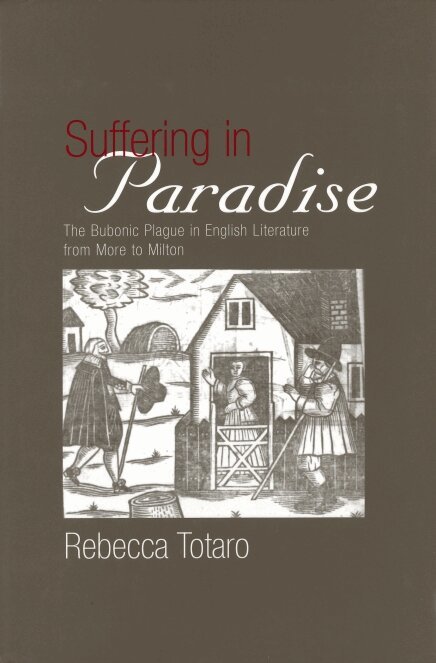
Suffering in Paradise
The Bubonic Plague in English Literary Studies from More to Milton
Inbunden, Engelska, 2005
1 259 kr
Skickas inom 5-8 vardagar
Meteorology and Physiology in Early Modern Culture
Earthquakes, Human Identity, and Textual Representation
Inbunden, Engelska, 2017
2 414 kr
Skickas inom 10-15 vardagar
Meteorology and Physiology in Early Modern Culture: Earthquakes, Human Identity, and Textual Representation provides the first sustained examination of the foundational set of early modern beliefs linking meteorology and physiology. This was a relationship so intimate and, to us, poetic that we have spent centuries assuming early moderns were using figurative language when they represented the matter and motions of their bodies in meteorological terms and weather events in physiological ones. Early moderns believed they inhabited a geocentric universe in which the matter and motions constituting all sublunary things were the same and that therefore all things were compositionally and interactively related. What physically generated anger, erotic desire, and plague also generated thunder, the earthquake, and the comet. As a result, the interpretation of meteorological events, such as the 1580 earthquake in the Dover Strait, was consequential. With its radical and seemingly spontaneous shaking, an earthquake could expose inconvenient truths about the cause of matter and motion and about what, if anything, distinguishes humans from every other thing and from events. Meteorology and Physiology in Early Modern Culture reveals a need for reexamination of all representations of meteorology and physiology in the period. This reexamination begins here with a focus on the Titanic metamorphoses captured by Edmund Spenser, William Shakespeare, John Donne, and the many writers responding to the 1580 earthquake.
784 kr
Skickas inom 10-15 vardagar
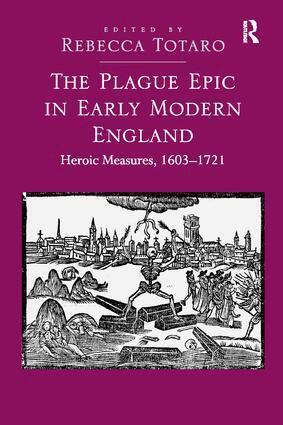
The Plague Epic in Early Modern England: Heroic Measures, 1603-1721 presents together, for the first time, modernized versions of ten of the most poignant of plague poems in the English language - each composed in heroic verse and responding to the urgent need to justify the ways of God in times of social, religious, and political upheaval. Showcasing unusual combinations of passion and restraint, heart-rending lamentation and nation-building fervor, these poems function as literary memorials to the plague-time fallen. In an extended introduction, Rebecca Totaro makes the case that these poems belong to a distinct literary genre that she calls the 'plague epic.' Because the poems are formally and thematically related to Milton's great epics Paradise Lost and Paradise Regained, this volume represents a rare discovery of previously unidentified sources of great value for Milton studies and scholarly research into the epic, didactic verse, cultural studies of the seventeenth century, illness as metaphor, and interdisciplinary approaches to illness, natural disaster, trauma, and memory.
1 314 kr
Skickas inom 10-15 vardagar
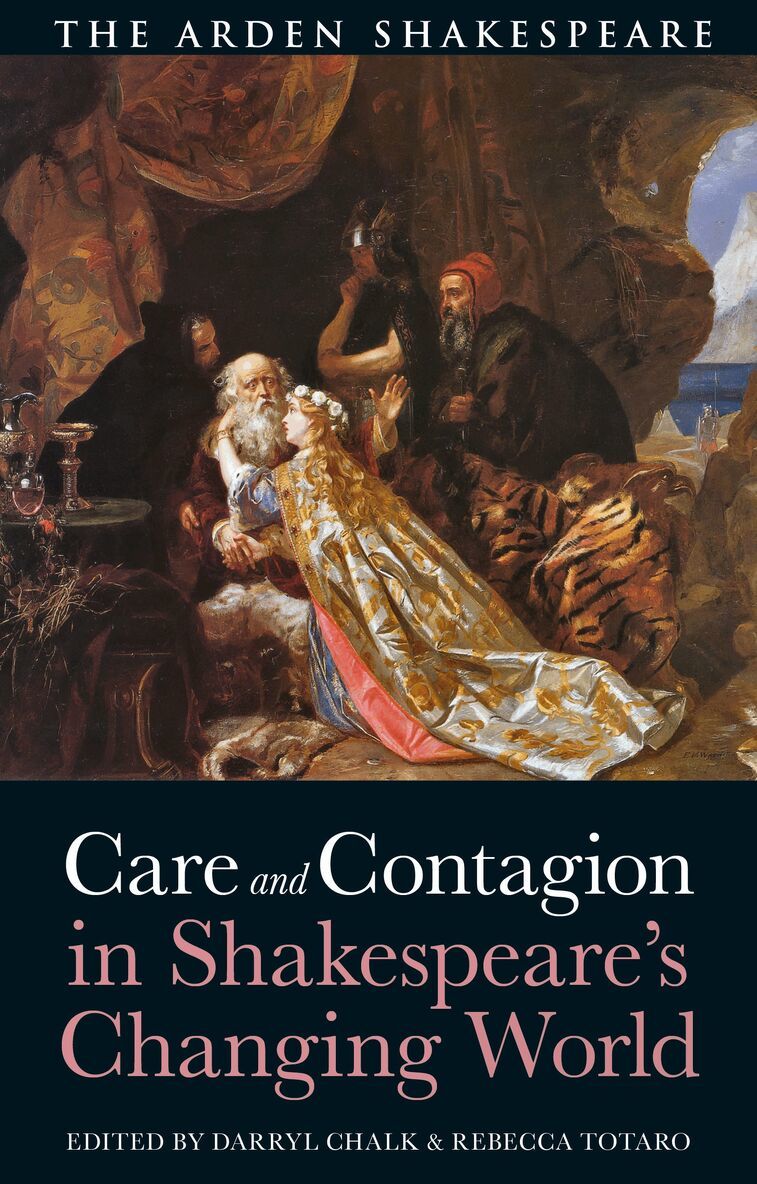
Circuits of disease correspond to previously unconsidered practices of caregiving in early modern English drama in this new volume by Darryl Chalk and Rebecca Totaro. They explore how the plays of Shakespeare and his contemporaries responded to and intersected with local and international ideas of communal care, health management, quarantine, embodiment, and theatricality.The role of the spectators who found themselves represented in such themes of caregiving in times of crisis finds new meaning in Chalk and Totaro’s framing. Foregrounded by pioneering archival research, chapters provide new insights into several Shakespeare plays performed on stages in London and at the court of King James I, as well as several plays by his contemporaries including Webster, Dekker, and Middleton. Contributors explore plague and privilege in Romeo and Juliet, servants and caregiving in King Lear, women and herbal medicine in The Winter’s Tale, astrology in The Duchess of Malfi, and the humour that attaches itself to illness in The Roaring Girl. These case studies expand our understanding of the caregiving that connected people across place and time as powerfully as the lived experience of disease did.
2 647 kr
Skickas inom 10-15 vardagar
The Plague Epic in Early Modern England: Heroic Measures, 1603-1721 presents together, for the first time, modernized versions of ten of the most poignant of plague poems in the English language - each composed in heroic verse and responding to the urgent need to justify the ways of God in times of social, religious, and political upheaval. Showcasing unusual combinations of passion and restraint, heart-rending lamentation and nation-building fervor, these poems function as literary memorials to the plague-time fallen. In an extended introduction, Rebecca Totaro makes the case that these poems belong to a distinct literary genre that she calls the 'plague epic.' Because the poems are formally and thematically related to Milton's great epics Paradise Lost and Paradise Regained, this volume represents a rare discovery of previously unidentified sources of great value for Milton studies and scholarly research into the epic, didactic verse, cultural studies of the seventeenth century, illness as metaphor, and interdisciplinary approaches to illness, natural disaster, trauma, and memory.