Ernest B. Gilman – författare
1 000 kr
Läs direkt efter köp
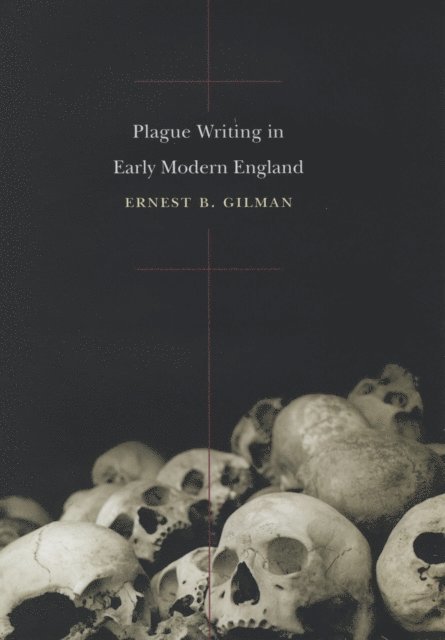
During the seventeenth century, England was beset by three epidemics of the bubonic plague, each outbreak claiming between a quarter and a third of the population of London and other urban centers. Surveying a wide range of responses to these epidemics—sermons, medical tracts, pious exhortations, satirical pamphlets, and political commentary—Plague Writing in Early Modern England brings to life the many and complex ways Londoners made sense of such unspeakable devastation.
Ernest B. Gilman argues that the plague writing of the period attempted unsuccessfully to rationalize the catastrophic and that its failure to account for the plague as an instrument of divine justice fundamentally threatened the core of Christian belief. Gilman also trains his critical eye on the works of Jonson, Donne, Pepys, and Defoe, which, he posits, can be more fully understood when put into the context of this century-long project to “write out” the plague. Ultimately, Plague Writing in Early Modern England is more than a compendium of artifacts of a bygone era; it holds up a distant mirror to reflect our own condition in the age of AIDS, super viruses, multidrug resistant tuberculosis, and the hovering threat of a global flu pandemic.
862 kr
Skickas inom 10-15 vardagar
2 586 kr
Skickas inom 10-15 vardagar
355 kr
Läs direkt efter köp
989 kr
Läs direkt efter köp
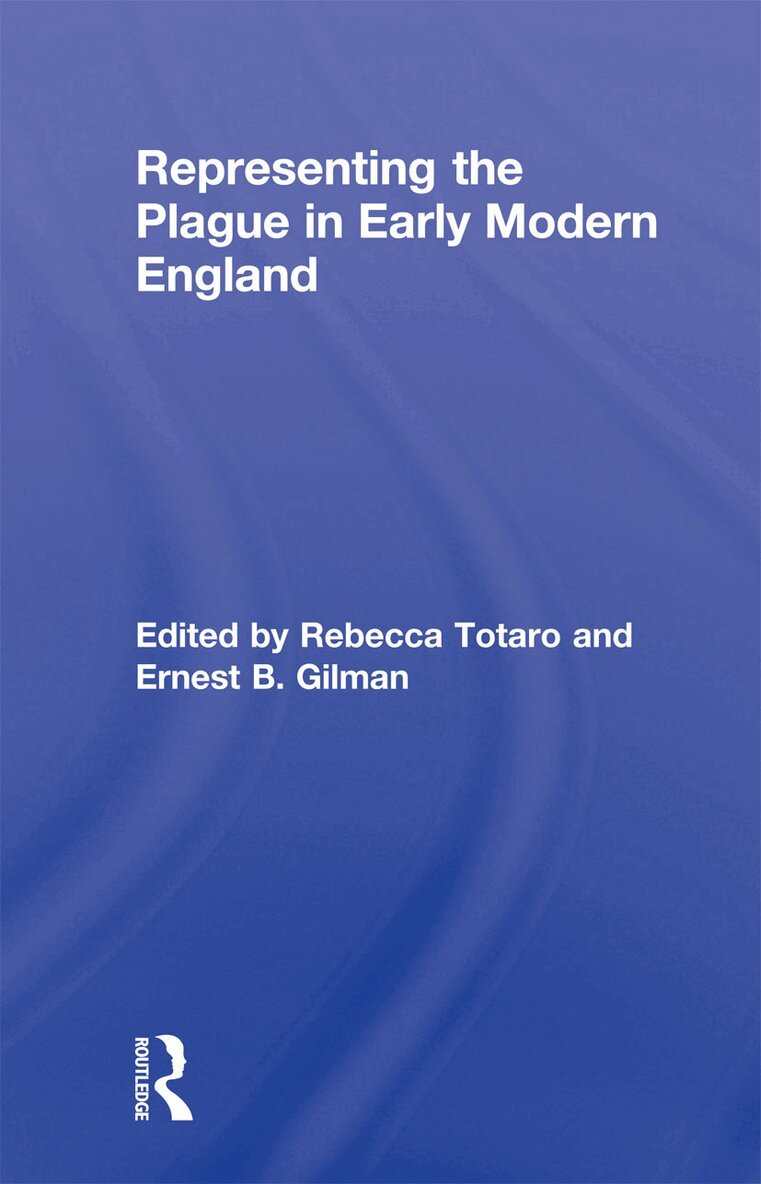
This collection offers readers a timely encounter with the historical experience of people adapting to a pandemic emergency and the corresponding narrative representation of that crisis, as early modern writers transformed the plague into literature. The essays examine the impact of the plague on health, politics, and religion as well as on the plays, prose fiction, and plague bills that stand as witnesses to the experience of a society devastated by contagious disease. Readers will find physicians and moralists wrestling with the mysteries of the disease; erotic escapades staged in plague-time plays; the poignant prose works of William Bullein and Thomas Dekker; the bodies of monarchs who sought to protect themselves from plague; the chameleon-like nature of the plague as literal disease and as metaphor; and future strains of plague, literary and otherwise, which we may face in the globally-minded, technology-dependent, and ecologically-awakened twenty-first century. The bubonic plague compelled change in all aspects of lived experience in Early Modern England, but at the same time, it opened space for writers to explore new ideas and new literary forms—not all of them somber or horrifying and some of them downright hilarious. By representing the plague for their audiences, these writers made an epidemic calamity intelligible: for them, the dreaded disease could signify despair but also hope, bewilderment but also a divine plan, quarantine but also liberty, death but also new life.
989 kr
Läs direkt efter köp
This collection offers readers a timely encounter with the historical experience of people adapting to a pandemic emergency and the corresponding narrative representation of that crisis, as early modern writers transformed the plague into literature. The essays examine the impact of the plague on health, politics, and religion as well as on the plays, prose fiction, and plague bills that stand as witnesses to the experience of a society devastated by contagious disease. Readers will find physicians and moralists wrestling with the mysteries of the disease; erotic escapades staged in plague-time plays; the poignant prose works of William Bullein and Thomas Dekker; the bodies of monarchs who sought to protect themselves from plague; the chameleon-like nature of the plague as literal disease and as metaphor; and future strains of plague, literary and otherwise, which we may face in the globally-minded, technology-dependent, and ecologically-awakened twenty-first century. The bubonic plague compelled change in all aspects of lived experience in Early Modern England, but at the same time, it opened space for writers to explore new ideas and new literary forms—not all of them somber or horrifying and some of them downright hilarious. By representing the plague for their audiences, these writers made an epidemic calamity intelligible: for them, the dreaded disease could signify despair but also hope, bewilderment but also a divine plan, quarantine but also liberty, death but also new life.
Fables in Frames
La Fontaine and Visual Culture in Nineteenth-Century France
1 023 kr
Tillfälligt slut