Renée Mickelburgh - Böcker
Visar alla böcker från författaren Renée Mickelburgh. Handla med fri frakt och snabb leverans.
6 produkter
6 produkter
1 512 kr
Skickas inom 10-15 vardagar
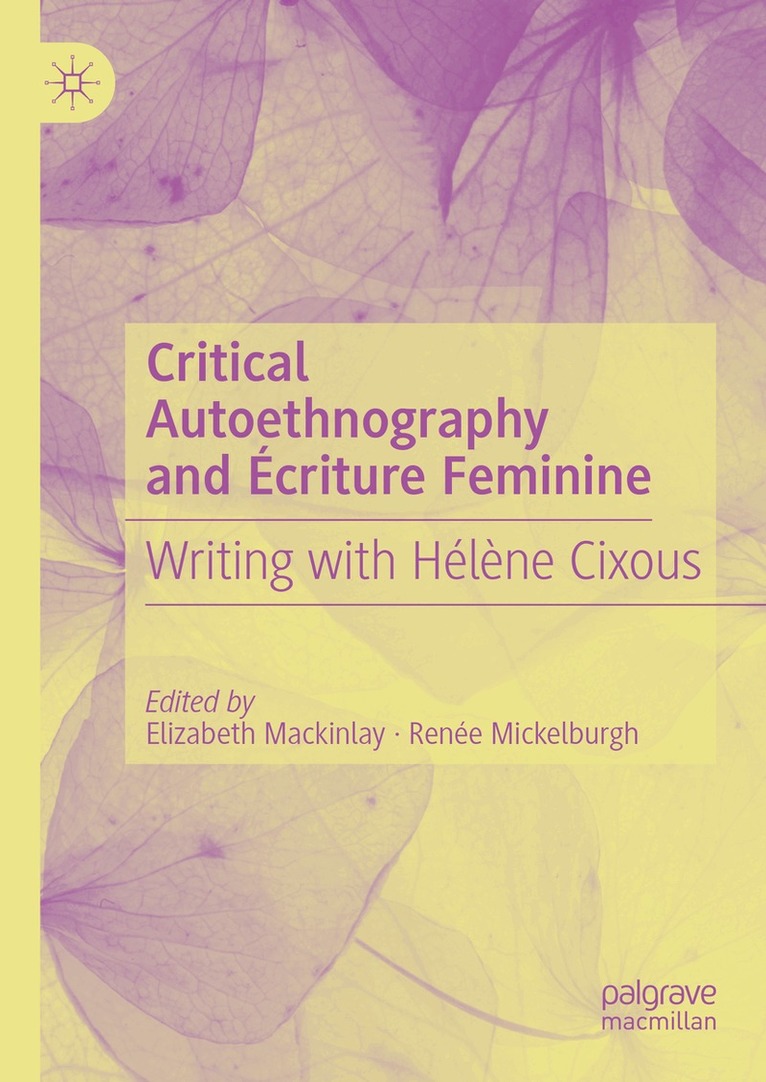
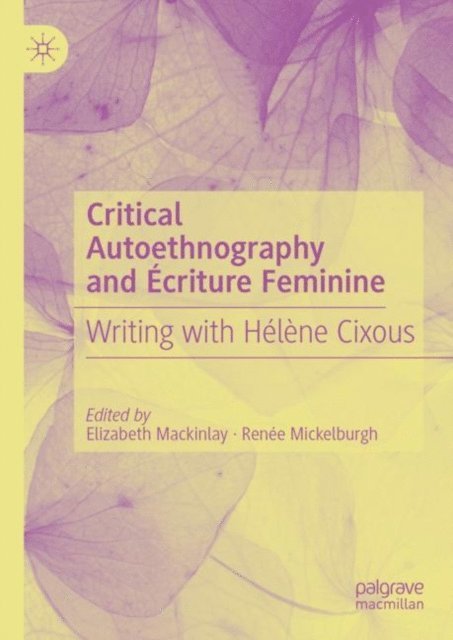
The project offers a collection of new interdisciplinary critical autoethnographic engagements with Hélène Cixous écriture feminine and work Three steps on the ladder of writing. Critical autoethnography shares a reciprocal, and inter-animating relationship with Hélène Cixous’ écriture feminine (“feminine writing”), and in this collection authors explore that inter-animation by explicitly engaging with Three steps on the ladder of writing. Three steps is a poetic, insightful, and ultimately moving reflection on the writing process and explores three distinct areas essential for writing: The School of the Dead—the notion that something or someone must die in order for good writing to be born; The School of Dreams—the crucial role dreams play in literary inspiration and output; and The School of Roots—the importance of depth in the 'nether realms' in all aspects of writing. Topics covered include: ways Cixous’ work can address the need for loss and reparation in writing critical autoethnography, how Cixous’ writing “makes our body speak” through concepts of birth and the body in, through and of critical autoethnography, whether writing in this way recast and reform prevailing orders of domination and oppression, and how Cixous’ writing around the ethics of loving and giving translates into response-able and non-violent forms of critical autoethnography in relation to otherness and difference. In this collection, we invite you to “Let us go to the school of [critical autoethnographic] writing” (Cixous, 1993, p. 3) with the work of Hélène Cixous, and speak in a different way and through a different medium of academic language, in an approach that reveals the tensions, the paradoxes, the pains and the pleasures of writing with critical autoethnography in the contemporary university.
1 512 kr
Skickas inom 10-15 vardagar
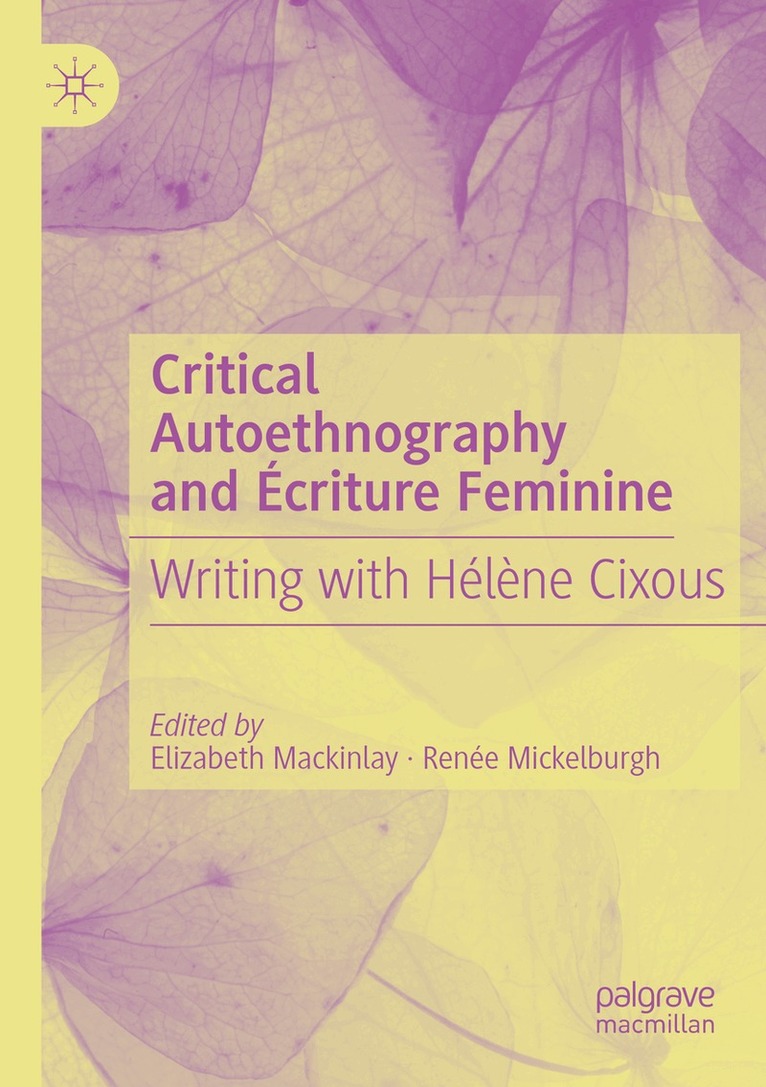
The project offers a collection of new interdisciplinary critical autoethnographic engagements with Hélène Cixous écriture feminine and work Three steps on the ladder of writing. Critical autoethnography shares a reciprocal, and inter-animating relationship with Hélène Cixous’ écriture feminine (“feminine writing”), and in this collection authors explore that inter-animation by explicitly engaging with Three steps on the ladder of writing. Three steps is a poetic, insightful, and ultimately moving reflection on the writing process and explores three distinct areas essential for writing: The School of the Dead—the notion that something or someone must die in order for good writing to be born; The School of Dreams—the crucial role dreams play in literary inspiration and output; and The School of Roots—the importance of depth in the 'nether realms' in all aspects of writing. Topics covered include: ways Cixous’ work can address the need for loss and reparation in writing critical autoethnography, how Cixous’ writing “makes our body speak” through concepts of birth and the body in, through and of critical autoethnography, whether writing in this way recast and reform prevailing orders of domination and oppression, and how Cixous’ writing around the ethics of loving and giving translates into response-able and non-violent forms of critical autoethnography in relation to otherness and difference. In this collection, we invite you to “Let us go to the school of [critical autoethnographic] writing” (Cixous, 1993, p. 3) with the work of Hélène Cixous, and speak in a different way and through a different medium of academic language, in an approach that reveals the tensions, the paradoxes, the pains and the pleasures of writing with critical autoethnography in the contemporary university.
493 kr
Skickas inom 10-15 vardagar
This open access book examines the ways that consent operates in contemporary culture, suggesting it is a useful starting point to respectful relationships. Though this work considers victimisation, it also pays careful attention to the ways vulnerable groups take up their rights and understand and practice consent in meaningful ways.
395 kr
Skickas inom 10-15 vardagar
This open access book examines the ways that consent operates in contemporary culture, suggesting it is a useful starting point to respectful relationships. This work, however, seeks to delve deeper, into the more complicated aspects of sexual consent. It examines the ways meaningful consent is difficult, if not impossible, in relationships that involve intimate partner violence or family violence. It considers the way vulnerable communities need access to information on consent. It highlights the difficulties of consent and reproductive rights, including the use (and abuse) of contraception and abortion. Finally, it considers the ways that young women are reshaping narratives of sexual assault and consent, as active agents both online and offline. Though this work considers victimisation, it also pays careful attention to the ways vulnerable groups take up their rights and understand and practice consent in meaningful ways.
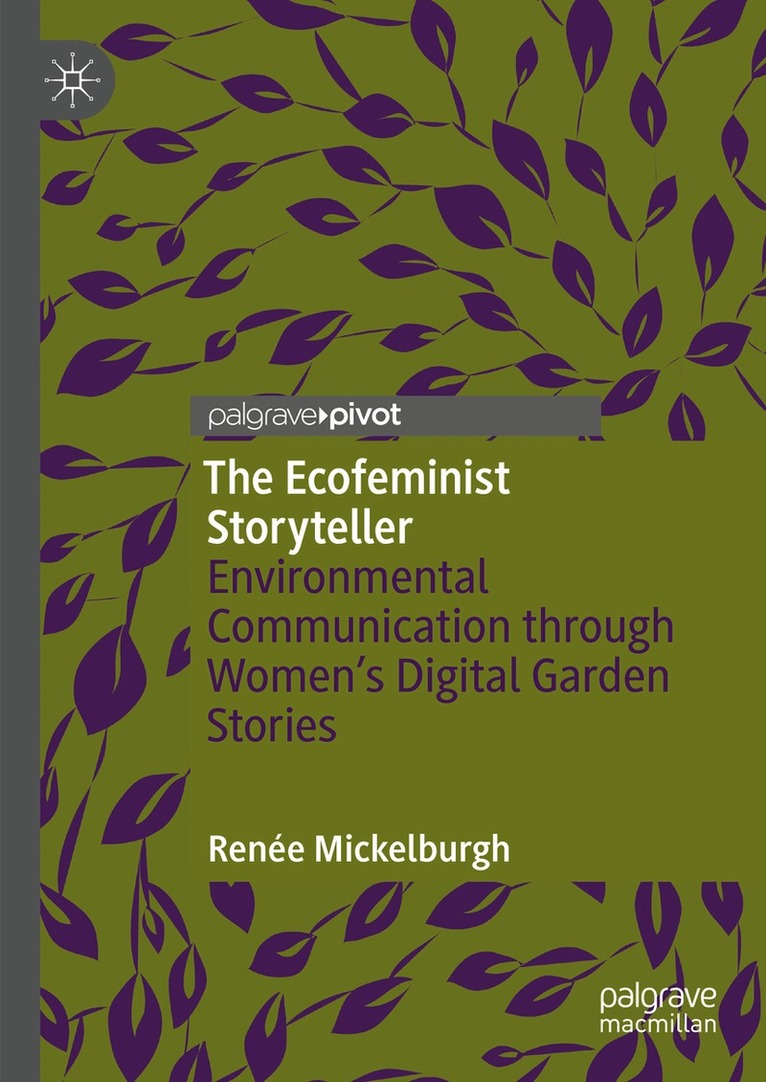
Ecofeminist Storyteller
Environmental Communication through Women's Digital Garden Stories
Inbunden, Engelska, 2024
482 kr
Skickas inom 10-15 vardagar
This book explores the way stories that emerge from the garden and are consumed in the digital space can become a nourished method of environmental communication.
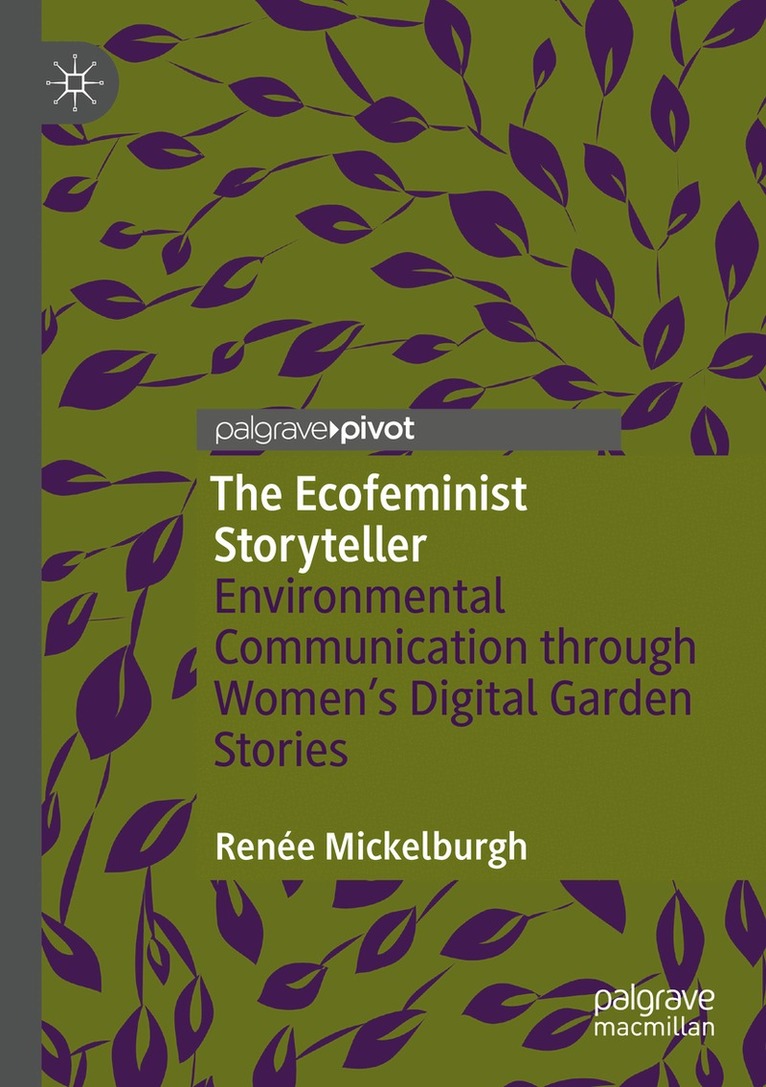
Ecofeminist Storyteller
Environmental Communication through Women's Digital Garden Stories
Häftad, Engelska, 2025
482 kr
Skickas inom 10-15 vardagar
This book explores the way stories that emerge from the garden and are consumed in the digital space can become a nourished method of environmental communication. Mickelburgh seeks to understand what happens when some women speak, write, and photograph their private, everyday garden lives, and share those stories with a public, global, digital world. The garden is the place people get deeply acquainted with. This book considers Australian ecofeminist Val Plumwood’s urging for a “deep acquaintance with some place, or perhaps group of places” to discover a communicative “language of the land’’. The online world brings us into closer vicinity to this humble space, and yet a distance remains. This distance—the in-between—is the space where the possibility of communication lies. In keeping with its humble focus, this book asks simple questions of the garden. What happens when Australian women gardeners tell stories of community, care and compassion in a space that is both material and digital? Does digital soundwork, sightwork, and wordwork about gardens equate to communicative groundwork? This book tries to answer these questions by examining the digital stories of Australian women’s gardening lives. It aims to engage the reader through its emphasis on showing rather than telling the way affective communication circulates in the physical place, memories, the body, and the digital realm, in conversation with the many women writers and feminist scholars concerned with the entanglement of feminism, writing, the environment, and communication.