Renisa Mawani - Böcker
Visar alla böcker från författaren Renisa Mawani. Handla med fri frakt och snabb leverans.
10 produkter
10 produkter
Colonial Proximities
Crossracial Encounters and Juridical Truths in British Columbia, 1871-1921
Häftad, Engelska, 2010
372 kr
Skickas inom 7-10 vardagar
Colonial Proximities traces the encounters between aboriginal peoples, mixed-race populations, Chinese migrants, and Europeans in late-nineteenth- and early-twentieth-century British Columbia.
980 kr
Skickas inom 7-10 vardagar
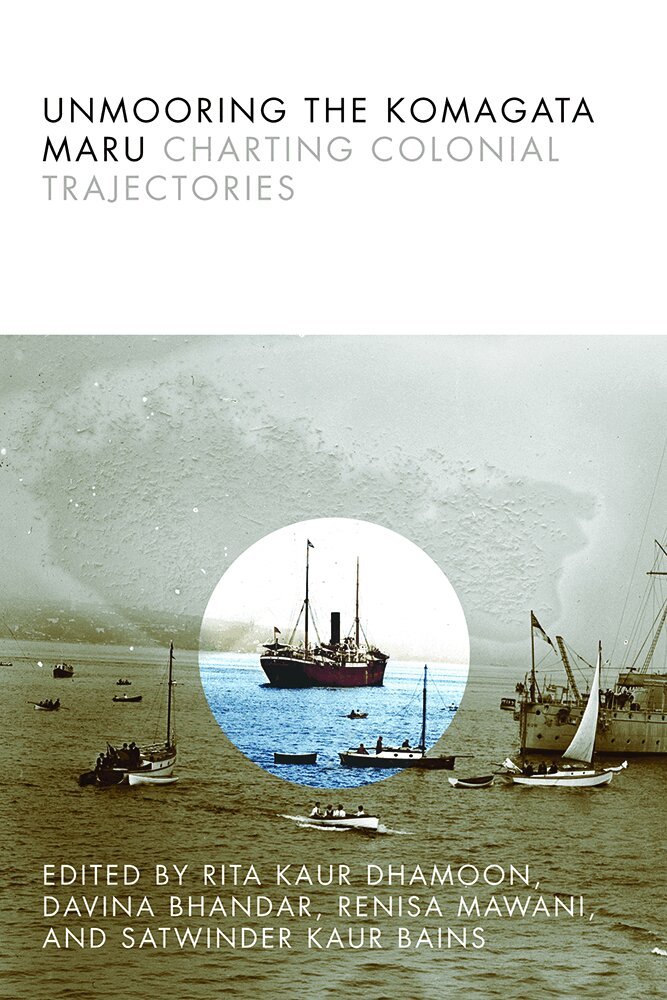
In 1914, the SS Komagata Maru crossed oceans and jurisdictions to arrive at the west coast of Canada. Canadian officials, calling on legislative acts designed to limit the immigration of Indians, detained the ship for two months in Vancouver Harbour. Most of the 376 passengers were then forcibly returned to India. Unmooring the Komagata Maru challenges conventional Canadian historical accounts by drawing from multiple disciplines and fields to consider the international and colonial dimensions of the voyage. By situating the history of South Asians in Canada in a global-imperial context, this volume emphasizes the ways in which the Komagata Maru incident is related to issues of colonialism more generally. The contributors offer a critical reading of Canadian multiculturalism through past events and their commemoration. Ultimately, they caution against narratives that present the ship's journey as a dark moment in the history of a redeemed nation. Unmooring the Komagata Maru demonstrates that, a hundred years later, the voyage of the Komagata Maru has yet to reach its conclusion.
399 kr
Skickas inom 7-10 vardagar
In 1914, the SS Komagata Maru crossed oceans and jurisdictions to arrive at the west coast of Canada. Canadian officials, calling on legislative acts designed to limit the immigration of Indians, detained the ship for two months in Vancouver Harbour. Most of the 376 passengers were then forcibly returned to India. Unmooring the Komagata Maru challenges conventional Canadian historical accounts by drawing from multiple disciplines and fields to consider the international and colonial dimensions of the voyage. By situating the history of South Asians in Canada in a global-imperial context, this volume emphasizes the ways in which the Komagata Maru incident is related to issues of colonialism more generally. The contributors offer a critical reading of Canadian multiculturalism through past events and their commemoration. Ultimately, they caution against narratives that present the ship's journey as a dark moment in the history of a redeemed nation. Unmooring the Komagata Maru demonstrates that, a hundred years later, the voyage of the Komagata Maru has yet to reach its conclusion.
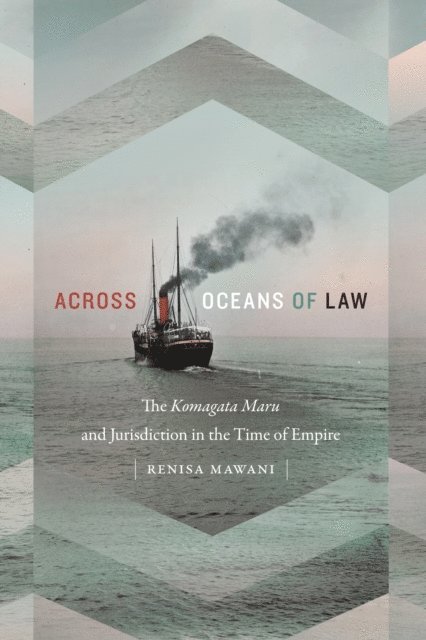
Across Oceans of Law
The Komagata Maru and Jurisdiction in the Time of Empire
Inbunden, Engelska, 2018
2 010 kr
Skickas inom 3-6 vardagar
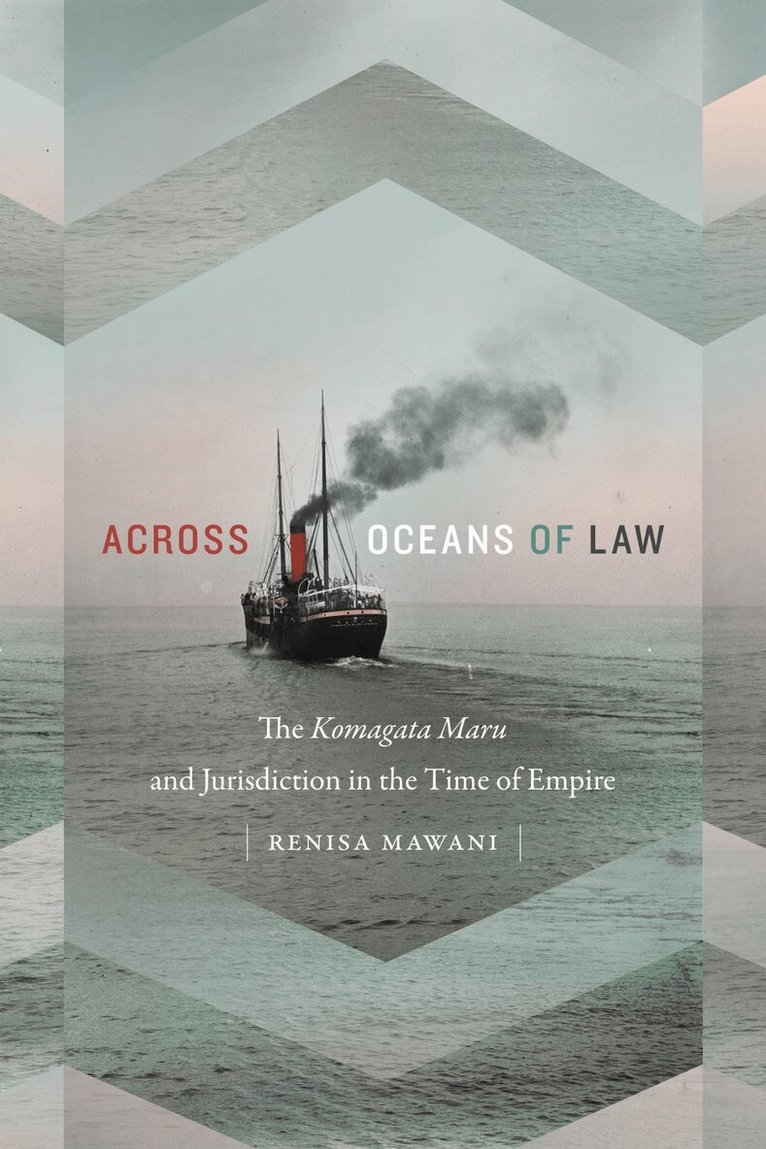
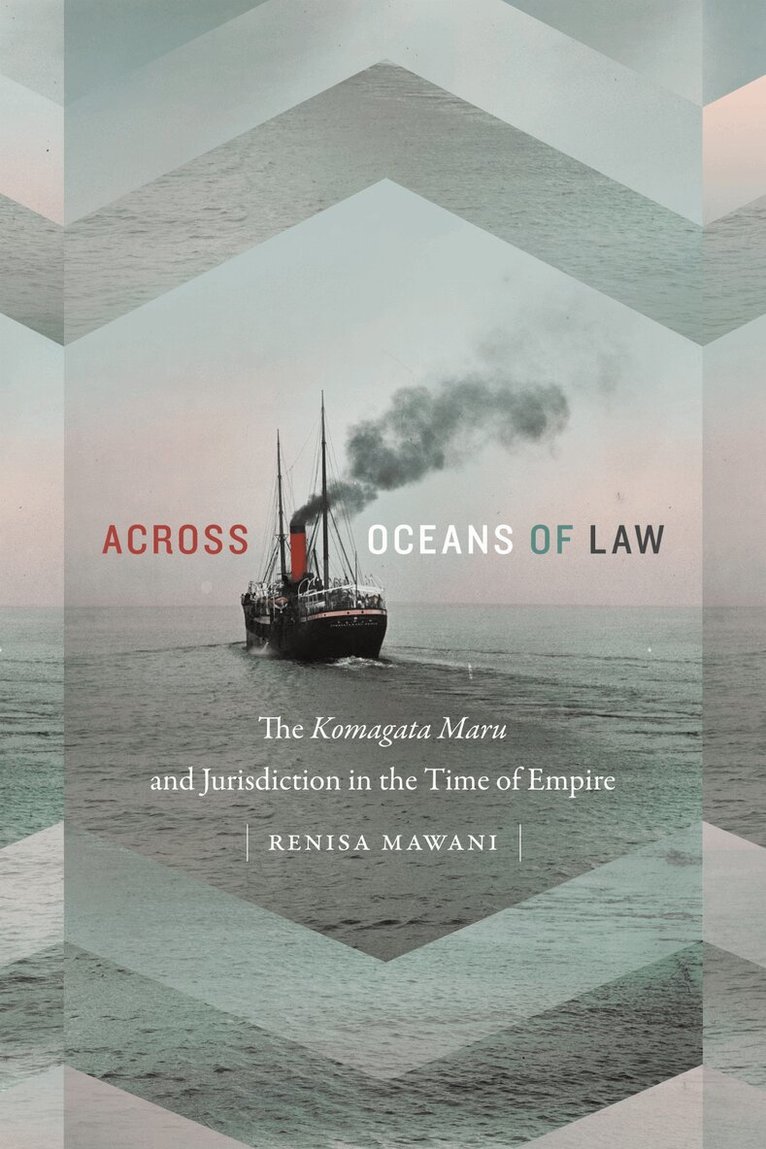
In 1914 the British-built and Japanese-owned steamship Komagata Maru left Hong Kong for Vancouver carrying 376 Punjabi migrants. Chartered by railway contractor and purported rubber planter Gurdit Singh, the ship and its passengers were denied entry into Canada and two months later were deported to Calcutta. In Across Oceans of Law Renisa Mawani retells this well-known story of the Komagata Maru. Drawing on "oceans as method"-a mode of thinking and writing that repositions land and sea-Mawani examines the historical and conceptual stakes of situating histories of Indian migration within maritime worlds. Through close readings of the ship, the manifest, the trial, and the anticolonial writings of Singh and others, Mawani argues that the Komagata Maru's landing raised urgent questions regarding the jurisdictional tensions between the common law and admiralty law, and, ultimately, the legal status of the sea. By following the movements of a single ship and bringing oceans into sharper view, Mawani traces British imperial power through racial, temporal, and legal contests and offers a novel method of writing colonial legal history.
377 kr
Skickas
In 1914 the British-built and Japanese-owned steamship Komagata Maru left Hong Kong for Vancouver carrying 376 Punjabi migrants. Chartered by railway contractor and purported rubber planter Gurdit Singh, the ship and its passengers were denied entry into Canada and two months later were deported to Calcutta. In Across Oceans of Law Renisa Mawani retells this well-known story of the Komagata Maru. Drawing on "oceans as method"-a mode of thinking and writing that repositions land and sea-Mawani examines the historical and conceptual stakes of situating histories of Indian migration within maritime worlds. Through close readings of the ship, the manifest, the trial, and the anticolonial writings of Singh and others, Mawani argues that the Komagata Maru's landing raised urgent questions regarding the jurisdictional tensions between the common law and admiralty law, and, ultimately, the legal status of the sea. By following the movements of a single ship and bringing oceans into sharper view, Mawani traces British imperial power through racial, temporal, and legal contests and offers a novel method of writing colonial legal history.
2 103 kr
Skickas inom 10-15 vardagar
In Oceans as Archives, the ocean forms a generative site to develop practices of reading, writing, thinking, and imagining a long era of climate catastrophe. Many scholars, artists, and activists have argued that climate catastrophe demands new methods of writing, representation, and critique that attend to the violences and erasures of the past and create new possibilities for a collective future. Indigenous, Black, and (formerly) colonized peoples have centered oceans as sites of contest and connection, spaces of subversion, multispecies entanglement, ancestral knowledge, and as sources of life.Including short and long essays, poems, and creative interventions, this volume centers oceans as archives to expand engagements with ocean justice from non-Eurocentric critical lineages characteristic of the racial capitalocene. It speaks to questions of oceanic past-present-futures from an array of ocean regions, (inter)disciplinary fields, his/her/their stories, surfaces and depths. This scholarship—in all its multiplicity—forms a compass, a guide, a critical reminder that there have always been ways to think with the ocean beyond European cartography, extraction, capitalism, and colonization. Oceans as Archives will be essential reading for those interested in critical ocean studies, environmental humanities, Indigenous studies, Black studies, cultural studies, sociolegal studies, geography, and oceanography.
1 177 kr
Skickas inom 10-15 vardagar
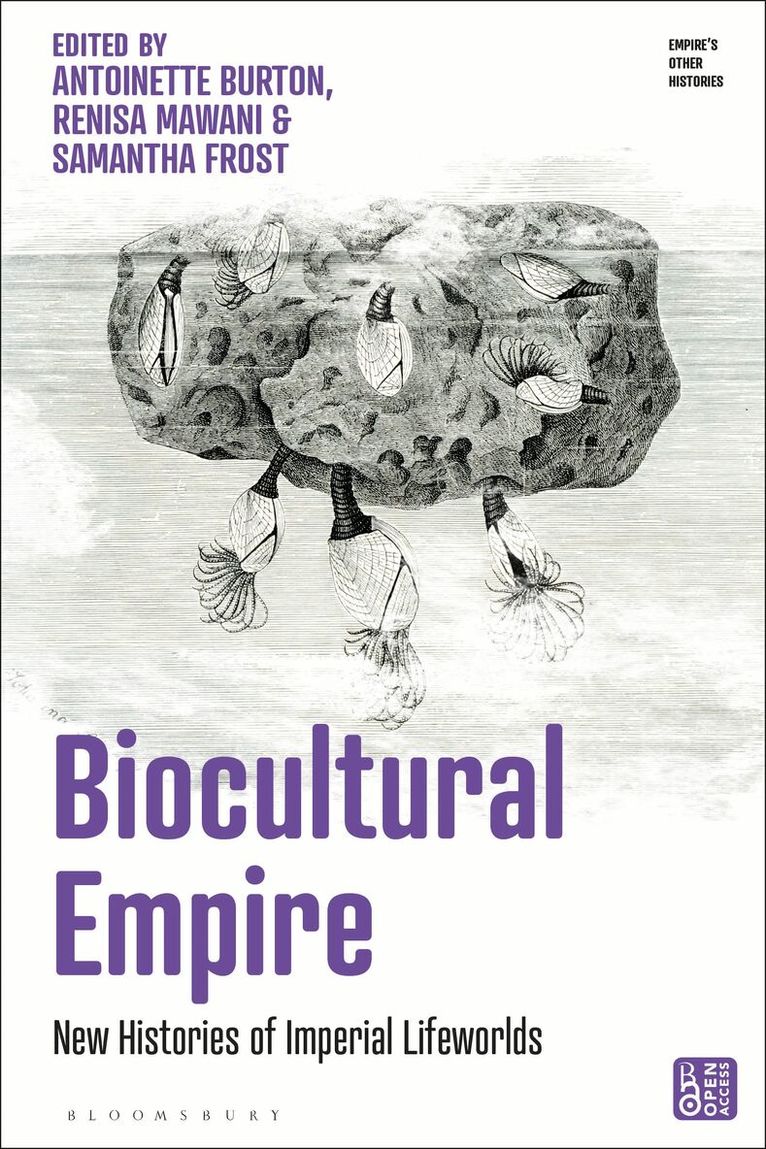
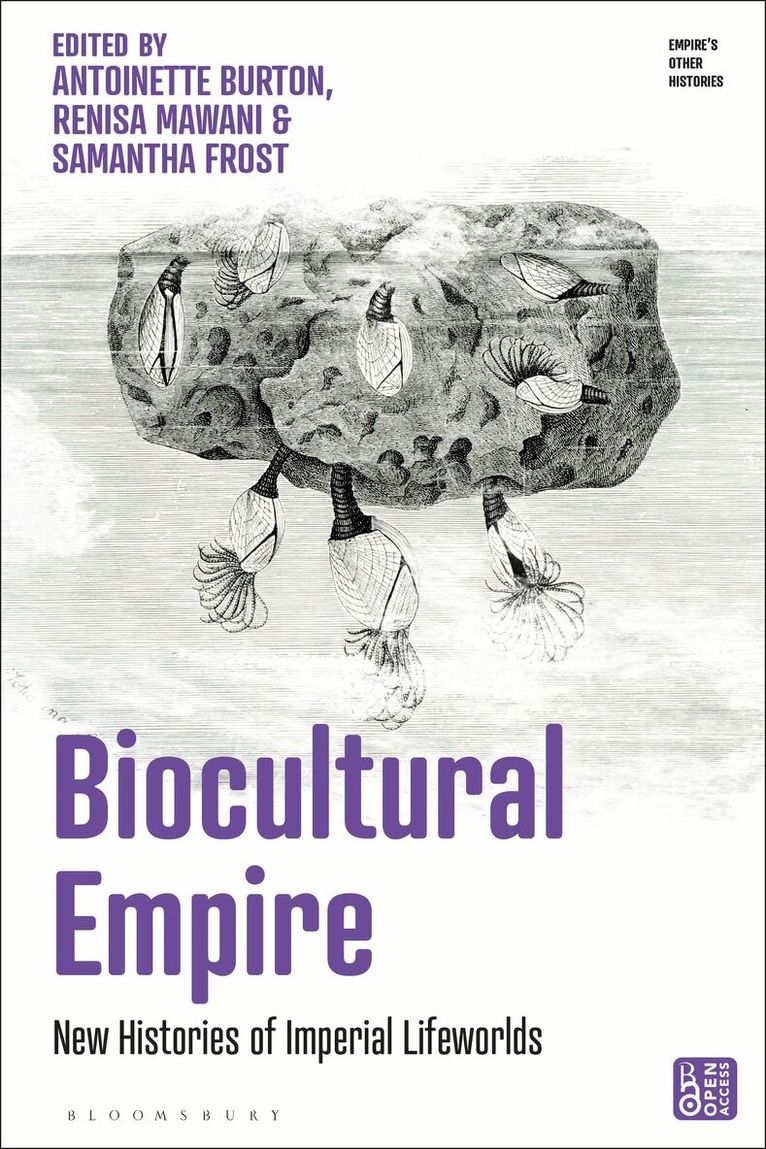
Human species supremacy is one of the most persistent fictions at work in the field of modern British imperial history today. This open access collection challenges that assumption, and investigates what histories of empire look like if reimagined as the effect of biocultural, chemical and cultural processes, rather than the result of effects by humans that have been visited upon cultural landscapes, fauna and biomes.In understanding the boundaries between human and nonhuman worlds as porous and open to mutual transformation, and foregrounding interspecies interactions, Biocultural Empire seeks to understand the conditions of imperial power, experience and knowledge as a remix of ‘nature’ and ‘culture’. Bringing empire’s ‘biocultural histories’ to the fore, it asks imperial historians to reckon with an interpretative framework which refuses the sovereignty and boundedness of the imperial subject by seeing it as inseparable from its social and ecological formations. Through this biocultural framework this collection highlights how relentlessly the human species bias of western liberal thought persists at the heart of imperial projects and their histories, and offers a new anti-colonial method that represents a significant intervention in the field of British imperial history.The ebook editions of this book are available open access under a CC BY-NC-ND 4.0 licence on bloomsburycollections.com. Open access was funded by University of Illinois, USA and University of British Columbia, Canada.
499 kr
Kommande
Human species supremacy is one of the most persistent fictions at work in the field of modern British imperial history today. This open access collection challenges that assumption, and investigates what histories of empire look like if reimagined as the effect of biocultural, chemical and cultural processes, rather than the result of effects by humans that have been visited upon cultural landscapes, fauna and biomes.In understanding the boundaries between human and nonhuman worlds as porous and open to mutual transformation, and foregrounding interspecies interactions, Biocultural Empire seeks to understand the conditions of imperial power, experience and knowledge as a remix of ‘nature’ and ‘culture’. Bringing empire’s ‘biocultural histories’ to the fore, it asks imperial historians to reckon with an interpretative framework which refuses the sovereignty and boundedness of the imperial subject by seeing it as inseparable from its social and ecological formations. Through this biocultural framework this collection highlights how relentlessly the human species bias of western liberal thought persists at the heart of imperial projects and their histories, and offers a new anti-colonial method that represents a significant intervention in the field of British imperial history.The ebook editions of this book are available open access under a CC BY-NC-ND 4.0 licence on bloomsburycollections.com. Open access was funded by University of Illinois, USA and University of British Columbia, Canada.
1 115 kr
Skickas inom 7-10 vardagar
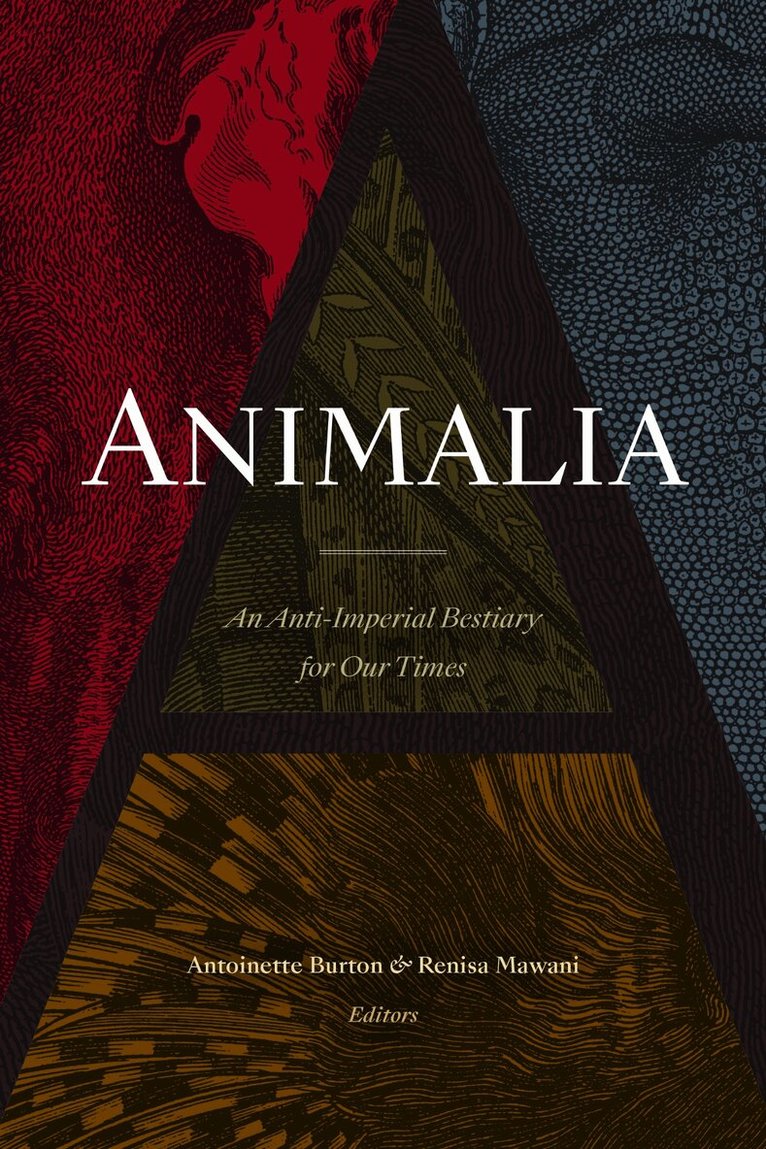
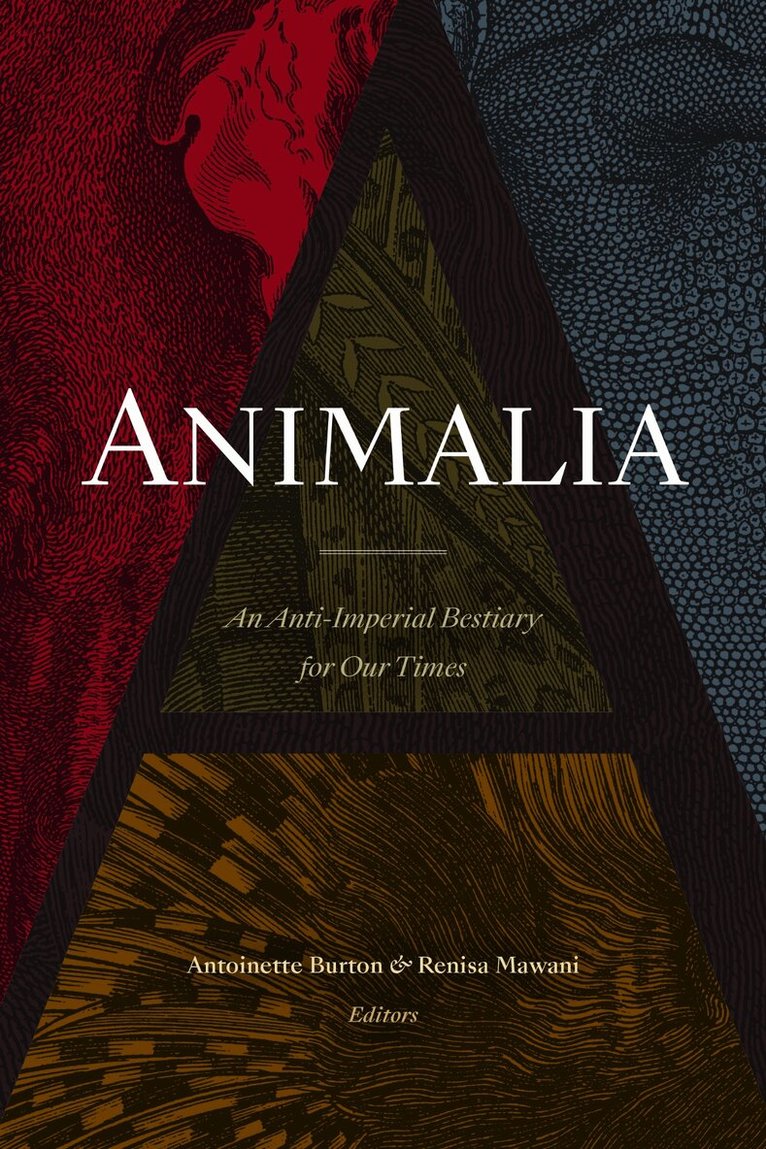
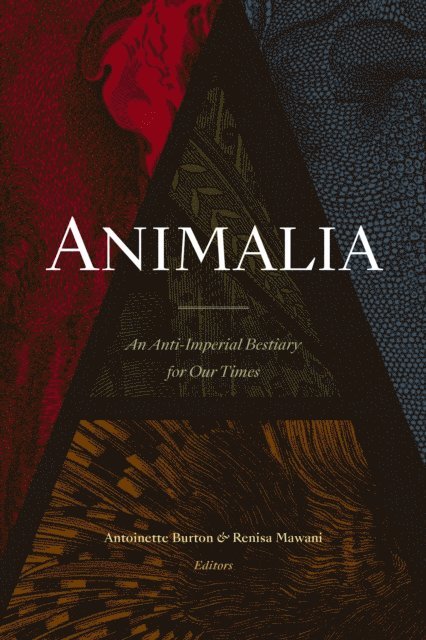
From yaks and vultures to whales and platypuses, animals have played central roles in the history of British imperial control. The contributors to Animalia analyze twenty-six animals-domestic, feral, predatory, and mythical-whose relationship to imperial authorities and settler colonists reveals how the presumed racial supremacy of Europeans underwrote the history of Western imperialism. Victorian imperial authorities, adventurers, and colonists used animals as companions, military transportation, agricultural laborers, food sources, and status symbols. They also overhunted and destroyed ecosystems, laying the groundwork for what has come to be known as climate change. At the same time, animals such as lions, tigers, and mosquitoes interfered in the empire's racial, gendered, and political aspirations by challenging the imperial project’s sense of inevitability. Unconventional and innovative in form and approach, Animalia invites new ways to consider the consequences of imperial power by demonstrating how the politics of empire-in its racial, gendered, and sexualized forms-played out in multispecies relations across jurisdictions under British imperial control.Contributors. Neel Ahuja, Tony Ballantyne, Antoinette Burton, Utathya Chattopadhyaya, Jonathan Goldberg-Hiller, Peter Hansen, Isabel Hofmeyr, Anna Jacobs, Daniel Heath Justice, Dane Kennedy, Jagjeet Lally, Krista Maglen, Amy E. Martin, Renisa Mawani, Heidi J. Nast, Michael A. Osborne, Harriet Ritvo, George Robb, Jonathan Saha, Sandra Swart, Angela Thompsell
277 kr
Skickas inom 7-10 vardagar
From yaks and vultures to whales and platypuses, animals have played central roles in the history of British imperial control. The contributors to Animalia analyze twenty-six animals-domestic, feral, predatory, and mythical-whose relationship to imperial authorities and settler colonists reveals how the presumed racial supremacy of Europeans underwrote the history of Western imperialism. Victorian imperial authorities, adventurers, and colonists used animals as companions, military transportation, agricultural laborers, food sources, and status symbols. They also overhunted and destroyed ecosystems, laying the groundwork for what has come to be known as climate change. At the same time, animals such as lions, tigers, and mosquitoes interfered in the empire's racial, gendered, and political aspirations by challenging the imperial project’s sense of inevitability. Unconventional and innovative in form and approach, Animalia invites new ways to consider the consequences of imperial power by demonstrating how the politics of empire-in its racial, gendered, and sexualized forms-played out in multispecies relations across jurisdictions under British imperial control.Contributors. Neel Ahuja, Tony Ballantyne, Antoinette Burton, Utathya Chattopadhyaya, Jonathan Goldberg-Hiller, Peter Hansen, Isabel Hofmeyr, Anna Jacobs, Daniel Heath Justice, Dane Kennedy, Jagjeet Lally, Krista Maglen, Amy E. Martin, Renisa Mawani, Heidi J. Nast, Michael A. Osborne, Harriet Ritvo, George Robb, Jonathan Saha, Sandra Swart, Angela Thompsell