Richard Taws – författare
Visar alla böcker från författaren Richard Taws. Handla med fri frakt och snabb leverans.
11 produkter
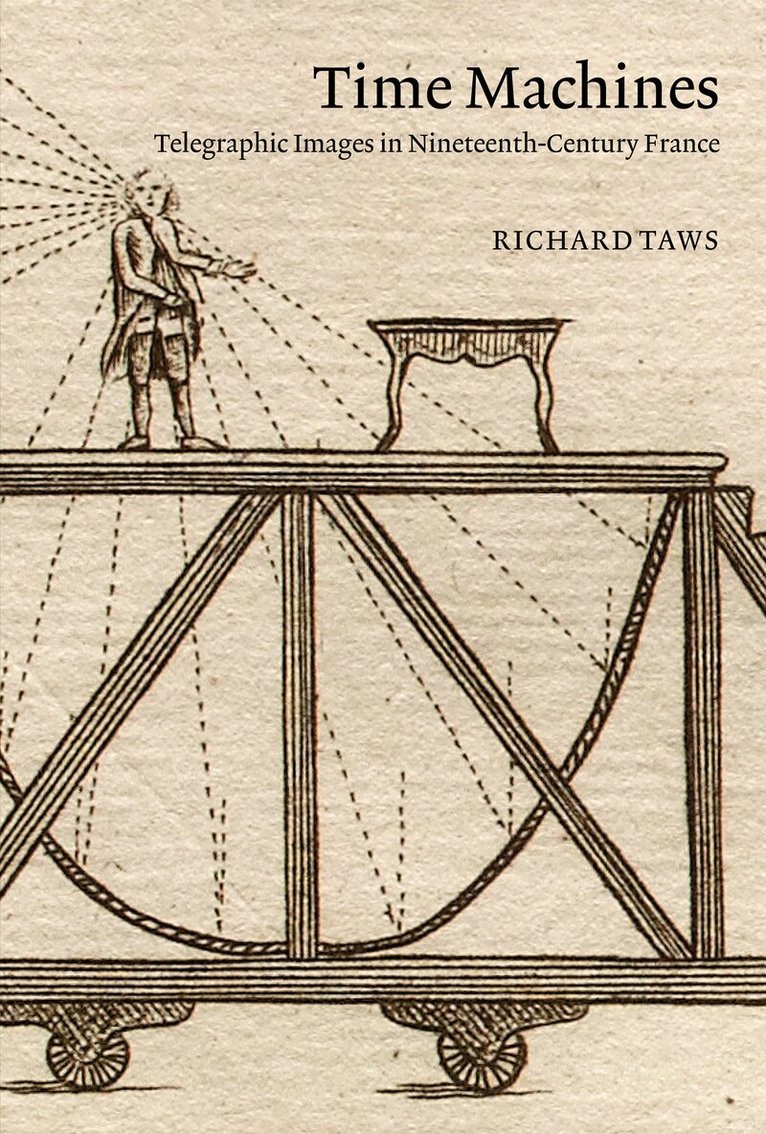
Time Machines
Telegraphic Images in Nineteenth-Century France
Av Richard Taws
Inbunden, 2025
642 kr
Lägg i varukorg
A riveting exploration of the relationship between art and telegraphy, and its implications for understanding time and history in nineteenth-century France. In Time Machines Richard Taws examines the relationship between art and telegraphy in the decades following the French Revolution. The optical …
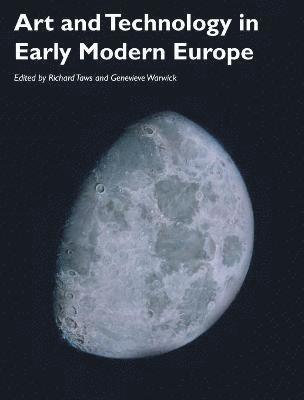
Art and Technology in Early Modern Europe
Av Richard Taws, Genevieve Warwick
Häftad, 2016
607 kr
Lägg i varukorg
In 12 essays by a distinguished group of art historians, Art and Technology in Early Modern Europe explores the relationship between artistic and technological advances from the Renaissance to the Industrial Revolution. Provides a broad definition of technology for this period and addresses the …
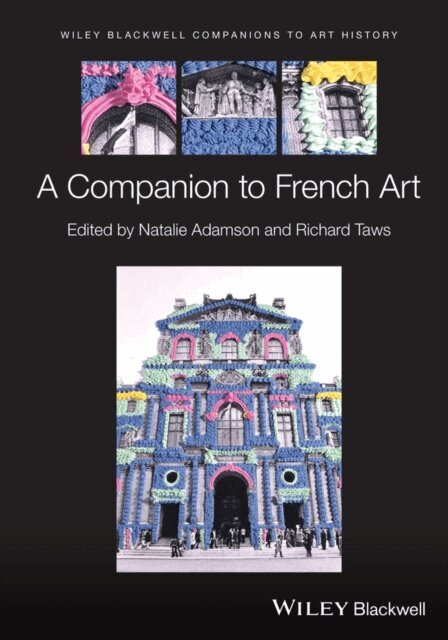
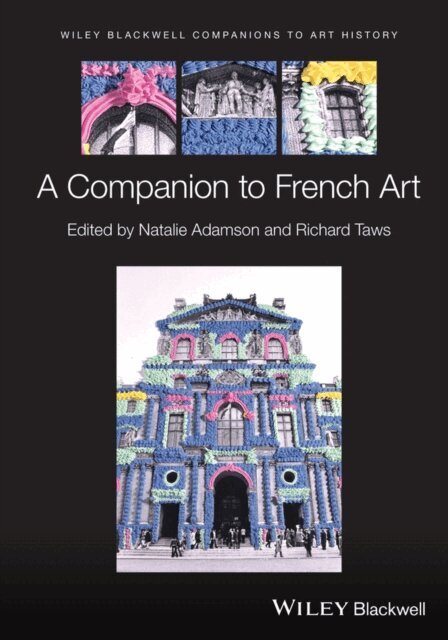
Companion to French Art
Av Natalie Adamson, Richard Taws
Inbunden, 2026
1738 kr
Lägg i varukorg
A comprehensive exploration of the evolutions, innovations, and legacies of French art from the late eighteenth-century to the presentCharting the artistic eras from the transformative upheavals of the French Revolution to the dynamic global intersections of contemporary art in the 21st century, A …
Companion to French Art
Av Natalie Adamson, Richard Taws
Häftad, 2029
492 kr
Kommande
A comprehensive exploration of the evolutions, innovations, and legacies of French art from the late eighteenth-century to the presentCharting the artistic eras from the transformative upheavals of the French Revolution to the dynamic global intersections of contemporary art in the 21st century, A …
Companion to French Art
Av Richard Taws, Natalie Adamson
E-bok, 2026
2080 kr
Lägg i varukorg
A comprehensive exploration of the evolutions, innovations, and legacies of French art from the late eighteenth-century to the present Charting the artistic eras from the transformative upheavals of the French Revolution to the dynamic global intersections of contemporary art in the 21st century, A …
Companion to French Art
Av Richard Taws, Natalie Adamson
E-bok, 2026
570 kr
Lägg i varukorg
A comprehensive exploration of the evolutions, innovations, and legacies of French art from the late eighteenth-century to the present Charting the artistic eras from the transformative upheavals of the French Revolution to the dynamic global intersections of contemporary art in the 21st century, A …
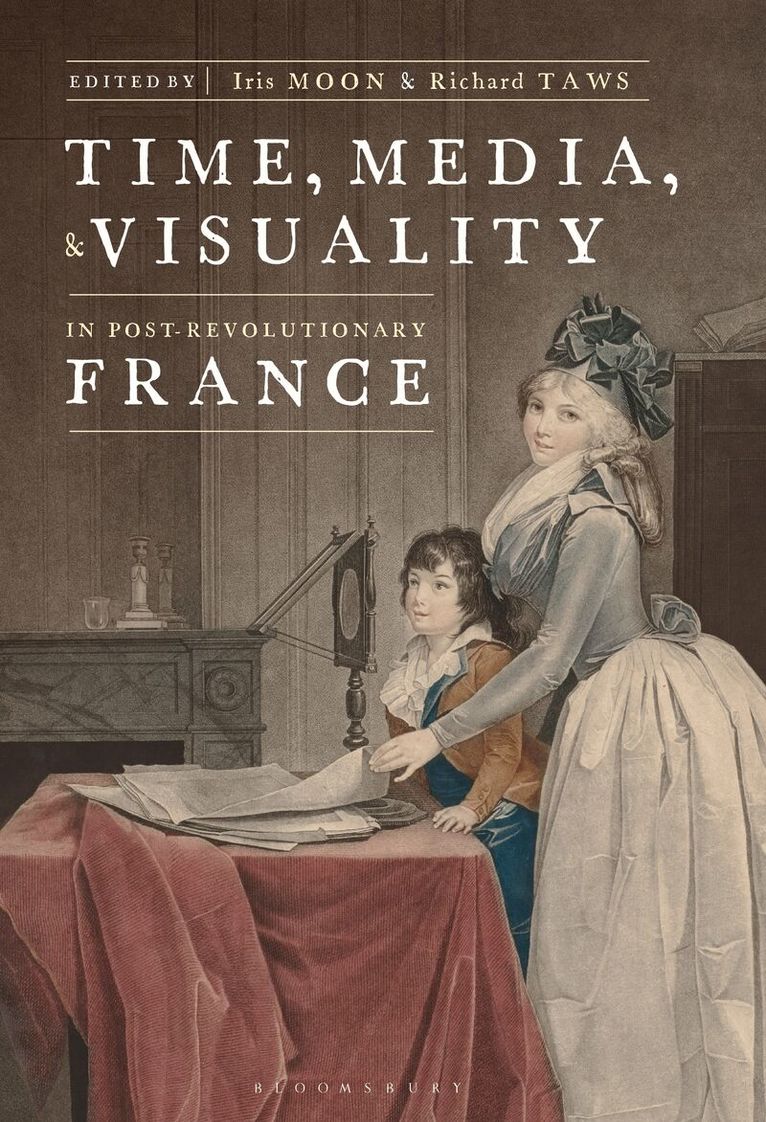
Time, Media, and Visuality in Post-Revolutionary France
Häftad, 2024
382 kr
Lägg i varukorg
Time, media, and visuality are watchwords of modernity across science, culture and the arts. At which point in history, though, did they decisively intersect? Identifying the year 1789 – or the beginning of the French Republic – as the radical moment at which science and the arts came together …
Time, Media, and Visuality in Post-Revolutionary France
E-bok, 2021
418 kr
Lägg i varukorg
The radical break with the past heralded by the French Revolution in 1789 has become one of the mythic narratives of our time. Yet in the drawn-out afterlife of the Revolution, and through subsequent periods of Empire, Restoration, and Republic, the question of what such a temporal transformation …
Time, Media, and Visuality in Post-Revolutionary France
E-bok, 2021
418 kr
Lägg i varukorg
The radical break with the past heralded by the French Revolution in 1789 has become one of the mythic narratives of our time. Yet in the drawn-out afterlife of the Revolution, and through subsequent periods of Empire, Restoration, and Republic, the question of what such a temporal transformation …
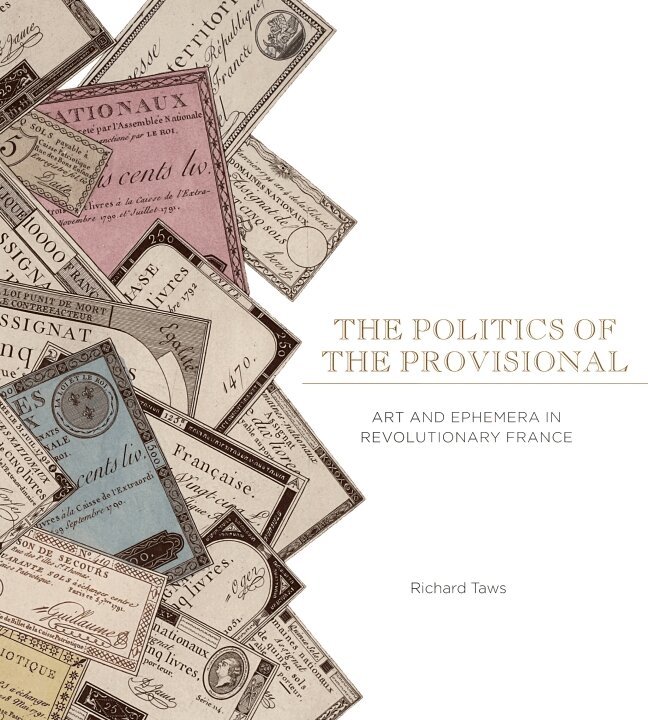
Politics of the Provisional
Art and Ephemera in Revolutionary France
Av Richard Taws
Häftad, 2014
500 kr
Tillfälligt slut
In revolutionary France the life of things could not be assured. War, shortage of materials, and frequent changes in political authority meant that few large-scale artworks or permanent monuments to the Revolution’s memory were completed. On the contrary, visual practice in revolutionary France was …