Rini Bhattacharya Mehta - Böcker
Visar alla böcker från författaren Rini Bhattacharya Mehta. Handla med fri frakt och snabb leverans.
6 produkter
6 produkter
1 162 kr
Skickas inom 7-10 vardagar
Between 1931 and 2000, India's popular cinema steadily overcame Hollywood domination. Bollywood, the film industry centered in Mumbai, became nothing less than a global cultural juggernaut. But Bollywood is merely one part of the country's prolific, multilingual cinema. Unruly Cinema looks at the complex series of events that allowed the entire Indian film industry to defy attempts to control, reform, and refine it in the twentieth century and beyond. Rini Bhattacharya Mehta considers four aspects of Indian cinema's complicated history. She begins with the industry's surprising, market-driven triumph over imports from Hollywood and elsewhere in the 1930s. From there she explores how the nationalist social melodrama outwitted the government with its 1950s cinematic lyrical manifestoes. In the 1970s, an action cinema centered on the angry young male co-opted the voice of the oppressed. Finally, Mehta examines Indian film's discovery of the global neoliberal aesthetic that encouraged the emergence of Bollywood.
256 kr
Skickas inom 7-10 vardagar
Between 1931 and 2000, India's popular cinema steadily overcame Hollywood domination. Bollywood, the film industry centered in Mumbai, became nothing less than a global cultural juggernaut. But Bollywood is merely one part of the country's prolific, multilingual cinema. Unruly Cinema looks at the complex series of events that allowed the entire Indian film industry to defy attempts to control, reform, and refine it in the twentieth century and beyond. Rini Bhattacharya Mehta considers four aspects of Indian cinema's complicated history. She begins with the industry's surprising, market-driven triumph over imports from Hollywood and elsewhere in the 1930s. From there she explores how the nationalist social melodrama outwitted the government with its 1950s cinematic lyrical manifestoes. In the 1970s, an action cinema centered on the angry young male co-opted the voice of the oppressed. Finally, Mehta examines Indian film's discovery of the global neoliberal aesthetic that encouraged the emergence of Bollywood.
739 kr
Skickas inom 10-15 vardagar
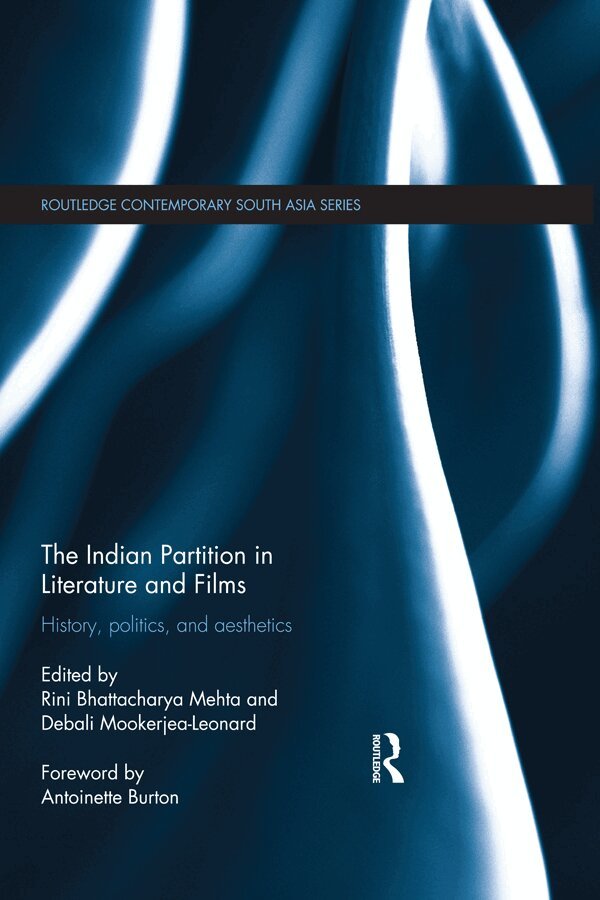
This book presents an examination of fictional representations, in books and films, of the 1947 Partition that led to the creation of the sovereign nation-states of India and Pakistan. While the process of representing the Partition experience through words and images began in the late 1940s, it is only in the last few decades that literary critics and film scholars have begun to analyse the work. The emerging critical scholarship on the Partition and its aftermath has deepened our understanding of the relationship between historical trauma, collective memory, and cultural processes, and this book provides critical readings of literary and cinematic texts on the impact of the Partition both in the Punjab and in Bengal. The collection assembles studies on Anglophone writings with those on the largely unexplored vernacular works, and those which have rarely found a place in discussions on the Partition. It looks at representations of women’s experiences of gendered violence in the Partition riots, and how literary texts have filled in the lack of the ‘human dimension’ in Partition histories. The book goes on to highlight how the memory of the Partition is preserved, and how the creative arts’ relation to public memory and its place within the public sphere has changed through time. Collectively, the essays present a nuanced understanding of how the experience of violence, displacement, and trauma shaped postcolonial societies and subjectivities in the Indian subcontinent.Mapping the diverse topographies of Partition-related uncertainties and covering both well-known and lesser-known texts on the Partition, this book will be a useful contribution to studies of South Asian History, Asian Literature and Asian Film.
402 kr
Skickas inom 5-8 vardagar
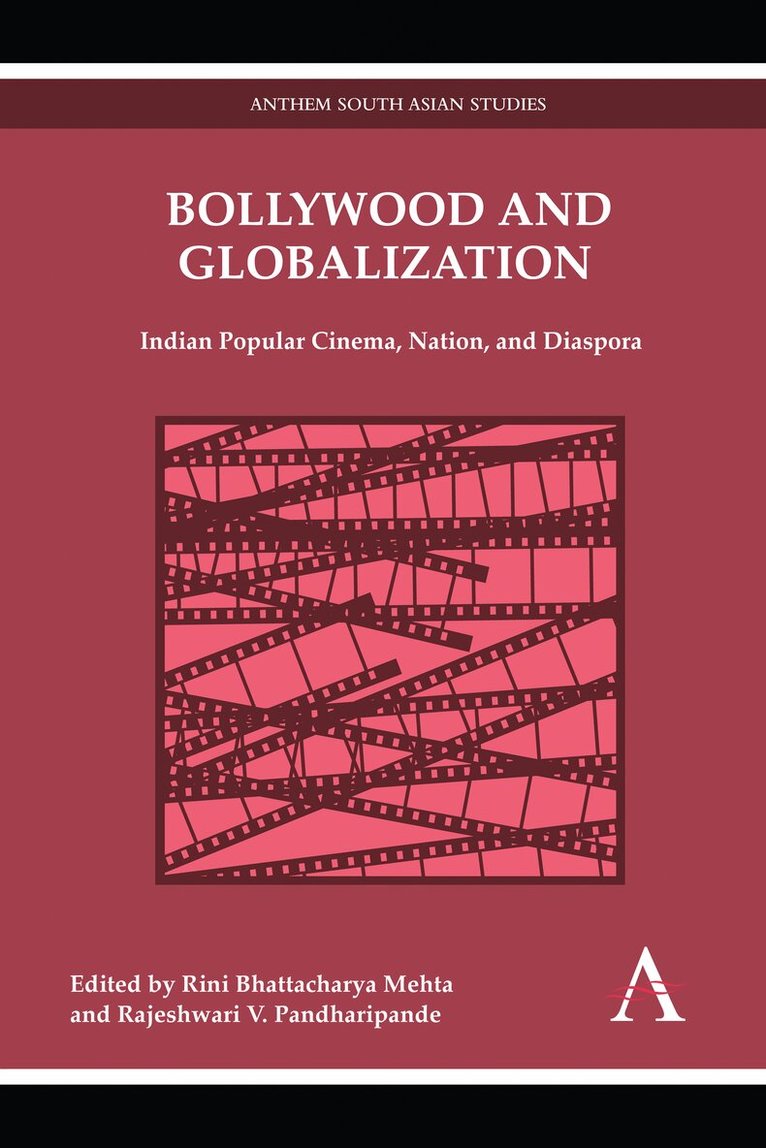
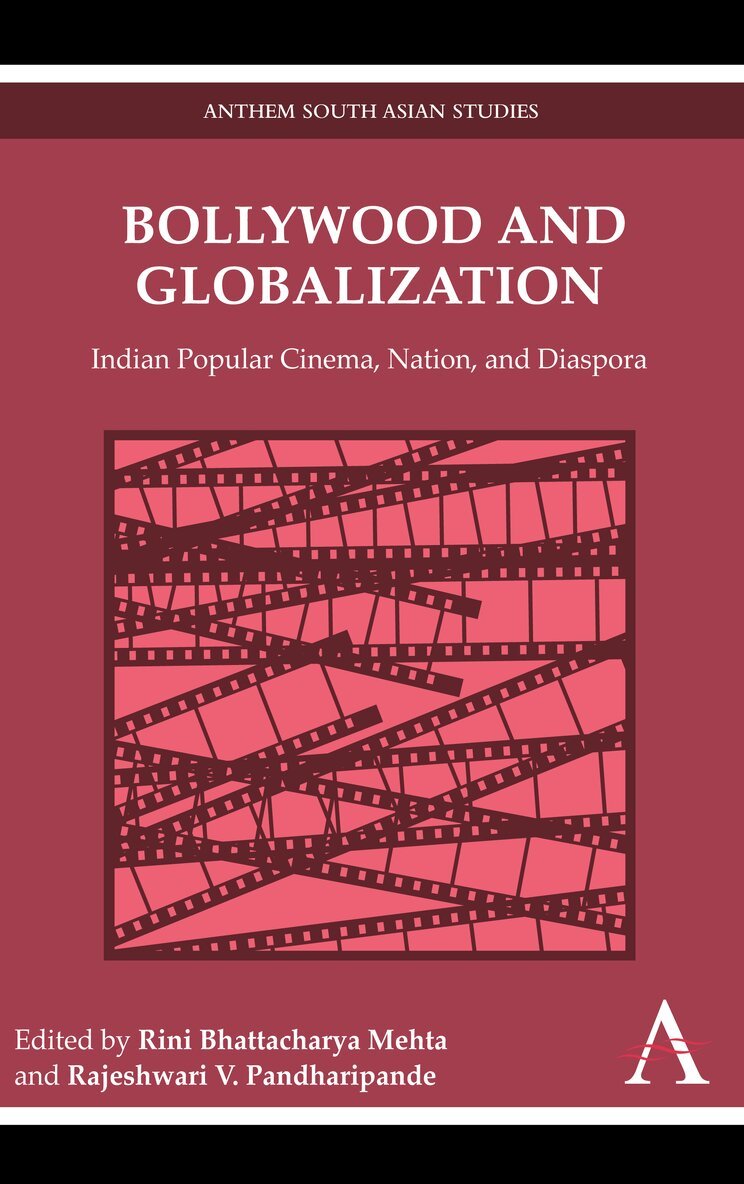
Commercial cinema has always been one of the biggest indigenous industries in India, and remains so in the post-globalization era, when Indian economy has entered a new phase of global participation, liberalization and expansion. Issues of community, gender, society, social and economic justice, bourgeois-liberal individualism, secular nationhood and ethnic identity are nowhere more explored in the Indian cultural mainstream than in commercial cinema. As Indian economy and policy have gone through a sea-change after the end of the Cold War and the commencement of the Global Capital, the largest cultural industry has followed suit. This book is a significant addition to the study of post-Global Indian culture. The articles represent a variety of theoretical and pedagogical approaches, and the collection will be appreciated by beginners and scholars alike.
2 492 kr
Skickas inom 10-15 vardagar
This book presents an examination of fictional representations, in books and films, of the 1947 Partition that led to the creation of the sovereign nation-states of India and Pakistan. While the process of representing the Partition experience through words and images began in the late 1940s, it is only in the last few decades that literary critics and film scholars have begun to analyse the work. The emerging critical scholarship on the Partition and its aftermath has deepened our understanding of the relationship between historical trauma, collective memory, and cultural processes, and this book provides critical readings of literary and cinematic texts on the impact of the Partition both in the Punjab and in Bengal. The collection assembles studies on Anglophone writings with those on the largely unexplored vernacular works, and those which have rarely found a place in discussions on the Partition. It looks at representations of women’s experiences of gendered violence in the Partition riots, and how literary texts have filled in the lack of the ‘human dimension’ in Partition histories. The book goes on to highlight how the memory of the Partition is preserved, and how the creative arts’ relation to public memory and its place within the public sphere has changed through time. Collectively, the essays present a nuanced understanding of how the experience of violence, displacement, and trauma shaped postcolonial societies and subjectivities in the Indian subcontinent.Mapping the diverse topographies of Partition-related uncertainties and covering both well-known and lesser-known texts on the Partition, this book will be a useful contribution to studies of South Asian History, Asian Literature and Asian Film.
1 099 kr
Skickas inom 5-8 vardagar
Commercial cinema has always been one of the biggest indigenous industries in India, and remains so in the post-globalization era, when Indian economy has entered a new phase of global participation, liberalization and expansion. Issues of community, gender, society, social and economic justice, bourgeois-liberal individualism, secular nationhood and ethnic identity are nowhere more explored in the Indian cultural mainstream than in commercial cinema. As Indian economy and policy have gone through a sea-change after the end of the Cold War and the commencement of the Global Capital, the largest cultural industry has followed suit. This book is a significant addition to the study of post-Global Indian culture. The articles represent a variety of theoretical and pedagogical approaches, and the collection will be appreciated by beginners and scholars alike.