Debali Mookerjea-Leonard – författare
Visar alla böcker från författaren Debali Mookerjea-Leonard. Handla med fri frakt och snabb leverans.
11 produkter
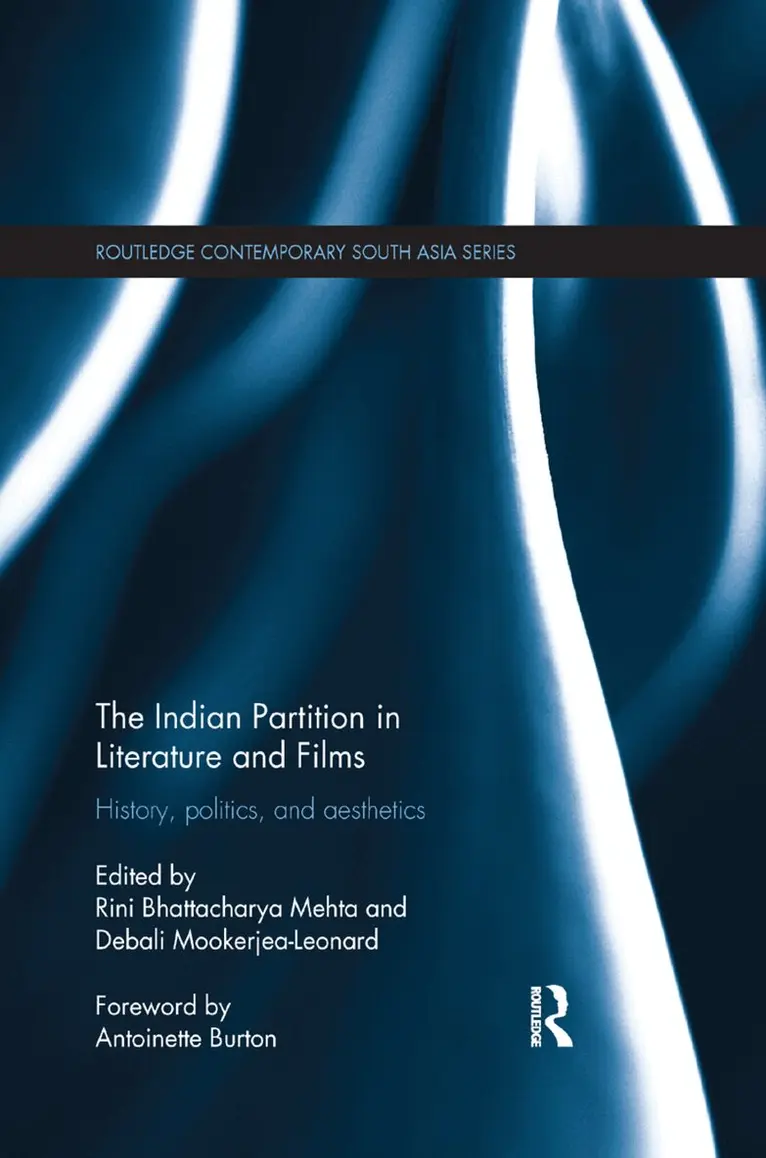
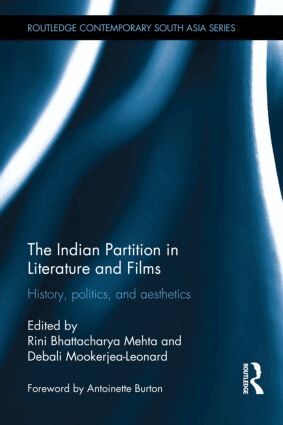
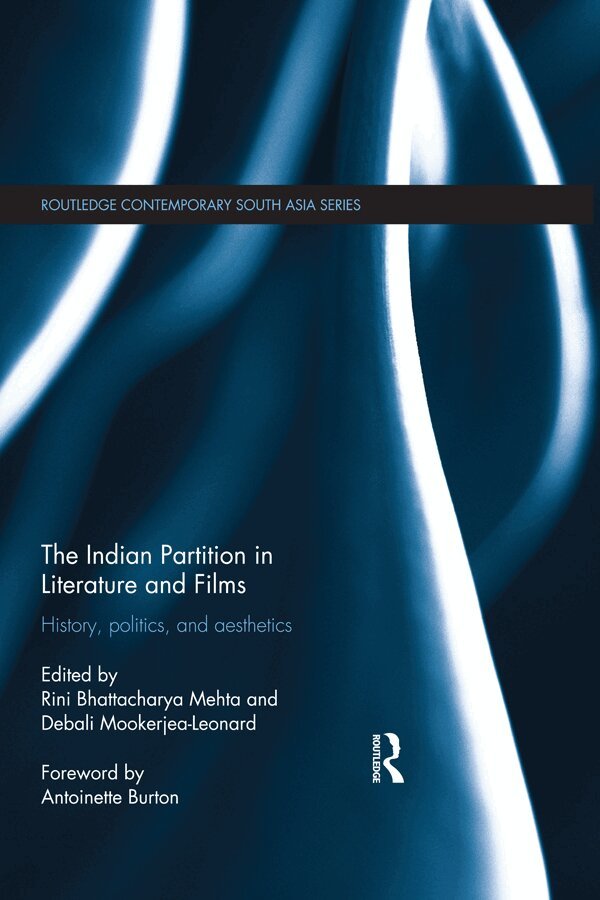
Indian Partition in Literature and Films
History, Politics, and Aesthetics
Av Rini Bhattacharya Mehta, Debali Mookerjea-Leonard
Häftad, 2019
830 kr
Lägg i varukorg
This book presents an examination of fictional representations, in books and films, of the 1947 Partition that led to the creation of the sovereign nation-states of India and Pakistan. While the process of representing the Partition experience through words and images began in the late 1940s, it is …
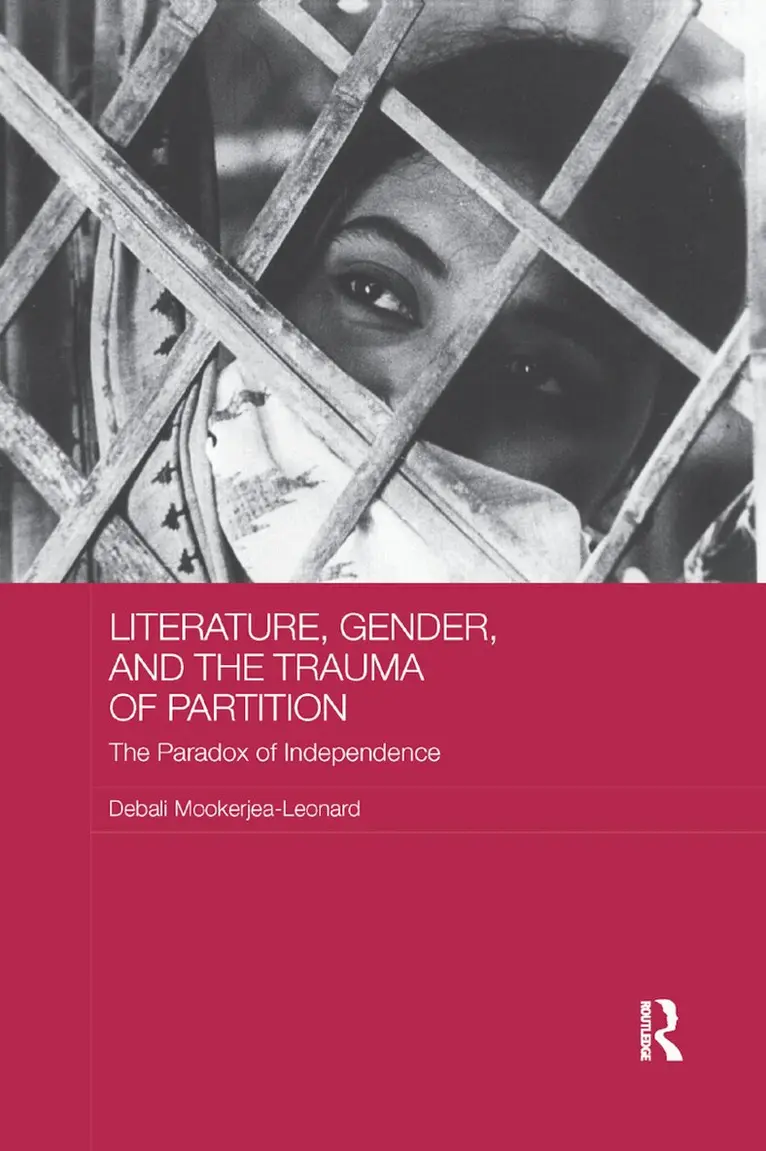
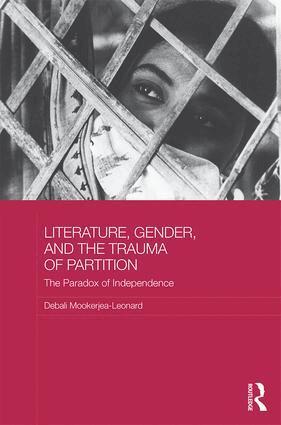
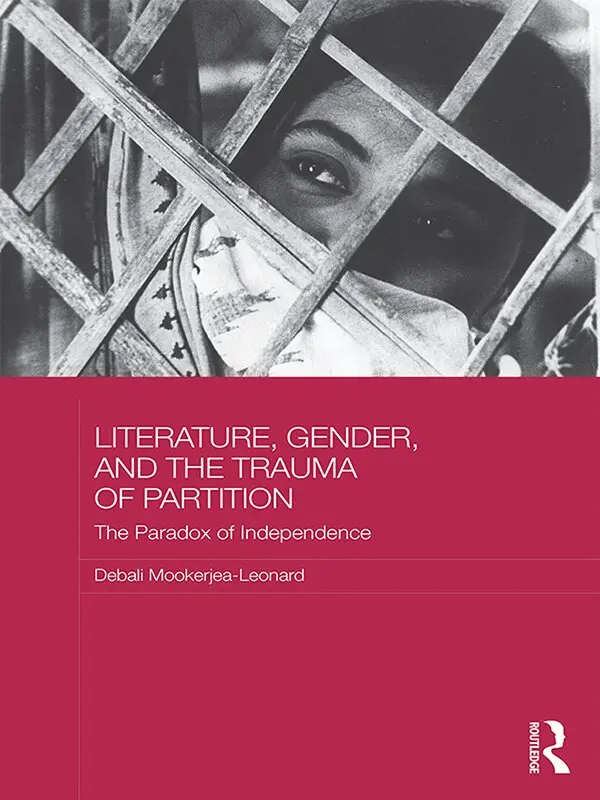
Literature, Gender, and the Trauma of Partition
The Paradox of Independence
Häftad, 2019
796 kr
Lägg i varukorg
Partition occurring simultaneously with British decolonization of the Indian subcontinent led to the formation of independent India and Pakistan. While the political and communal aspects of the Partition have received some attention, its enormous personal and psychological costs have been mostly …
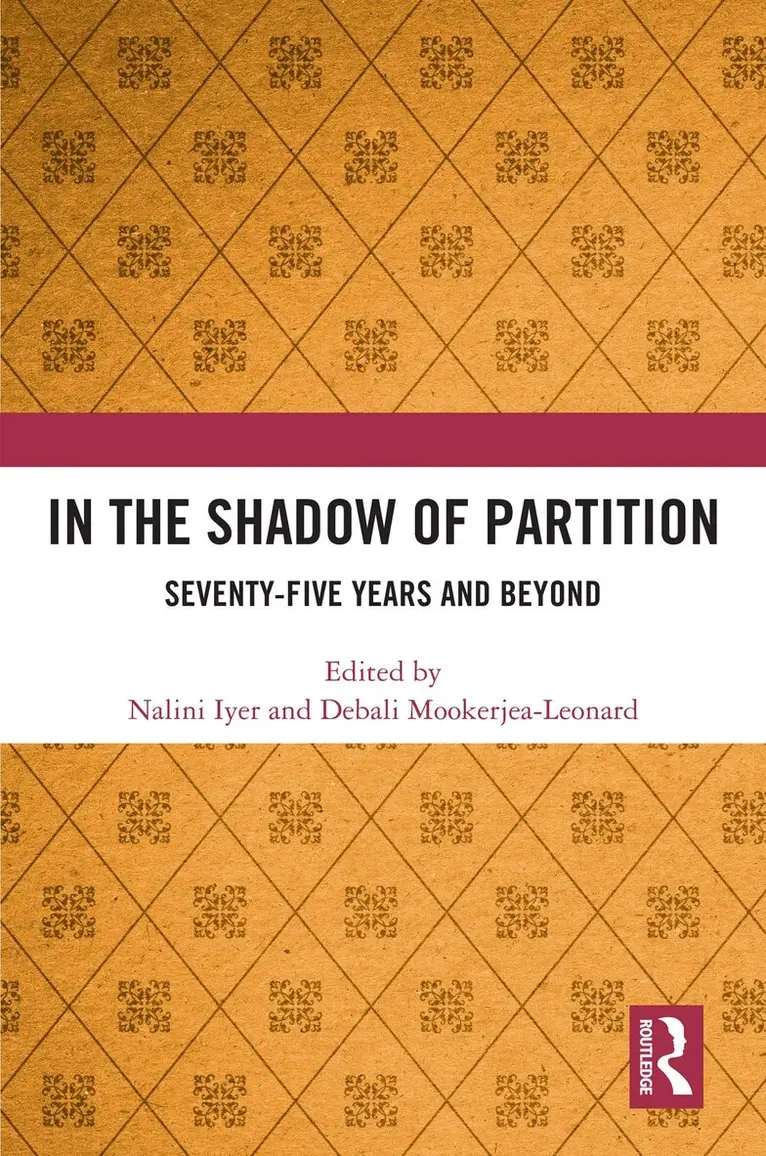
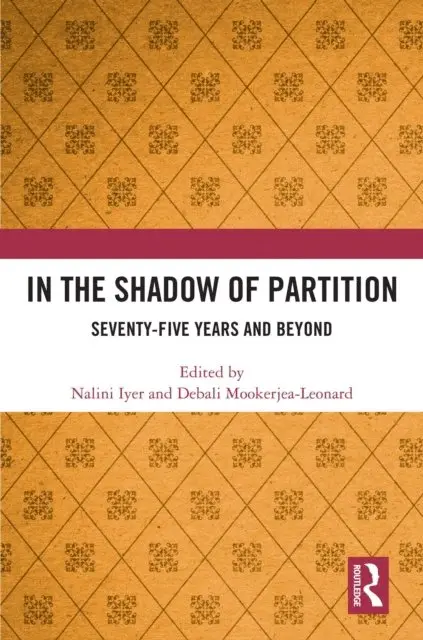
In the Shadow of Partition
Seventy-Five Years and Beyond
Av Nalini Iyer, Debali Mookerjea-Leonard
Inbunden, 2024
2893 kr
Lägg i varukorg
This book brings together conversations about the Partition and its haunting residues in the present as represented in literary, visual, oral, and material cultures of the subcontinent and beyond.The seventy-fifth anniversary of Partition confronts scholars with significantly new subjects for …
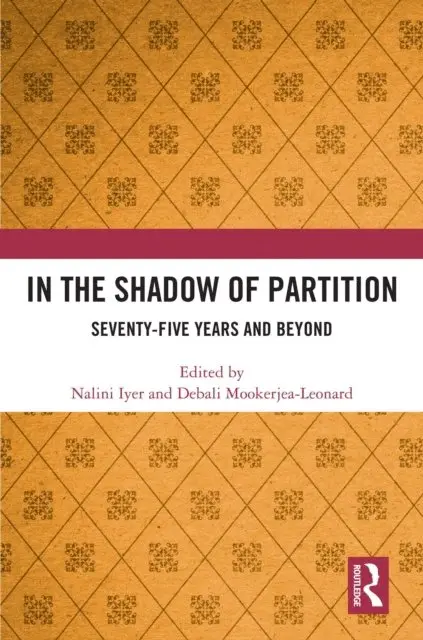
In the Shadow of Partition
Seventy-Five Years and Beyond
Av Nalini Iyer, Debali Mookerjea-Leonard
Häftad, 2026
813 kr
Lägg i varukorg
This book brings together conversations about the Partition and its haunting residues in the present as represented in literary, visual, oral, and material cultures of the subcontinent and beyond.The seventy-fifth anniversary of Partition confronts scholars with significantly new subjects for …
In the Shadow of Partition
Seventy-Five Years and Beyond
Av Debali Mookerjea-Leonard, Nalini Iyer
E-bok, 2024
1150 kr
Lägg i varukorg
This book brings together conversations about the Partition and its haunting residues in the present as represented in literary, visual, oral, and material cultures of the subcontinent and beyond. The seventy-fifth anniversary of Partition confronts scholars with significantly new subjects for …
In the Shadow of Partition
Seventy-Five Years and Beyond
Av Debali Mookerjea-Leonard, Nalini Iyer
E-bok, 2024
1150 kr
Lägg i varukorg
This book brings together conversations about the Partition and its haunting residues in the present as represented in literary, visual, oral, and material cultures of the subcontinent and beyond. The seventy-fifth anniversary of Partition confronts scholars with significantly new subjects for …
Literature, Gender, and the Trauma of Partition
The Paradox of Independence
Inbunden, 2017
2893 kr
Lägg i varukorg
Partition occurring simultaneously with British decolonization of the Indian subcontinent led to the formation of independent India and Pakistan. While the political and communal aspects of the Partition have received some attention, its enormous personal and psychological costs have been mostly …
Indian Partition in Literature and Films
History, Politics, and Aesthetics
Av Rini Bhattacharya Mehta, Debali Mookerjea-Leonard
Inbunden, 2014
2893 kr
Lägg i varukorg
This book presents an examination of fictional representations, in books and films, of the 1947 Partition that led to the creation of the sovereign nation-states of India and Pakistan. While the process of representing the Partition experience through words and images began in the late 1940s, it is …
Literature, Gender, and the Trauma of Partition
The Paradox of Independence
E-bok, 2017
916 kr
Lägg i varukorg
Partition occurring simultaneously with British decolonization of the Indian subcontinent led to the formation of independent India and Pakistan. While the political and communal aspects of the Partition have received some attention, its enormous personal and psychological costs have been mostly …
Literature, Gender, and the Trauma of Partition
The Paradox of Independence
E-bok, 2017
936 kr
Lägg i varukorg
Partition occurring simultaneously with British decolonization of the Indian subcontinent led to the formation of independent India and Pakistan. While the political and communal aspects of the Partition have received some attention, its enormous personal and psychological costs have been mostly …
Indian Partition in Literature and Films
History, Politics, and Aesthetics
Av Rini Bhattacharya Mehta, Debali Mookerjea-Leonard
E-bok, 2014
976 kr
Lägg i varukorg
This book presents an examination of fictional representations, in books and films, of the 1947 Partition that led to the creation of the sovereign nation-states of India and Pakistan. While the process of representing the Partition experience through words and images began in the late 1940s, it is …