Robert A. Rushing - Böcker
Visar alla böcker från författaren Robert A. Rushing. Handla med fri frakt och snabb leverans.
8 produkter
8 produkter
849 kr
Skickas inom 7-10 vardagar
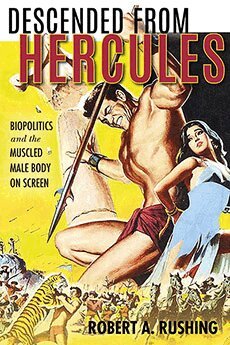
Muscles, six-pack abs, skin, and sweat fill the screen in the tawdry and tantalizing peplum films associated with epic Italian cinema of the 1950s and 1960s. Using techniques like slow motion and stopped time, these films instill the hero's vitality with timeless admiration and immerse the hero's body in a world that is lavishly eroticized but without sexual desire. These "sword and sandal" films represent a century-long cinematic biopolitical intervention that offers the spectator an imagined form of the male body—one free of illness, degeneracy, and the burdens of poverty—that defends goodness with brute strength and perseverance, and serves as a model of ideal citizenry. Robert A. Rushing traces these epic heroes from Maciste in Cabiria in the early silent era to contemporary transnational figures like Arnold Schwarzenegger in Conan the Barbarian, and to films such as Zach Snyder's 300. Rushing explores how the very tactile modes of representation cement the genre's ideological grip on the viewer.
302 kr
Skickas inom 7-10 vardagar
Muscles, six-pack abs, skin, and sweat fill the screen in the tawdry and tantalizing peplum films associated with epic Italian cinema of the 1950s and 1960s. Using techniques like slow motion and stopped time, these films instill the hero's vitality with timeless admiration and immerse the hero's body in a world that is lavishly eroticized but without sexual desire. These "sword and sandal" films represent a century-long cinematic biopolitical intervention that offers the spectator an imagined form of the male body—one free of illness, degeneracy, and the burdens of poverty—that defends goodness with brute strength and perseverance, and serves as a model of ideal citizenry. Robert A. Rushing traces these epic heroes from Maciste in Cabiria in the early silent era to contemporary transnational figures like Arnold Schwarzenegger in Conan the Barbarian, and to films such as Zach Snyder's 300. Rushing explores how the very tactile modes of representation cement the genre's ideological grip on the viewer.
1 381 kr
Skickas inom 7-10 vardagar
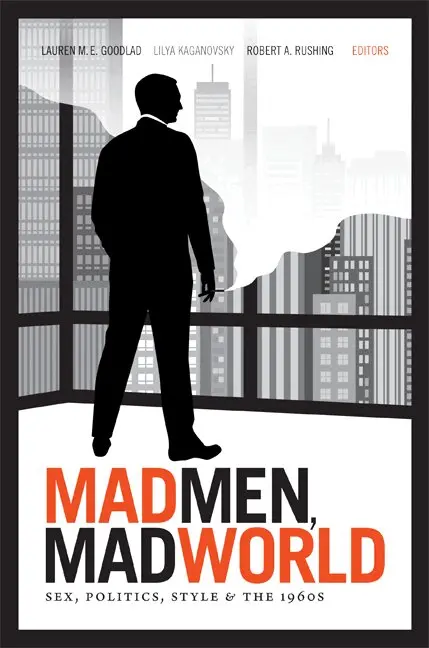
Since the show's debut in 2007, Mad Men has invited viewers to immerse themselves in the lush period settings, ruthless Madison Avenue advertising culture, and arresting characters at the center of its 1960s fictional world. Mad Men, Mad World is a comprehensive analysis of this groundbreaking TV series. Scholars from across the humanities consider the AMC drama from a fascinating array of perspectives, including fashion, history, architecture, civil rights, feminism, consumerism, art, cinema, and the serial format, as well as through theoretical frames such as critical race theory, gender, queer theory, global studies, and psychoanalysis.In the introduction, the editors explore the show's popularity; its controversial representations of race, class, and gender; its powerful influence on aesthetics and style; and its unique use of period historicism and advertising as a way of speaking to our neoliberal moment. Mad Men, Mad World also includes an interview with Phil Abraham, an award-winning Mad Men director and cinematographer. Taken together, the essays demonstrate that understanding Mad Men means engaging the show not only as a reflection of the 1960s but also as a commentary on the present day. Contributors. Michael BÉrubÉ, Alexander Doty, Lauren M. E. Goodlad, Jim Hansen, Dianne Harris, Lynne Joyrich, Lilya Kaganovsky, Clarence Lang, Caroline Levine, Kent Ono, Dana Polan, Leslie Reagan, Mabel Rosenheck, Robert A. Rushing, Irene Small, Michael Szalay, Jeremy Varon
417 kr
Skickas inom 7-10 vardagar
Since the show's debut in 2007, Mad Men has invited viewers to immerse themselves in the lush period settings, ruthless Madison Avenue advertising culture, and arresting characters at the center of its 1960s fictional world. Mad Men, Mad World is a comprehensive analysis of this groundbreaking TV series. Scholars from across the humanities consider the AMC drama from a fascinating array of perspectives, including fashion, history, architecture, civil rights, feminism, consumerism, art, cinema, and the serial format, as well as through theoretical frames such as critical race theory, gender, queer theory, global studies, and psychoanalysis.In the introduction, the editors explore the show's popularity; its controversial representations of race, class, and gender; its powerful influence on aesthetics and style; and its unique use of period historicism and advertising as a way of speaking to our neoliberal moment. Mad Men, Mad World also includes an interview with Phil Abraham, an award-winning Mad Men director and cinematographer. Taken together, the essays demonstrate that understanding Mad Men means engaging the show not only as a reflection of the 1960s but also as a commentary on the present day. Contributors. Michael BÉrubÉ, Alexander Doty, Lauren M. E. Goodlad, Jim Hansen, Dianne Harris, Lynne Joyrich, Lilya Kaganovsky, Clarence Lang, Caroline Levine, Kent Ono, Dana Polan, Leslie Reagan, Mabel Rosenheck, Robert A. Rushing, Irene Small, Michael Szalay, Jeremy Varon
1 303 kr
Skickas inom 10-15 vardagar
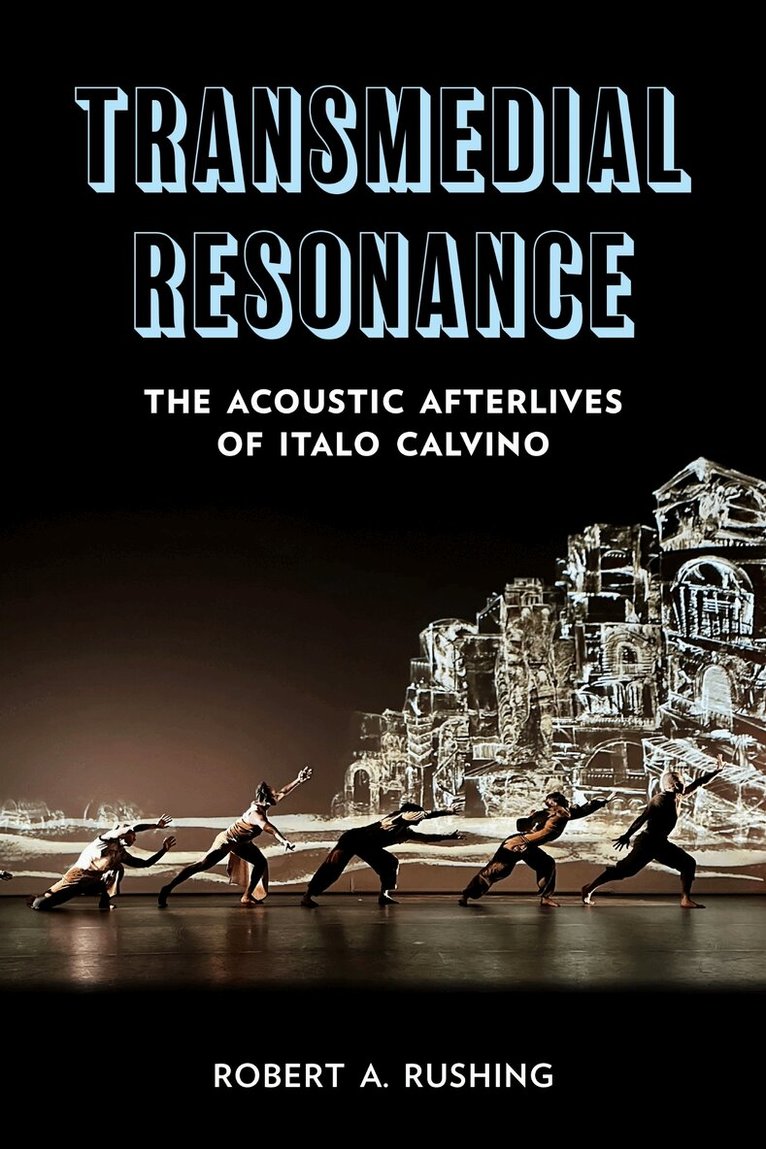
Introduces a new way of understanding influence, reception, and adaptation via the work of Italy’s most famous modern writer In Transmedial Resonance, Robert A. Rushing addresses the remarkable and ongoing responses to the imagination of Italo Calvino, Italy’s most important modern writer. Since his death in 1985, Calvino’s writing has served as a constant figure of inspiration for other artists, and tellingly, that inspiration has been "more outside than inside." Although Calvino’s reputation as a writer is immense, his influence has in fact been vastly larger outside of literature, including in architecture, city planning, community organizing, design, visual arts, video games, the performing arts, and much more. That influence is not only transmedial. It has also been "more outside than inside" across national boundaries, particularly in the English-speaking world. Rushing thinks about Calvino’s influence through the metaphor of resonance. When something resonates, he argues, it may be "inspired" to do so, but it does so in its own voice, singing its own song. In fact, resonance offers an entirely different way of thinking about influence and artistic reception, stressing the energy of the inspiration rather than fidelity to the original. In keeping with that underlying sonic metaphor, Rushing looks at specifically acoustic responses to Calvino. They include Chris Cerrone’s Pulitzer-nominated "opera in headphones" based on Invisible Cities, Lisa Mezzacappa’s Cosmicomics jazz suite, and Ashwini Ramaswamy’s multimedia dance performance of Invisible Cities, which combines traditional South Indian Bharatanatyam, urban breaking, and African American modern dance. These works, Rushing shows, tell the story of a very different Calvino, one who is (in Mezzacappa’s words) "nerdy and neurotic," playfully perverse, and profoundly political. Bringing together sound studies with literary studies and cultural reception, Transmedial Resonance argues for a radical re-imagination of how we think about artistic and cultural influence, calling for a completely new understanding of this major figure of modern Italian and world literature.
341 kr
Skickas
Introduces a new way of understanding influence, reception, and adaptation via the work of Italy’s most famous modern writer In Transmedial Resonance, Robert A. Rushing addresses the remarkable and ongoing responses to the imagination of Italo Calvino, Italy’s most important modern writer. Since his death in 1985, Calvino’s writing has served as a constant figure of inspiration for other artists, and tellingly, that inspiration has been "more outside than inside." Although Calvino’s reputation as a writer is immense, his influence has in fact been vastly larger outside of literature, including in architecture, city planning, community organizing, design, visual arts, video games, the performing arts, and much more. That influence is not only transmedial. It has also been "more outside than inside" across national boundaries, particularly in the English-speaking world. Rushing thinks about Calvino’s influence through the metaphor of resonance. When something resonates, he argues, it may be "inspired" to do so, but it does so in its own voice, singing its own song. In fact, resonance offers an entirely different way of thinking about influence and artistic reception, stressing the energy of the inspiration rather than fidelity to the original. In keeping with that underlying sonic metaphor, Rushing looks at specifically acoustic responses to Calvino. They include Chris Cerrone’s Pulitzer-nominated "opera in headphones" based on Invisible Cities, Lisa Mezzacappa’s Cosmicomics jazz suite, and Ashwini Ramaswamy’s multimedia dance performance of Invisible Cities, which combines traditional South Indian Bharatanatyam, urban breaking, and African American modern dance. These works, Rushing shows, tell the story of a very different Calvino, one who is (in Mezzacappa’s words) "nerdy and neurotic," playfully perverse, and profoundly political. Bringing together sound studies with literary studies and cultural reception, Transmedial Resonance argues for a radical re-imagination of how we think about artistic and cultural influence, calling for a completely new understanding of this major figure of modern Italian and world literature.
331 kr
Skickas inom 11-20 vardagar
386 kr
Skickas inom 5-8 vardagar
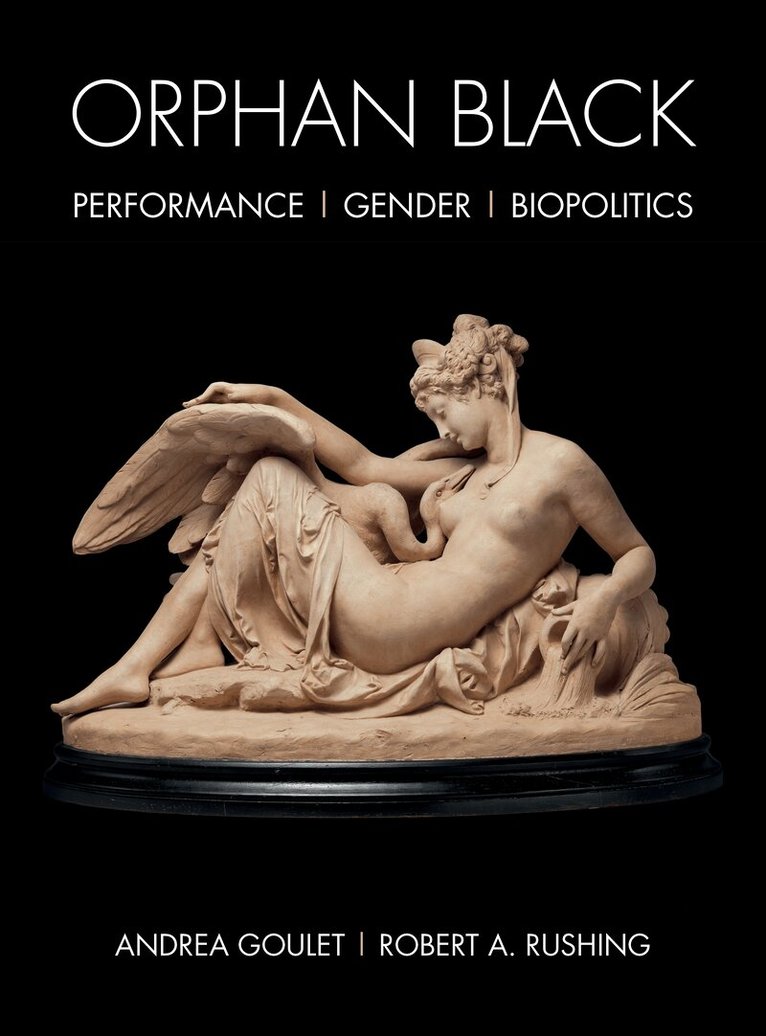
Orphan Black: Performance, Gender, Biopolitics is an edited collection that covers the areas in which the series has generated the most academic interest: performance and technology; gender and reproduction; biopolitics and community. Chapters explore the digital innovations and technical interactions between human and machine that allow the show to challenge conventional notions of performance and identity, while others address family themes and Orphan Black’s own textual genealogy within the contexts of (post-)evolutionary science, reproductive technology and the politics of gender. Still others extend that inquiry on family to the broader question of community in a ‘posthuman’ world of biopolitical power; here, scholars mobilize philosophy, history of science and literary theory to analyze how Orphan Black depicts resistance to the many forms of power that attempt to capture, monitor and shape life.