Robert Flierman – författare
Visar alla böcker från författaren Robert Flierman. Handla med fri frakt och snabb leverans.
6 produkter
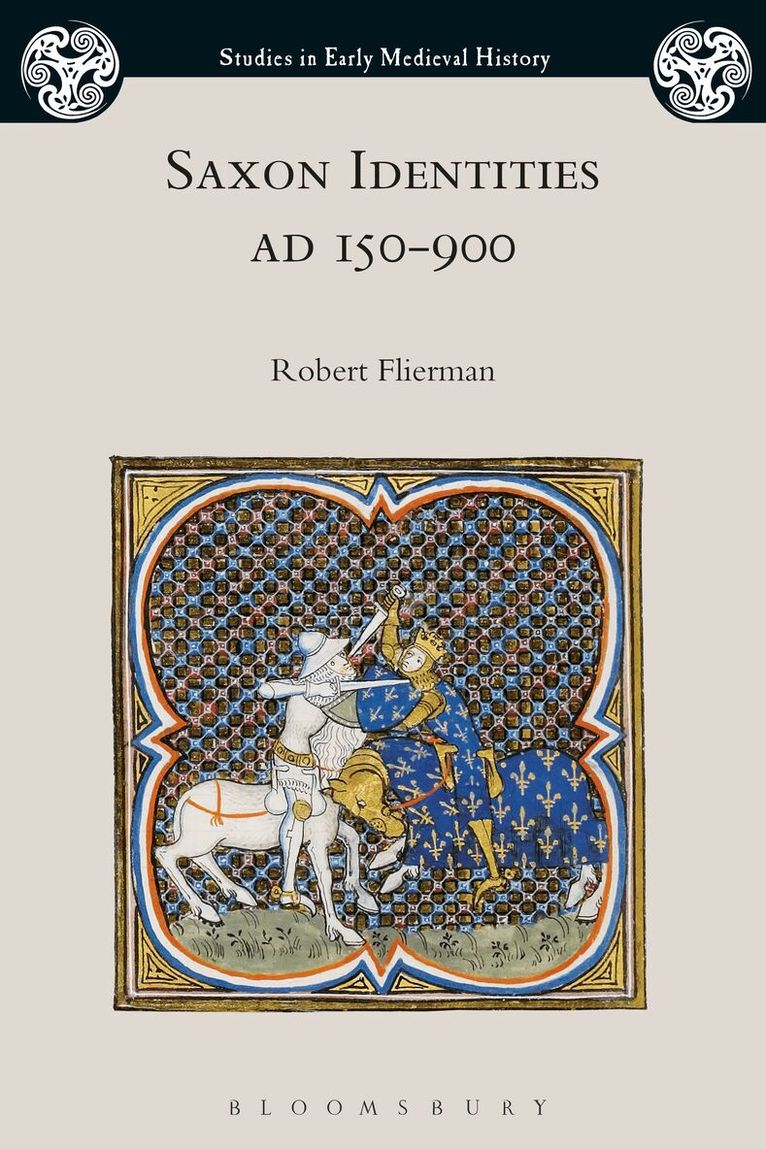
Saxon Identities, AD 150–900
Inbunden, 2017
2044 kr
Lägg i varukorg
This study is the first up-to-date comprehensive analysis of Continental Saxon identity in antiquity and the early middle ages. Building on recent scholarship on barbarian ethnicity, this study emphasises not just the constructed and open-ended nature of Saxon identity, but also the crucial role …
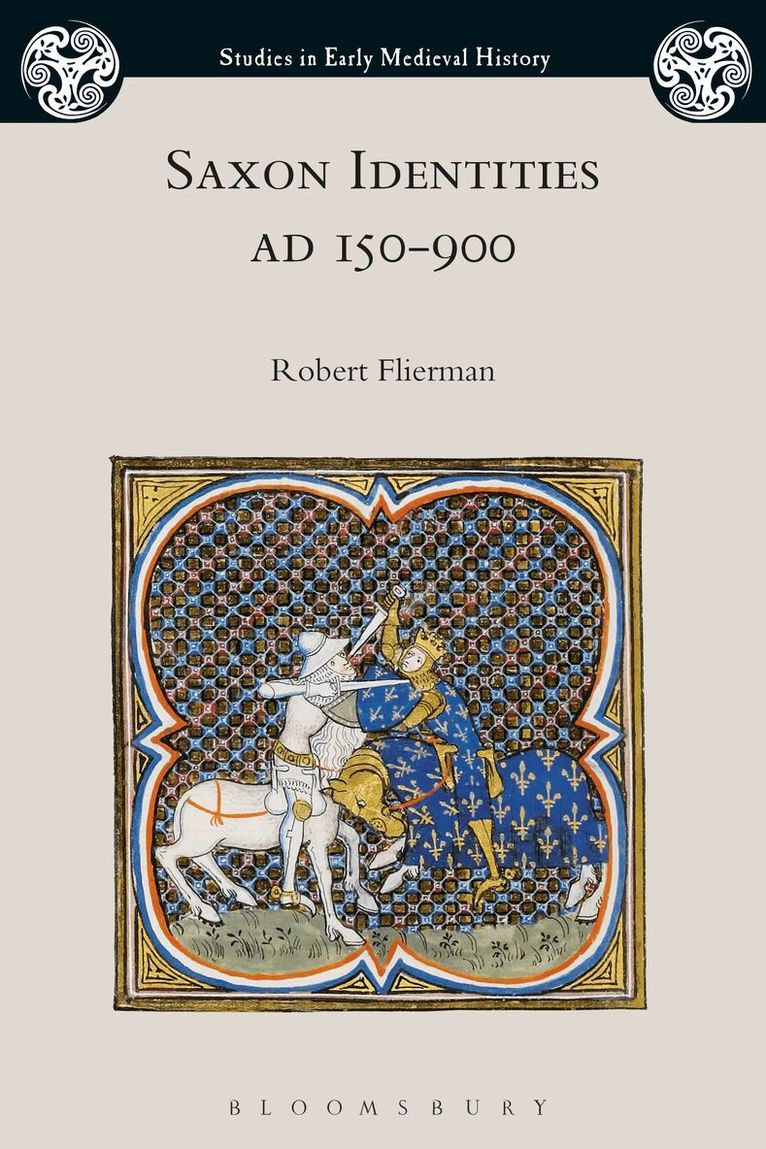
Saxon Identities, AD 150–900
E-bok, 2017
550 kr
Lägg i varukorg
This study is the first up-to-date comprehensive analysis of Continental Saxon identity in antiquity and the early middle ages. Building on recent scholarship on barbarian ethnicity, this study emphasises not just the constructed and open-ended nature of Saxon identity, but also the crucial role …
Saxon Identities, AD 150–900
E-bok, 2017
562 kr
Lägg i varukorg
This study is the first up-to-date comprehensive analysis of Continental Saxon identity in antiquity and the early middle ages. Building on recent scholarship on barbarian ethnicity, this study emphasises not just the constructed and open-ended nature of Saxon identity, but also the crucial role …
Saxon Identities, AD 150–900
Häftad, 2019
516 kr
Lägg i varukorg
This study is the first up-to-date comprehensive analysis of Continental Saxon identity in antiquity and the early middle ages. Building on recent scholarship on barbarian ethnicity, this study emphasises not just the constructed and open-ended nature of Saxon identity, but also the crucial role …
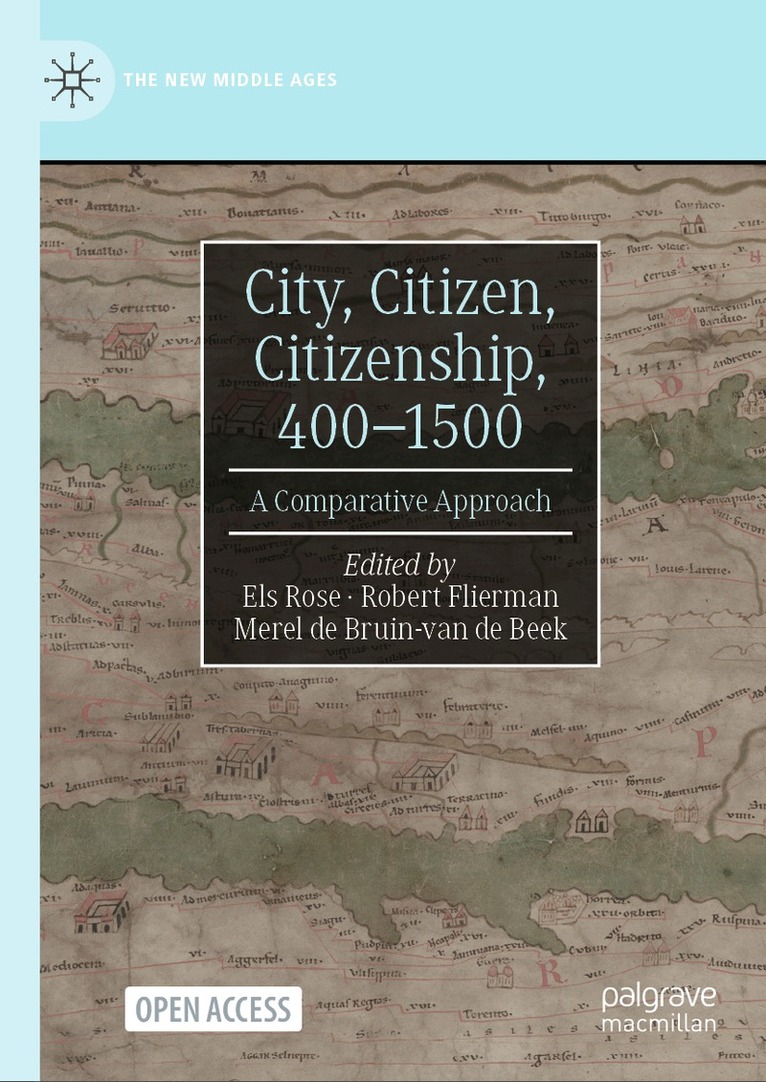
City, Citizen, Citizenship, 400–1500
A Comparative Approach
Av Els Rose, Robert Flierman m. fl.
Inbunden, 2024
571 kr
Lägg i varukorg
This open access book explores how medieval societies conversed about the city and citizen in texts, visual imagery and material culture. It adopts a long-term, interdisciplinary, and cross-cultural perspective, bringing together contributions on the early, high, and later Middle Ages, covering …
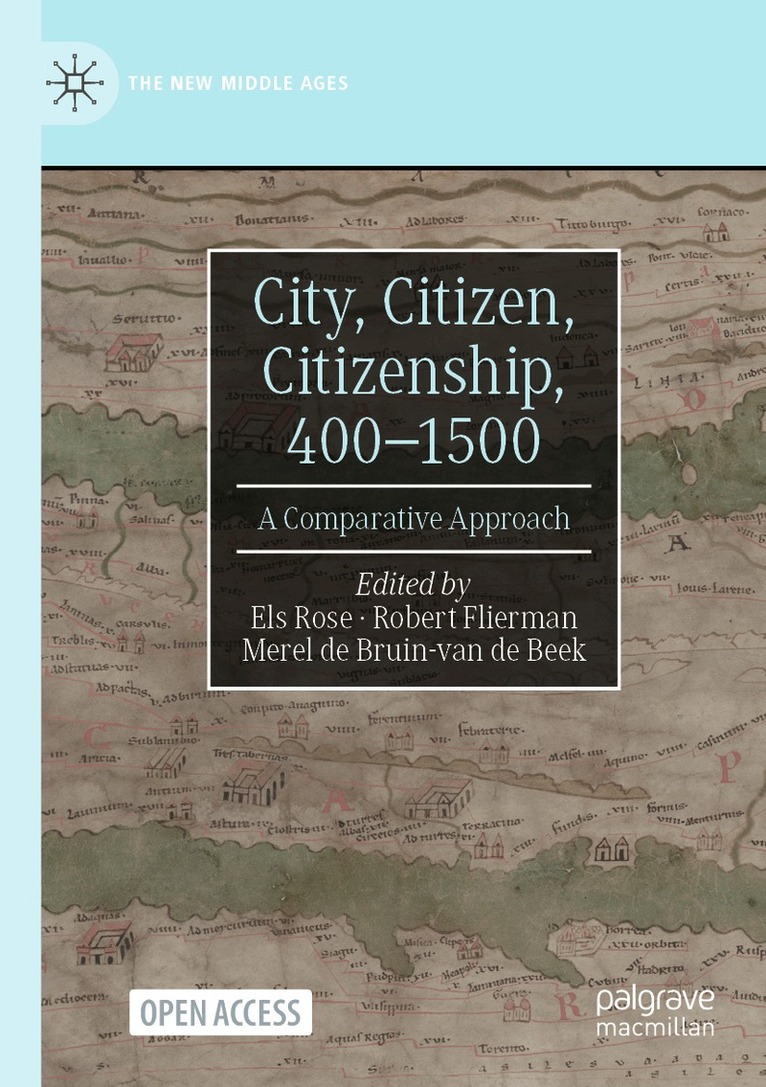
City, Citizen, Citizenship, 400–1500
A Comparative Approach
Av Els Rose, Robert Flierman m. fl.
Häftad, 2025
458 kr
Lägg i varukorg
This open access book explores how medieval societies conversed about the city and citizen in texts, visual imagery and material culture. It adopts a long-term, interdisciplinary, and cross-cultural perspective, bringing together contributions on the early, high, and later Middle Ages, covering …