Robert J. Bogers – författare
Visar alla böcker från författaren Robert J. Bogers. Handla med fri frakt och snabb leverans.
8 produkter
8 produkter
Inbunden, Engelska, 2005
1 666 kr
Skickas inom 10-15 vardagar
Life sciences have huge controversial social implications. This title discusses topics and theories like the relationship between ethics, professional ethics and business ethics, the public responsibility of researchers and communicating, organizing, teaching and discussing ethical issues.
Häftad, Engelska, 2005
1 666 kr
Skickas inom 10-15 vardagar
Life sciences have huge controversial social implications. Drawing from a workshop at Wageningen University and Research Centre, this book discusses topics and theories, such as the relationship between ethics, professional ethics and business ethics, the public responsibility of researchers and communicating, and discussing ethical issues.
Inbunden, Engelska, 2006
1 618 kr
Skickas inom 10-15 vardagar
In Western societies, the incidence and prevalence of respiratory and food-related allergies have increased rapidly over the past decades. Changes in life style, e.g. in hygiene, child vaccination, housing insulation, food consumption patterns, etc. are thought to be involved in this increase. Direct and indirect costs related to allergy are expected to rise rapidly, especially in the Central and Eastern European countries that recently joined the European Union. Major concerns relate to the significant decrease of the quality of life of patients and their relatives.This book, written by renowned experts, reflects the current ideas for future possibilities of allergy prevention, using integrated and multidisciplinary strategies and covering the entire knowledge framework from comprehensive fundamental research to implementation into society. It describes approaches from the following main topics: The medical and molecular context, The food production chain and novel foods, The living and occupational environment, People and society.
Häftad, Engelska, 2006
1 618 kr
Skickas inom 10-15 vardagar
In Western societies, the incidence and prevalence of respiratory and food-related allergies have increased rapidly over the past decades. Changes in life style, e.g. in hygiene, child vaccination, housing insulation, food consumption patterns, etc. are thought to be involved in this increase. Direct and indirect costs related to allergy are expected to rise rapidly, especially in the Central and Eastern European countries that recently joined the European Union. Major concerns relate to the significant decrease of the quality of life of patients and their relatives.This book, written by renowned experts, reflects the current ideas for future possibilities of allergy prevention, using integrated and multidisciplinary strategies and covering the entire knowledge framework from comprehensive fundamental research to implementation into society. It describes approaches from the following main topics: The medical and molecular context, The food production chain and novel foods, The living and occupational environment, People and society.
Inbunden, Engelska, 2006
1 081 kr
Skickas inom 10-15 vardagar
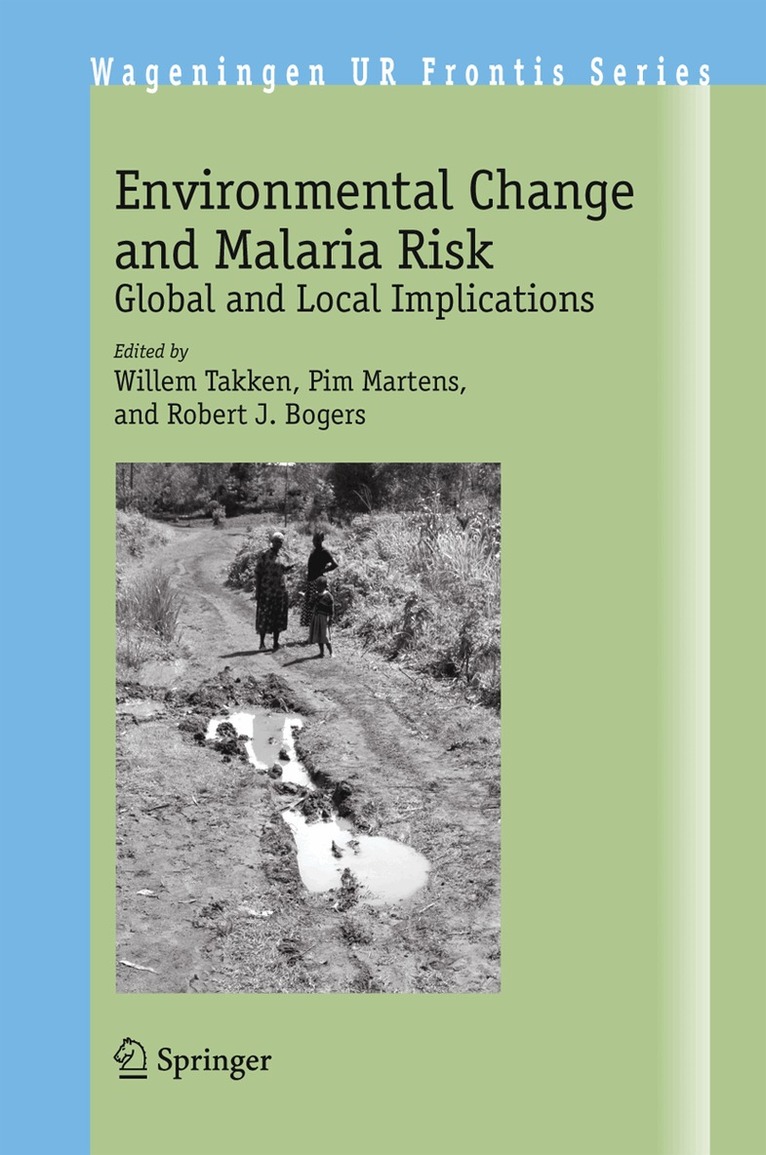
The workshop “Environmental Change and Malaria Risk: Global and Local Implications” was held to conclude a 5-year collaborative research project on environmental change and malaria risk, with field research in Kenya and Brazil. It was fitting that such a large group of specialists was able to attend the workshop and contribute with a chapter in which the predicted environmental changes were viewed from different angles. We would like to thank the Netherlands Foundation for the Advancement of Tropical Research (WOTRO) and the National Programme for Research on Climate Change and Air Quality (NOP) for having funded our work so generously. Wageningen UR – Frontis is thanked for having arranged the workshop and for its financial contribution. We would especially like to thank Petra van Boetzelaer for having assisted with the logistics of the workshop, and Paulien van Vredendaal for having spent many hours in the type editing of the chapters, making publication of this book possible. The editors, Willem Takken Pim Martens Rob Bogers Wageningen, March 2005 Colour pages Chapter 2. Pim Martens and Chris Thomas; Figures 2 and 3 Figure 2. MARA/ARMA index of climatic suitability for P. falciparum transmission in four consecutive months Figure 3. Number of consecutive months with a MARA/ARMA index of climatic suitability for P. falciparum transmission of p ?0. 9 in each month Colour pages Chapter 5. M. B. Hoshen and A. P.
Häftad, Engelska, 2006
1 081 kr
Skickas inom 10-15 vardagar
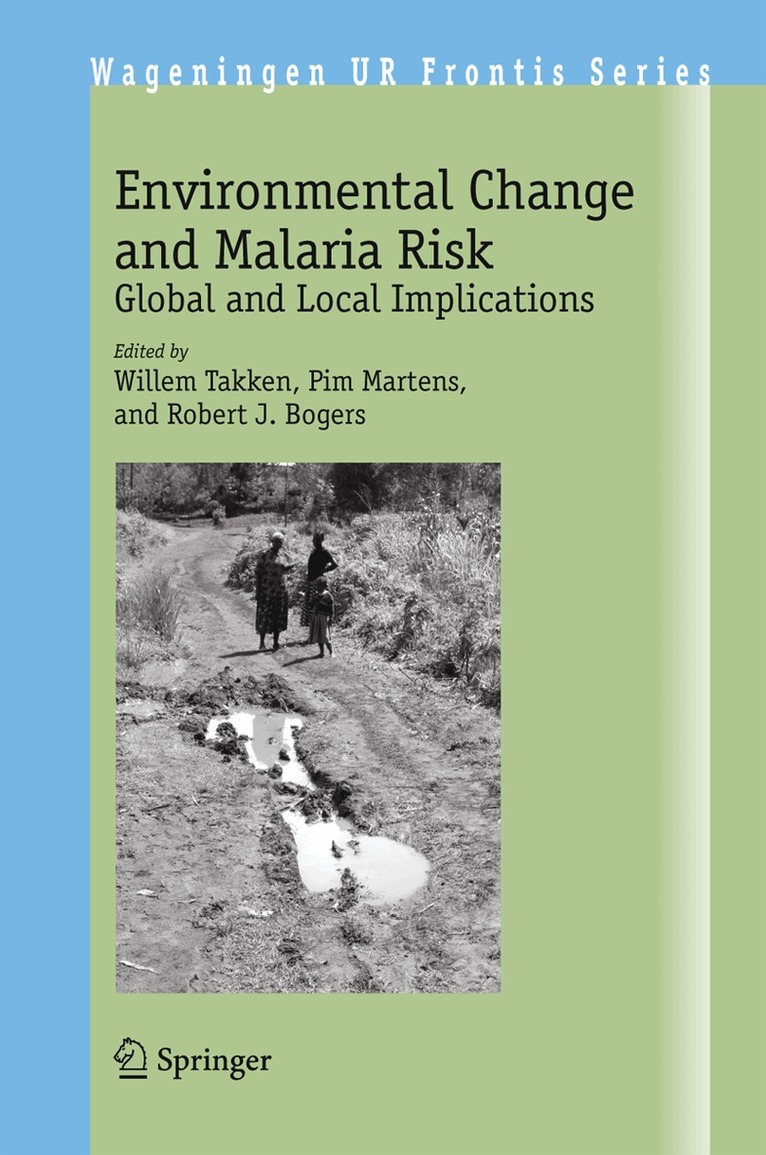
The workshop “Environmental Change and Malaria Risk: Global and Local Implications” was held to conclude a 5-year collaborative research project on environmental change and malaria risk, with field research in Kenya and Brazil. It was fitting that such a large group of specialists was able to attend the workshop and contribute with a chapter in which the predicted environmental changes were viewed from different angles. We would like to thank the Netherlands Foundation for the Advancement of Tropical Research (WOTRO) and the National Programme for Research on Climate Change and Air Quality (NOP) for having funded our work so generously. Wageningen UR – Frontis is thanked for having arranged the workshop and for its financial contribution. We would especially like to thank Petra van Boetzelaer for having assisted with the logistics of the workshop, and Paulien van Vredendaal for having spent many hours in the type editing of the chapters, making publication of this book possible. The editors, Willem Takken Pim Martens Rob Bogers Wageningen, March 2005 Colour pages Chapter 2. Pim Martens and Chris Thomas; Figures 2 and 3 Figure 2. MARA/ARMA index of climatic suitability for P. falciparum transmission in four consecutive months Figure 3. Number of consecutive months with a MARA/ARMA index of climatic suitability for P. falciparum transmission of p ?0. 9 in each month Colour pages Chapter 5. M. B. Hoshen and A. P.
Inbunden, Engelska, 2007
1 618 kr
Skickas inom 10-15 vardagar
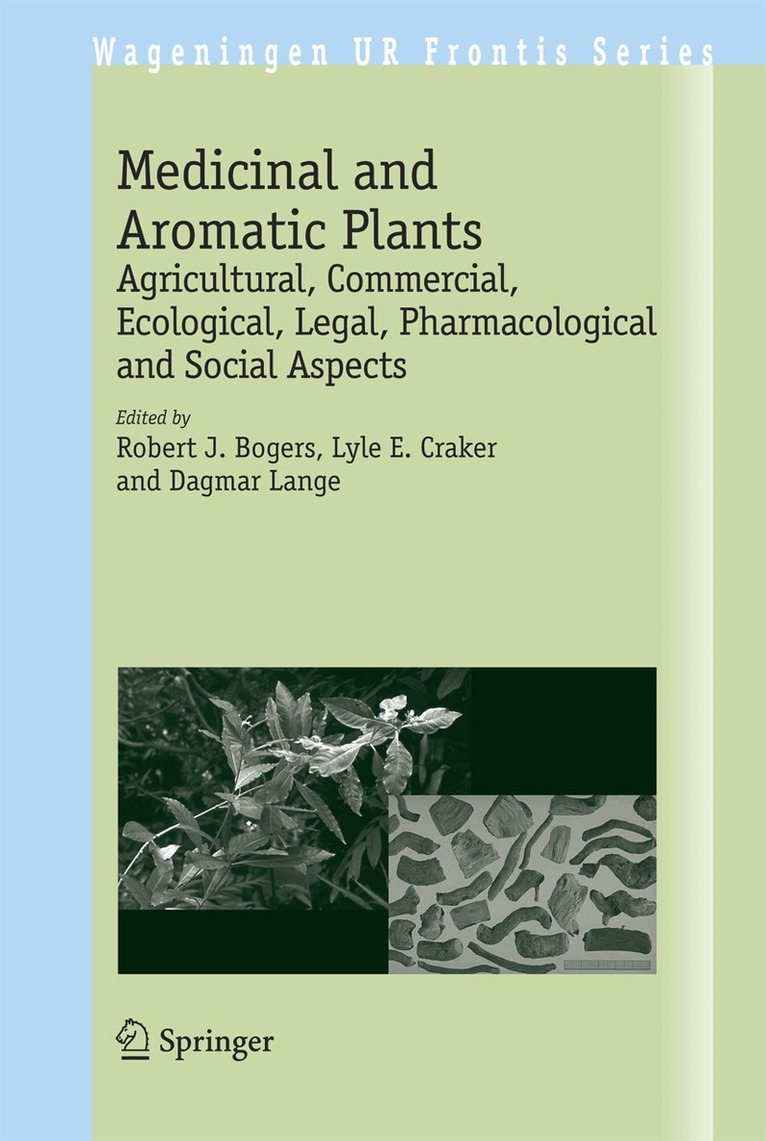
This book reports the proceedings of an international panel of specialists that explored the agricultural, commercial, ecological, legal, pharmacological and social future of medicinal and aromatic plants at a conference organized by Frontis – Wageningen International Nucleus for Strategic Expertise in Wageningen, The Netherlands. During the three-day conference, members of the panel presented and discussed a variety of facts, thoughts and opinions on research needs and potential importance of medicinal and aromatic plants among developed and developing societies. Hopefully, the information and particulars brought forth during presentations and discussions by panel members and summarized in these proceedings will initiate continued dialogue about the role and prospect of growing, collecting and processing medicinal and aromatic plants with pharmacological and industrial applications. As the reader will note, these proceedings represent a wide collection of views, reflecting the diversity of disciplines and interests of panel members that enabled thoughtful deliberations from a range of perspectives. The panel highlighted the necessity of continued and integrated research on plant sources, conservation, bioactivity, analysis and marketing in examining future scenarios for application and sale of medicinal and aromatic plants. Of special concern was the need for proof of efficacy and safety in drug development and the need to recognize societies contributing plant materials.
Häftad, Engelska, 2007
1 618 kr
Skickas inom 10-15 vardagar
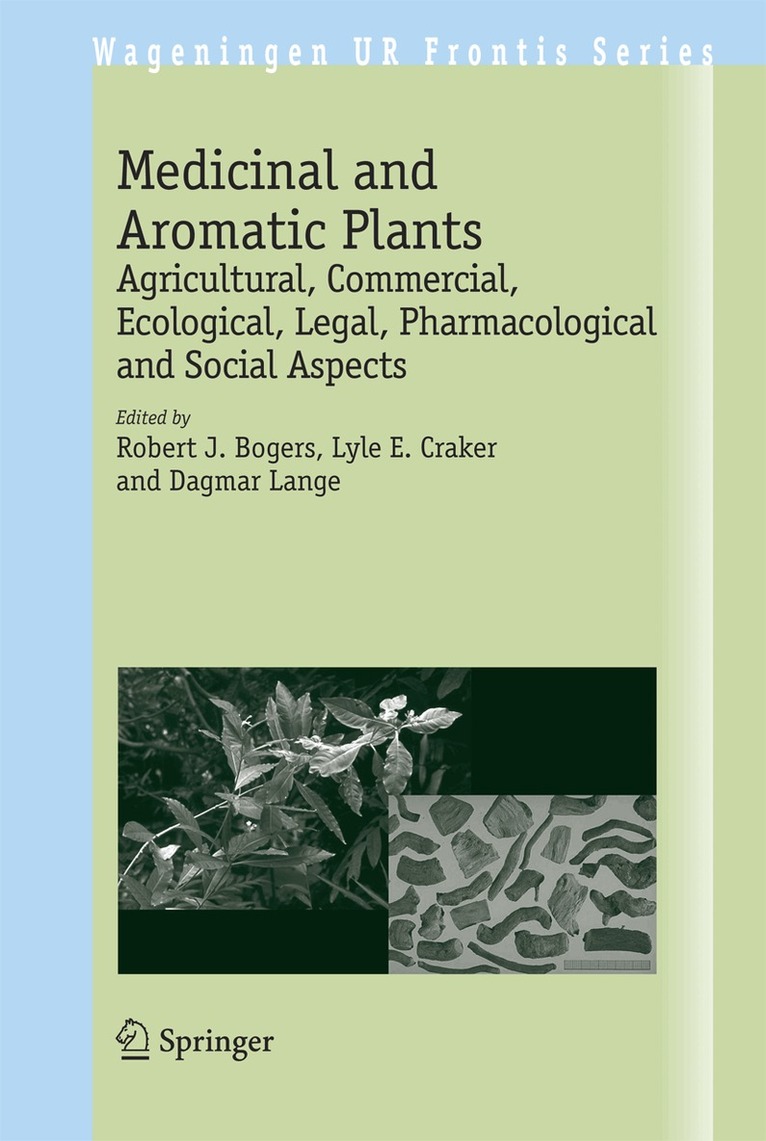
This book reports the proceedings of an international panel of specialists that explored the agricultural, commercial, ecological, legal, pharmacological and social future of medicinal and aromatic plants at a conference organized by Frontis – Wageningen International Nucleus for Strategic Expertise in Wageningen, The Netherlands. During the three-day conference, members of the panel presented and discussed a variety of facts, thoughts and opinions on research needs and potential importance of medicinal and aromatic plants among developed and developing societies. Hopefully, the information and particulars brought forth during presentations and discussions by panel members and summarized in these proceedings will initiate continued dialogue about the role and prospect of growing, collecting and processing medicinal and aromatic plants with pharmacological and industrial applications. As the reader will note, these proceedings represent a wide collection of views, reflecting the diversity of disciplines and interests of panel members that enabled thoughtful deliberations from a range of perspectives. The panel highlighted the necessity of continued and integrated research on plant sources, conservation, bioactivity, analysis and marketing in examining future scenarios for application and sale of medicinal and aromatic plants. Of special concern was the need for proof of efficacy and safety in drug development and the need to recognize societies contributing plant materials.