Robert S. G. Fletcher - Böcker
Visar alla böcker från författaren Robert S. G. Fletcher. Handla med fri frakt och snabb leverans.
3 produkter
3 produkter
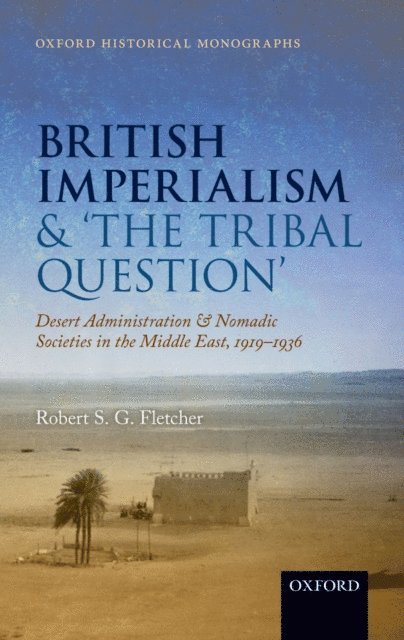
British Imperialism and 'The Tribal Question '
Desert Administration and Nomadic Societies in the Middle East, 1919-1936
Inbunden, Engelska, 2015
2 213 kr
Skickas inom 5-8 vardagar
British Imperialism and 'The Tribal Question ' reconstructs the history of Britain's presence in the deserts of the interwar Middle East, making the case for its significance to scholars of imperialism and of the region's past. It tells the story of what happened when the British Empire and Bedouin communities met on the desert frontiers between the Mediterranean Sea and the Persian Gulf. It traces the workings of the resulting practices of 'desert administration' from their origins in the wake of one World War to their eclipse after the next, as British officials, Bedouin shaykhs, and nationalist politicians jostled to influence desert affairs.Drawn to the commanding heights of political society in the region's towns and cities, historians have tended to afford frontier 'margins' merely marginal treatment. Instead, this volume combines the study of imperialism, nomads, and the desert itself to reveal the centrality of 'desert administration' to the working of Britain's empire, repositioning neglected frontier areas as nerve centres of imperial activity. British Imperialism and 'The Tribal Question ' leads the shift in historians' attentions from the familiar, urban seats of power to the desert 'hinterlands' that have long been obscured.
1 188 kr
Skickas inom 7-10 vardagar
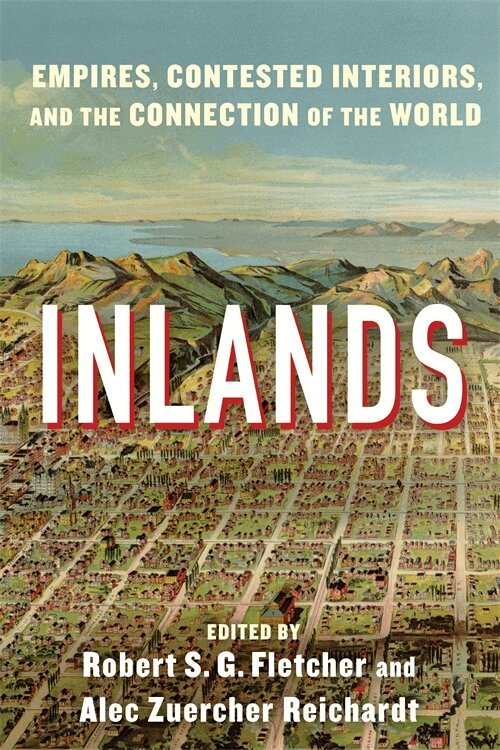
Conventional narratives of empires and globalization focus on oceans and coasts, supposing that global connections are seaborne and that historical change proceeds inward from port cities into continental expanses. This book offers a new perspective, examining key inland areas around the world to show how interior regions have shaped global history.Inlands brings together an interdisciplinary group of experts to explore the modern histories of inland regions across North and South America, Africa, Eurasia, and Australasia, from the American heartland to the Yangzi valley, the Great Dismal Swamp to the Arabian Desert. Together, they argue that interior regions provide a fresh vantage point from which to rethink the history of global connection and disconnection. Each chapter reconsiders national, regional, or imperial histories from an inland perspective, demonstrating how such places have spurred global change.Contributors reveal the critical role inlands and their Indigenous inhabitants have played in the development, projection, and contestation of state power, showing how some interiors became essential to empire even as others developed in resistance to it. By examining the struggle to integrate inland regions into wider networks of exchange, this book also sheds light on the unevenness and the limits of contemporary globalization. A new global history of interior spaces, Inlands presents a bold challenge to dominant understandings of the making of today’s connected world.
309 kr
Skickas inom 7-10 vardagar
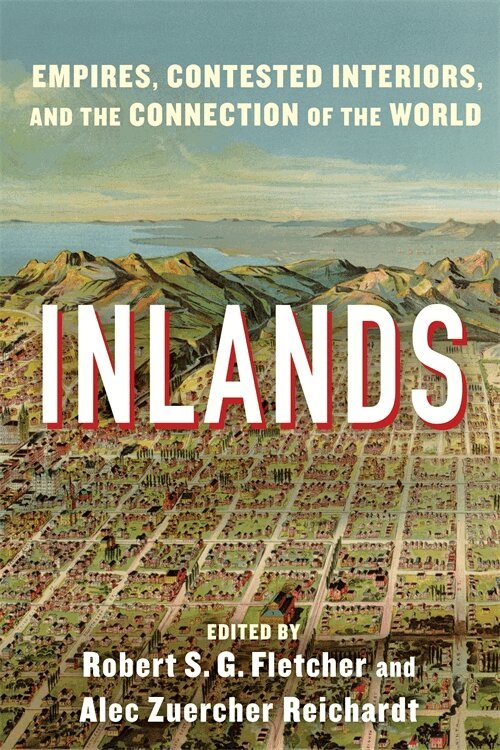
Conventional narratives of empires and globalization focus on oceans and coasts, supposing that global connections are seaborne and that historical change proceeds inward from port cities into continental expanses. This book offers a new perspective, examining key inland areas around the world to show how interior regions have shaped global history.Inlands brings together an interdisciplinary group of experts to explore the modern histories of inland regions across North and South America, Africa, Eurasia, and Australasia, from the American heartland to the Yangzi valley, the Great Dismal Swamp to the Arabian Desert. Together, they argue that interior regions provide a fresh vantage point from which to rethink the history of global connection and disconnection. Each chapter reconsiders national, regional, or imperial histories from an inland perspective, demonstrating how such places have spurred global change.Contributors reveal the critical role inlands and their Indigenous inhabitants have played in the development, projection, and contestation of state power, showing how some interiors became essential to empire even as others developed in resistance to it. By examining the struggle to integrate inland regions into wider networks of exchange, this book also sheds light on the unevenness and the limits of contemporary globalization. A new global history of interior spaces, Inlands presents a bold challenge to dominant understandings of the making of today’s connected world.