Roberta Magnani – författare
Visar alla böcker från författaren Roberta Magnani. Handla med fri frakt och snabb leverans.
5 produkter
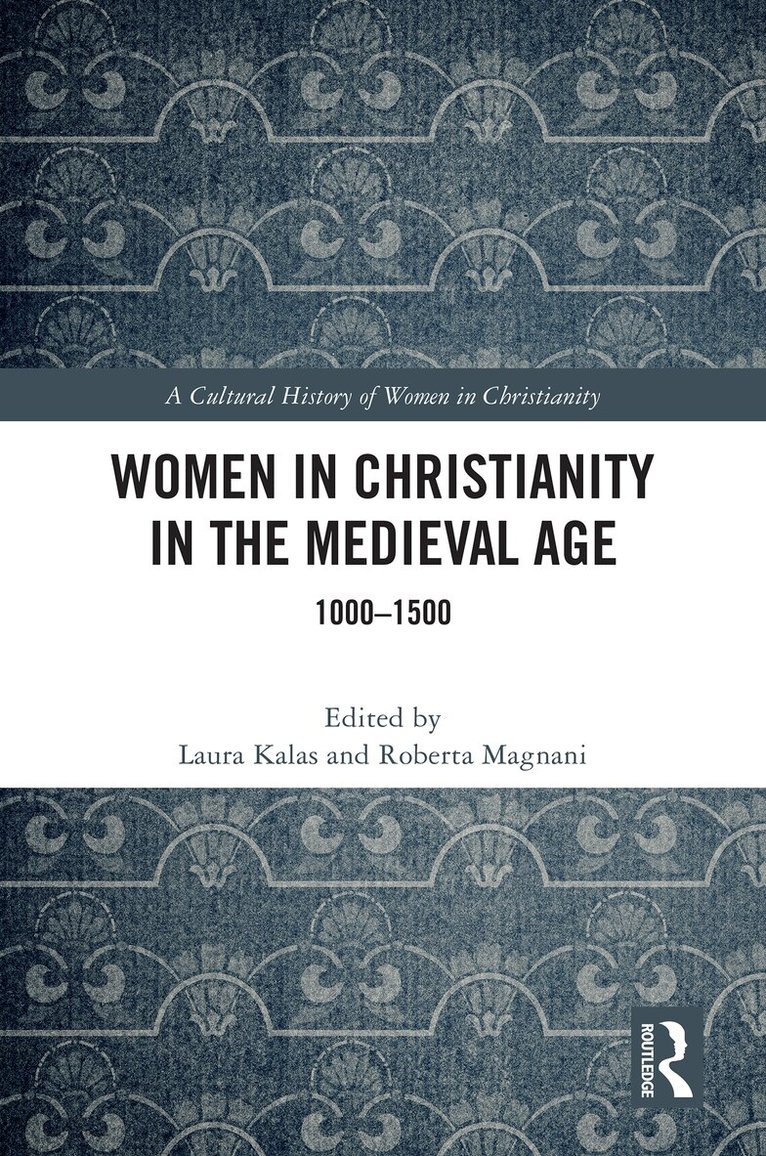
Women in Christianity in the Medieval Age
1000–1500
Av Laura Kalas, Roberta Magnani
Inbunden, 2024
2133 kr
Lägg i varukorg
This volume offers a comprehensive introduction to and investigation of the multivocality of women’s experience in the Middle Ages. In medieval Europe women saw their role in the Christian Church and society progressively confined to conflicting models of femininity epitomised by the dichotomy of …
Women in Christianity in the Medieval Age
1000–1500
Av Laura Kalas, Roberta Magnani
Häftad, 2026
706 kr
Lägg i varukorg
This volume offers a comprehensive introduction to and investigation of the multivocality of women’s experience in the Middle Ages. In medieval Europe women saw their role in the Christian Church and society progressively confined to conflicting models of femininity epitomised by the dichotomy of …
Women in Christianity in the Medieval Age
1000–1500
Av Roberta Magnani, Laura Kalas
E-bok, 2024
831 kr
Lägg i varukorg
This volume offers a comprehensive introduction to and investigation of the multivocality of women’s experience in the Middle Ages. In medieval Europe women saw their role in the Christian Church and society progressively confined to conflicting models of femininity epitomised by the dichotomy of …
Women in Christianity in the Medieval Age
1000–1500
Av Roberta Magnani, Laura Kalas
E-bok, 2024
813 kr
Lägg i varukorg
This volume offers a comprehensive introduction to and investigation of the multivocality of women’s experience in the Middle Ages. In medieval Europe women saw their role in the Christian Church and society progressively confined to conflicting models of femininity epitomised by the dichotomy of …
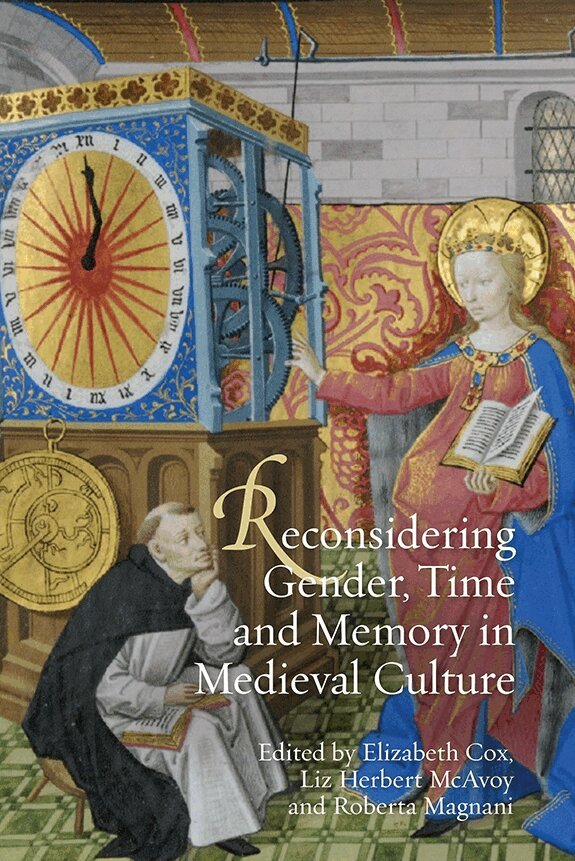
Reconsidering Gender, Time and Memory in Medieval Culture
Av Elizabeth Cox, Liz Herbert McAvoy m. fl.
Inbunden, 2015
1424 kr
Lägg i varukorg
A consideration of the ways in which the past was framed and remembered in the pre-modern world.The training and use of memory was crucial in medieval culture, given the limited literacy at the time, but to date, very little thought has been given to the complex and disparate ways in which the …