Roger Anyon - Böcker
Visar alla böcker från författaren Roger Anyon. Handla med fri frakt och snabb leverans.
3 produkter
3 produkter
599 kr
Skickas inom 10-15 vardagar
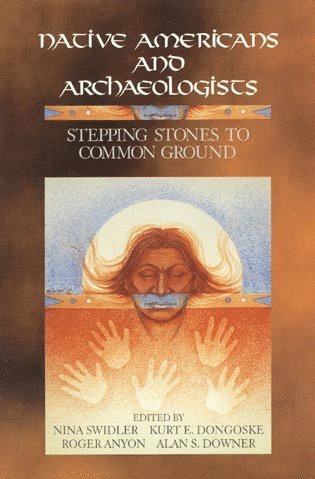
Legal and economic factors have thrust American archaeology into a period of intellectual and methodological unrest. Issues such as reburial and repatriation, land and resource 'ownership,' and the integration of tradition and science have long divided archaeologists and Native American communities. Both groups recognize the need for a dramatic transformation of the discipline into one that appeals to and serves the greater public. This book tackles these and other issues by elucidating successful strategies for collaboration. It includes detailed discussions of the Native American Graves Protection and Repatriation Act (NAGPRA), enacted in 1990 in effort to legislatively redefine ownership of cultural items. Perspectives range from Native American representatives from tribes throughout the U.S., professional archaeologists and anthropologists working for tribes, federal and state agency representatives, museum specialists, and private archaeology and anthropology consultants. Published in cooperation with the Society for American Archaeology.
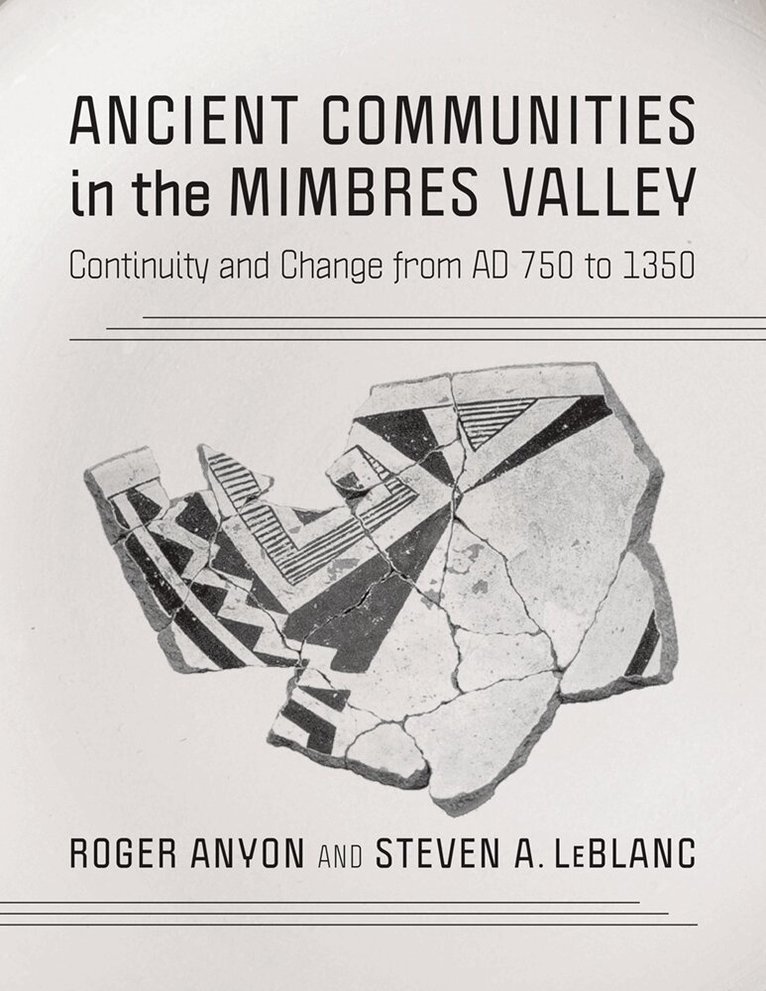
Ancient Communities in the Mimbres Valley
Continuity and Change from AD 750 to 1350
Inbunden, Engelska, 2024
927 kr
Skickas inom 7-10 vardagar
In the Mimbres Valley of southwestern New Mexico, archaeologists have been working for decades to meticulously excavate archaeological sites.Expanding beyond studies that focus on a single pueblo, this volume represents the final report on the excavations of the Mimbres Foundation. It brings together data from a range of pithouse and pueblo sites of different sizes and histories in diverse locations—to refine the current understandings of Mimbres region archaeology in the context of the Greater Southwest.From the end of the Late Pithouse period through the Black Mountain phase, the book provides excellent documentation of the artifacts and data recovered from the sites, addresses models of Mimbres community, and tracks change and continuity in the valley over centuries. In addition, the authors consider the nature of the relationship between the Classic Mimbres period population of the valley and the people of the succeeding Black Mountain phase, as well as relationships among the Black Mountain phase people and those of neighboring parts of the region, including the Casas Grandes world and the Jornada Mogollon area.In Ancient Communities in the Mimbres Valley two leading archaeologists bring together a trove of unpublished investigations, expanding understandings and setting a course for the future.
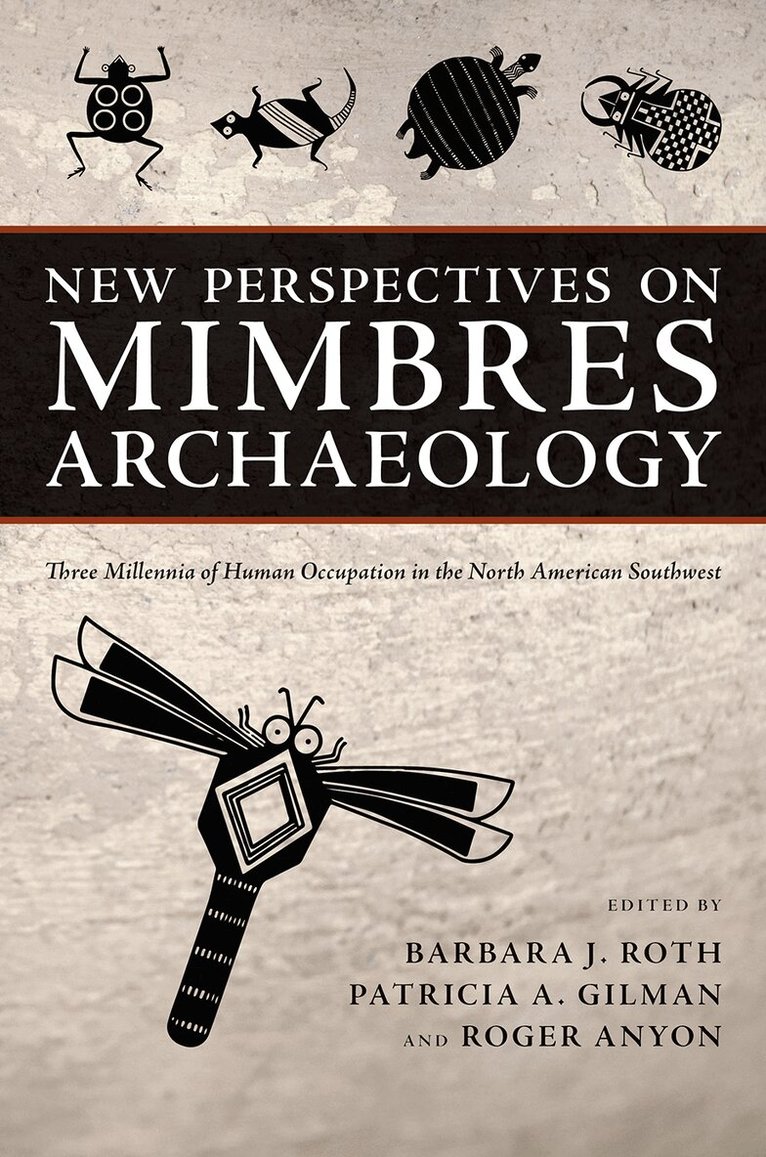
New Perspectives on Mimbres Archaeology
Three Millennia of Human Occupation in the North American Southwest
Häftad, Engelska, 2024
386 kr
Skickas inom 7-10 vardagar
In the early 1970s, understanding of the Mimbres region as a whole was in its infancy. In the following decades, thanks to dedicated work by enterprising archaeologists and nonprofit organizations, our understanding of the Mimbres region has become more complex, nuanced, and rich.New Perspectives on Mimbres Archaeology brings together these experts in a single volume for the first time. The contributors discuss current knowledge of the people who lived in the Mimbres region of the southwestern United States and how our knowledge has changed since the Mimbres Foundation, directed by Steven A. LeBlanc, began the first modern archaeological investigations in the region. Many of these authors have spent decades conducting the fieldwork that has allowed for a broader understanding of Mimbres society.Focusing on a variety of important research topics of interest to archaeologists—including the social contexts of people and communities, the role of ritual and ideology in Mimbres society, evidence of continuities and cultural change through time, and the varying impacts of external influences throughout the region—New Perspectives on Mimbres Archaeology presents recent data on and interpretations of the entire pre-Hispanic sequence of occupation. Additional contributions include a history of nonprofit archaeology by William H. Doelle and a concluding chapter by Steven A. LeBlanc reflecting on his decades-long work in Mimbres archaeology and outlining important areas for the next wave of research.