Roger W. Lotchin – författare
Visar alla böcker från författaren Roger W. Lotchin. Handla med fri frakt och snabb leverans.
8 produkter
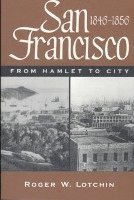
San Francisco, 1846-1856
From Hamlet to City
Häftad, 1997
438 kr
Lägg i varukorg
Now back in print with a new introduction by the author, this is the classic study of America's most admired instant city, from its days as a sleepy Mexican village, through the Gold Rush and into its establishment as a major international port. Roger Lotchin examines the urbanizing influences in …
Way We Really Were
The GOLDEN STATE in the SECOND GREAT WAR
Häftad, 1999
338 kr
Lägg i varukorg
The customary picture of the World War II era in California has been dominated by accounts of the Japanese American concentration camps, African Americans, and women on the home front.The Way We Really Were substantially enlivens this view, addressing topics that have been neglected or incompletely …
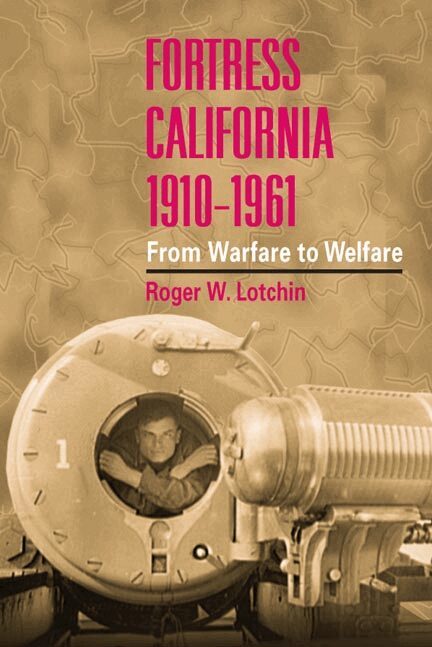
Fortress California, 1910-1961
From WARFARE to WELFARE
Häftad, 2002
348 kr
Lägg i varukorg
Fortress California, now in paperback for the first time, links the growth of the U.S. military-industrial complex to civic leaders who competed for military bases and military contracts to ensure economic growth. Analyzing the growth of Los Angeles, San Diego, and San Francisco from 1910 to 1961, …
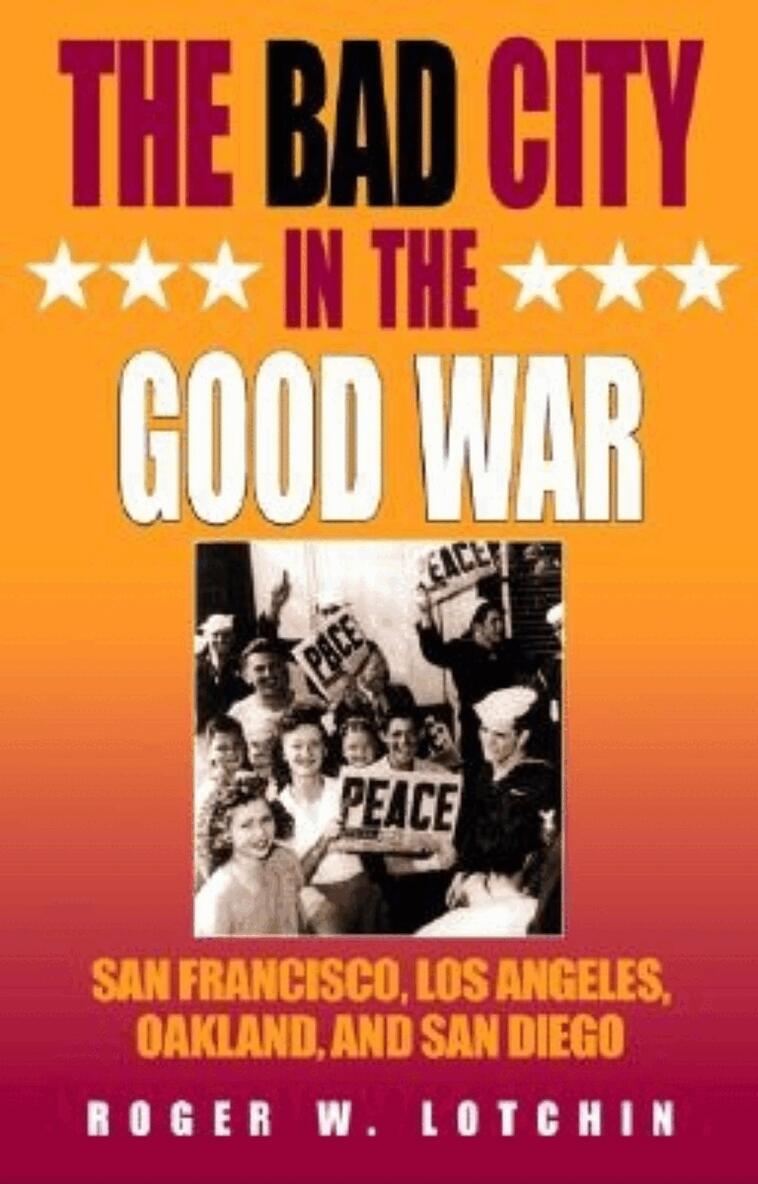
Bad City in the Good War
San Francisco, Los Angeles, Oakland, and San Diego
Av Roger W. Lotchin, Martin Ridge m. fl.
Häftad, 2003
297 kr
Lägg i varukorg
"Riders were very appropriate to a western war, but these horsemen could not have been more different. One group patrolled the oceanfront of 'The City' after dark. While the residents of the nearby Sunset District and Seacliff huddled around the radios in their living rooms, curtains pulled and …
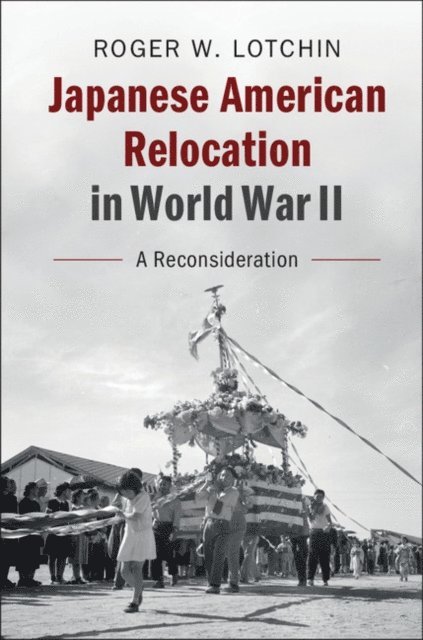
Japanese American Relocation in World War II
A Reconsideration
E-bok, 2018
554 kr
Lägg i varukorg
In this revisionist history of the United States government relocation of Japanese-American citizens during World War II, Roger W. Lotchin challenges the prevailing notion that racism was the cause of the creation of these centers. After unpacking the origins and meanings of American attitudes …
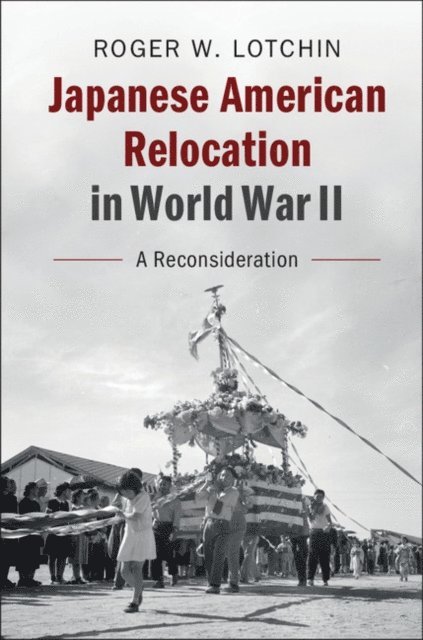
Japanese American Relocation in World War II
A Reconsideration
E-bok, 2018
542 kr
Lägg i varukorg
In this revisionist history of the United States government relocation of Japanese-American citizens during World War II, Roger W. Lotchin challenges the prevailing notion that racism was the cause of the creation of these centers. After unpacking the origins and meanings of American attitudes …
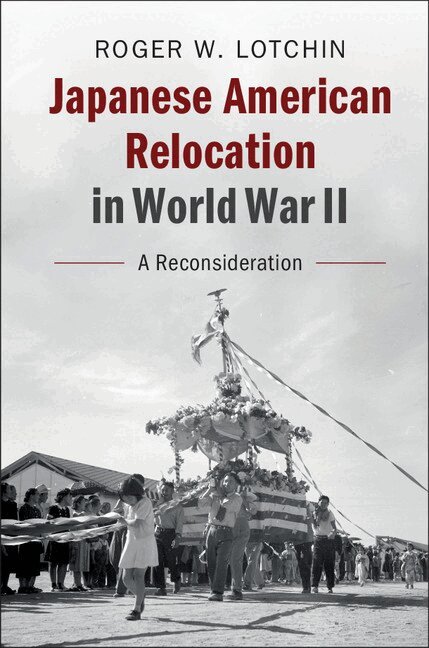
Japanese American Relocation in World War II
A Reconsideration
Häftad, 2018
557 kr
Lägg i varukorg
In this revisionist history of the United States government relocation of Japanese-American citizens during World War II, Roger W. Lotchin challenges the prevailing notion that racism was the cause of the creation of these centers. After unpacking the origins and meanings of American attitudes …
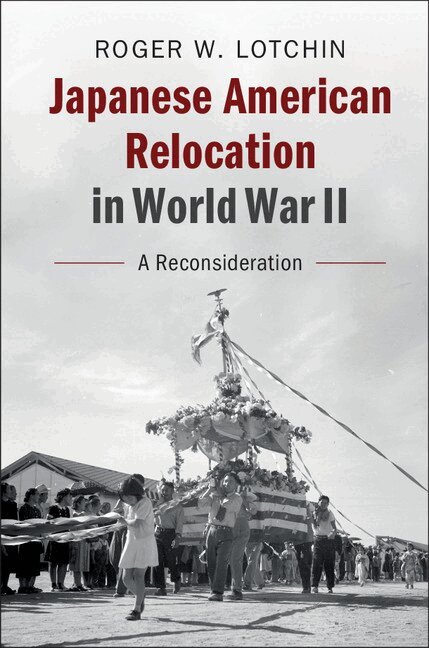
Japanese American Relocation in World War II
A Reconsideration
Inbunden, 2018
1559 kr
Lägg i varukorg
In this revisionist history of the United States government relocation of Japanese-American citizens during World War II, Roger W. Lotchin challenges the prevailing notion that racism was the cause of the creation of these centers. After unpacking the origins and meanings of American attitudes …