• Fri frakt över 249 kr
  • •
  • Snabba leveranser
  • •
  • Billiga böcker
Kundservice

Du är på sajten för privatpersoner.

Företag, bibliotek eller offentlig verksamhet?

Du handlar på classic.bokus.com, där alla dina funktioner finns intakta.
Till classic.bokus.com
Bokus logotyp. Gå till startsidan.
  • Erbjudanden
  • Nyheter
  • Student
  • Topplistor
  • Barn & ungdom
  • Bokus Play
  • E-böcker
  • Pocketböcker
  • Spel & pussel

Må bättre, för mindre! Upp till 50% rabatt på hälsoböcker

Sidfot

Mina sidor

    Hjälp

    • Kundservice
    • Vanliga frågor och svar
    • Frakt och leverans
    • Retur vid ångerrätt
    • Reklamera vara
    • Betalning
    • Köpvillkor
    • Allmänna villkor
    • Information om webbplatsens tillgänglighet

    Om Bokus

    • Om oss
    • Pressrum
    • För studenter
    • För företag
    • För bibliotek och offentlig verksamhet
    • För leverantörer
    • Hållbarhet

    Populärt

    • Aktuella erbjudanden
    • Presentkort
    • Studentlitteratur
    • Nya böcker
    • Topplistor
    • Signerade böcker
    • Engelska böcker

    Inspiration

    • Boktips
    • BookTok
    • Populära bokserier
    • Barnbokskaraktärer
    • Populära författare
    Logotyp för Bokus
    Följ oss på Facebook (extern länk)Följ oss på Instagram (extern länk)Följ oss på YouTube (extern länk)Följ oss på TikTok (extern länk)
    bokus @ CookiesAnpassa cookiesIntegritetspolicyKöpvillkor
    Till Citymail hemsida (extern länk)Till Budbee hemsida (extern länk)Till Postnord hemsida (extern länk)Till Schenker hemsida (extern länk)Till Early Bird hemsida (extern länk)Till Walleys hemsida (extern länk)
    1. Historia och arkeologi
    2. Historia
    3. Militärhistoria
    4. Andra världskriget

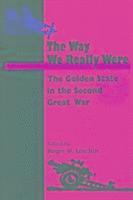
    Way We Really Were

    The GOLDEN STATE in the SECOND GREAT WAR

    AvRoger W. Lotchin

    Häftad, Engelska, 1999

    332 kr

    Beställningsvara. Skickas inom 5-8 vardagar. Fri frakt över 249 kr.

    Beskrivning

    The customary picture of the World War II era in California has been dominated by accounts of the Japanese American concentration camps, African Americans, and women on the home front.The Way We Really Were substantially enlivens this view, addressing topics that have been neglected or incompletely treated in the past to create a more rounded picture of the wartime situation at home.  Exploring the developments brought to fruition by the war and linking them to their roots in earlier decades, contributors address the diversity of the musical scene, which arose from a cross-pollination of styles brought by Okies, blacks, and Mexican migrants. They examine increased political involvement by women, Hollywood's response to the war, and the merging of business and labor interests in the Bay Area Council. They also reveal how wartime dynamics led to substantial environmental damage and lasting economic gains by industry. The Way We Really Were examines significant wartime changes in the circumstances of immigrant groups that have been largely overlooked by historians. Among these are Italian Americans, heavily insular and pro-Fascist before the war and very pro-American and assimilationist after, and Chinese American men, who achieved new legitimacy and entitlement through military service. Also included is a look at cultural negotiation among multiple ethnic groups in the Golden State.   A valuable addition to the literature on California history, The War We Really Were provides an entree into new areas of scholarship and a fresh look at familiar ones.

    Produktinformation

    • Utgivningsdatum:1999-11-24
    • Mått:152 x 229 x 23 mm
    • Vikt:399 g
    • Format:Häftad
    • Språk:Engelska
    • Antal sidor:256
    • Förlag:University of Illinois Press
    • ISBN:9780252068195

    Utforska kategorier

    • Andra världskriget inom Historia och arkeologi
    • Amerikas historia inom Historia och arkeologi
    • Modern militärhistoria inom Historia och arkeologi

    Recensioner i media

    "A fine collection of ten essays... The essays interact with one another, and at the end of the book the reader feels she has a fairly good idea of what life was like in California during those years." -- Judith R. Raftery, Western Historical Quarterly