Saleem Badat – författare
Visar alla böcker från författaren Saleem Badat. Handla med fri frakt och snabb leverans.
9 produkter
9 produkter
Häftad, Engelska, 2016
789 kr
Skickas inom 10-15 vardagar
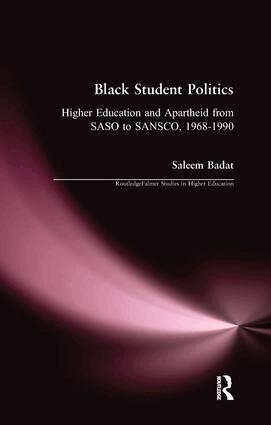
Black Student Politics, Higher Education and Apartheid examines two black national higher education student political organizations - the South African National Students' Congress (SANSCO) and the South African Students' Organization (SASO), popularly associated with Black Consciousness. It analyzes the ideologies and politics and organization of SASO and SANSCO and their intellectual, political and social determinants. It also analyzes their role in the educational, political and social spheres and the factors that shaped their activities. Finally, it assesses their contributions to the popular struggle against apartheid education and race, class and gender oppression and the extent to and ways in which their activities reproduced, undermined and/or transformed apartheid and capitalist social relations, institutions and practices.
E-bok
Engelska, 2016867 kr
Läs direkt efter köp
Black Student Politics, Higher Education and Apartheid examines two black national higher education student political organizations - the South African National Students'' Congress (SANSCO) and the South African Students'' Organization (SASO), popularly associated with Black Consciousness. It analyzes the ideologies and politics and organization of SASO and SANSCO and their intellectual, political and social determinants. It also analyzes their role in the educational, political and social spheres and the factors that shaped their activities. Finally, it assesses their contributions to the popular struggle against apartheid education and race, class and gender oppression and the extent to and ways in which their activities reproduced, undermined and/or transformed apartheid and capitalist social relations, institutions and practices.
E-bok
PDF, Engelska, 2016867 kr
Läs direkt efter köp
Black Student Politics, Higher Education and Apartheid examines two black national higher education student political organizations - the South African National Students'' Congress (SANSCO) and the South African Students'' Organization (SASO), popularly associated with Black Consciousness. It analyzes the ideologies and politics and organization of SASO and SANSCO and their intellectual, political and social determinants. It also analyzes their role in the educational, political and social spheres and the factors that shaped their activities. Finally, it assesses their contributions to the popular struggle against apartheid education and race, class and gender oppression and the extent to and ways in which their activities reproduced, undermined and/or transformed apartheid and capitalist social relations, institutions and practices.
E-bok
PDF, Engelska, 2016384 kr
Läs direkt efter köp
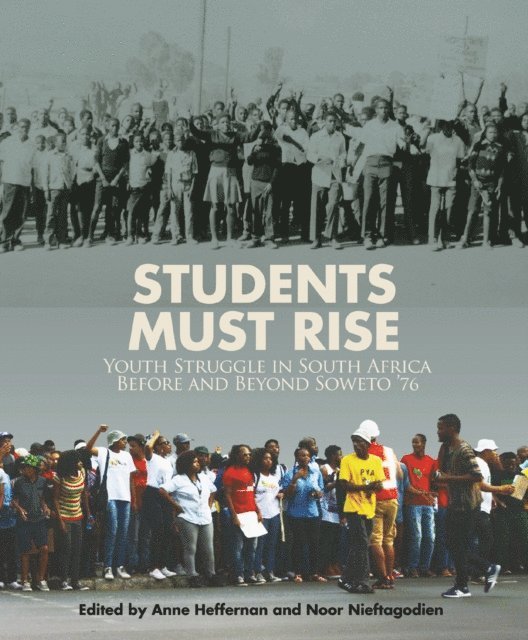
The Soweto Student Uprising of 1976 was a decisive moment in the struggle against apartheid. It marked the expansion of political activism to a new generation of young activists, but beyond that it inscribed the role that young people of subsequent generations could play in their country’s future. Since that momentous time students have held a special place in the collective imaginary of South African history. Drawing on research and writing by leading scholars and prominent activists, Students Must Rise takes Soweto ’76 as its pivot point, but looks at student and youth activism in South Africa more broadly by considering what happened before and beyond the Soweto moment. Early chapters assess the impact of the anti-pass campaigns of the 1950s, of political ideologies like black consciousness as well as of religion and culture in fostering political consciousness and organisation among youth and students in townships and rural areas. Later chapters explore the wide-reaching impact of June 16th itself for student organisation over the next two decades across the country. Two final chapters consider contemporary student-based political movements, including #RhodesMustFall and #FeesMustFall, and historically root these in the long and rich tradition of student activism in South Africa. 2016 marks the 40th anniversary of the 1976 June 16th uprisings. This book rethinks the conventional narrative of youth and student activism in South Africa by placing that most famous of moments – the 1976 students’ uprising in Soweto – in a deeper historical and geographic context.
384 kr
Läs direkt efter köp
The Soweto Student Uprising of 1976 was a decisive moment in the struggle against apartheid. It marked the expansion of political activism to a new generation of young activists, but beyond that it inscribed the role that young people of subsequent generations could play in their country’s future. Since that momentous time students have held a special place in the collective imaginary of South African history. Drawing on research and writing by leading scholars and prominent activists, Students Must Rise takes Soweto ’76 as its pivot point, but looks at student and youth activism in South Africa more broadly by considering what happened before and beyond the Soweto moment. Early chapters assess the impact of the anti-pass campaigns of the 1950s, of political ideologies like black consciousness as well as of religion and culture in fostering political consciousness and organisation among youth and students in townships and rural areas. Later chapters explore the wide-reaching impact of June 16th itself for student organisation over the next two decades across the country. Two final chapters consider contemporary student-based political movements, including #RhodesMustFall and #FeesMustFall, and historically root these in the long and rich tradition of student activism in South Africa. 2016 marks the 40th anniversary of the 1976 June 16th uprisings. This book rethinks the conventional narrative of youth and student activism in South Africa by placing that most famous of moments – the 1976 students’ uprising in Soweto – in a deeper historical and geographic context.
Häftad, Engelska, 2023
381 kr
Skickas inom 5-8 vardagar
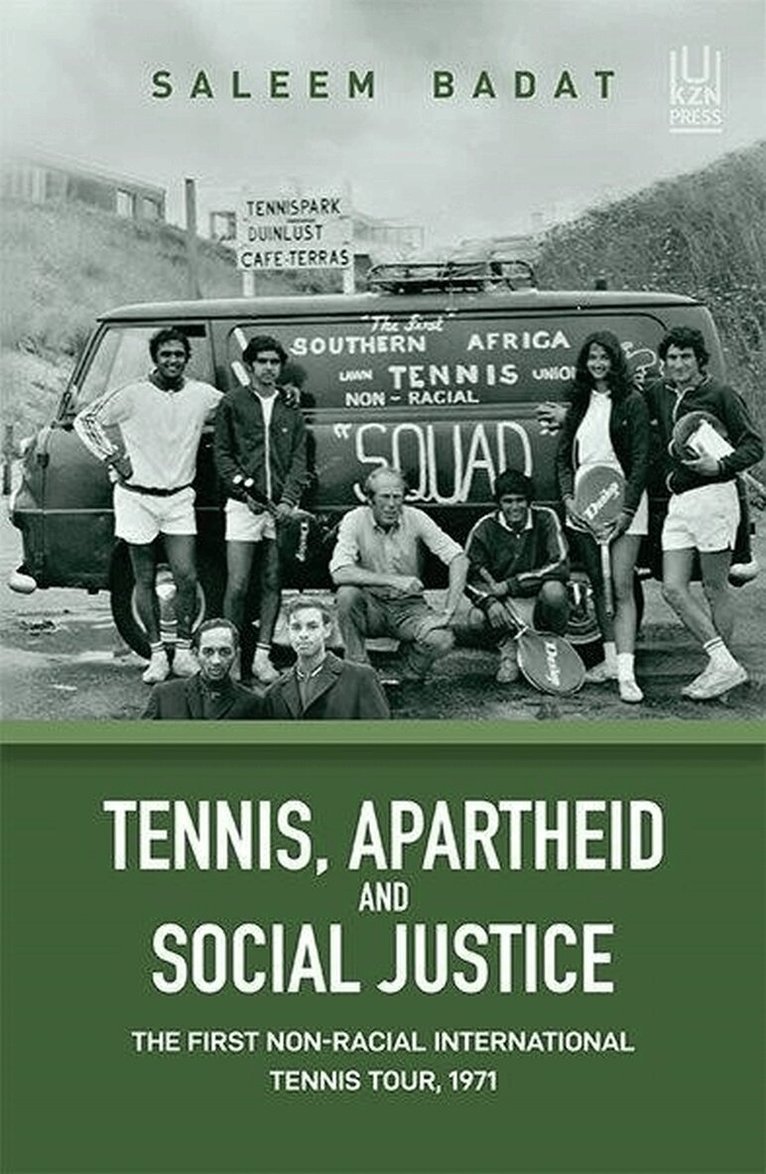
In 1971, the non-racial Southern African Lawn Tennis Union sent six promising young players on a historic tour to play tournaments in Europe. The team was known as the 'Dhiraj' squad, after national champion Jasmat Dhiraj. Apartheid South Africa in the 1970s was a racist and repressive society, based on white supremacy and privilege and black oppression. Black tennis players were denied proper facilities, coaching, opportunities to excel, and the chance to represent their country and play international tournaments. They could not belong to the same clubs as whites or compete in competitions with or against white players. Despite the barriers and constraints, many black sportspersons and sports administrators courageously and determinedly pursued the ideals of non-racialism in sport and in the wider society, often at great personal cost to themselves. Tennis, Apartheid and Social Justice records the political, social and sporting conditions associated with the 1971 tour, the adventures of the talented young black tennis players, the impact of the tour on them and the lessons learned. It documents the collusion of international tennis associations with the racist white-only South African tennis body that prevented a Dhiraj squad member, Hoosen Bobat, the opportunity to play in the Junior Wimbledon championships. The book contends that there has been neither recognition of nor reparations for outstanding apartheid-era black sportspersons and that the apartheid legacy continues to impinge powerfully on tennis today.
Häftad, Engelska, 2025
409 kr
Kommande
This is a critical study of the origins and development of the University of Durban-Westville over four decades, with a particular emphasis on the humanities and social sciences disciplines. The history of UDW is located within the context of the unfolding of apartheid ideology and resistance to it. This book analyses UDW’s origins as the University College for Indians at Salisbury Island in 1961. Against this background, it chronicles the emergence of UDW and its development until 1976. With the dawn of democracy, the deracialising drive increased in pace and posed new challenges. Complementing historical analysis are reflections on institutional transformation and the merger with the University of Natal that ended UDW’s existence and created the University of KwaZulu-Natal in 2003. The dearth of analysis of academic disciplines at historically black universities makes this book an important addition to the scholarly literature.
Del 29 - African Social Studies Series
Forgotten People
Political Banishment under Apartheid
Häftad, Engelska, 2013
1 290 kr
Skickas inom 5-8 vardagar
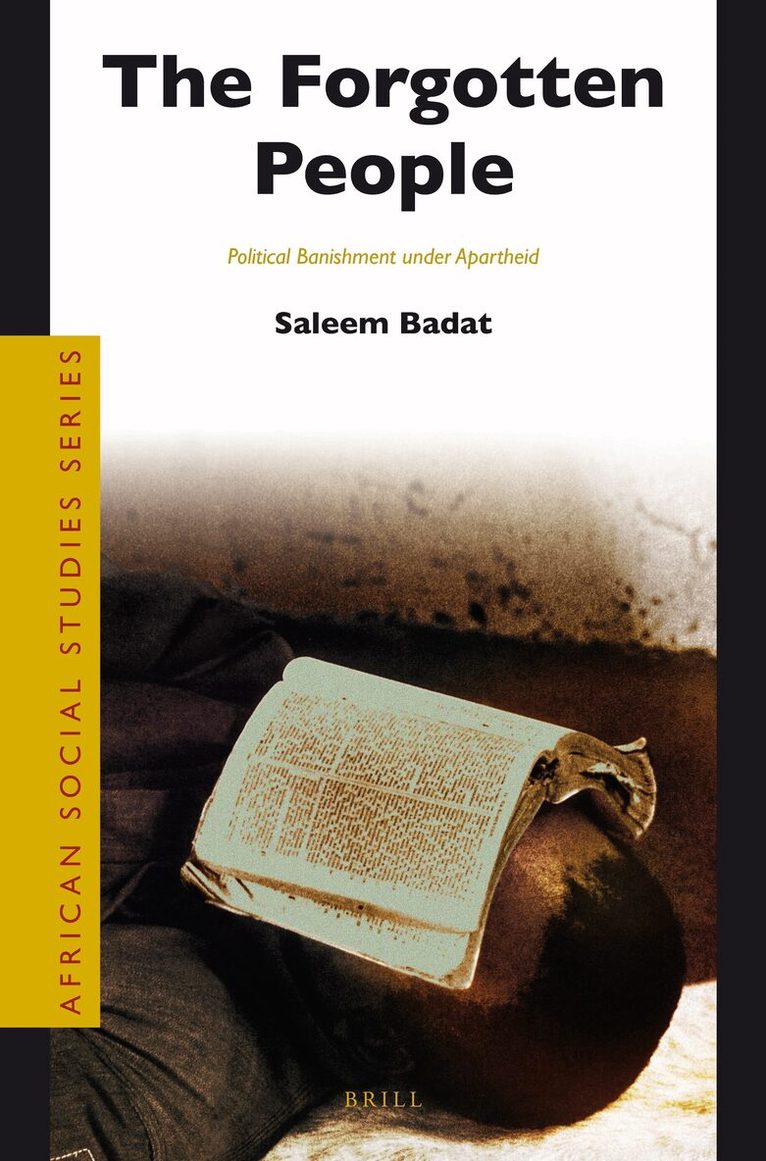
The apartheid state employed many weapons against its opponents: imprisonment, banning, detention, assassination – and banishment. In a practice reminiscent of Tsarist and Soviet Russia, a large number of ‘enemies of the state’ were banished to remote areas, far from their homes, communities and followers. Here their existence became ‘a slow torture of the soul’, a kind of social death. This is the first study of an important but hitherto neglected group of opponents of apartheid, set in a global, historical and comparative perspective. It looks at the reasons why people were banished, their lives in banishment and the efforts of a remarkable group of activists, led by Helen Joseph, to assist them.
Inbunden, Engelska, 2002
1 610 kr
Tillfälligt slut
Black Student Politics, Higher Education and Apartheid examines two black national higher education student political organizations - the South African National Students' Congress (SANSCO) and the South African Students' Organization (SASO), popularly associated with Black Consciousness. It analyzes the ideologies and politics and organization of SASO and SANSCO and their intellectual, political and social determinants. It also analyzes their role in the educational, political and social spheres and the factors that shaped their activities. Finally, it assesses their contributions to the popular struggle against apartheid education and race, class and gender oppression and the extent to and ways in which their activities reproduced, undermined and/or transformed apartheid and capitalist social relations, institutions and practices.