Sarah Blacker - Böcker
Visar alla böcker från författaren Sarah Blacker. Handla med fri frakt och snabb leverans.
4 produkter
4 produkter
2 074 kr
Skickas inom 7-10 vardagar
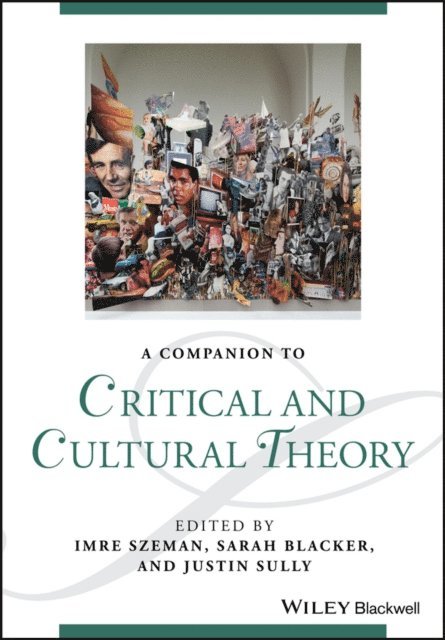
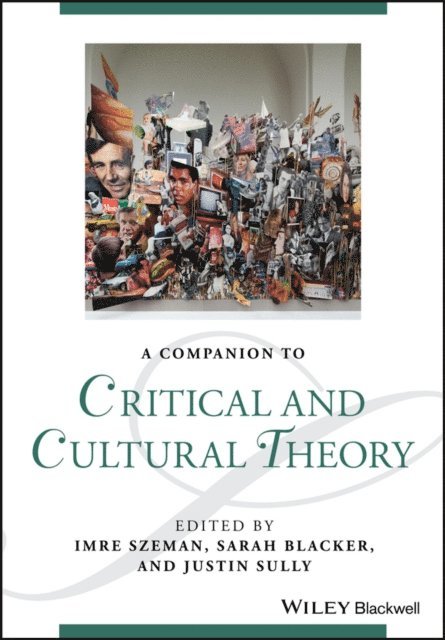
This Companion addresses the contemporary transformation of critical and cultural theory, with special emphasis on the way debates in the field have changed in recent decades. Features original essays from an international team of cultural theorists which offer fresh and compelling perspectives and sketch out exciting new areas of theoretical inquiry Thoughtfully organized into two sections – lineages and problematics – that facilitate its use both by students new to the field andadvanced scholars and researchersExplains key schools and movements clearly and succinctly, situating them in relation to broader developments in culture, society, and politicsTackles issues that have shaped and energized the field since the Second World War, with discussion of familiar and under-theorized topics related to living and laboring, being and knowing, and agency and belonging
468 kr
Kommande
This Companion addresses the contemporary transformation of critical and cultural theory, with special emphasis on the way debates in the field have changed in recent decades. Features original essays from an international team of cultural theorists which offer fresh and compelling perspectives and sketch out exciting new areas of theoretical inquiry Thoughtfully organized into two sections – lineages and problematics – that facilitate its use both by students new to the field andadvanced scholars and researchersExplains key schools and movements clearly and succinctly, situating them in relation to broader developments in culture, society, and politicsTackles issues that have shaped and energized the field since the Second World War, with discussion of familiar and under-theorized topics related to living and laboring, being and knowing, and agency and belonging
1 225 kr
Skickas inom 10-15 vardagar
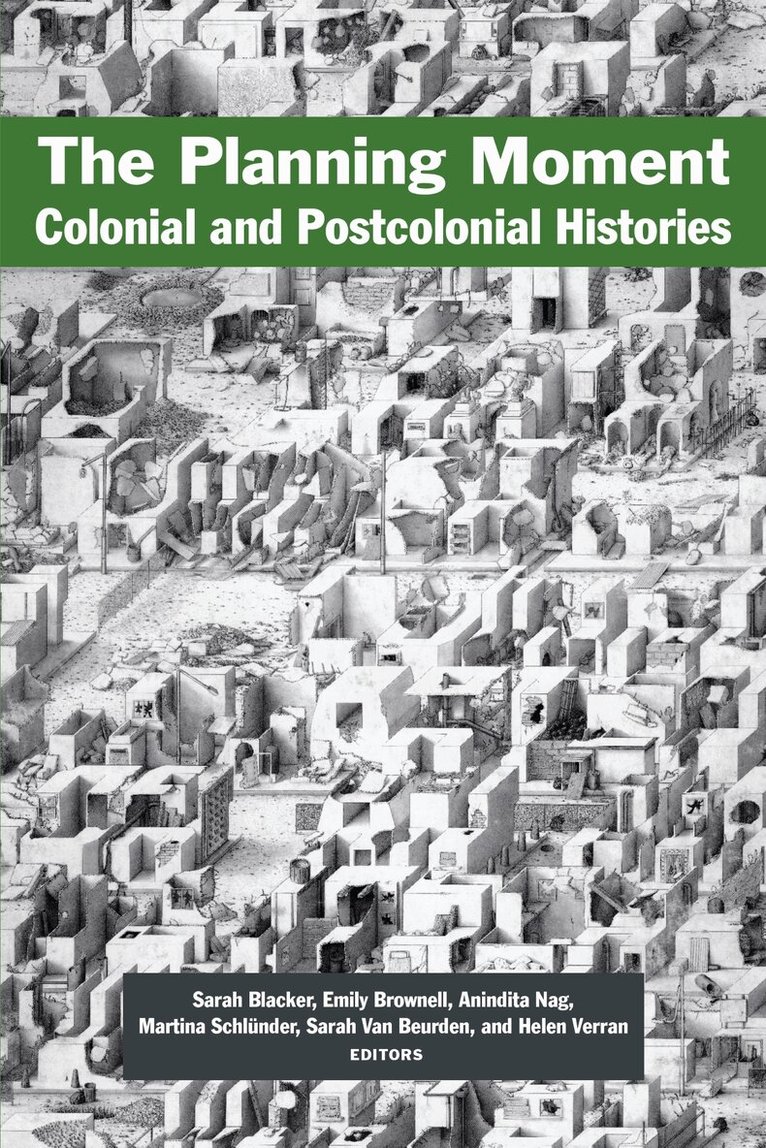
Empires and their aftermaths were massive planning institutions; in the past two hundred years, the natural and social sciences emerged—at least in part—as modes of knowledge production for imperial planning. Yet these connections are frequently under-emphasized in the history of science and its corollary fields. The Planning Moment explores the myriad ways plans and planning practices pervade recent global history. The book is built around twenty-seven brief case studies that explore the centrality of planning in colonial and postcolonial environments, relationships, and contexts, through a range of disciplines: the history of science, science and technology studies, colonial and postcolonial studies, urban studies, and the history of knowledge.If colonialism made certain landscapes, populations, and institutions legible while obscuring others, The Planning Moment reveals the frequently disruptive and violent processes of erasure in imperial planning by examining how "common sense" was produced and how the intransigence of planning persists long after decolonization. In recognizing the resistance and subversion that often met colonial plans, the book makes visible a range of strategies and techniques by which planning was modified and reappropriated, and by which decolonial futures might be imagined.Contributors: Itty Abraham, Benjamin Allen, Sarah Blacker, Emily Brownell, Lino Camprubí, John DiMoia, Mona Fawaz, Lilly Irani, Chihyung Jeon, Robert Kett, Monika Kirloskar-Steinbach, Karen McAllister, Laura Mitchell, Gregg Mitman, Aaron Moore (†), Nada Moumtaz, Tahani Nadim, Anindita Nag, Raúl Necochea López, Tamar Novick, Benjamin Peters, Juno Salazar Parreñas, Martina Schlünder, Sarah Van Beurden, Helen Verran, Ana Carolina Vimieiro Gomes, Alexandra Widmer, and Alden Young
334 kr
Skickas inom 7-10 vardagar
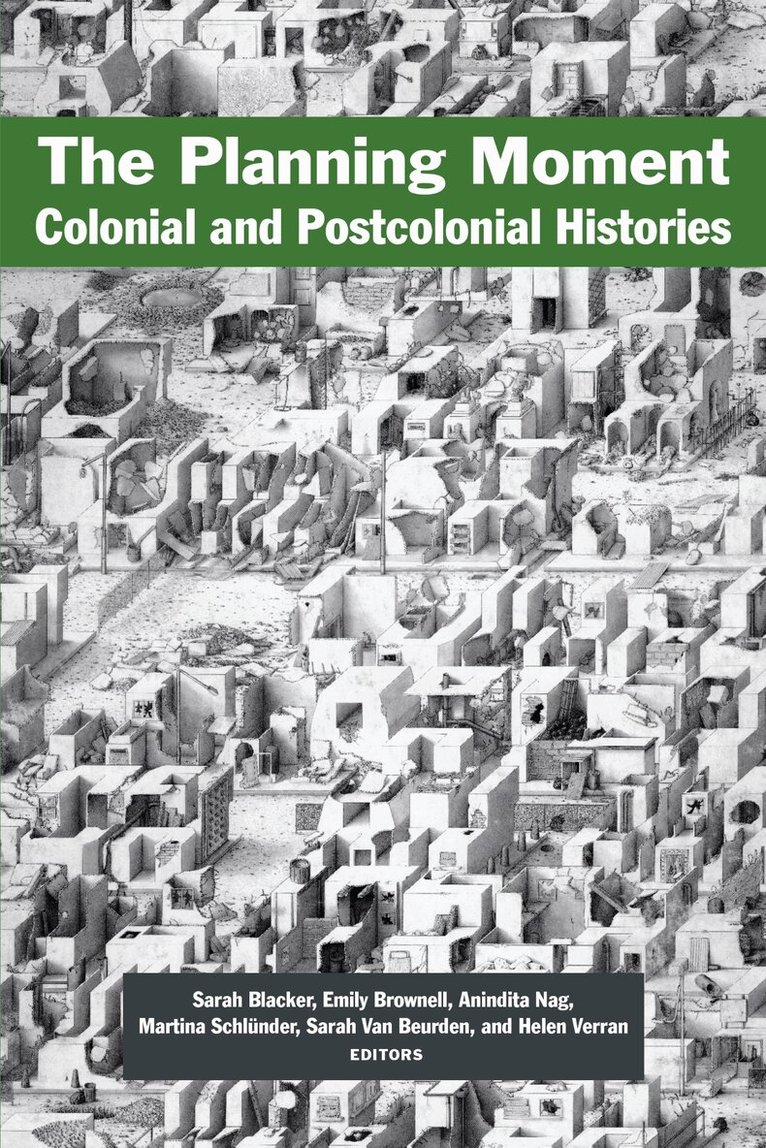
Empires and their aftermaths were massive planning institutions; in the past two hundred years, the natural and social sciences emerged—at least in part—as modes of knowledge production for imperial planning. Yet these connections are frequently under-emphasized in the history of science and its corollary fields. The Planning Moment explores the myriad ways plans and planning practices pervade recent global history. The book is built around twenty-seven brief case studies that explore the centrality of planning in colonial and postcolonial environments, relationships, and contexts, through a range of disciplines: the history of science, science and technology studies, colonial and postcolonial studies, urban studies, and the history of knowledge.If colonialism made certain landscapes, populations, and institutions legible while obscuring others, The Planning Moment reveals the frequently disruptive and violent processes of erasure in imperial planning by examining how "common sense" was produced and how the intransigence of planning persists long after decolonization. In recognizing the resistance and subversion that often met colonial plans, the book makes visible a range of strategies and techniques by which planning was modified and reappropriated, and by which decolonial futures might be imagined.Contributors: Itty Abraham, Benjamin Allen, Sarah Blacker, Emily Brownell, Lino Camprubí, John DiMoia, Mona Fawaz, Lilly Irani, Chihyung Jeon, Robert Kett, Monika Kirloskar-Steinbach, Karen McAllister, Laura Mitchell, Gregg Mitman, Aaron Moore (†), Nada Moumtaz, Tahani Nadim, Anindita Nag, Raúl Necochea López, Tamar Novick, Benjamin Peters, Juno Salazar Parreñas, Martina Schlünder, Sarah Van Beurden, Helen Verran, Ana Carolina Vimieiro Gomes, Alexandra Widmer, and Alden Young