Shawn William Miller - Böcker
Visar alla böcker från författaren Shawn William Miller. Handla med fri frakt och snabb leverans.
6 produkter
6 produkter
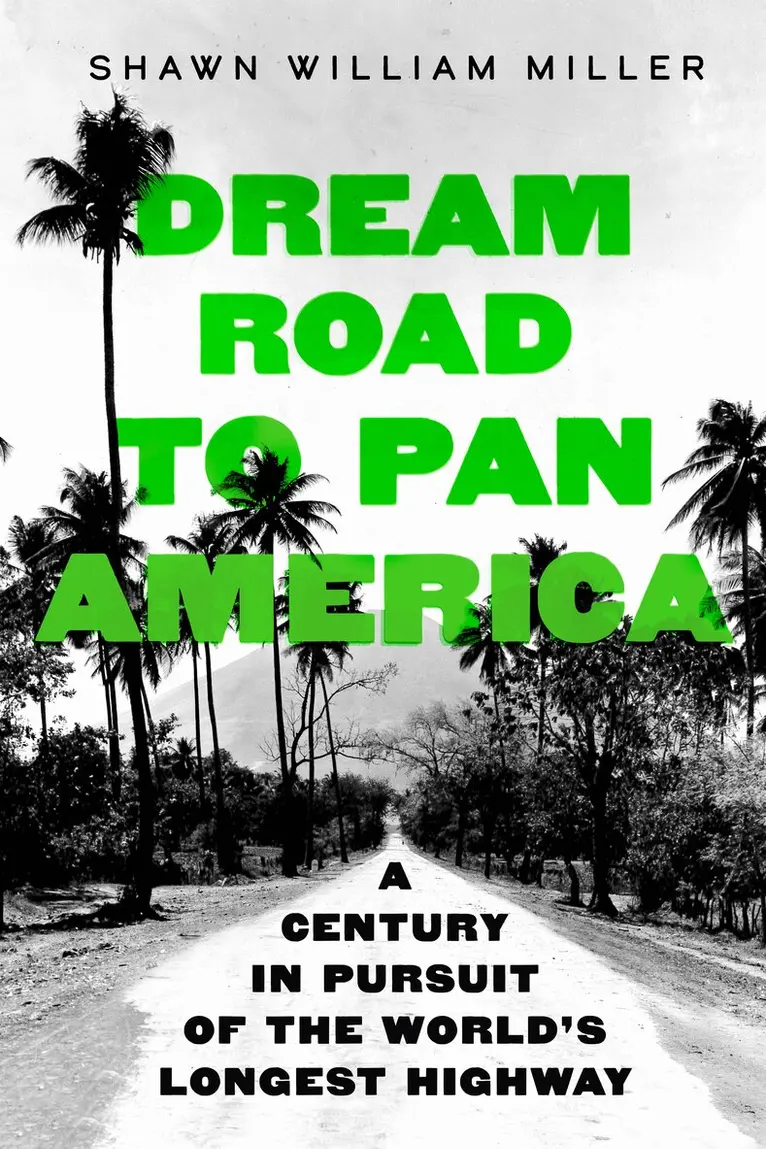
Dream Road to Pan America
A Century in Pursuit of the World's Longest Highway
Inbunden, Engelska, 2026
321 kr
Kommande
An expansive and subversive history of the Pan-American Highway. A century after the Pan-American Highway was first conceived, its story remains largely unknown—even to the hundreds of motorists who annually attempt the 30,000-kilometer drive from far northern Alaska to the tip of Tierra del Fuego. There is more to the highway, however, than the persistent allure of the open road. In Dream Road to Pan America, historian Shawn William Miller unveils a larger tale of lofty ideals and bedrock greed, romantic adventure and pragmatic diplomacy, immigrant desperation and Indigenous resistance. This book journeys to the early 1920s when everyday Americans invented the idea of a road that would spread fraternity, democracy, and prosperity across the hemisphere. It looks at the commercial and geopolitical interests that shaped the highway—often with little concern for those living along its margins—and explains why the road became an escape route for millions of migrants rather than a corridor for tourists. Miller contends that the highway’s troubled past points to an unresolved future, offering insights into the growing costs of continuing down well-worn paths.
318 kr
Skickas inom 7-10 vardagar
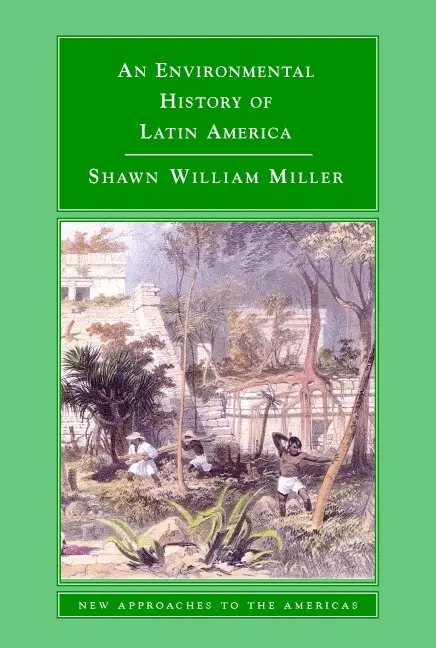
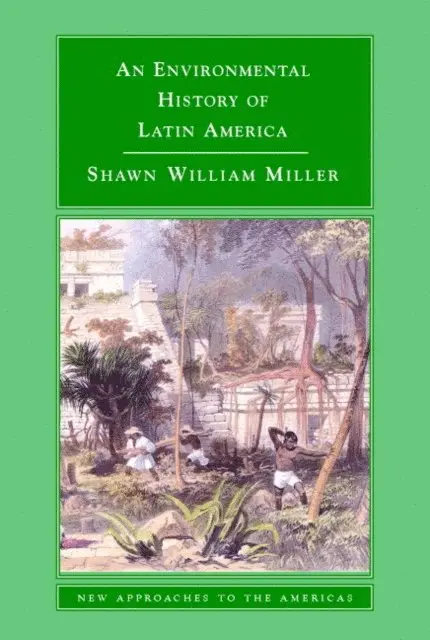
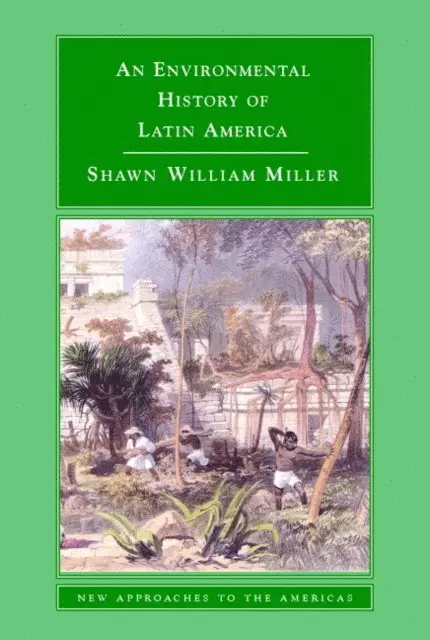
A narration of the mutually mortal historical contest between humans and nature in Latin America. Covering a period that begins with Amerindian civilizations and concludes in the region's present urban agglomerations, the work offers an original synthesis of the current scholarship on Latin America's environmental history and argues that tropical nature played a central role in shaping the region's historical development. Human attitudes, populations, and appetites, from Aztec cannibalism to more contemporary forms of conspicuous consumption, figure prominently in the story. However, characters such as hookworms, whales, hurricanes, bananas, dirt, butterflies, guano, and fungi make more than cameo appearances. Recent scholarship has overturned many of our egocentric assumptions about humanity's role in history. Seeing Latin America's environmental past from the perspective of many centuries illustrates that human civilizations, ancient and modern, have been simultaneously more powerful and more vulnerable than previously thought.
1 065 kr
Skickas inom 7-10 vardagar
A narration of the mutually mortal historical contest between humans and nature in Latin America. Covering a period that begins with Amerindian civilizations and concludes in the region's present urban agglomerations, the work offers an original synthesis of the current scholarship on Latin America's environmental history and argues that tropical nature played a central role in shaping the region's historical development. Human attitudes, populations, and appetites, from Aztec cannibalism to more contemporary forms of conspicuous consumption, figure prominently in the story. However, characters such as hookworms, whales, hurricanes, bananas, dirt, butterflies, guano, and fungi make more than cameo appearances. Recent scholarship has overturned many of our egocentric assumptions about humanity's role in history. Seeing Latin America's environmental past from the perspective of many centuries illustrates that human civilizations, ancient and modern, have been simultaneously more powerful and more vulnerable than previously thought.
874 kr
Skickas inom 7-10 vardagar
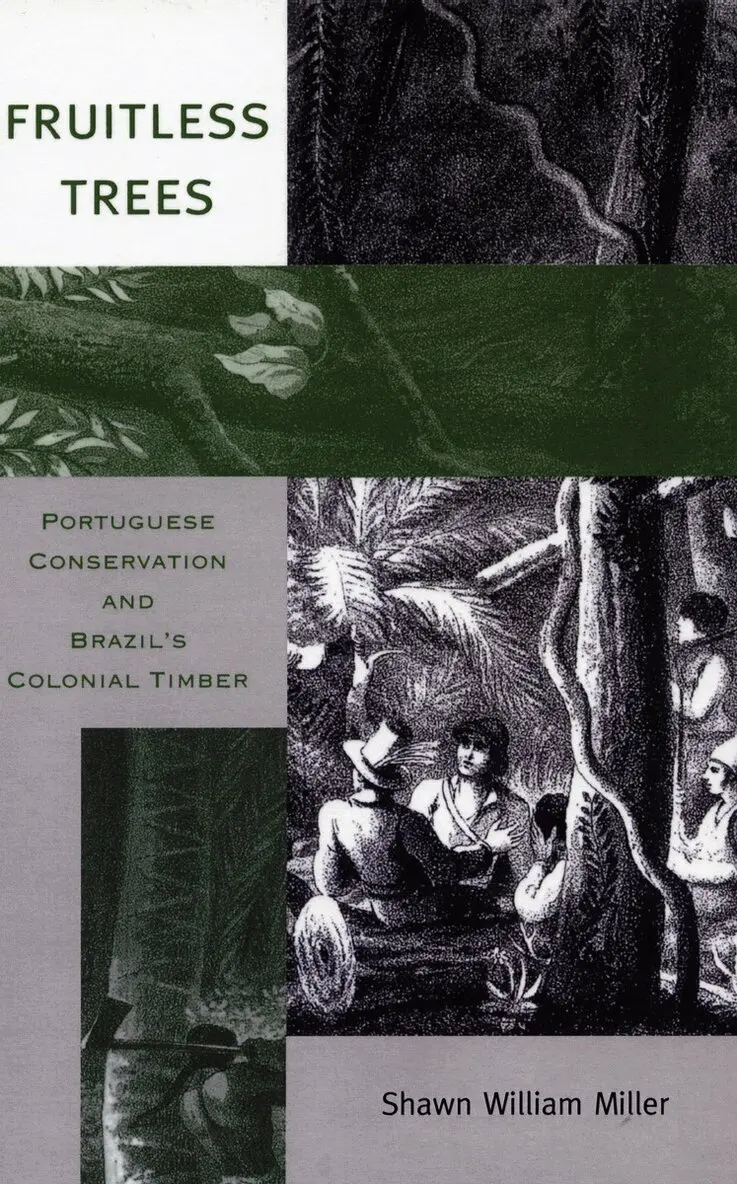
For the most part, Brazil's forests were not harvested, but annihilated, and relatively little was extracted for the benefit of Brazilians, a tragedy perhaps worse than deforestation alone. Fruitless Trees aims to make sense of what at first glance appears to be the senseless destruction of Brazil's incomparable timber.The forests have always been Brazil's most striking natural resource, and the Portuguese colonists anticipated enormous returns from its harvest, since Brazilian timber was more abundant and superior in quality to anything known in Europe, North America, or even Portugal's East Indian possessions. This work investigates the relationship between Portugal's colonial forest policies and the successes of the colonial venture, showing how forest law shaped the fortunes of the timber sector and promoted or obstructed colonial development. Timber was the steel, oil, coal, and plastic of the early modern period, and the effectiveness of its extraction affected nearly every branch of the colonial economy.Challenging previous scholarship that simply ascribed the destruction of Brazil's remarkable forests to the Europeans' voracious greed and inherent hostility to the forest, the author argues that we must delineate the extent to which tropical timber was put to advantageous ends, and explore precisely why so large a proportion of Brazil's timber was incinerated rather than converted to colonial wealth.Although Brazil exported substantial quantities of timber to Europe, the total amount fell far below expectations. The author attributes this in part to several ecological and geographical factors including the lack of common stands, the preponderance of timbers too dense to be floated inexpensively downstream, and the dearth of safe ports and navigable rivers. But the most significant factor in timber's unexpectedly poor showing was the Crown's effort from 1652 to monopolize Brazil's best timbers. The Portuguese king's declaration that Brazil's best timbers belonged to him exclusively resulted in vast tracts of timber being resentfully set afire by Brazilians who had no incentive to harvest them.
Del 111 - Cambridge Latin American Studies
The Street Is Ours
Community, the Car, and the Nature of Public Space in Rio de Janeiro
Inbunden, Engelska, 2018
1 445 kr
Skickas inom 7-10 vardagar
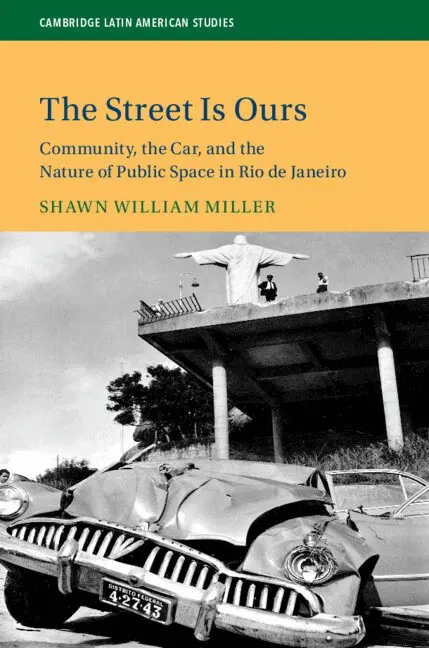
The streets of Rio de Janeiro have long been characterized as exuberant and exotic places for social commerce, political expression, and the production and dissemination of culture. The Street is Ours examines the changing uses and meanings of Rio de Janeiro's streets and argues that the automobile, by literally occupying much of the street's space and by introducing death and injury on a new scale, significantly transformed the public commons. Once viewed as a natural resource and a place of equitable access, deep meaning, and diverse functions, the street has changed into a space of exclusion that prioritizes automotive movement. Taking an environmental approach, Shawn William Miller surveys the costs and failures of this spatial transformation and demonstrates how Rio's citizens have resisted the automobile's intrusions and, in some cases, even reversed the long trend of closing the street against its potential utilities.
Del 111 - Cambridge Latin American Studies
The Street Is Ours
Community, the Car, and the Nature of Public Space in Rio de Janeiro
Häftad, Engelska, 2019
523 kr
Skickas inom 7-10 vardagar
The streets of Rio de Janeiro have long been characterized as exuberant and exotic places for social commerce, political expression, and the production and dissemination of culture. The Street is Ours examines the changing uses and meanings of Rio de Janeiro's streets and argues that the automobile, by literally occupying much of the street's space and by introducing death and injury on a new scale, significantly transformed the public commons. Once viewed as a natural resource and a place of equitable access, deep meaning, and diverse functions, the street has changed into a space of exclusion that prioritizes automotive movement. Taking an environmental approach, Shawn William Miller surveys the costs and failures of this spatial transformation and demonstrates how Rio's citizens have resisted the automobile's intrusions and, in some cases, even reversed the long trend of closing the street against its potential utilities.