Simon MacLean – författare
Visar alla böcker från författaren Simon MacLean. Handla med fri frakt och snabb leverans.
12 produkter
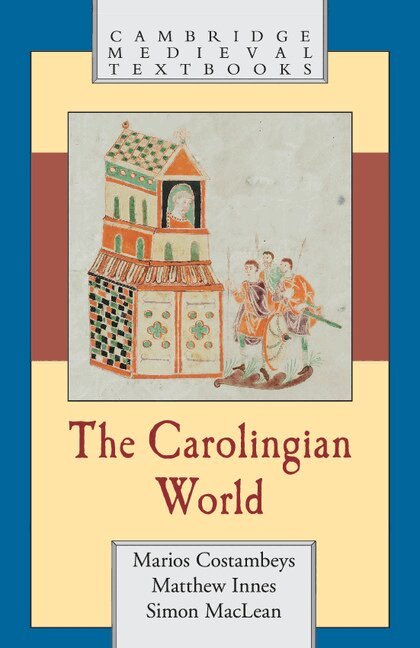
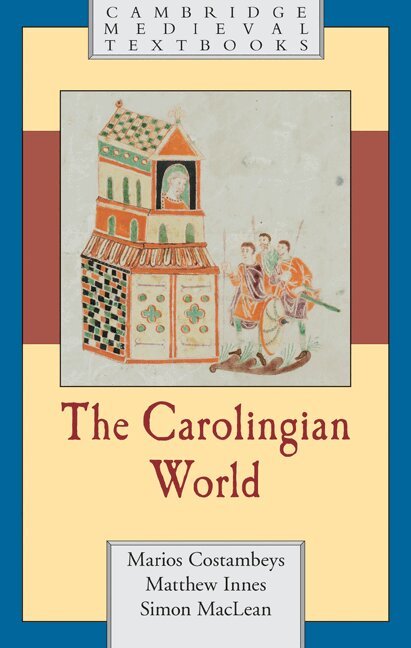
The Carolingian World
Av Marios Costambeys, Matthew Innes m. fl.
Häftad, 2011
541 kr
Lägg i varukorg
At its height, the Carolingian empire spanned a million square kilometres of western Europe - from the English Channel to central Italy and northern Spain, and from the Atlantic to the fringes of modern Hungary, Poland and the Czech Republic. As the largest political unit for centuries, the empire …
Ottonian Queenship
E-bok, 2017
1341 kr
Lägg i varukorg
This is the first major study in English of the queens of the Ottonian dynasty (919-1024). The Ottonians were a family from Saxony who are often regarded as the founders of the medieval German kingdom. They were the most successful of all the dynasties to emerge from the wreckage of the …
Ottonian Queenship
E-bok, 2017
1341 kr
Lägg i varukorg
This is the first major study in English of the queens of the Ottonian dynasty (919-1024). The Ottonians were a family from Saxony who are often regarded as the founders of the medieval German kingdom. They were the most successful of all the dynasties to emerge from the wreckage of the …
Ottonian Queenship
Inbunden, 2017
2092 kr
Lägg i varukorg
This is the first major study in English of the queens of the Ottonian dynasty (919-1024). The Ottonians were a family from Saxony who are often regarded as the founders of the medieval German kingdom. They were the most successful of all the dynasties to emerge from the wreckage of the …
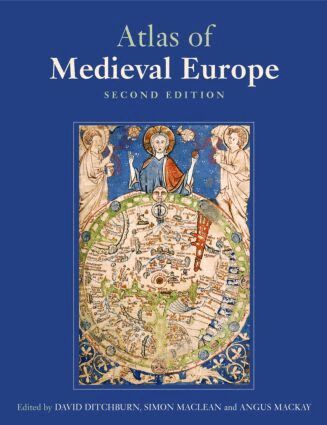
Atlas of Medieval Europe
Av David Ditchburn, Simon MacLean m. fl.
Häftad, 2007
607 kr
Lägg i varukorg
The Atlas of Medieval Europe covers the period from the fall of the Roman Empire through to the beginnings of the Renaissance, spreading from the Atlantic coast to the Russian steppes. Each map approaches a separate issue or series of events in medieval history, and a commentary locates it in its …
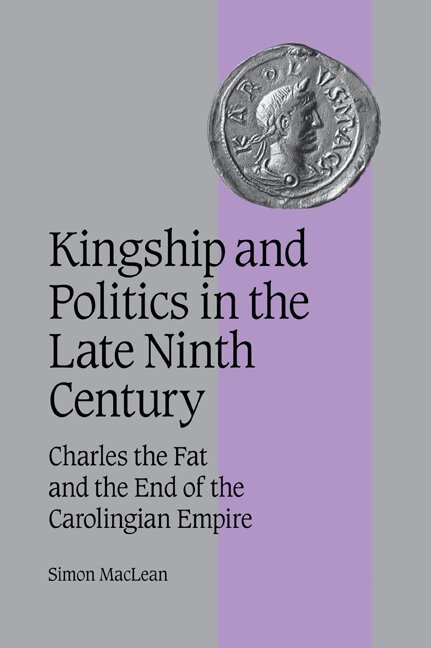
Kingship and Politics in the Late Ninth Century
Charles the Fat and the End of the Carolingian Empire
Häftad, 2007
821 kr
Lägg i varukorg
This is a major study of the collapse of the pan-European Carolingian empire and the reign of its last ruler, Charles III 'the Fat' (876-888). The later decades of the empire are conventionally seen as a dismal period of decline and fall, scarred by internal feuding, unfettered aristocratic …
The Carolingian World
Av Marios Costambeys, Matthew Innes m. fl.
Inbunden, 2011
1723 kr
Lägg i varukorg
At its height, the Carolingian empire spanned a million square kilometres of western Europe - from the English Channel to central Italy and northern Spain, and from the Atlantic to the fringes of modern Hungary, Poland and the Czech Republic. As the largest political unit for centuries, the empire …
Kingship and Politics in the Late Ninth Century
Charles the Fat and the End of the Carolingian Empire
Av Simon MacLean, Rosamond Mckitterick
Inbunden, 2003
1693 kr
Lägg i varukorg
This is a major study of the collapse of the pan-European Carolingian empire and the reign of its last ruler, Charles III 'the Fat' (876-888). The later decades of the empire are conventionally seen as a dismal period of decline and fall, scarred by internal feuding, unfettered aristocratic …
Carolingian World
Av Simon MacLean, Matthew Innes m. fl.
E-bok, 2011
522 kr
Lägg i varukorg
At its height, the Carolingian empire spanned a million square kilometres of western Europe - from the English Channel to central Italy and northern Spain, and from the Atlantic to the fringes of modern Hungary, Poland and the Czech Republic. As the largest political unit for centuries, the empire …
Carolingian World
Av Simon MacLean, Matthew Innes m. fl.
E-bok, 2011
537 kr
Lägg i varukorg
At its height, the Carolingian empire spanned a million square kilometres of western Europe - from the English Channel to central Italy and northern Spain, and from the Atlantic to the fringes of modern Hungary, Poland and the Czech Republic. As the largest political unit for centuries, the empire …
Lords and pastors
Lives of German bishops, 950–1250
Av Jonathan R. Lyon, Simon Maclean
Inbunden, 2026
1369 kr
Lägg i varukorg
This book presents biographies of six bishops from the medieval German empire, translated into English for the first time. The bishop was a ubiquitous figure across medieval Europe, providing leadership to the community of Christians within dioceses and linking day-to-day life to centres of …
Atlas de Europa medieval
Av Simon MacLean, David Ditchburn m. fl.
E-bok, 2022
231 kr
Lägg i varukorg
El "Atlas de Europa medieval" cubre el período que se extiende desde la caída del Imperio romano hasta los inicios del Renacimiento. Los mapas ofrecen una vívida representación del desarrollo de las naciones, pueblos y estructuras sociales. Además de trazar acontecimientos políticos y militares, …