Stefan Schöberlein – författare
Visar alla böcker från författaren Stefan Schöberlein. Handla med fri frakt och snabb leverans.
5 produkter
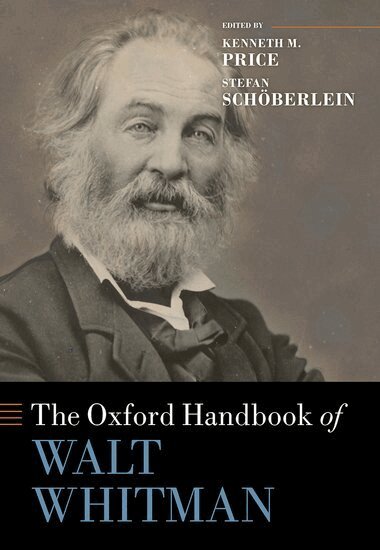
The Oxford Handbook of Walt Whitman
Av Kenneth M. Price, Stefan Schöberlein
Inbunden, 2024
3143 kr
Lägg i varukorg
More than a century after his death, Walt Whitman remains a fresh phenomenon. Startling discoveries and massive transcription efforts are enabling new insights into his life and achievements. In the past few years new breakthroughs have proliferated, including the publication of a long-lost Whitman …
Writing the Brain
Material Minds and Literature, 1800-1880
Inbunden, 2023
971 kr
Lägg i varukorg
In the nineteenth century, American and British culture experienced an explosion of interest in writings about the brain. The years between 1800 and 1880 are often described as the emergence of modern neuroscience, with new areas of the brain being discovered and named. Naming was quickly followed …
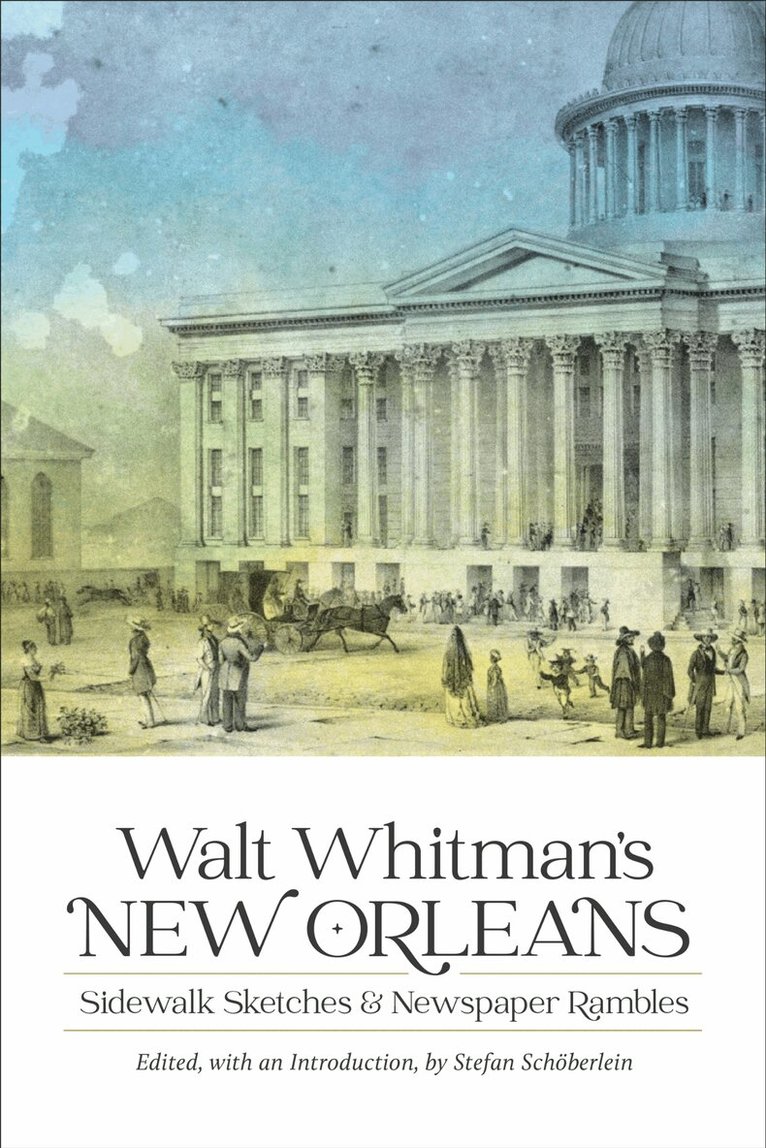
Walt Whitman's New Orleans
Sidewalk Sketches and Newspaper Rambles
Av Walt Whitman, Stefan Schöberlein
Inbunden, 2022
450 kr
Lägg i varukorg
Walt Whitman's short stint in New Orleans during the spring of 1848 was a crucial moment of literary and personal development, with many celebrated poems from Leaves of Grass showing its influence. Walt Whitman's New Orleans is the first book dedicated to republishing his writings about the …
Walt Whitman, Journalist
Beyond the Poetic Foreground, 1856–1860
Av Stephanie M. Blalock, Kevin McMullen m. fl.
Inbunden, 2027
1343 kr
Kommande
Walt Whitman has long been described as a poet with a foreground in journalism. Drawing on a wealth of recently rediscovered writings by Whitman between 1856 and 1860, Walt Whitman, Journalist breaks with this framing and instead presents an author, who — even after the initial publication of …
Whitman's Southern Sojourn
Rediscovering the Poet in New Orleans, 1848
Av Stefan Schöberlein, Zachary Turpin
Häftad, 2025
325 kr
Lägg i varukorg
Walt Whitman’s 1848 stint in New Orleans was a crucial moment of development for the poet. Working for The Daily Crescent, a new local newspaper, Whitman spent his days strolling through the multiracial city and turning his impressions into prose sketches, news items, and fiery editorials. While in …