Stephen B. Carmody - Böcker
Visar alla böcker från författaren Stephen B. Carmody. Handla med fri frakt och snabb leverans.
4 produkter
4 produkter
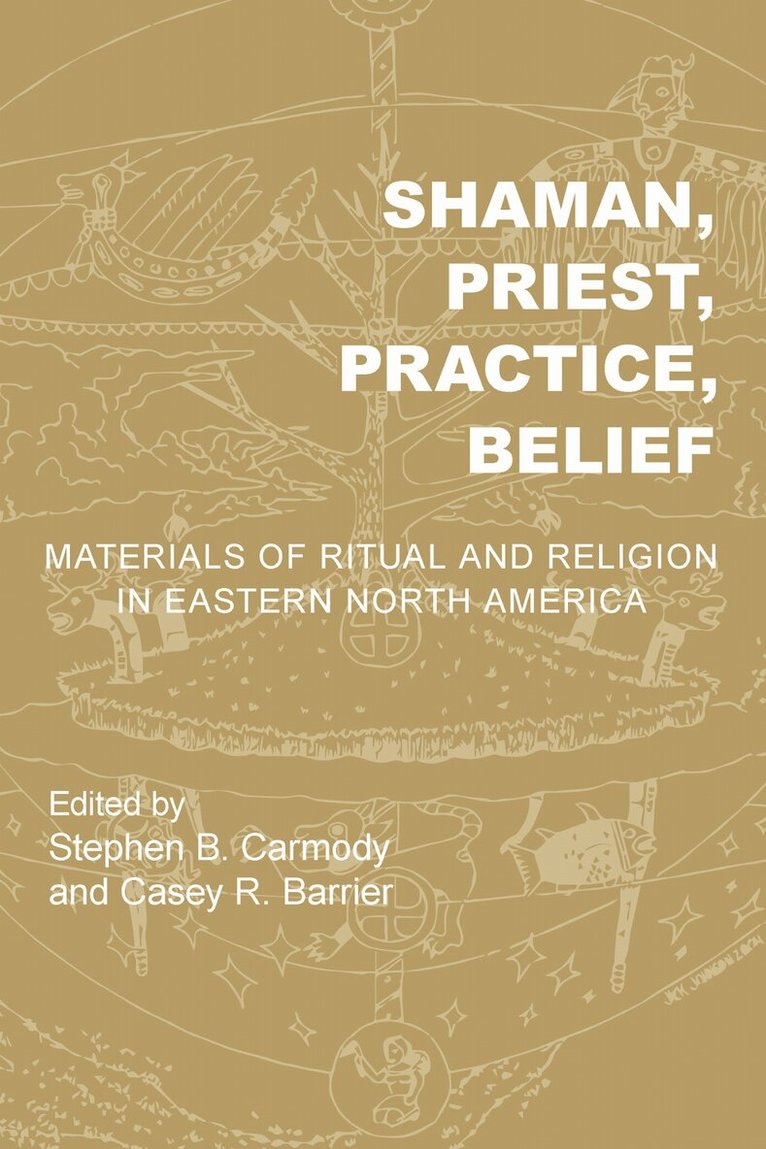
Shaman, Priest, Practice, Belief
Materials of Ritual and Religion in Eastern North America
Inbunden, Engelska, 2019
745 kr
Skickas inom 7-10 vardagar
Archaeological case studies consider material evidence of religion and ritual in the pre-Columbian Eastern Woodlands.Archaeologists today are interpreting Native American religion and ritual in the distant past in more sophisticated ways, considering new understandings of the ways that Native Americans themselves experienced them. Shaman, Priest, Practice, Belief: Materials of Ritual and Religion in Eastern North America broadly considers Native American religion and ritual in the eastern North America and focuses on practices that altered and used a vast array of material items as well as how physical spaces were shaped by religious practices.Unbound to a single theoretical perspective of religion, contributors approach ritual and religion in diverse ways. Importantly, they focus on how people in the past practiced religion by altering and using a vast array of material items, from smoking pipes, ceremonial vessels, carved figurines, and iconographic images, to sacred bundles, hallucinogenic plants, revered animals, and ritual architecture. Contributors also show how physical spaces were shaped by religious practice, and how rock art, monuments, soils and special substances, and even land- and cityscapes were part of the active material worlds of religious agents.Case studies, arranged chronologically, cover time periods ranging from the Paleoindian period (13,000-7900 BC) to the late Mississippian and into the protohistoric/contact periods. The geographical scope is much of the greater southeastern and southern Midwestern culture areas of the Eastern Woodlands, from the Central and Lower Mississippi River Valleys to the Ohio Hopewell region, and from the greater Ohio River Valley down through the Deep South and across to the Carolinas.
428 kr
Skickas inom 7-10 vardagar
The definitive book on what is known about the Late Pleistocene and Early Holocene archaeological record in the SoutheastThe 1996 benchmark volume The Paleoindian and Early Archaic Southeast, edited by David G. Anderson and Kenneth E. Sassaman, was the first study to summarize what was known of the peoples who lived in the Southeast when ice sheets covered the northern part of the continent and mammals such as mammoths, saber-toothed cats, and ground sloths roamed the landscape.The American Southeast at the End of the Ice Age provides an updated, definitive synthesis of current archaeological research gleaned from an array of experts in the region. It is organized in three parts: state records, the regional perspective, and reflections and future directions. Chapters survey a diversity of topics including the distribution of the earliest archaeological sites in the region, chipped-stone tool technology, the expanding role of submerged archaeology, hunter-gatherer lifeways, past climate changes and the extinction of megafauna on the transitional landscape, and evidence of demographic changes at the end of the Ice Age. Discussion of the ethical responsibilities regarding the use of private collections and the relationship of archaeologists and the avocational community, insight from outside the Southeast, and considerations for future research round out the volume.
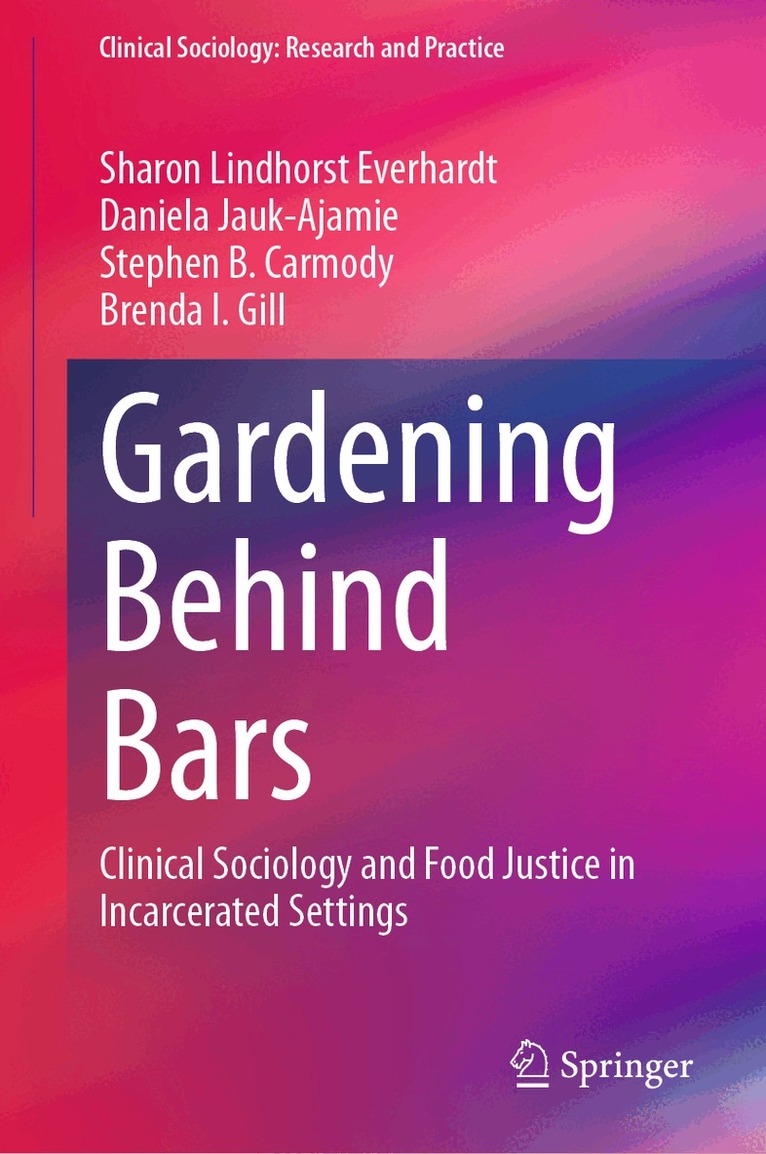
Gardening Behind Bars
Clinical Sociology and Food Justice in Incarcerated Settings
Inbunden, Engelska, 2024
1 311 kr
Skickas inom 10-15 vardagar
This book connects clinical sociology to the food justice movement through gardens in incarcerated settings. Situated within the larger food justice movement, the authors highlight the shortcomings of the global food system and the inequalities produced by the lack of adequate nutrition, particularly in the context of marginalized populations, such as those in carceral institutions. The book provides an up-to-date overview of horticulture programs in different incarcerated settings in the US, including prisons and community correction units, and provides in-depth discussion on innovative best-practice models. It also features a detailed analysis of an ongoing multi-site research project on gardening in incarcerated settings for women at local, state, and federal levels. Unlike other literature on prison and jail horticulture, this book contextualizes gardening in incarcerated settings with critical historical analysis, presenting the theoretical background to sociological action research projects. Serving as a starting point for establishing gardening as an evidence-based practice in prisons and jails, it is essential reading for researchers and practitioners of clinical sociology and social work, criminologists, prison and corrective institution administrators, and citizen groups interested in therapeutic gardening and alternatives to industrial prison food.
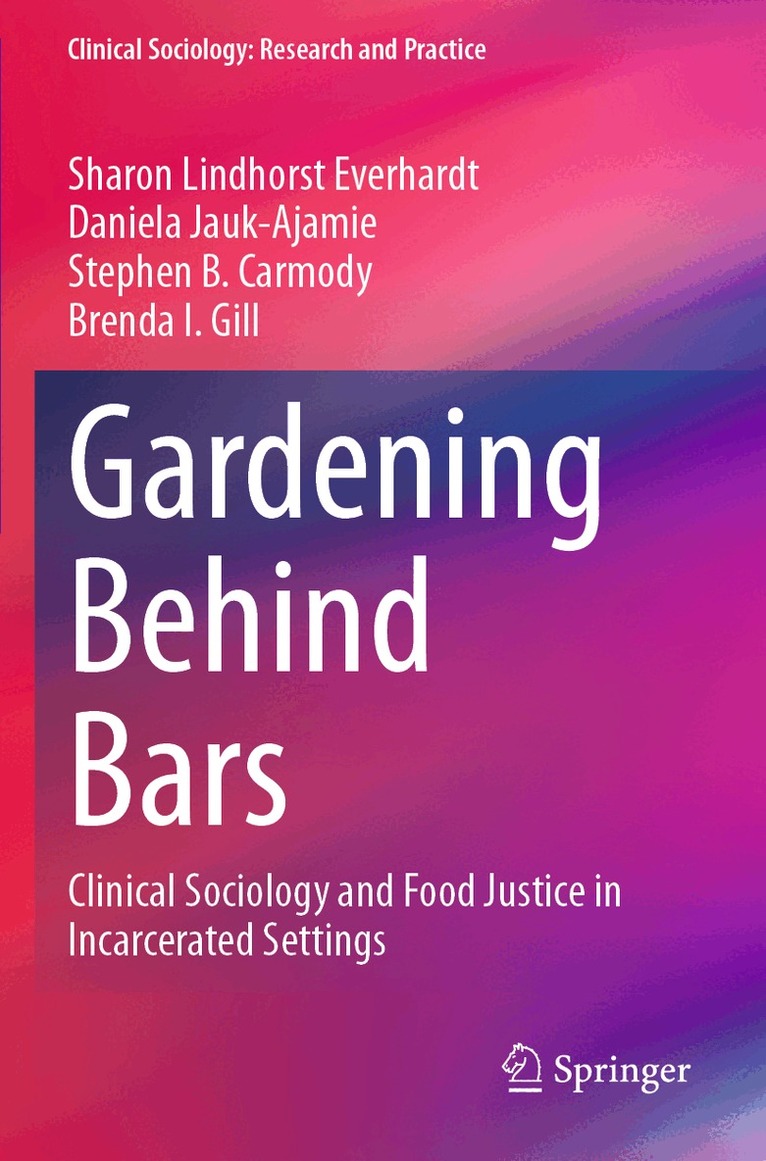
Gardening Behind Bars
Clinical Sociology and Food Justice in Incarcerated Settings
Häftad, Engelska, 2025
1 311 kr
Skickas inom 10-15 vardagar
This book connects clinical sociology to the food justice movement through gardens in incarcerated settings. Situated within the larger food justice movement, the authors highlight the shortcomings of the global food system and the inequalities produced by the lack of adequate nutrition, particularly in the context of marginalized populations, such as those in carceral institutions. The book provides an up-to-date overview of horticulture programs in different incarcerated settings in the US, including prisons and community correction units, and provides in-depth discussion on innovative best-practice models. It also features a detailed analysis of an ongoing multi-site research project on gardening in incarcerated settings for women at local, state, and federal levels. Unlike other literature on prison and jail horticulture, this book contextualizes gardening in incarcerated settings with critical historical analysis, presenting the theoretical background to sociological action research projects. Serving as a starting point for establishing gardening as an evidence-based practice in prisons and jails, it is essential reading for researchers and practitioners of clinical sociology and social work, criminologists, prison and corrective institution administrators, and citizen groups interested in therapeutic gardening and alternatives to industrial prison food.