Sharon Lindhorst Everhardt - Böcker
Visar alla böcker från författaren Sharon Lindhorst Everhardt. Handla med fri frakt och snabb leverans.
2 produkter
2 produkter
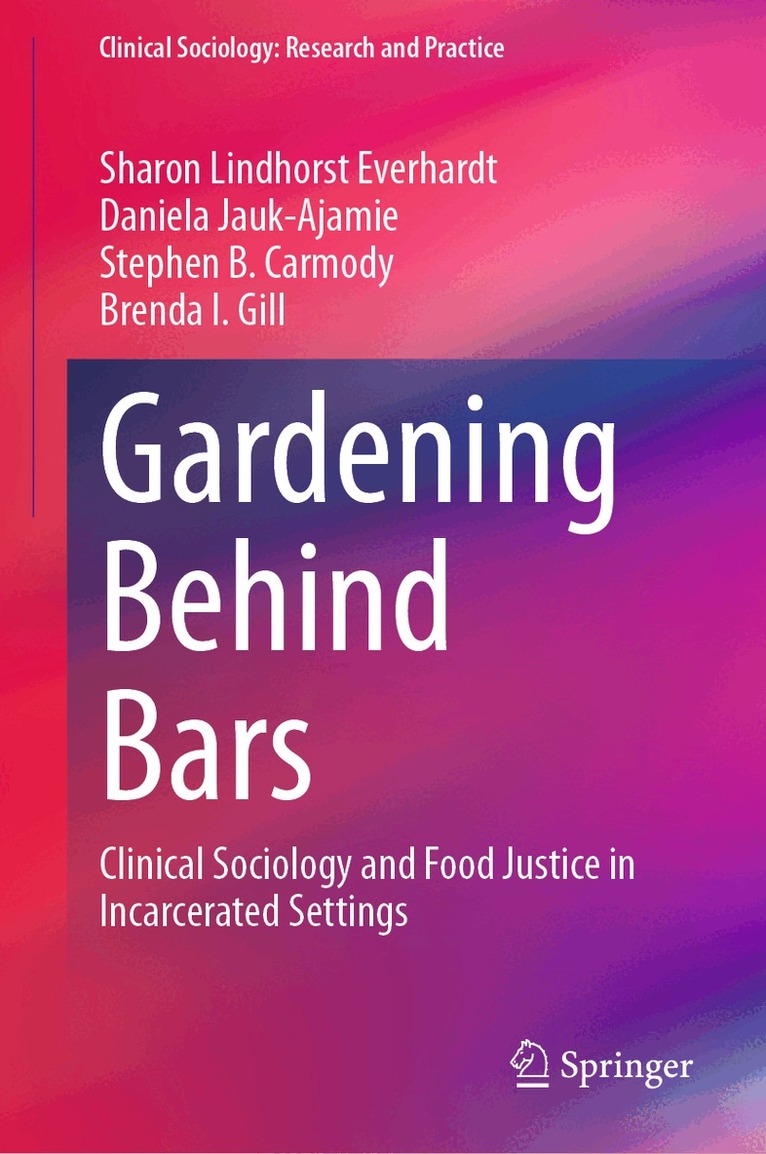
Gardening Behind Bars
Clinical Sociology and Food Justice in Incarcerated Settings
Inbunden, Engelska, 2024
1 314 kr
Skickas inom 10-15 vardagar
This book connects clinical sociology to the food justice movement through gardens in incarcerated settings. Situated within the larger food justice movement, the authors highlight the shortcomings of the global food system and the inequalities produced by the lack of adequate nutrition, particularly in the context of marginalized populations, such as those in carceral institutions. The book provides an up-to-date overview of horticulture programs in different incarcerated settings in the US, including prisons and community correction units, and provides in-depth discussion on innovative best-practice models. It also features a detailed analysis of an ongoing multi-site research project on gardening in incarcerated settings for women at local, state, and federal levels. Unlike other literature on prison and jail horticulture, this book contextualizes gardening in incarcerated settings with critical historical analysis, presenting the theoretical background to sociological action research projects. Serving as a starting point for establishing gardening as an evidence-based practice in prisons and jails, it is essential reading for researchers and practitioners of clinical sociology and social work, criminologists, prison and corrective institution administrators, and citizen groups interested in therapeutic gardening and alternatives to industrial prison food.
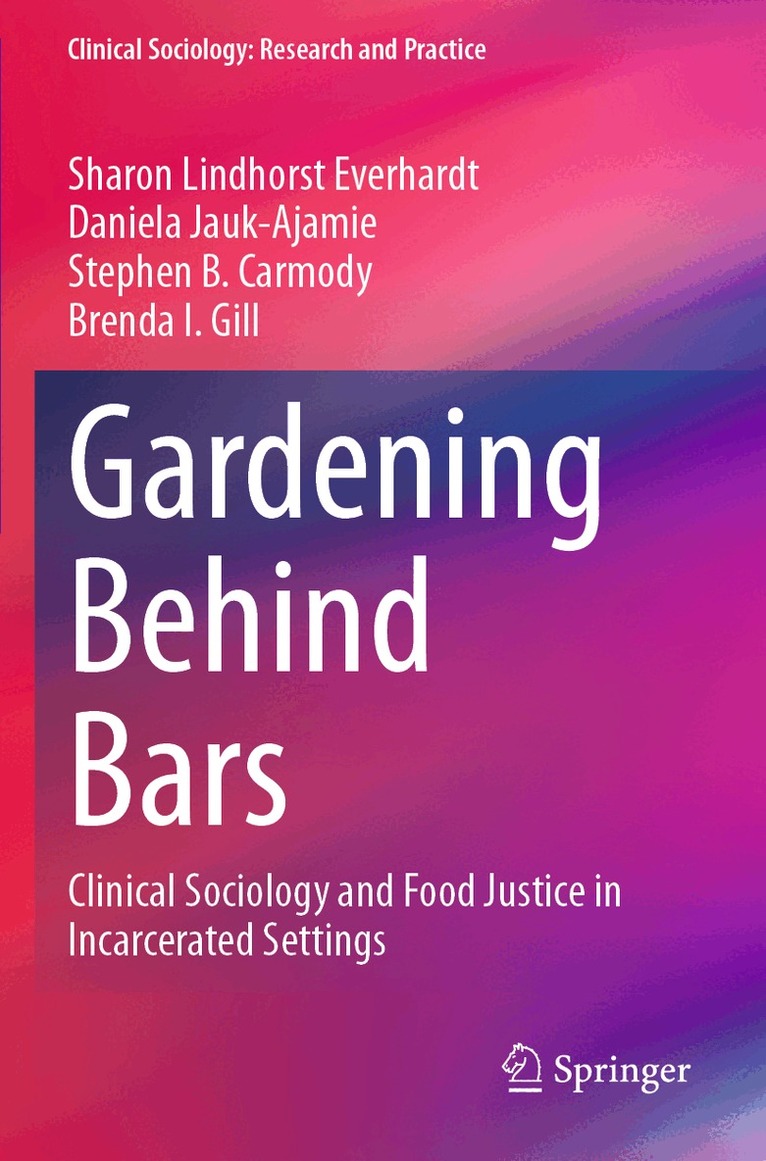
Gardening Behind Bars
Clinical Sociology and Food Justice in Incarcerated Settings
Häftad, Engelska, 2025
1 314 kr
Skickas inom 10-15 vardagar
This book connects clinical sociology to the food justice movement through gardens in incarcerated settings. Situated within the larger food justice movement, the authors highlight the shortcomings of the global food system and the inequalities produced by the lack of adequate nutrition, particularly in the context of marginalized populations, such as those in carceral institutions. The book provides an up-to-date overview of horticulture programs in different incarcerated settings in the US, including prisons and community correction units, and provides in-depth discussion on innovative best-practice models. It also features a detailed analysis of an ongoing multi-site research project on gardening in incarcerated settings for women at local, state, and federal levels. Unlike other literature on prison and jail horticulture, this book contextualizes gardening in incarcerated settings with critical historical analysis, presenting the theoretical background to sociological action research projects. Serving as a starting point for establishing gardening as an evidence-based practice in prisons and jails, it is essential reading for researchers and practitioners of clinical sociology and social work, criminologists, prison and corrective institution administrators, and citizen groups interested in therapeutic gardening and alternatives to industrial prison food.