Stephen P Cohen – författare
Visar alla böcker från författaren Stephen P Cohen. Handla med fri frakt och snabb leverans.
28 produkter
Pakistan Army (Urdu)
Inbunden, 2002
101 kr
Kommande
Pakistan Army is the first comprehensive study of one of the Third World's most important armies. Professor Cohen has updated this well-known work through a Preface to the Urdu edition (2001)
Science and Technology to Counter Terrorism
Proceedings of an Indo-U.S. Workshop
Av Committee on International Security and Arms Control, National Academy of Sciences m. fl.
E-bok, 2007
779 kr
Lägg i varukorg
This volume presents the papers and summarizes the discussions of a workshop held in Goa, India, in January 2004, organized by the Indian National Institute of Advanced Science (NIAS) and the U.S. Committee on International Security and Arms Control (CISAC). During the workshop, Indian and U.S. …
Science and Technology to Counter Terrorism
Proceedings of an Indo-U.S. Workshop
Av Committee on International Security and Arms Control, National Academy of Sciences m. fl.
E-bok, 2007
555 kr
Lägg i varukorg
This volume presents the papers and summarizes the discussions of a workshop held in Goa, India, in January 2004, organized by the Indian National Institute of Advanced Science (NIAS) and the U.S. Committee on International Security and Arms Control (CISAC). During the workshop, Indian and U.S. …
Beyond America's Grasp
A Century of Failed Diplomacy in the Middle East
Häftad, 2010
218 kr
Lägg i varukorg
South Asia After The Cold War
International Perspectives
Av Kanti P Bajpai, Stephen P Cohen
Inbunden, 2019
2510 kr
Lägg i varukorg
In mid-March 1992, a group of forty scholars, journalists, strategists, and government officials met in Kathmandu, Nepal, to assess the post-Cold War world. The meeting marked both a summing up and a beginning. Many of the conference participants had been associated at one time or another with the …
South Asia After The Cold War
International Perspectives
Av Kanti P Bajpai, Stephen P Cohen
Häftad, 2024
604 kr
Lägg i varukorg
South Asia is a region of one billion people, divided into seven states and numerous religious, caste, ethnic, and linguistic groups. It is the site of ethnic and religious violence that is transnational in its implications; the region has been host to four major wars and several war scares, most …
Perception, Politics and Security in South Asia
The Compound Crisis of 1990
Av P R Chari, Pervaiz Iqbal Cheema m. fl.
Inbunden, 2003
2510 kr
Lägg i varukorg
This book provides a detailed examination of the compound crisis between India and Pakistan that brought the region to the brink of a nuclear war in 1990. Placing the crisis in the context of concurrent international events such as the fall of the Soviet Union, the authors draw out the lesson for …
Perception, Politics and Security in South Asia
The Compound Crisis of 1990
Av P R Chari, Pervaiz Iqbal Cheema m. fl.
Häftad, 2006
749 kr
Lägg i varukorg
This book provides a detailed examination of the compound crisis between India and Pakistan that brought the region to the brink of a nuclear war in 1990. Placing the crisis in the context of concurrent international events such as the fall of the Soviet Union, the authors draw out the lesson for …
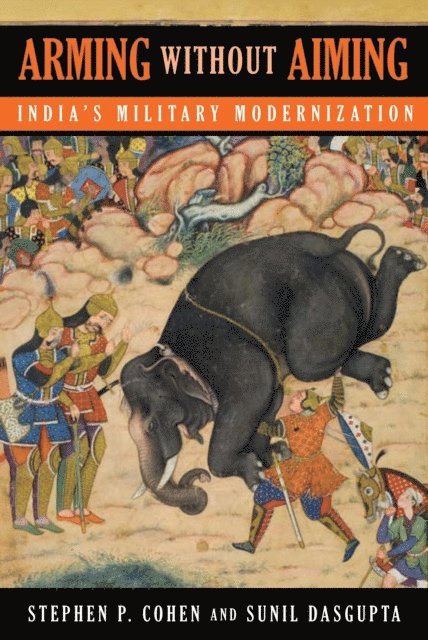
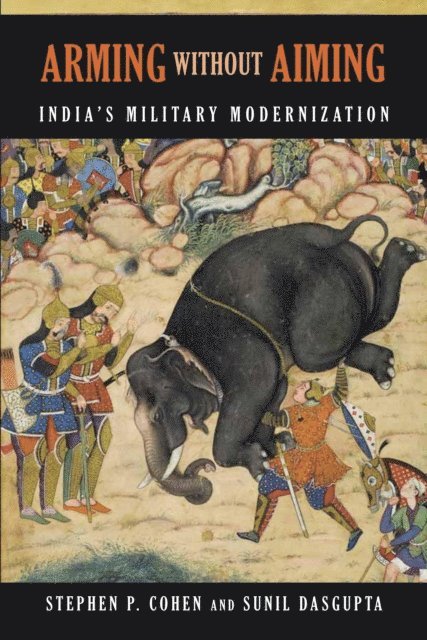
Arming without Aiming
India'S Military Modernization
Av Stephen P. Cohen, Sunil Dasgupta
E-bok, 2010
393 kr
Lägg i varukorg
India's growing affluence has led experts to predict a major rearmament effort. The second-most populous nation in the world is beginning to wield the economic power expected of such a behemoth. Its border with Pakistan is a tinderbox, the subcontinent remains vulnerable to religious extremism, and …
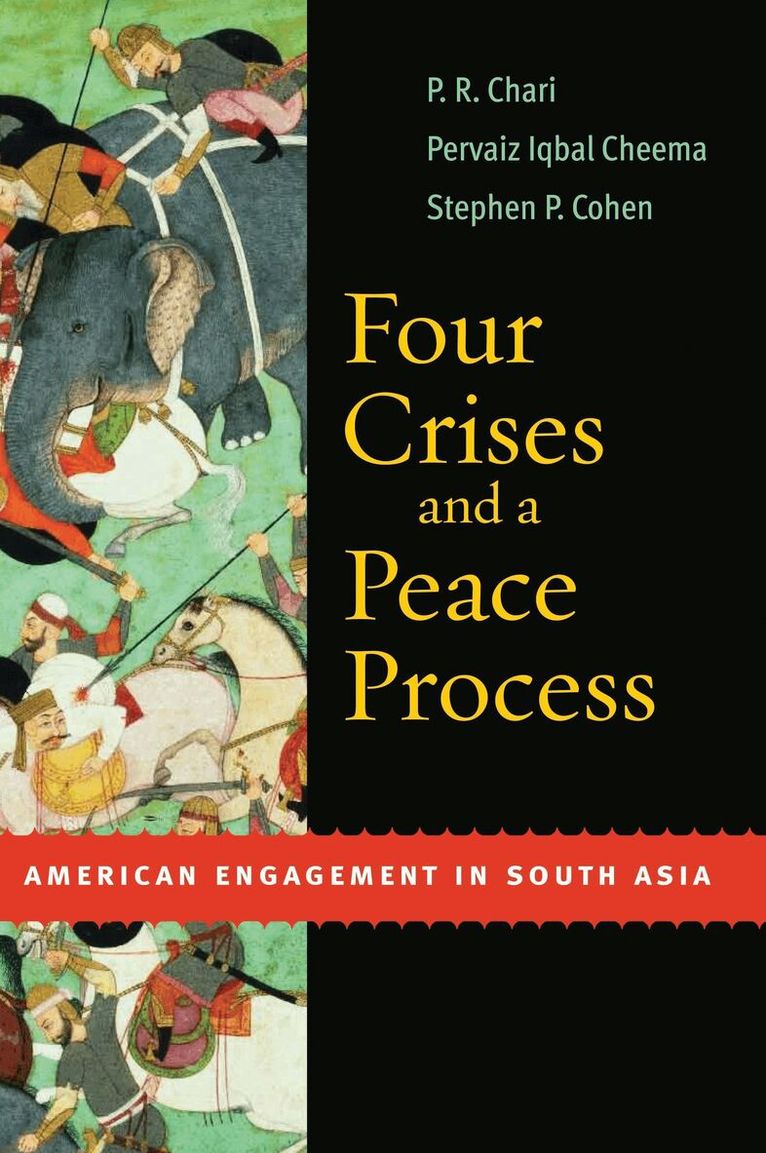
Four Crises and a Peace Process
American Engagement in South Asia
Av P. R. Chari, Pervaiz Iqbal Cheema m. fl.
Häftad, 2007
374 kr
Lägg i varukorg
India and Pakistan, nuclear neighbors and rivals, fought the last of three major wars in 1971. Far from peaceful, however, the period since then has been ""one long crisis, punctuated by periods of peace."" The long-disputed Kashmir issue continues to be both a cause and consequence of …
Four Crises and a Peace Process
American Engagement in South Asia
Av P. R. Chari, Pervaiz Iqbal Cheema m. fl.
E-bok, 2009
405 kr
Lägg i varukorg
India and Pakistan, nuclear neighbors and rivals, fought the last of three major wars in 1971. Far from peaceful, however, the period since then has been ""one long crisis, punctuated by periods of peace."" The long-disputed Kashmir issue continues to be both a cause and consequence of …
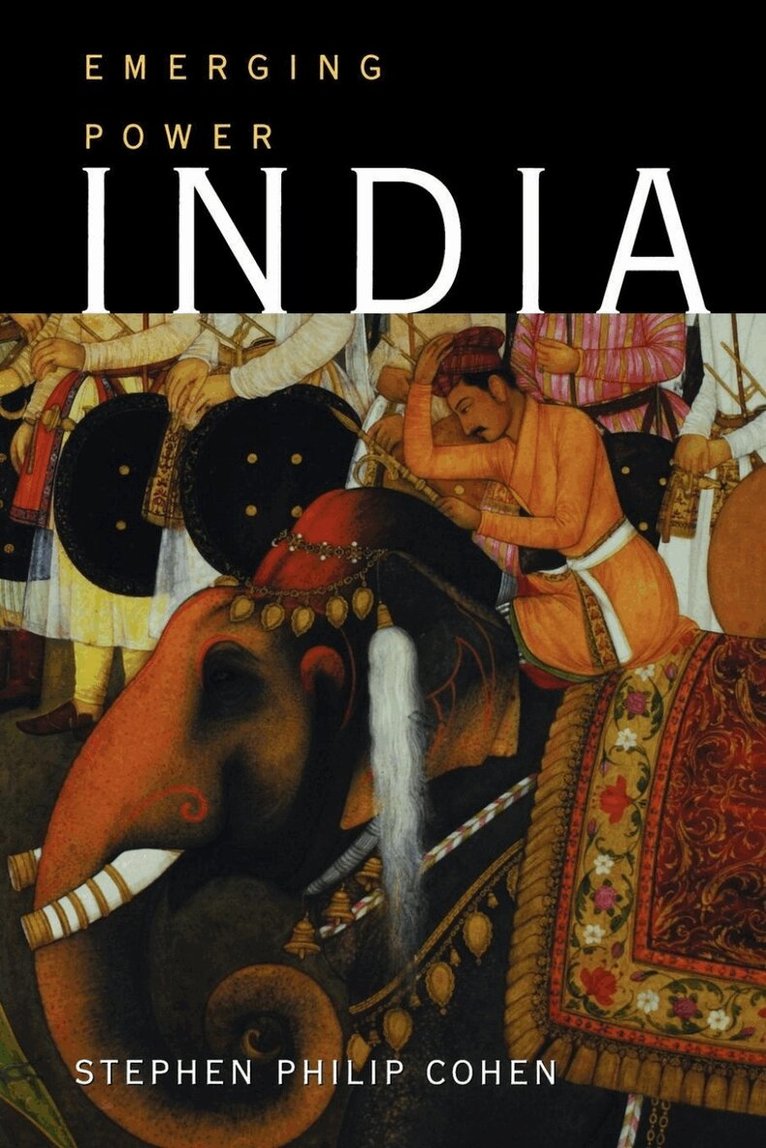
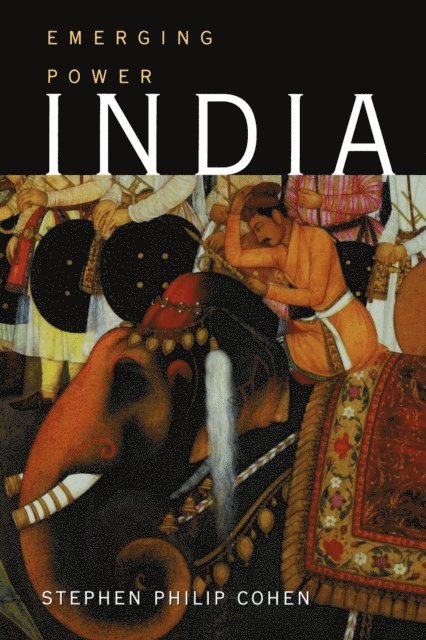
India
Emerging Power
Häftad, 2002
313 kr
Lägg i varukorg
For years, Americans have seen India as a giant but inept state. That negative image is now obsolete. After a decade of drift and uncertainty, India is taking its expected place as one of the three major states of Asia. Its pluralist, secular democracy has allowed the rise of hitherto deprived …
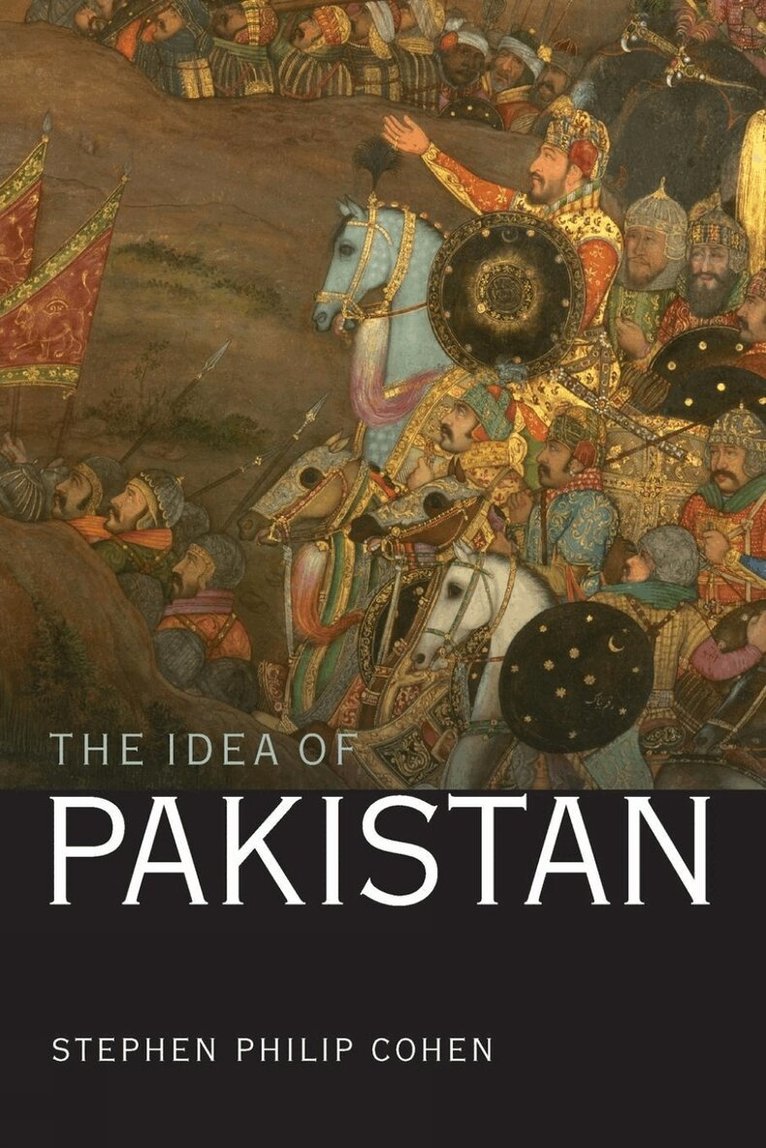
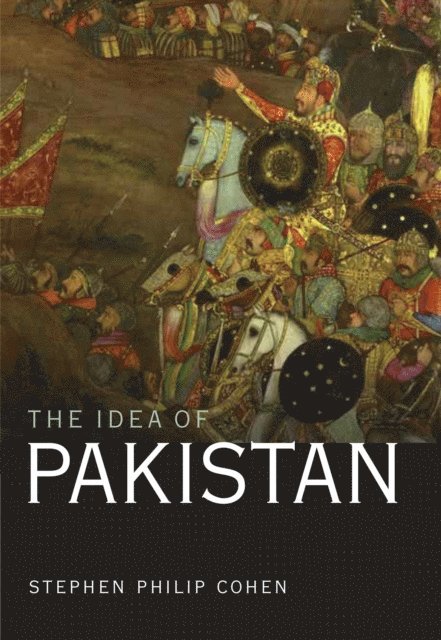
Idea of Pakistan
Häftad, 2006
318 kr
Lägg i varukorg
Stephen Cohen updates his critically acclaimed book with a discerning view of significant recent events in the region, particularly the devastating earthquake in Kashmir and its after affects. The quake killed over 70,000 people and left another 3 million homeless in one of the most remote, …
Future of Pakistan
Häftad, 2011
459 kr
Lägg i varukorg
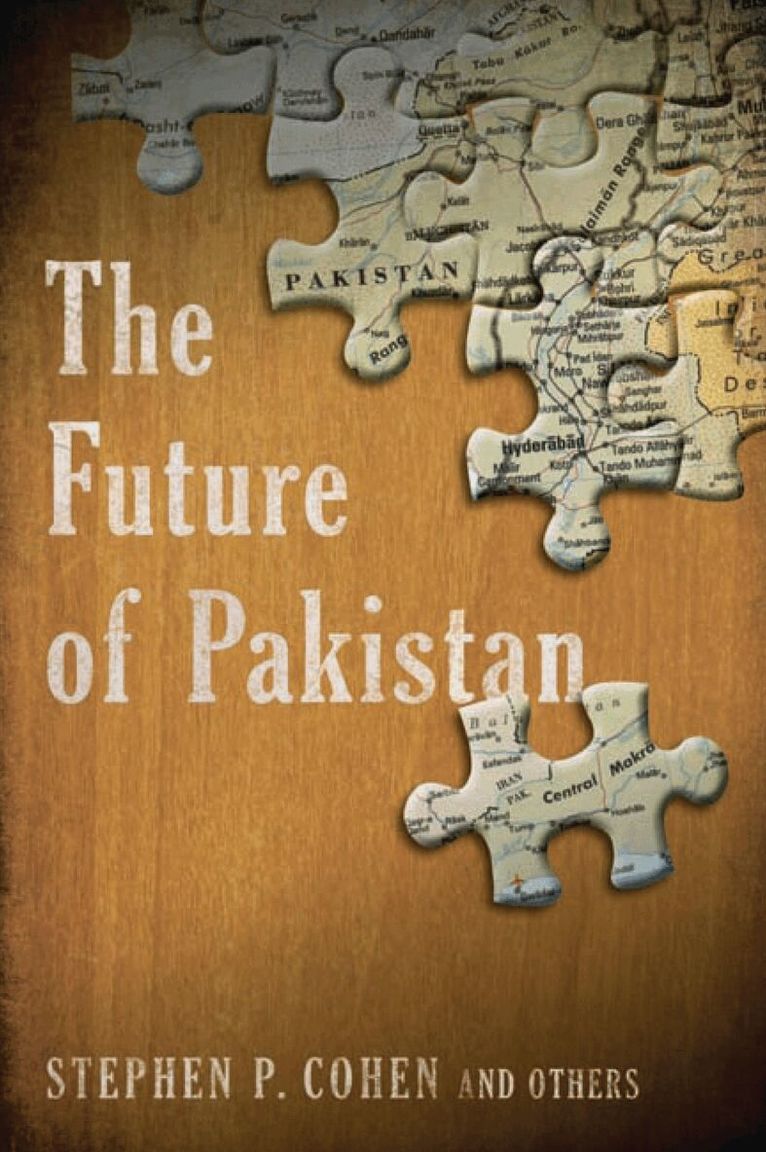
With each passing day, Pakistan becomes an even more crucial player in world affairs. Home of the world's second-largest Muslim population, epicenter of the global jihad, location of perhaps the planet's most dangerous borderlands, and armed with nuclear weapons, this South Asian nation will go a …
Future of Pakistan
E-bok, 2011
499 kr
Lägg i varukorg
With each passing day, Pakistan becomes an even more crucial player in world affairs. Home of the world's second-largest Muslim population, epicenter of the global jihad, location of perhaps the planet's most dangerous borderlands, and armed with nuclear weapons, this South Asian nation will go a …
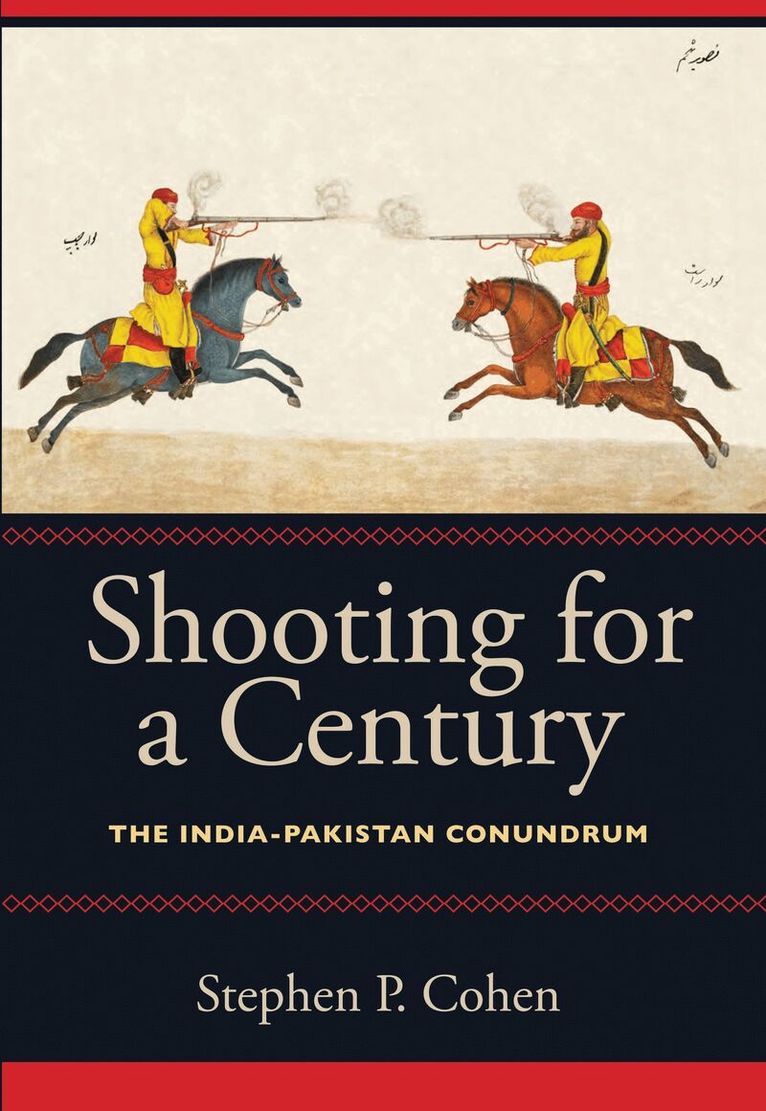
Shooting for a Century
The India-Pakistan Conundrum
E-bok, 2013
514 kr
Lägg i varukorg
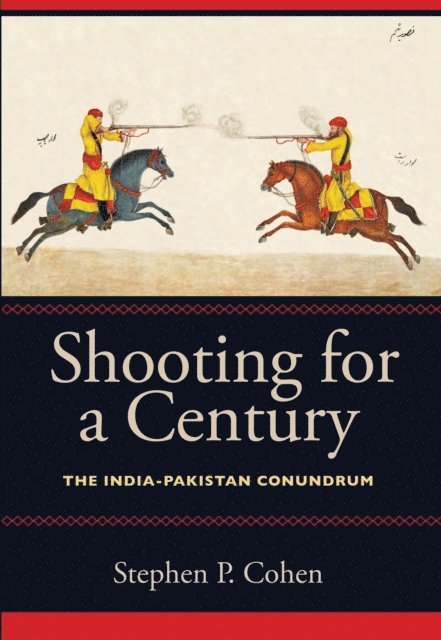
The rivalry between India and Pakistan has proven to be one of the world's most intractable international conflicts, ever since 1947 when the British botched their departure from the South Asian subcontinent. And the enmity is likely to continue for another thirty-five years, reaching the century …
Arming without Aiming
India's Military Modernization
Av Stephen P. Cohen, Sunil Dasgupta
Häftad, 2012
374 kr
Lägg i varukorg
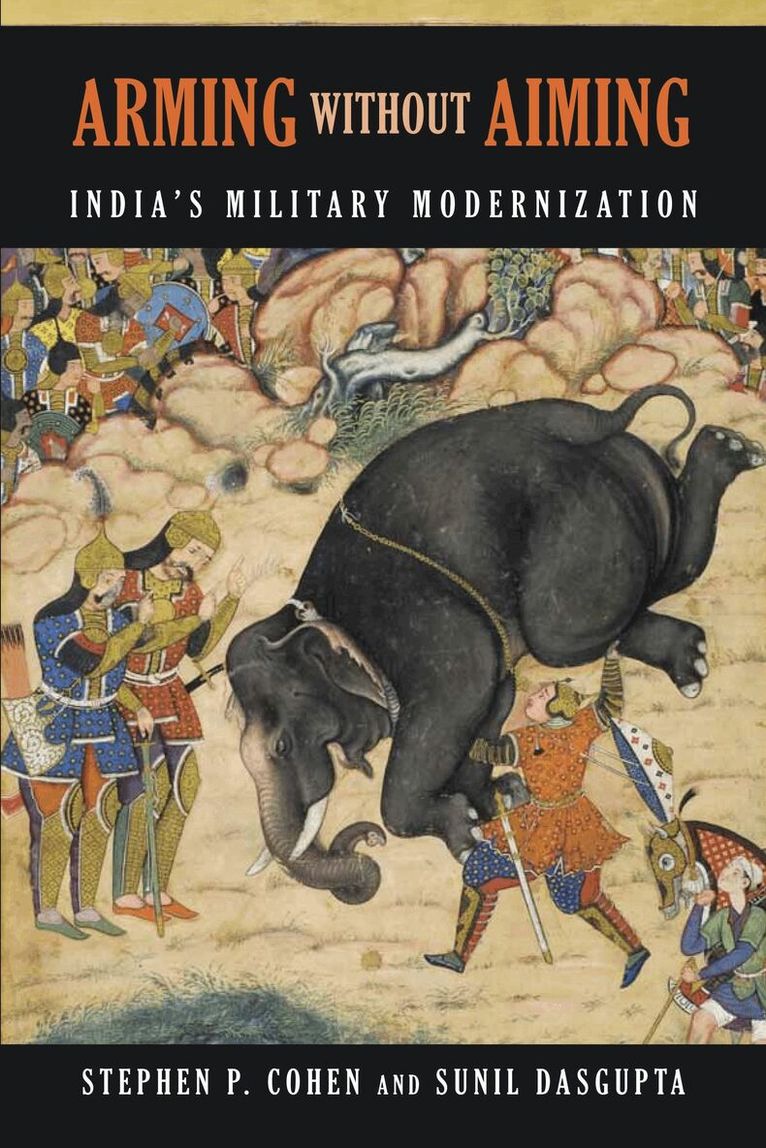
India has long been motivated to modernize its military, and it now has the resources. But so far, the drive to rebuild has lacked a critical componentstrategic military planning. India's approach of arming without strategic purpose remains viable, however, as it seeks great-power accommodation of …
Arming without Aiming
India'S Military Modernization
Av Stephen P. Cohen, Sunil Dasgupta
E-bok, 2013
405 kr
Lägg i varukorg
India has long been motivated to modernize its military, and it now has the resources. But so far, the drive to rebuild has lacked a critical componentstrategic military planning. India's approach of arming without strategic purpose remains viable, however, as it seeks great-power accommodation of …
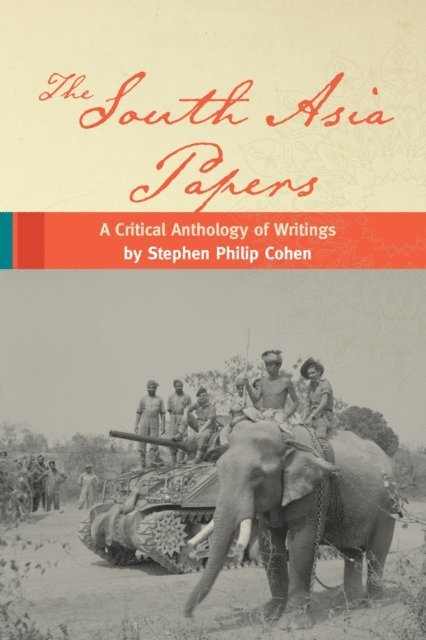
South Asia Papers
A Critical Anthology of Writings by Stephen Philip Cohen
E-bok, 2016
499 kr
Lägg i varukorg
Covering the years 1962 to 2011, this volume includes the most provocative and important writings from Stephen Cohen''s fifty-year career of observing South Asia-as a professor, as a government official, and, since 1998, as a scholar at the Brookings Institution. Several pieces have never been …
Shooting for a Century
The India-Pakistan Conundrum
Häftad, 2013
459 kr
Lägg i varukorg
The rivalry between India and Pakistan has proven to be one of the world's most intractable international conflicts, ever since 1947 when the British botched their departure from the South Asian subcontinent. And the enmity is likely to continue for another thirty-five years, reaching the century …
South Asia Papers
A Critical Anthology of Writings by Stephen Philip Cohen
Häftad, 2016
459 kr
Lägg i varukorg
Covering the years 1962 to 2011, this volume includes the most provocative and important writings from Stephen Cohen's fifty-year career of observing South Asia—as a professor, as a government official, and, since 1998, as a scholar at the Brookings Institution. Several pieces have never been …
Idea of Pakistan
E-bok, 2004
405 kr
Lägg i varukorg
In recent years Pakistan has emerged as a strategic player on the world stageboth as a potential rogue state armed with nuclear weapons and as an American ally in the war against terrorism. But our understanding of this country is superficial. To probe beyond the headlines, Stephen Cohen, author …
India
Emerging Power
E-bok, 2004
327 kr
Lägg i varukorg
For years, Americans have seen India as a giant but inept state. That negative image is now obsolete. After a decade of drift and uncertainty, India is taking its expected place as one of the three major states of Asia. Its pluralist, secular democracy has allowed the rise of hitherto deprived …
South Asia After The Cold War
International Perspectives
Av Stephen P Cohen, Kanti P Bajpai
E-bok, 2019
710 kr
Lägg i varukorg
In mid-March 1992, a group of forty scholars, journalists, strategists, and government officials met in Kathmandu, Nepal, to assess the post-Cold War world. The meeting marked both a summing up and a beginning. Many of the conference participants had been associated at one time or another with the …
South Asia After The Cold War
International Perspectives
Av Stephen P Cohen, Kanti P Bajpai
E-bok, 2019
710 kr
Lägg i varukorg
In mid-March 1992, a group of forty scholars, journalists, strategists, and government officials met in Kathmandu, Nepal, to assess the post-Cold War world. The meeting marked both a summing up and a beginning. Many of the conference participants had been associated at one time or another with the …
Perception, Politics and Security in South Asia
The Compound Crisis of 1990
Av Stephen P Cohen, Pervaiz Iqbal Cheema m. fl.
E-bok, 2003
883 kr
Lägg i varukorg
This book provides a detailed examination of the compound crisis between India and Pakistan that brought the region to the brink of a nuclear war in 1990. Placing the crisis in the context of concurrent international events such as the fall of the Soviet Union, the authors draw out the lesson for …
Perception, Politics and Security in South Asia
The Compound Crisis of 1990
Av Stephen P Cohen, Pervaiz Iqbal Cheema m. fl.
E-bok, 2003
883 kr
Lägg i varukorg
This book provides a detailed examination of the compound crisis between India and Pakistan that brought the region to the brink of a nuclear war in 1990. Placing the crisis in the context of concurrent international events such as the fall of the Soviet Union, the authors draw out the lesson for …
Science and Technology to Counter Terrorism
Proceedings of an Indo-U.S. Workshop
Av International Strategic and Security Studies Programme of the National Institute of Advanced Studies, National Academy of Sciences m. fl.
Häftad, 2007
765 kr
Tillfälligt slut
This volume presents the papers and summarizes the discussions of a workshop held in Goa, India, in January 2004, organized by the Indian National Institute of Advanced Science (NIAS) and the U.S. Committee on International Security and Arms Control (CISAC). During the workshop, Indian and U.S. …