Sui-Wai Cheung – författare
Visar alla böcker från författaren Sui-Wai Cheung. Handla med fri frakt och snabb leverans.
5 produkter
Colonial Administration and Land Reform in East Asia
Häftad, 2019
740 kr
Lägg i varukorg
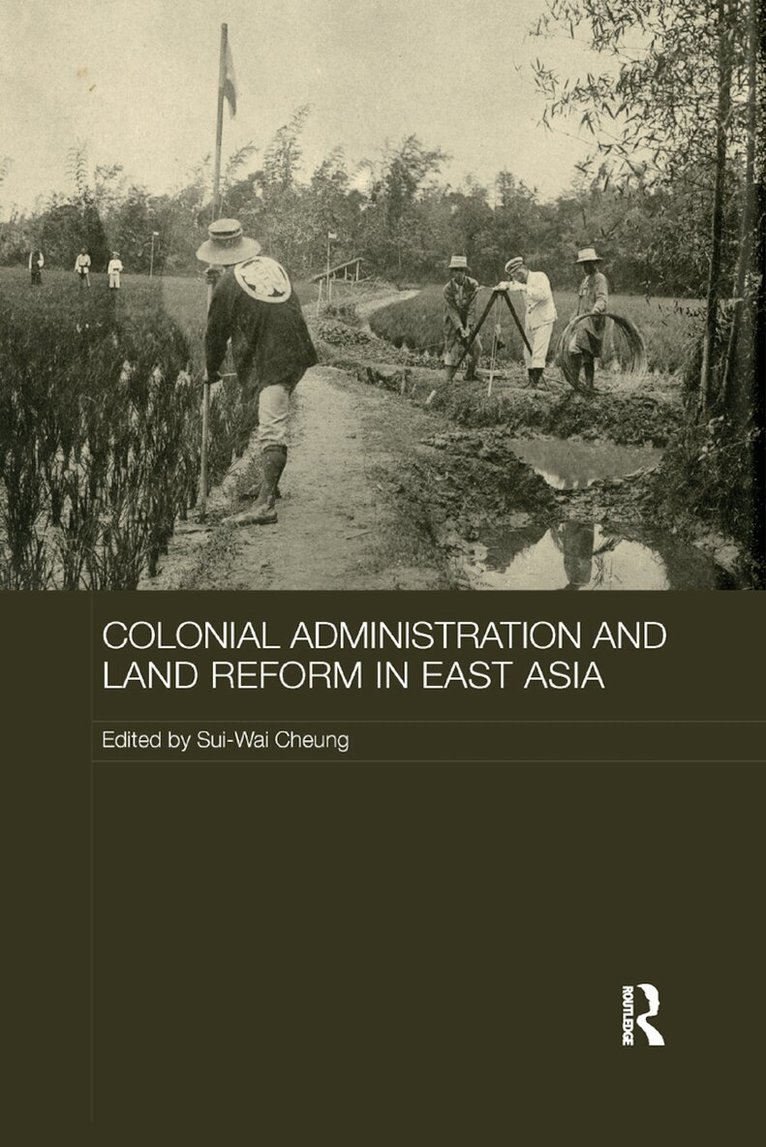
This book argues that as colonialism brought the concept of individual, as opposed to collective, land ownership to indigenous society, along with Western surveying techniques, the changes that resulted altered the relationship of the state to its citizens, and, thereby, the structure of local …
Colonial Administration and Land Reform in East Asia
Inbunden, 2017
2578 kr
Lägg i varukorg
This book argues that as colonialism brought the concept of individual, as opposed to collective, land ownership to indigenous society, along with Western surveying techniques, the changes that resulted altered the relationship of the state to its citizens, and, thereby, the structure of local …
Colonial Administration and Land Reform in East Asia
E-bok, 2017
855 kr
Lägg i varukorg
This book argues that as colonialism brought the concept of individual, as opposed to collective, land ownership to indigenous society, along with Western surveying techniques, the changes that resulted altered the relationship of the state to its citizens, and, thereby, the structure of local …
Colonial Administration and Land Reform in East Asia
E-bok, 2017
849 kr
Lägg i varukorg
This book argues that as colonialism brought the concept of individual, as opposed to collective, land ownership to indigenous society, along with Western surveying techniques, the changes that resulted altered the relationship of the state to its citizens, and, thereby, the structure of local …
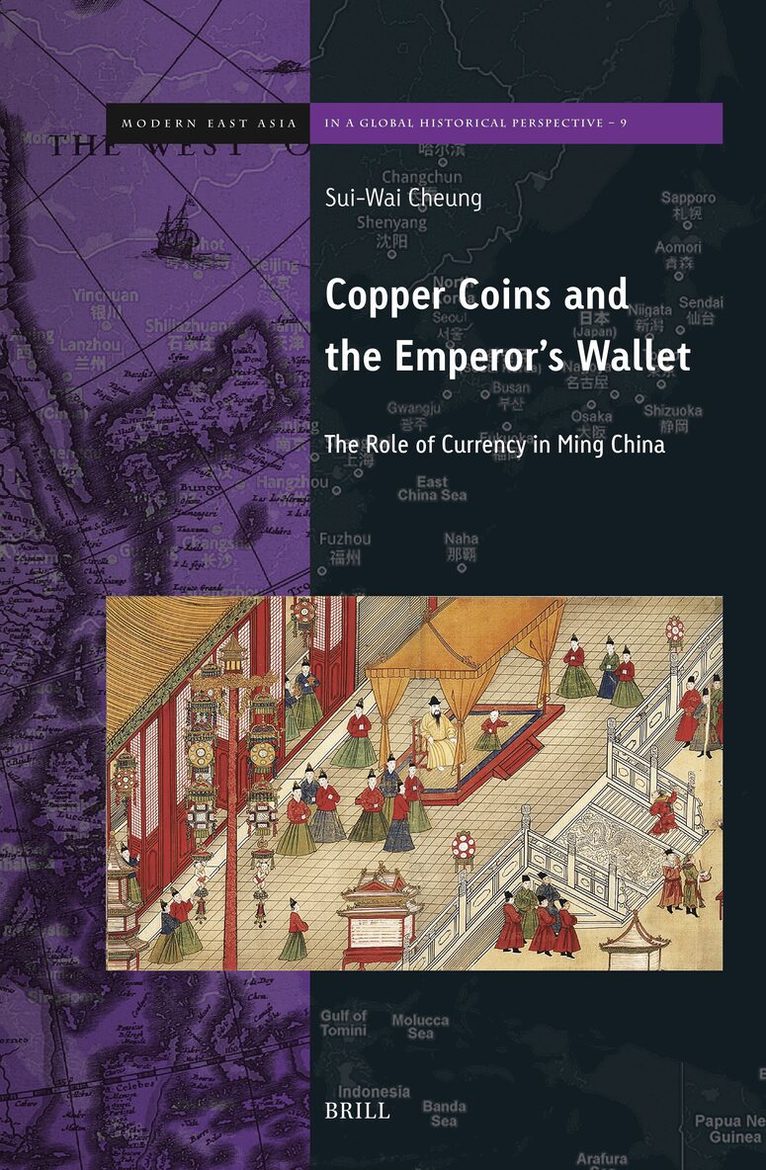
Copper Coins and the Emperor's Wallet: The Role of Currency in Ming China
Inbunden, 2023
1626 kr
Lägg i varukorg
Sui-Wai Cheung’s study of the institutional history of copper coins in the Ming dynasty reveals how emperors and statesmen perceived and used the copper coins at their disposal. In this process, he uncovers the reality of the Sons of Heaven, showing that although Ming emperors seemed to have …