• Fri frakt över 249 kr
  • •
  • Snabba leveranser
  • •
  • Billiga böcker
Kundservice

Du är på sajten för privatpersoner.

Företag, bibliotek eller offentlig verksamhet?

Du handlar på classic.bokus.com, där alla dina funktioner finns intakta.
Till classic.bokus.com
Bokus logotyp. Gå till startsidan.
  • Erbjudanden
  • Nyheter
  • Student
  • Topplistor
  • Barn & ungdom
  • Bokus Play
  • E-böcker
  • Pocketböcker
  • Spel & pussel

10% studentrabatt med kod TERM26

Sidfot

Mina sidor

    Hjälp

    • Kundservice
    • Vanliga frågor och svar
    • Frakt och leverans
    • Retur vid ångerrätt
    • Reklamera vara
    • Betalning
    • Köpvillkor
    • Allmänna villkor
    • Information om webbplatsens tillgänglighet

    Om Bokus

    • Om oss
    • Pressrum
    • För studenter
    • För företag
    • För bibliotek och offentlig verksamhet
    • För leverantörer
    • Hållbarhet

    Populärt

    • Aktuella erbjudanden
    • Presentkort
    • Studentlitteratur
    • Nya böcker
    • Topplistor
    • Signerade böcker
    • Engelska böcker

    Inspiration

    • Boktips
    • BookTok
    • Populära bokserier
    • Barnbokskaraktärer
    • Populära författare
    Logotyp för Bokus
    Följ oss på Facebook (extern länk)Följ oss på Instagram (extern länk)Följ oss på YouTube (extern länk)Följ oss på TikTok (extern länk)
    bokus @ CookiesAnpassa cookiesIntegritetspolicyKöpvillkor
    Till Citymail hemsida (extern länk)Till Budbee hemsida (extern länk)Till Postnord hemsida (extern länk)Till Schenker hemsida (extern länk)Till Early Bird hemsida (extern länk)Till Walleys hemsida (extern länk)
    1. Historia och arkeologi
    2. Historia
    3. Asiens historia

    Copper Coins and the Emperor's Wallet: The Role of Currency in Ming China

    AvSui-Wai Cheung

    Inbunden, Engelska, 2023

    Del 9 i serien Brill's Series on Modern East Asia in a Global Historical Perspective

    1 575 kr

    Beställningsvara. Skickas inom 5-8 vardagar. Fri frakt över 249 kr.

    Beskrivning

    Sui-Wai Cheung’s study of the institutional history of copper coins in the Ming dynasty reveals how emperors and statesmen perceived and used the copper coins at their disposal. In this process, he uncovers the reality of the Sons of Heaven, showing that although Ming emperors seemed to have unlimited power, they could not afford the upkeep on their palace.In this revealing history of Ming China, Cheung argues that especially after the breakdown of the household registration system, the aim of the Ming coinage system was to create a new source of income in order to maintain the emperor's domain in Beijing.

    Produktinformation

    • Utgivningsdatum:2023-10-25
    • Mått:155 x 235 x 17 mm
    • Vikt:435 g
    • Format:Inbunden
    • Språk:Engelska
    • Serie:Brill's Series on Modern East Asia in a Global Historical Perspective
    • Antal sidor:172
    • Förlag:Brill
    • ISBN:9789004687523

    Utforska kategorier

    • Asiens historia inom Historia och arkeologi
    • Ekonomisk historia inom Ekonomi och Ledarskap

    Mer om författaren

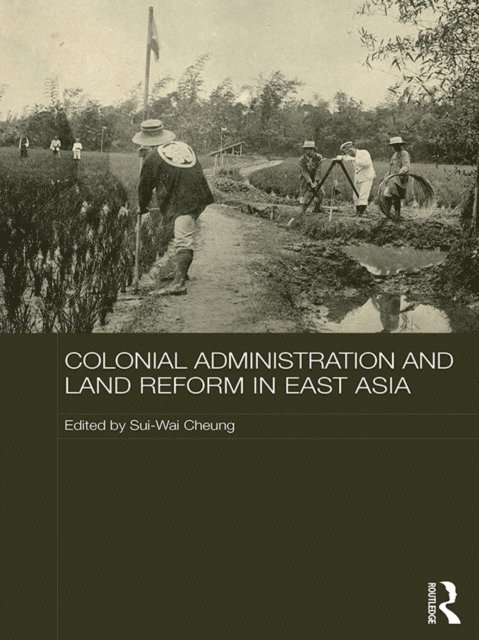
    Sui-Wai Cheung (D. Phil., Oxford) is Professor of History at the Chinese University of Hong Kong. He has previously published The Price of Rice: Market Integration in Eighteenth-Century China (CEAS, Western Washington University, 2008) and Colonial Administration and Land Reform in East Asia (Routledge, 2017).

    Innehållsförteckning

    • List of Figures, Tables, and MapsMing Dynasty EmperorsMing Weights and MeasuresIntroduction: Currency and Taxation in Ming China, 1368–16441 How Precious Is a Precious Note? State Currency in the Early Ming, 1368–14351 The Value of Paper2 Managing an Empire Without Money2.1 Household Registration for Goods and Services2.2 Moving the Capital South2.3 Eunuchs: the Emperor’s Servants and Gatekeepers2.4 Labor Services and In-Kind Taxes2.5 The Lijia3 From Copper to Rice to Precious Notes4 Civil War, a New Capital, and a Surfeit of Precious Notes4.1 Moving the Capital to Beijing4.2 Precious Notes for Capital Officials4.3 Taking Precious Notes Out of Circulation: the Salt Tax and Crime Restitution Fees5 Reopening China to Trade5.1 The Treasure Fleet5.2 Building the New Capital in Beijing6 Retrieving Precious Notes: Commercial Fees and Charges7 Conclusion2 From Illegal to Official: Copper and Silver, 1400–14871 Recession, Piracy, and Foreign Trade2 Reopening China: Silver in the Market2.1 Feeding the Capital: Tribute Rice and the Grand Canal2.2 Commuting the Grain Tax: The Gold Floral Silver Reform2.3 Silver and the Precious Note3 Copper Coins in a “Filthy” Reign3.1 Government Taxes and Fees in Copper Cash4 Counterfeit Coins and Gresham’s Law5 Conclusion3 Household Registration, Foreign Trade, and the Emperor’s Table, 1444–15661 Maritime Merchants and Household Registration2 The Emperor’s Table3 The Emperor’s Coffers4 An End to Extravagance?5 Copper Coins as Income6 Prodigal Emperors6.1 The Zhengde Emperor (1505–1521): Extortion and Government Charges6.2 The Jiajing Emperor (1521–1566): Brass Coins7 Closing the Baoyuan Mint8 Conclusion4 Coins for the Government, 1567–16441 Coins for the Country and the People1.1 Coins for the Ministries1.2 Provincial Mints1.3 “Golden Backs” for the Taicang Treasury1.4 Renting Furnaces at the Nanjing Mint2 Back Into the Emperor’s Wallet3 Conclusion5 Conclusion: Small Change and State Administration in Ming ChinaWorks CitedGlossaryIndex