Sukhvinder Singh Purewal – författare
Visar alla böcker från författaren Sukhvinder Singh Purewal. Handla med fri frakt och snabb leverans.
43 produkter
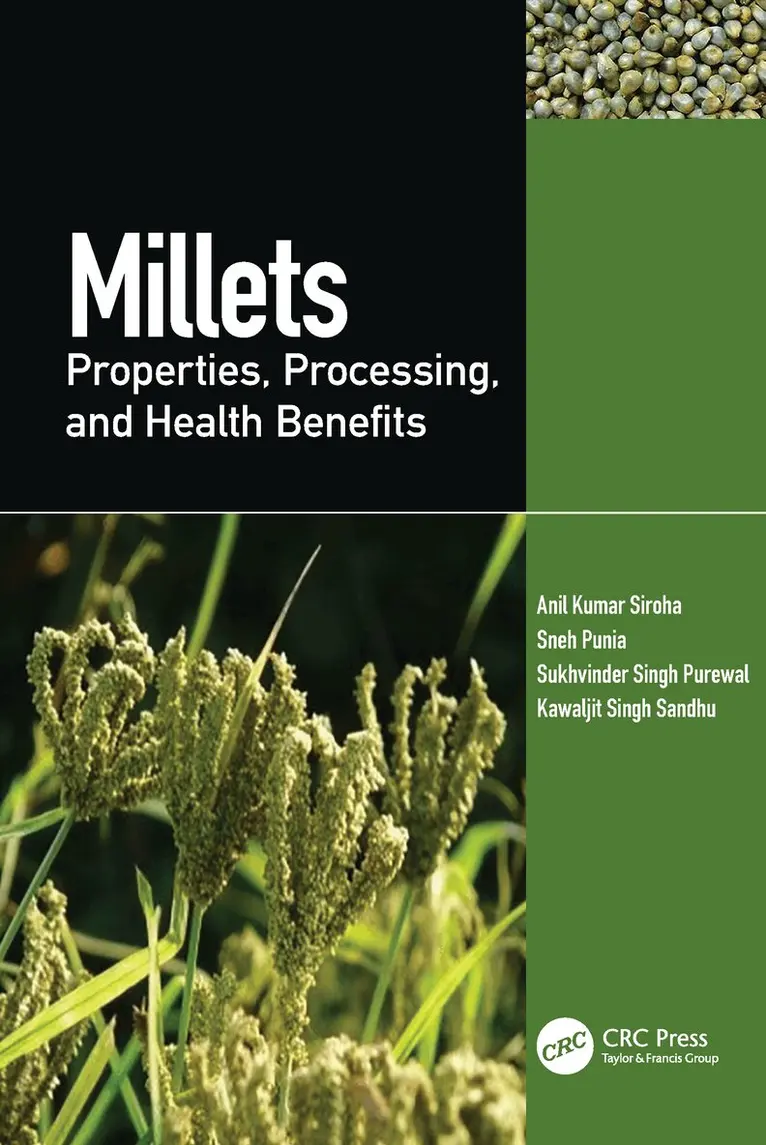
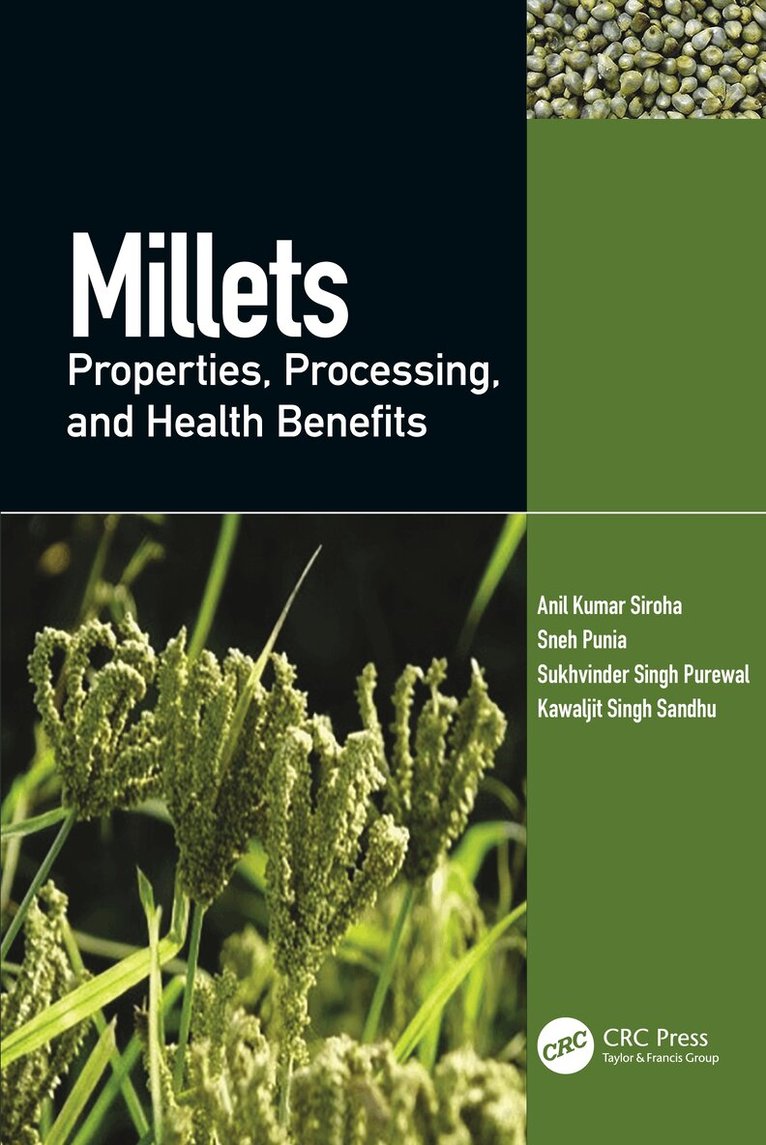
Millets
Properties, Processing, and Health Benefits
Av Anil Kumar Siroha, Sneh Punia m. fl.
Inbunden, 2021
3058 kr
Lägg i varukorg
Millets are low cost cereal grains and widely used in the food industry and animal husbandry as an important source of food and feed. As a rich source of starch, protein, minerals, vitamins, and specific bioactive compounds that contain beneficial antioxidant properties, they have gained …
Fundamentals of Microbial Nanotechnology and Its Applications
Av Sukhvinder Singh Purewal, Neha Srivastava m. fl.
Häftad, 2027
2588 kr
Kommande
Fundamentals of Microbial Nanotechnology and Its Applications provides a comprehensive introduction to the rapidly evolving field of microbial nanotechnology, bridging microbiology and nanoscience to address today’s environmental, industrial, and biomedical challenges. This book explores the …
Millets
Properties, Processing, and Health Benefits
Av Kawaljit Singh Sandhu, Sukhvinder Singh Purewal m. fl.
E-bok, 2021
1000 kr
Lägg i varukorg
Millets are low cost cereal grains and widely used in the food industry and animal husbandry as an important source of food and feed. As a rich source of starch, protein, minerals, vitamins, and specific bioactive compounds that contain beneficial antioxidant properties, they have gained …
Millets
Properties, Processing, and Health Benefits
Av Kawaljit Singh Sandhu, Sukhvinder Singh Purewal m. fl.
E-bok, 2021
1000 kr
Lägg i varukorg
Millets are low cost cereal grains and widely used in the food industry and animal husbandry as an important source of food and feed. As a rich source of starch, protein, minerals, vitamins, and specific bioactive compounds that contain beneficial antioxidant properties, they have gained …
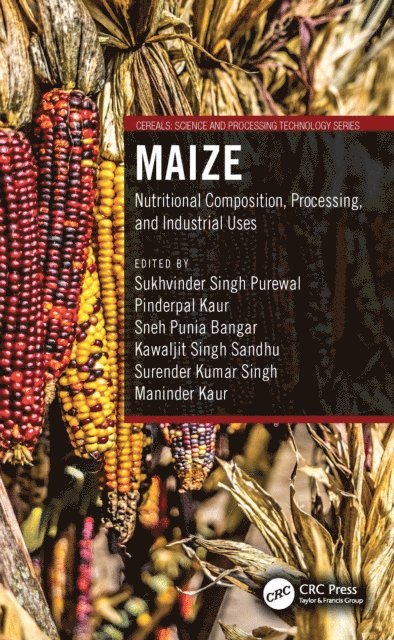
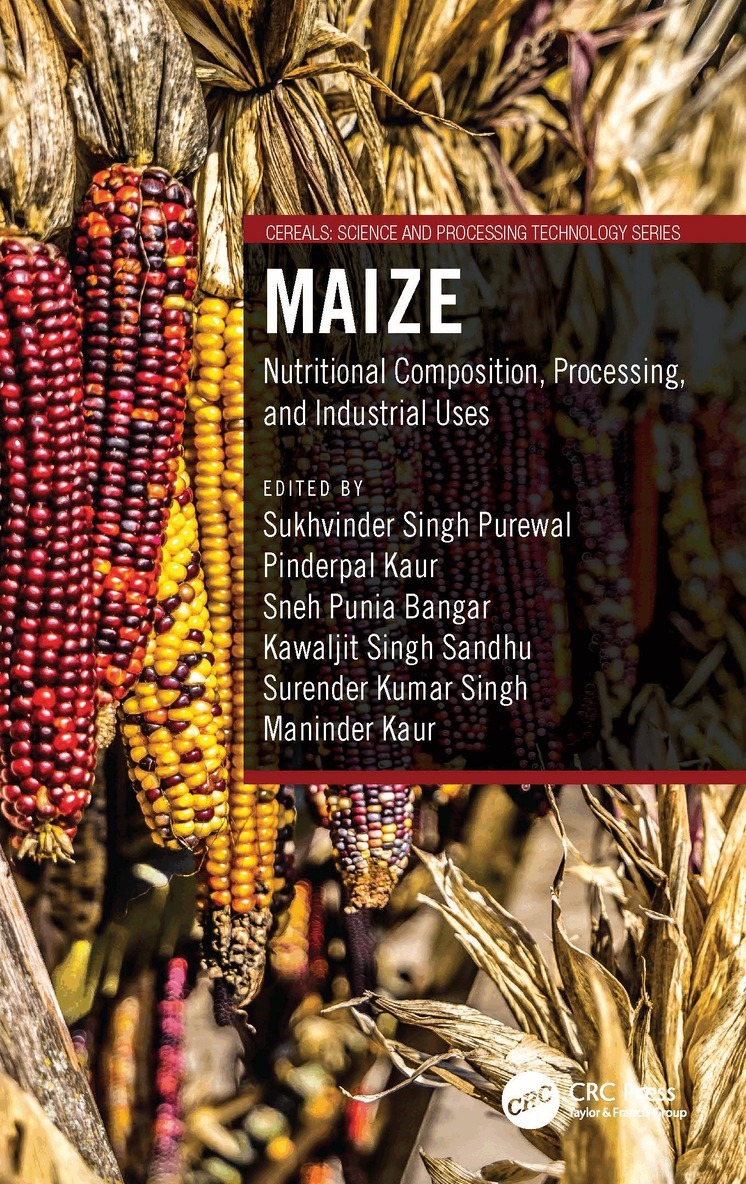
Maize
Nutritional Composition, Processing, and Industrial Uses
Av Maninder Kaur, Surender Kumar Singh m. fl.
E-bok, 2022
1220 kr
Lägg i varukorg
Maize is widely cultivated throughout the world due to its high-yield potential. The economic and nutritional value of maize grains is associated with its starch content, protein, fibre, bioactive compounds, and minerals. Maize is used worldwide in the preparation of health-benefiting, …
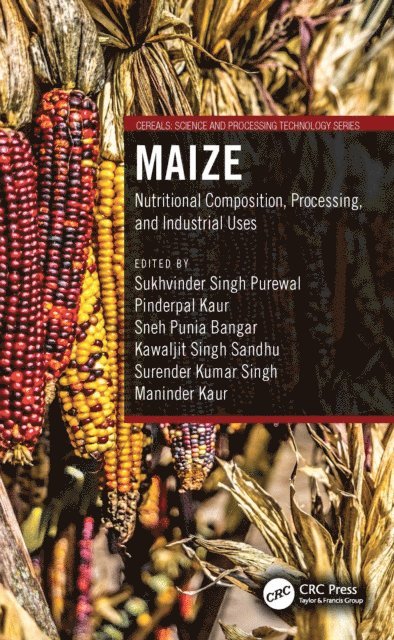
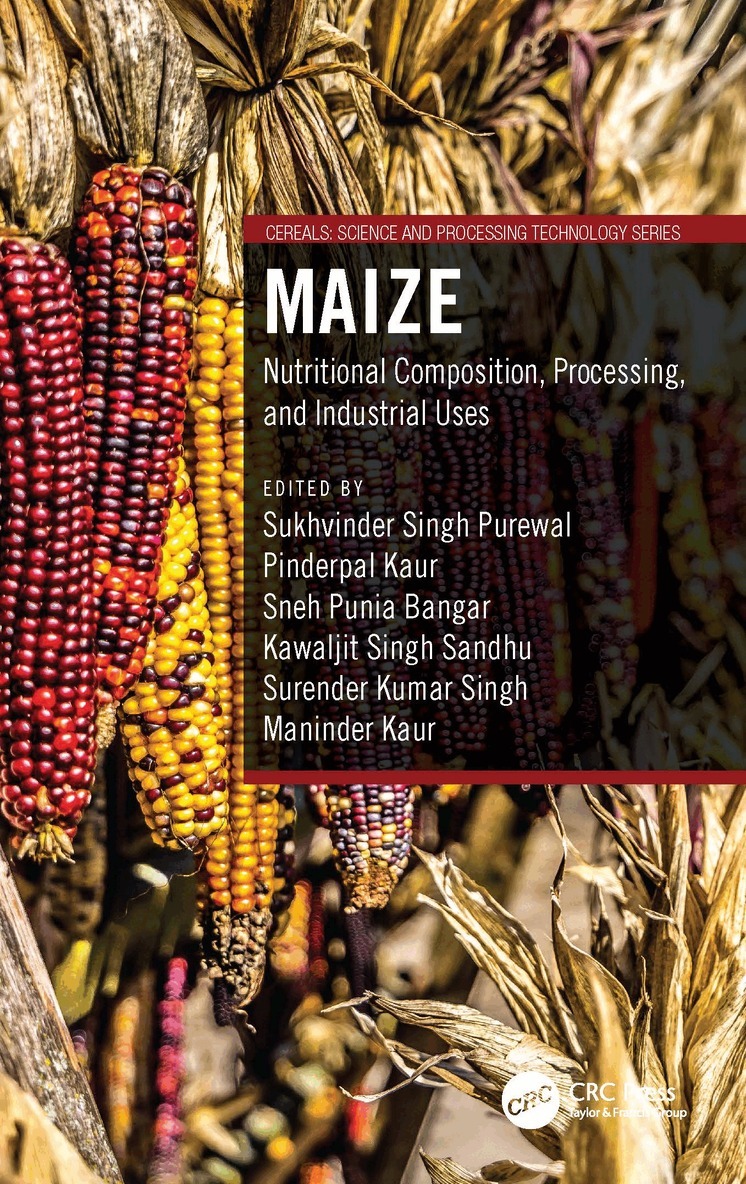
Maize
Nutritional Composition, Processing, and Industrial Uses
Av Maninder Kaur, Surender Kumar Singh m. fl.
E-bok, 2022
1247 kr
Lägg i varukorg
Maize is widely cultivated throughout the world due to its high-yield potential. The economic and nutritional value of maize grains is associated with its starch content, protein, fibre, bioactive compounds, and minerals. Maize is used worldwide in the preparation of health-benefiting, …
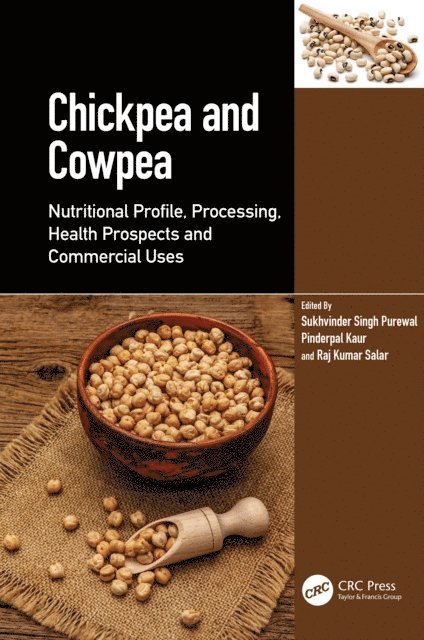
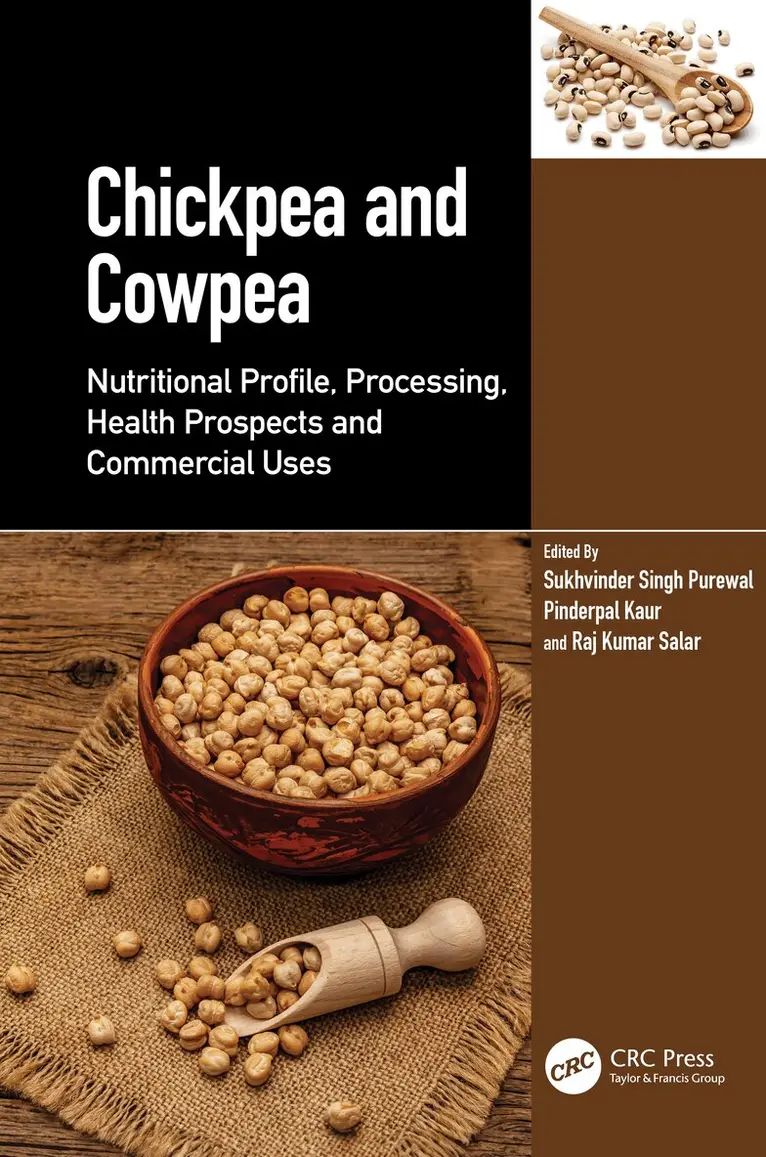
Chickpea and Cowpea
Nutritional Profile, Processing, Health Prospects and Commercial Uses
Av Raj Kumar Salar, Pinderpal Kaur m. fl.
E-bok, 2023
1220 kr
Lägg i varukorg
Legumes can act as good sources of nutrients, especially for those who are suffering from protein related nutritional deficiency. Chickpea ( Cicer arietinum ) and cowpea ( Vigna unguiculata ) are annual legumes grown throughout the world as food and feed. The presence of specific nutrients with …
Millets
Properties, Processing, and Health Benefits
Av Anil Kumar Siroha, Sneh Punia m. fl.
Häftad, 2024
1057 kr
Lägg i varukorg
Millets are low cost cereal grains and widely used in the food industry and animal husbandry as an important source of food and feed. As a rich source of starch, protein, minerals, vitamins, and specific bioactive compounds that contain beneficial antioxidant properties, they have gained …
Maize
Nutritional Composition, Processing, and Industrial Uses
Av Sukhvinder Singh Purewal, Pinderpal Kaur m. fl.
Inbunden, 2022
3070 kr
Lägg i varukorg
Maize is widely cultivated throughout the world due to its high-yield potential. The economic and nutritional value of maize grains is associated with its starch content, protein, fibre, bioactive compounds, and minerals. Maize is used worldwide in the preparation of health-benefiting, …
Maize
Nutritional Composition, Processing, and Industrial Uses
Av Sukhvinder Singh Purewal, Pinderpal Kaur m. fl.
Häftad, 2024
1057 kr
Lägg i varukorg
Maize is widely cultivated throughout the world due to its high-yield potential. The economic and nutritional value of maize grains is associated with its starch content, protein, fibre, bioactive compounds, and minerals. Maize is used worldwide in the preparation of health-benefiting, …
Chickpea and Cowpea
Nutritional Profile, Processing, Health Prospects and Commercial Uses
Av Sukhvinder Singh Purewal, Pinderpal Kaur m. fl.
Inbunden, 2023
2749 kr
Lägg i varukorg
Legumes can act as good sources of nutrients, especially for those who are suffering from protein related nutritional deficiency. Chickpea (Cicer arietinum) and cowpea (Vigna unguiculata) are annual legumes grown throughout the world as food and feed. The presence of specific nutrients with many …
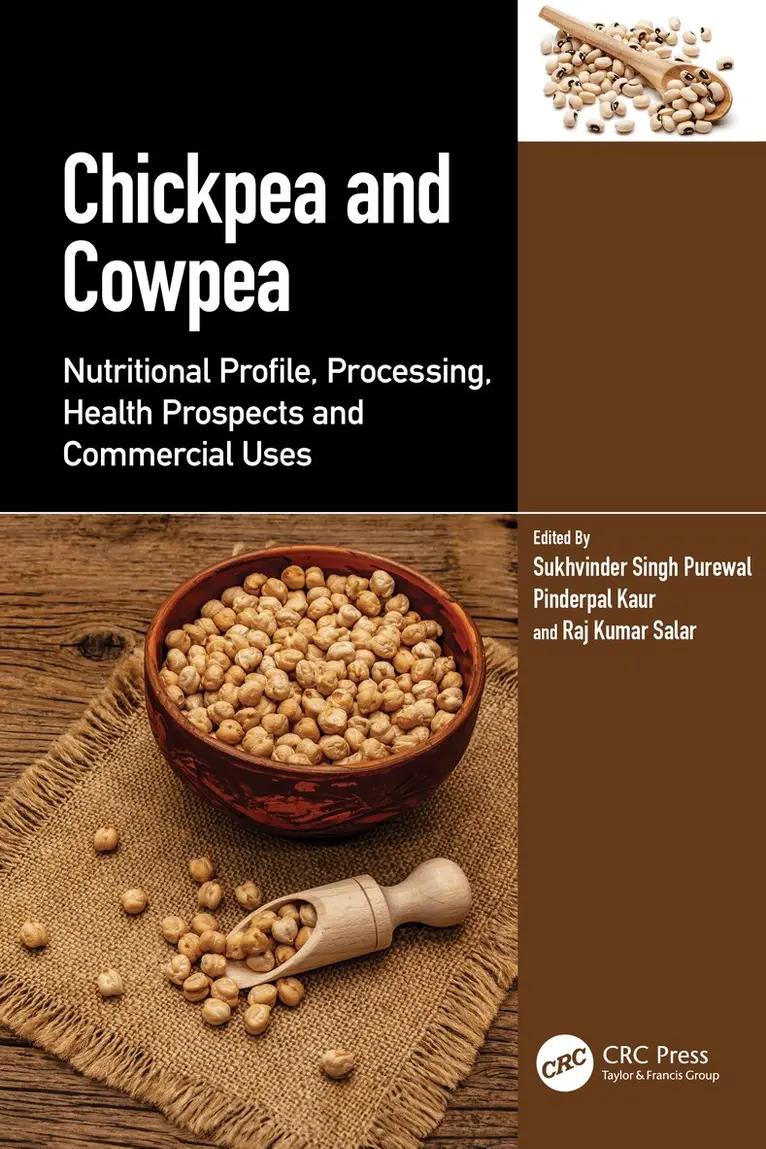
Chickpea and Cowpea
Nutritional Profile, Processing, Health Prospects and Commercial Uses
Av Sukhvinder Singh Purewal, Pinderpal Kaur m. fl.
Häftad, 2025
1057 kr
Lägg i varukorg
Legumes can act as good sources of nutrients, especially for those who are suffering from protein related nutritional deficiency. Chickpea (Cicer arietinum) and cowpea (Vigna unguiculata) are annual legumes grown throughout the world as food and feed. The presence of specific nutrients with many …
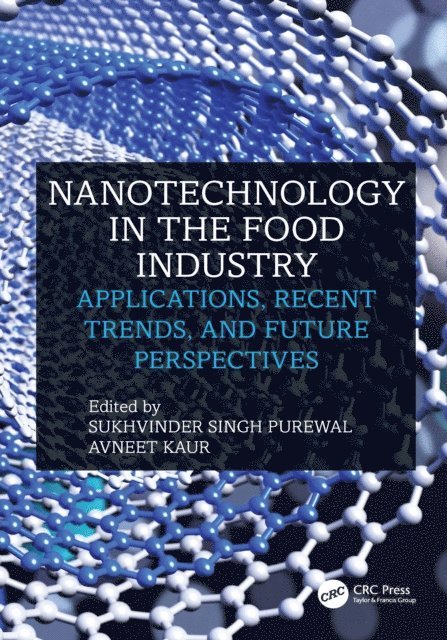
Nanotechnology in the Food Industry
Applications, Recent Trends, and Future Perspectives
Av Sukhvinder Singh Purewal, Avneet Kaur
Inbunden, 2024
2749 kr
Lägg i varukorg
Unlock the mysteries of nanotechnology's transformative role in the food industry with Nanotechnology in the Food Industry: Applications, Recent Trends, and Future Perspectives. Embark on a journey through the latest research and developments in nanomaterials synthesis, characterization, and …
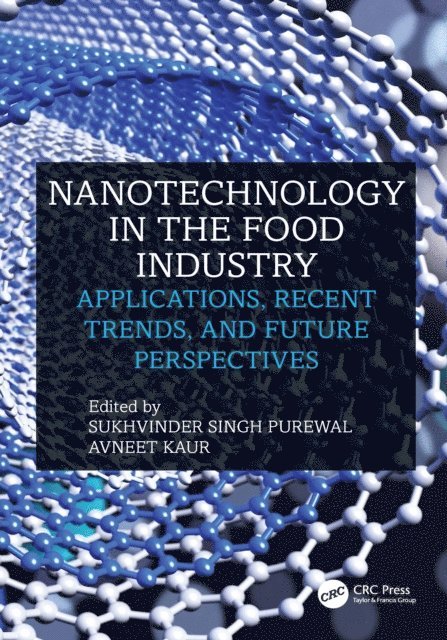
Nanotechnology in the Food Industry
Applications, Recent Trends, and Future Perspectives
Av Sukhvinder Singh Purewal, Avneet Kaur
Häftad, 2026
999 kr
Lägg i varukorg
Unlock the mysteries of nanotechnology's transformative role in the food industry with Nanotechnology in the Food Industry: Applications, Recent Trends, and Future Perspectives. Embark on a journey through the latest research and developments in nanomaterials synthesis, characterization, and …
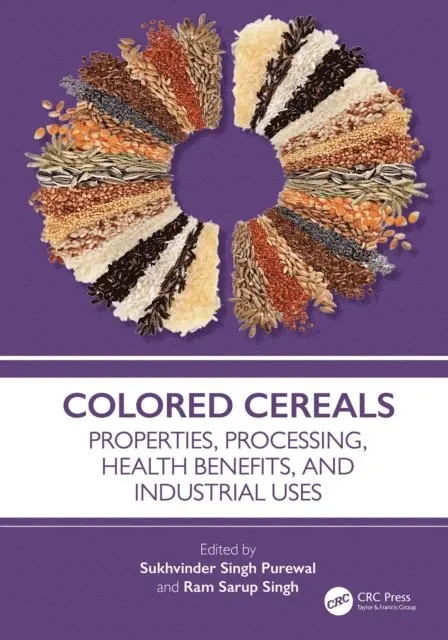
Colored Cereals
Properties, Processing, Health Benefits, and Industrial Uses
Av Sukhvinder Singh Purewal, Ram Sarup Singh
Inbunden, 2025
3161 kr
Lägg i varukorg
Colored cereals are becoming a substance of research interest due to their unique color and health-benefiting properties. Colored grains are being utilized in the preparation of antioxidant-rich food products. Colored Cereals: Properties, Processing, Health Benefits, and Industrial Uses discusses …
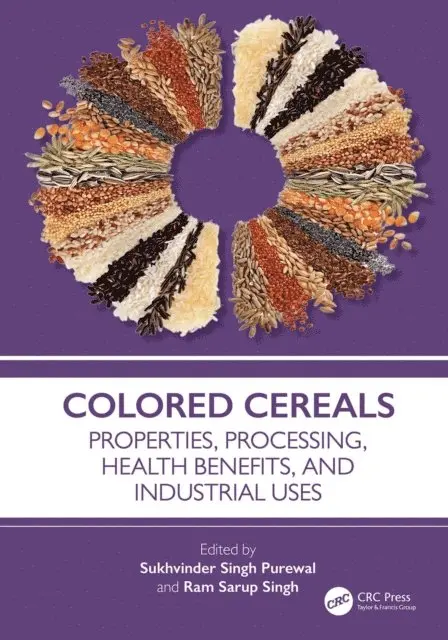
Colored Cereals
Properties, Processing, Health Benefits, and Industrial Uses
Av Sukhvinder Singh Purewal, Ram Sarup Singh
Häftad, 2026
1057 kr
Lägg i varukorg
Colored cereals are becoming a substance of research interest due to their unique color and health-benefiting properties. Colored grains are being utilized in the preparation of antioxidant-rich food products. Colored Cereals: Properties, Processing, Health Benefits, and Industrial Uses discusses …
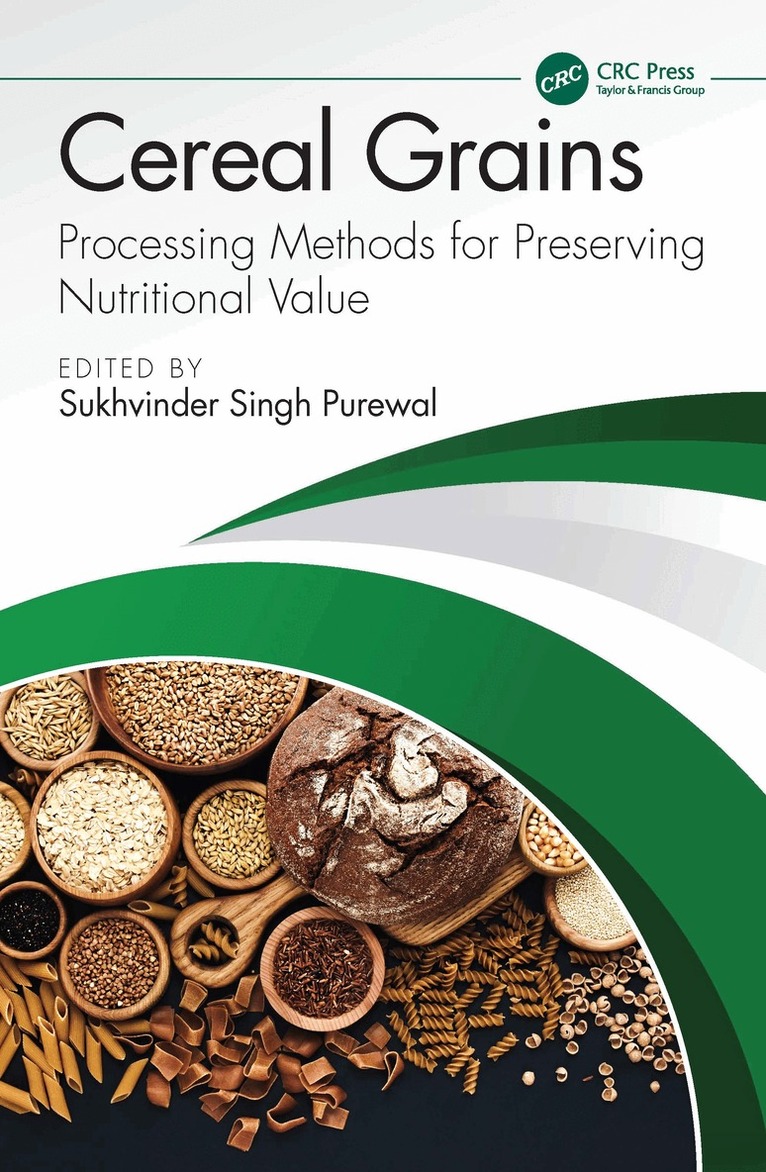
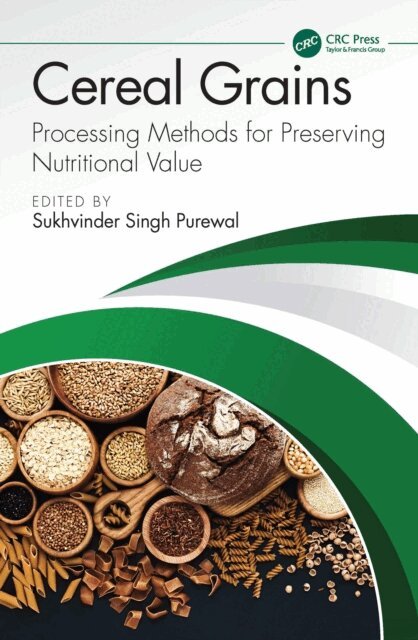
Cereal Grains
Processing Methods for Preserving Nutritional Value
Inbunden, 2025
3161 kr
Lägg i varukorg
Cereal grains are a major part of the global diet, but their nutritional benefits depend on how they are processed. This book explores how various techniques influence nutrient content, bioavailability, and food quality. It provides a clear understanding of traditional and modern processing …
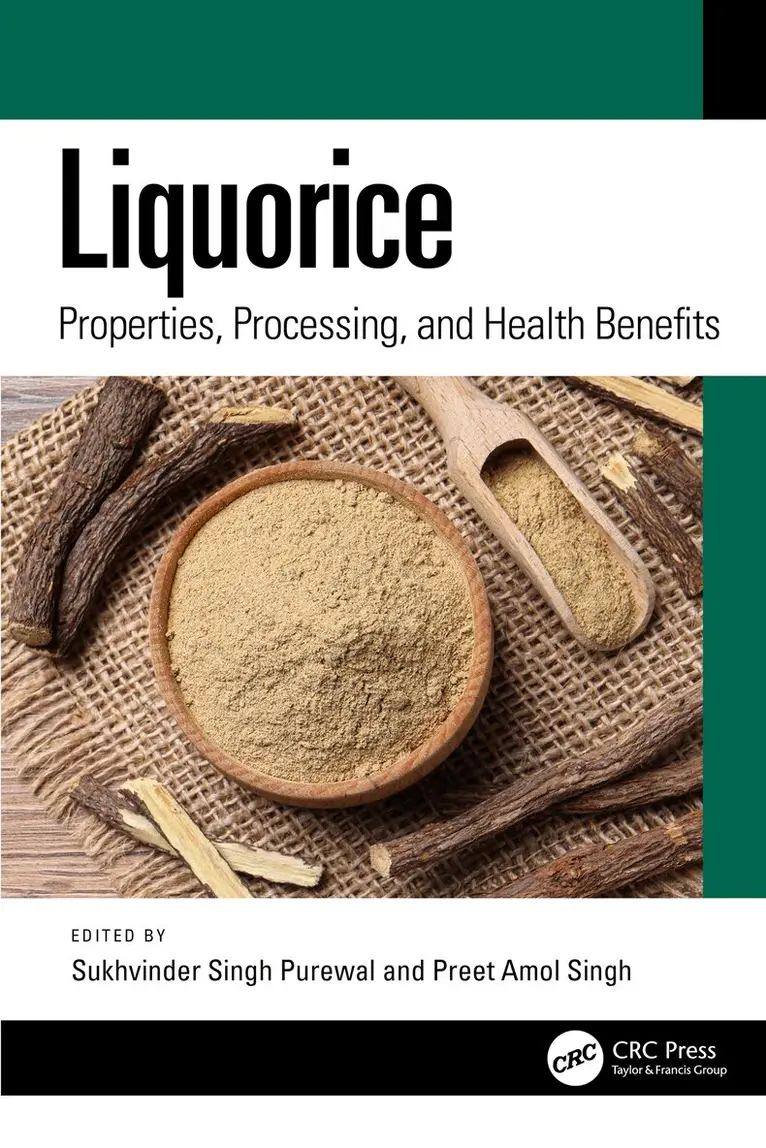
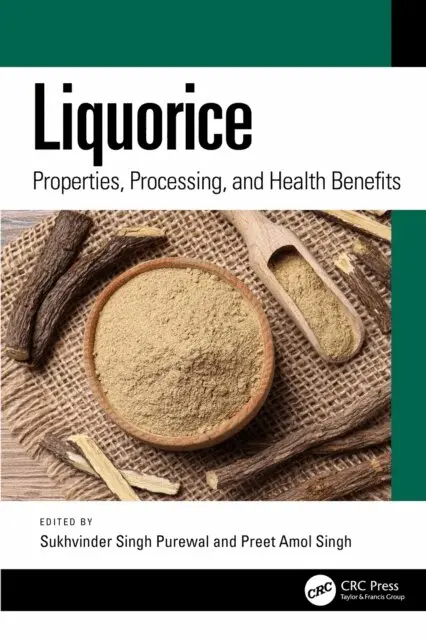
Liquorice
Properties, Processing, and Health Benefits
Av Sukhvinder Singh Purewal, Preet Amol Singh
Inbunden, 2025
1830 kr
Lägg i varukorg
This book serves as an essential guide for understanding the full potential of this remarkable plant. Drawing from a wealth of scientific research, this book explores every aspect of liquorice, from its nutritional profile to its extensive health benefits. With clear and structured chapters, the …
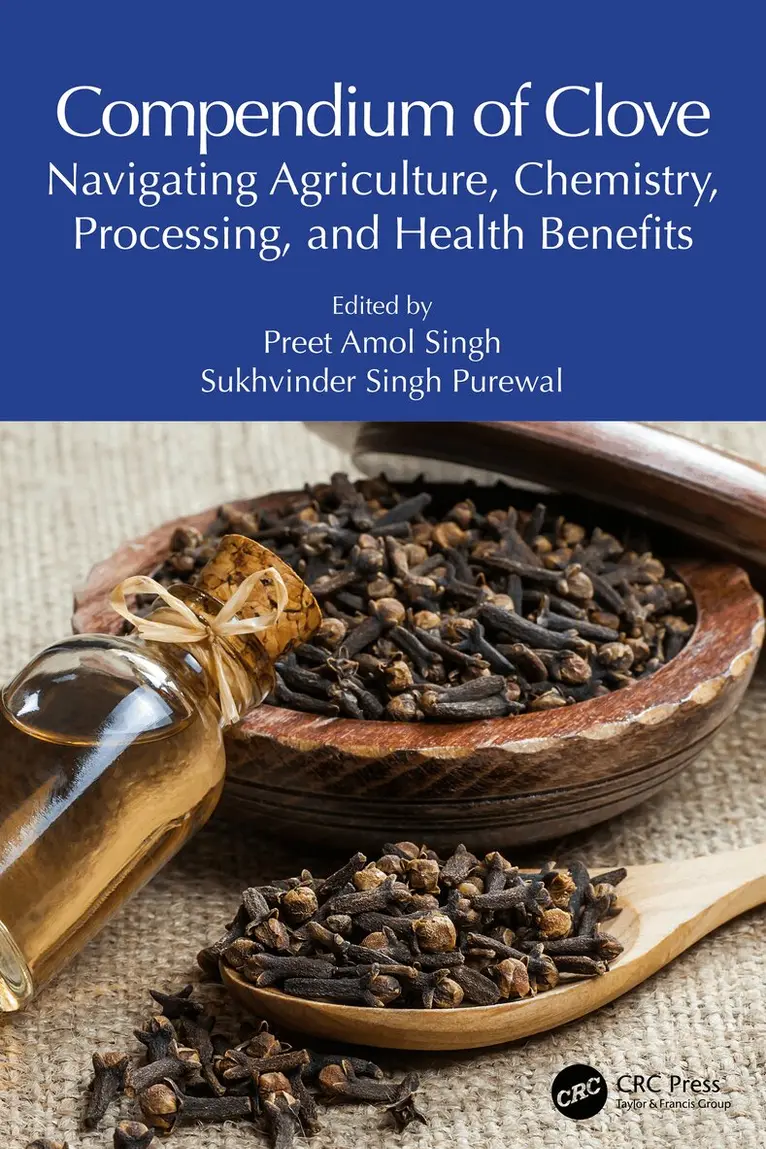
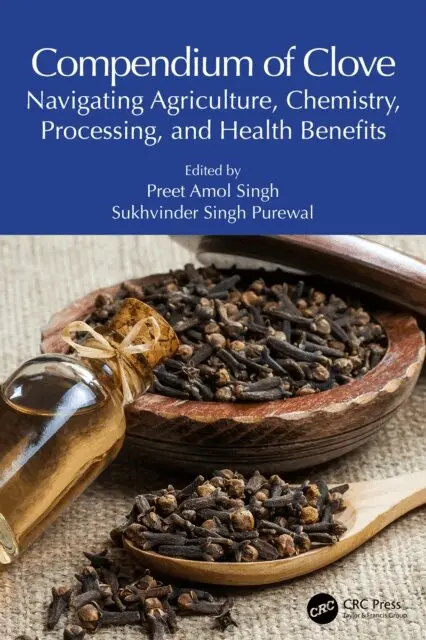
Compendium of Clove
Navigating Agriculture, Chemistry, Processing, and Health Benefits
Av Preet Amol Singh, Sukhvinder Singh Purewal
Inbunden, 2024
1830 kr
Lägg i varukorg
Welcome to the definitive guide Compendium of Clove: Navigating Agriculture, Chemistry, Processing, and Health Benefits, where centuries of tradition meet cutting-edge research on clove. Clove (Syzygium aromaticum) has a rich history dating back millennia, revered for its aromatic allure, medicinal …
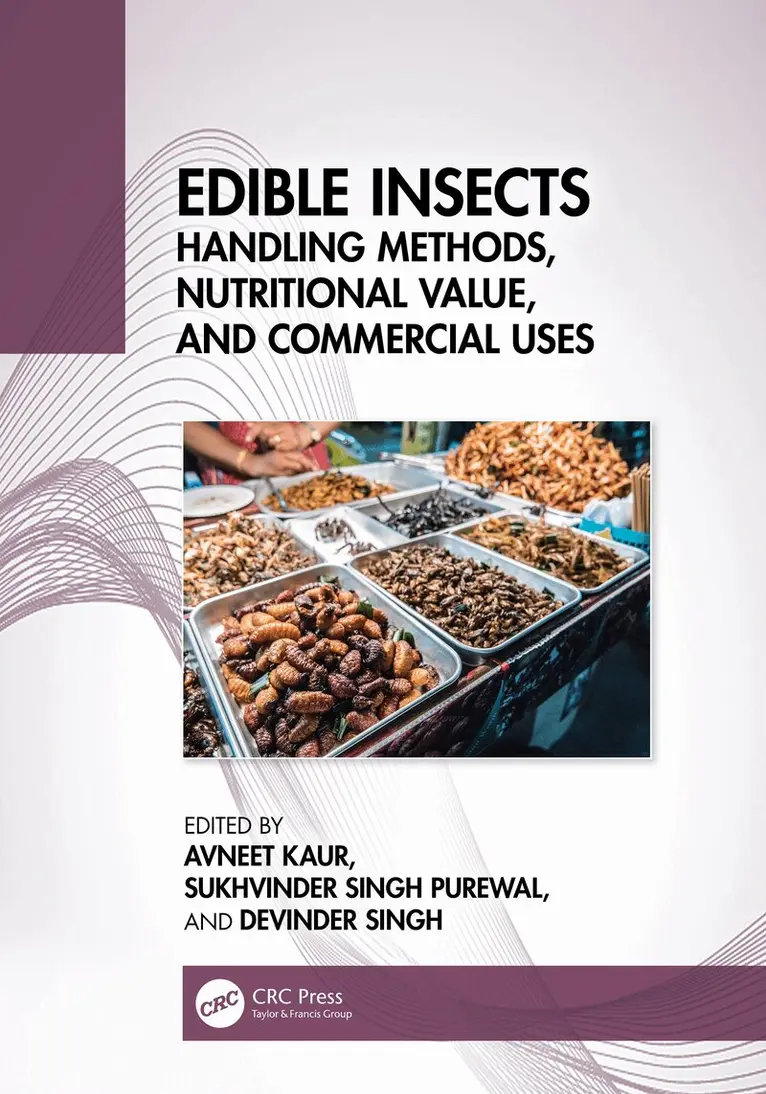
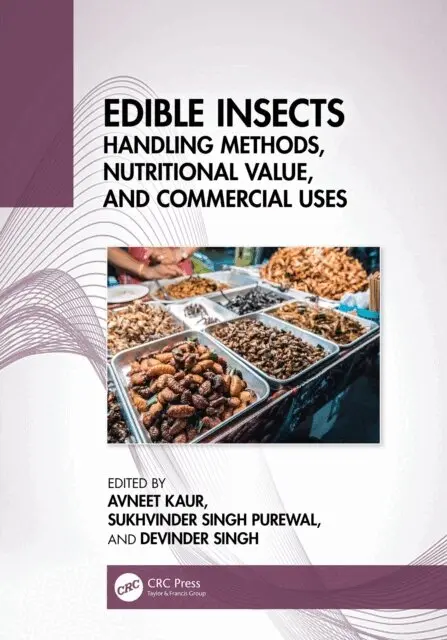
Edible Insects
Handling Methods, Nutritional Value, and Commercial Uses
Av Avneet Kaur, Sukhvinder Singh Purewal m. fl.
Inbunden, 2026
3161 kr
Lägg i varukorg
Exploring recent advances in the use of insects as a viable, sustainable, and nutritious food source, this book emphasizes effective handling techniques, the nutritional profile of different insects, and their potential commercial applications in the food sector. It covers insect farming, …
Nanotechnology in the Food Industry
Applications, Recent Trends, and Future Perspectives
Av Avneet Kaur, Sukhvinder Singh Purewal
E-bok, 2024
3152 kr
Lägg i varukorg
Unlock the mysteries of nanotechnology''s transformative role in the food industry with Nanotechnology in the Food Industry: Applications, Recent Trends, and Future Perspectives . Embark on a journey through the latest research and developments in nanomaterials synthesis, characterization, and …
Nanotechnology in the Food Industry
Applications, Recent Trends, and Future Perspectives
Av Avneet Kaur, Sukhvinder Singh Purewal
E-bok, 2024
3255 kr
Lägg i varukorg
Unlock the mysteries of nanotechnology''s transformative role in the food industry with Nanotechnology in the Food Industry: Applications, Recent Trends, and Future Perspectives . Embark on a journey through the latest research and developments in nanomaterials synthesis, characterization, and …
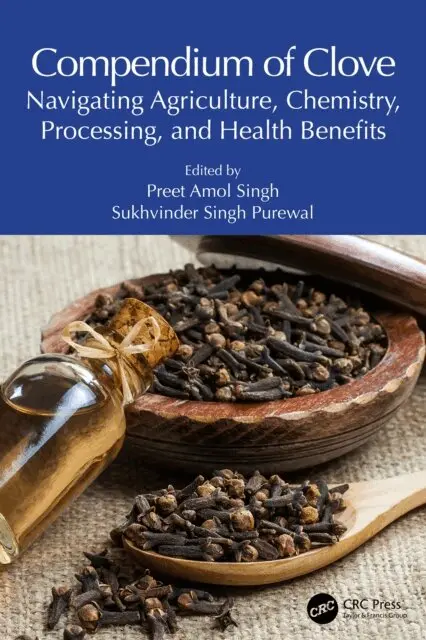
Compendium of Clove
Navigating Agriculture, Chemistry, Processing, and Health Benefits
Av Sukhvinder Singh Purewal, Preet Amol Singh
E-bok, 2024
1022 kr
Lägg i varukorg
Welcome to the definitive guide Compendium of Clove: Navigating Agriculture, Chemistry, Processing, and Health Benefits, where centuries of tradition meet cutting-edge research on clove. Clove (Syzygium aromaticum) has a rich history dating back millennia, revered for its aromatic allure, medicinal …
Compendium of Clove
Navigating Agriculture, Chemistry, Processing, and Health Benefits
Av Sukhvinder Singh Purewal, Preet Amol Singh
E-bok, 2024
1000 kr
Lägg i varukorg
Welcome to the definitive guide Compendium of Clove: Navigating Agriculture, Chemistry, Processing, and Health Benefits, where centuries of tradition meet cutting-edge research on clove. Clove (Syzygium aromaticum) has a rich history dating back millennia, revered for its aromatic allure, medicinal …
Colored Cereals
Properties, Processing, Health Benefits, and Industrial Uses
Av Ram Sarup Singh, Sukhvinder Singh Purewal
E-bok, 2025
2829 kr
Lägg i varukorg
Colored cereals are becoming a substance of research interest due to their unique color and health-benefiting properties. Colored grains are being utilized in the preparation of antioxidant-rich food products. Colored Cereals: Properties, Processing, Health Benefits, and Industrial Uses discusses …
Colored Cereals
Properties, Processing, Health Benefits, and Industrial Uses
Av Ram Sarup Singh, Sukhvinder Singh Purewal
E-bok, 2025
2829 kr
Lägg i varukorg
Colored cereals are becoming a substance of research interest due to their unique color and health-benefiting properties. Colored grains are being utilized in the preparation of antioxidant-rich food products. Colored Cereals: Properties, Processing, Health Benefits, and Industrial Uses discusses …
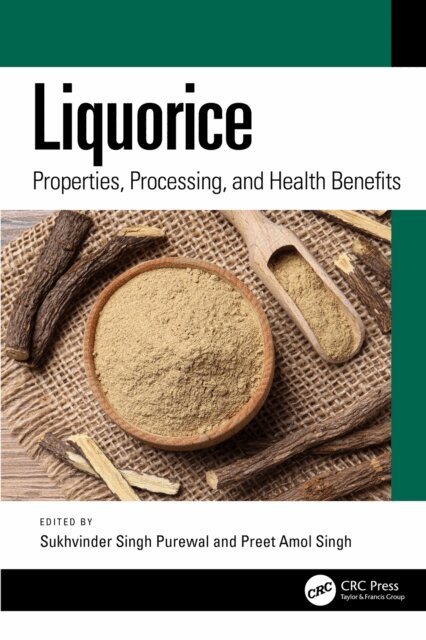
Liquorice
Properties, Processing, and Health Benefits
Av Preet Amol Singh, Sukhvinder Singh Purewal
E-bok, 2025
1022 kr
Lägg i varukorg
This book serves as an essential guide for understanding the full potential of this remarkable plant. Drawing from a wealth of scientific research, this book explores every aspect of liquorice, from its nutritional profile to its extensive health benefits. With clear and structured chapters, the …
Liquorice
Properties, Processing, and Health Benefits
Av Preet Amol Singh, Sukhvinder Singh Purewal
E-bok, 2025
1022 kr
Lägg i varukorg
This book serves as an essential guide for understanding the full potential of this remarkable plant. Drawing from a wealth of scientific research, this book explores every aspect of liquorice, from its nutritional profile to its extensive health benefits. With clear and structured chapters, the …
Cereal Grains
Processing Methods for Preserving Nutritional Value
E-bok, 2025
3558 kr
Lägg i varukorg
The majority of population relies on cereal grains to fulfill its dietary requirements. Despite being a good source of nutrients, cereal grains need to be processed using different methods as the components which are present in them have certain limitations. This book provides in depth information …
Edible Insects
Handling Methods, Nutritional Value, and Commercial Uses
Av Devinder Singh, Sukhvinder Singh Purewal m. fl.
E-bok, 2026
3530 kr
Lägg i varukorg
Exploring recent advances in the use of insects as a viable, sustainable, and nutritious food source, this book emphasizes effective handling techniques, the nutritional profile of different insects, and their potential commercial applications in the food sector. It covers insect farming, …