Maninder Kaur – författare
1 717 kr
Skickas inom 10-15 vardagar
936 kr
Läs direkt efter köp
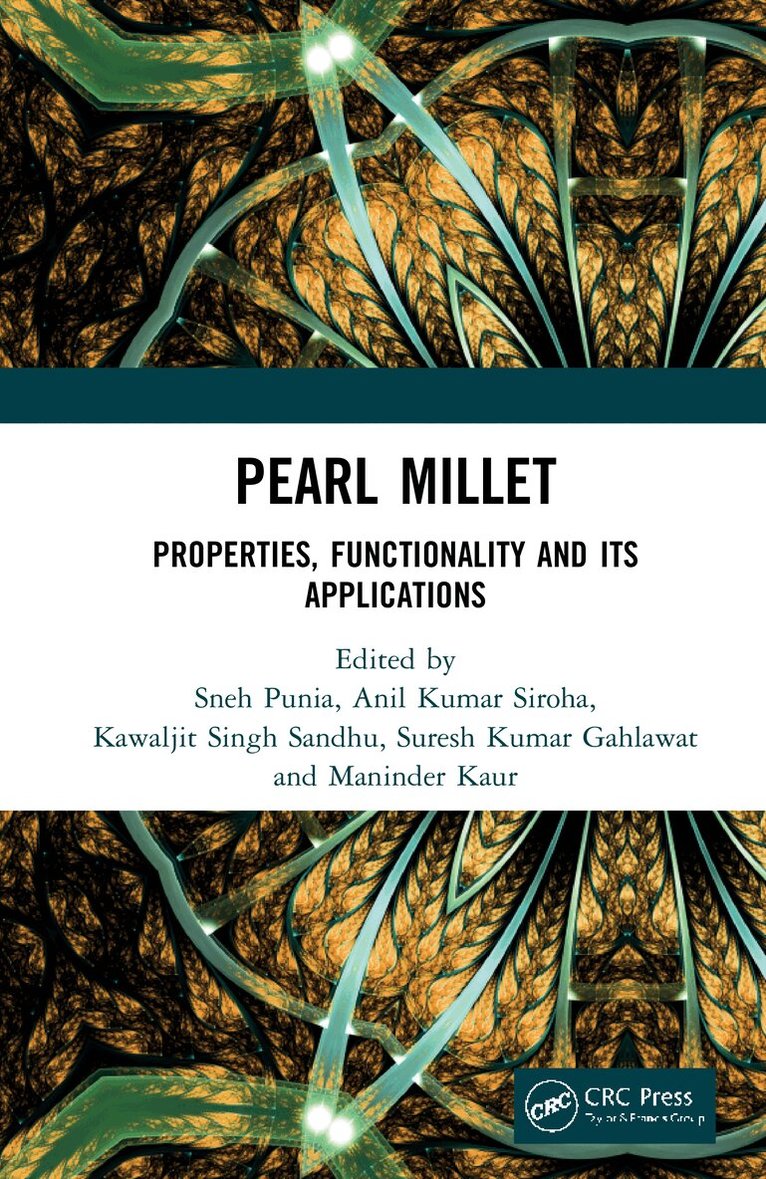
Pearl millet is mainly used for animal and poultry feed. It is the principal source of energy, protein, vitamins, minerals and contains many phenolic compounds, which are a good source of natural antioxidants. Pearl millet is a rich source of bioactive compounds and contains phytates and polyphenols. Owing to high nutritional and phytochemical properties, it has gained considerable attention as a botanical dietary supplement in many functional foods. Pearl Millet: Properties, Functionality and Its Applications provides comprehensive knowledge on nutritional and non-nutritional aspects of pearl millet. It covers recent research on pearl millet and provides information to improve the property and shelf life of flour, as well as the starch, and their uses in various food products.
Features:
Reviews structure, functional and antioxidant properties in pearl millet flour
Deals with the latest developments in modification of native starch
Provides information in enhancing shelf life and its utilization in phytochemical-rich product development
Covers updated information for grain science professionals and food technologists
936 kr
Läs direkt efter köp
Pearl millet is mainly used for animal and poultry feed. It is the principal source of energy, protein, vitamins, minerals and contains many phenolic compounds, which are a good source of natural antioxidants. Pearl millet is a rich source of bioactive compounds and contains phytates and polyphenols. Owing to high nutritional and phytochemical properties, it has gained considerable attention as a botanical dietary supplement in many functional foods. Pearl Millet: Properties, Functionality and Its Applications provides comprehensive knowledge on nutritional and non-nutritional aspects of pearl millet. It covers recent research on pearl millet and provides information to improve the property and shelf life of flour, as well as the starch, and their uses in various food products.
Features:
Reviews structure, functional and antioxidant properties in pearl millet flour
Deals with the latest developments in modification of native starch
Provides information in enhancing shelf life and its utilization in phytochemical-rich product development
Covers updated information for grain science professionals and food technologists
2 255 kr
Läs direkt efter köp
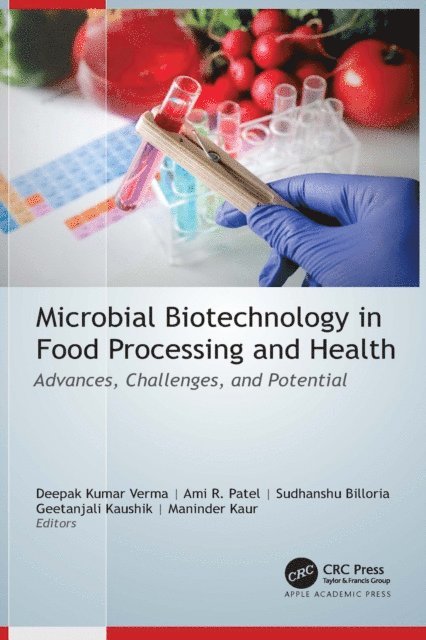
This new volume considers how the application of microbial biotechnology in food processing provides nutritional health benefits in foods, focusing on new probiotics and prebiotic-based foods. It provides an informative state-of-the art perspective of the food industry on probiotics and their metabolites, assesses the specific potential health benefits of probiotics in foods, and presents new research and advances on industrial aspects of microbial food technologies. The first section discusses the types and roles of beneficial microbes and/or their metabolites in food products, such as in enhancing food safety by decontaminating or neutralizing toxic components like mycotoxins associated with foods. Section 2 elaborates on recent breakthroughs in the development of novel probiotics incorporated in dairy and non-dairy food products (such as fruits and vegetables), challenges associated with commercialization, and their health benefits. The third section delves into emerging technologies that deal with assessing microbial diversities or management of microbiological hazards in food products.
2 255 kr
Läs direkt efter köp
This new volume considers how the application of microbial biotechnology in food processing provides nutritional health benefits in foods, focusing on new probiotics and prebiotic-based foods. It provides an informative state-of-the art perspective of the food industry on probiotics and their metabolites, assesses the specific potential health benefits of probiotics in foods, and presents new research and advances on industrial aspects of microbial food technologies. The first section discusses the types and roles of beneficial microbes and/or their metabolites in food products, such as in enhancing food safety by decontaminating or neutralizing toxic components like mycotoxins associated with foods. Section 2 elaborates on recent breakthroughs in the development of novel probiotics incorporated in dairy and non-dairy food products (such as fruits and vegetables), challenges associated with commercialization, and their health benefits. The third section delves into emerging technologies that deal with assessing microbial diversities or management of microbiological hazards in food products.
1 119 kr
Läs direkt efter köp
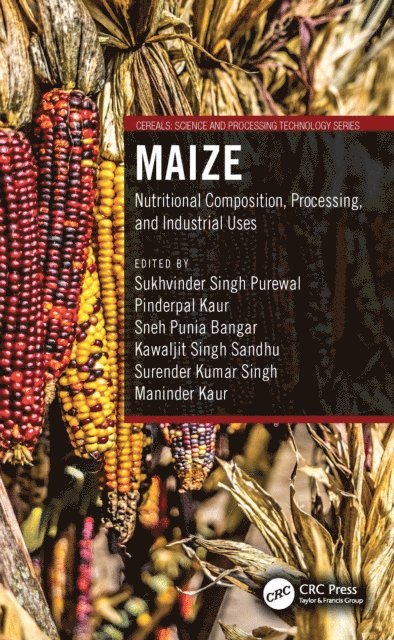
Maize is widely cultivated throughout the world due to its high-yield potential. The economic and nutritional value of maize grains is associated with its starch content, protein, fibre, bioactive compounds, and minerals. Maize is used worldwide in the preparation of health-benefiting, antioxidant-rich, fortified products and dietary supplements.
Maize: Nutritional Composition, Processing, and Industrial Uses explores the status of maize in terms of its production, nutritional composition, biofortification, processing methods, health benefits, maize-based products and storage. This book also emphasizes the key features of maize grains which make it an ideal crop for industrial use. It covers all aspects of recent research about the maize and provides updated information.
Features:
Discusses information related to chemistry of maize components Highlights comprehensive information on the physical and milling properties of maize Explains the structure, functional, and antioxidant properties of maize flour Provides the latest scientific development in the modification of maize starch Explores various maize-based food products and their storage Examines maize protein, scenarios, and quality improvement through bio-fortificationIn-depth information is provided regarding various health-benefiting nutrient components of maize flour, offering meaningful information for product formulation. This book unfolds the potential of maize grains for industrial use.
1 119 kr
Läs direkt efter köp
Maize is widely cultivated throughout the world due to its high-yield potential. The economic and nutritional value of maize grains is associated with its starch content, protein, fibre, bioactive compounds, and minerals. Maize is used worldwide in the preparation of health-benefiting, antioxidant-rich, fortified products and dietary supplements.
Maize: Nutritional Composition, Processing, and Industrial Uses explores the status of maize in terms of its production, nutritional composition, biofortification, processing methods, health benefits, maize-based products and storage. This book also emphasizes the key features of maize grains which make it an ideal crop for industrial use. It covers all aspects of recent research about the maize and provides updated information.
Features:
Discusses information related to chemistry of maize components Highlights comprehensive information on the physical and milling properties of maize Explains the structure, functional, and antioxidant properties of maize flour Provides the latest scientific development in the modification of maize starch Explores various maize-based food products and their storage Examines maize protein, scenarios, and quality improvement through bio-fortificationIn-depth information is provided regarding various health-benefiting nutrient components of maize flour, offering meaningful information for product formulation. This book unfolds the potential of maize grains for industrial use.
2 618 kr
Skickas inom 10-15 vardagar
955 kr
Skickas inom 10-15 vardagar
1 930 kr
Skickas inom 10-15 vardagar
756 kr
Skickas inom 5-8 vardagar
756 kr
Skickas inom 5-8 vardagar
756 kr
Skickas inom 5-8 vardagar
756 kr
Skickas inom 5-8 vardagar
756 kr
Skickas inom 5-8 vardagar