Surya Parekh - Böcker
Visar alla böcker från författaren Surya Parekh. Handla med fri frakt och snabb leverans.
4 produkter
4 produkter
1 057 kr
Skickas inom 7-10 vardagar
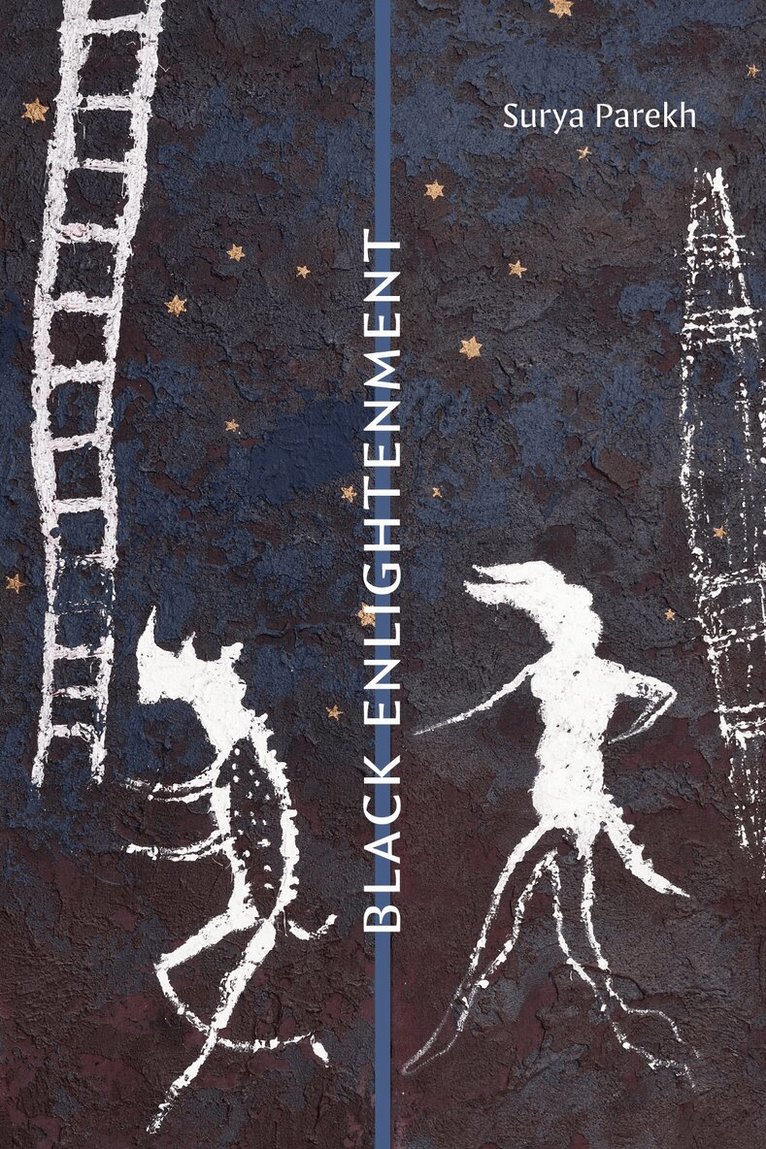
In Black Enlightenment Surya Parekh reimagines the Enlightenment from the position of the Black subject. Parekh examines the works of such Black writers as the free Jamaican Francis Williams (1697–1762), Afro-British thinker Ignatius Sancho (1729?–1780), and Afro-American poet Phillis Wheatley (1753?–1784), placing them alongside those of their white European contemporaries David Hume (1711-1776) and Immanuel Kant (1724-1804). By rethinking the Enlightenment and its canons, Parekh complicates common understandings of the Enlightenment wherein Black subjects could exist only in negation to white subjects. Black Enlightenment points to the anxiety of race in Hume, Kant, and others while showing the importance of Black Enlightenment thought. Parekh prompts us to consider the timeliness of reading Black Enlightenment authors who become “free” in a society hostile to that freedom.
269 kr
Skickas inom 7-10 vardagar
In Black Enlightenment Surya Parekh reimagines the Enlightenment from the position of the Black subject. Parekh examines the works of such Black writers as the free Jamaican Francis Williams (1697–1762), Afro-British thinker Ignatius Sancho (1729?–1780), and Afro-American poet Phillis Wheatley (1753?–1784), placing them alongside those of their white European contemporaries David Hume (1711-1776) and Immanuel Kant (1724-1804). By rethinking the Enlightenment and its canons, Parekh complicates common understandings of the Enlightenment wherein Black subjects could exist only in negation to white subjects. Black Enlightenment points to the anxiety of race in Hume, Kant, and others while showing the importance of Black Enlightenment thought. Parekh prompts us to consider the timeliness of reading Black Enlightenment authors who become “free” in a society hostile to that freedom.
264 kr
Skickas inom 7-10 vardagar
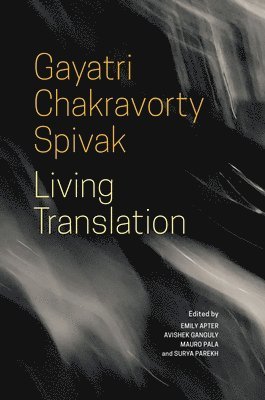
A collection that brings together Spivak’s wide-ranging writings on translation for the first time.Living Translation offers a powerful perspective on the work of distinguished thinker and writer Gayatri Chakravorty Spivak, revealing how, throughout her long career, she has made translation a central concern of the comparative humanities.Starting with her landmark “Translator’s Preface” to Jacques Derrida’s Of Grammatology in 1976, and continuing with her foreword to Mahasweta Devi’s Draupadi and afterword to Devi’s Chotti MundaandHis Arrow, Spivak has tackled questions of translatability. She has been interested in interrogating the act of translation from the ground up and at the political limit. She sees at play at border checkpoints, at sites of colonial pedagogy, in acts of resistance to monolingual regimes of national language, at the borders of minor literature and schizo-analysis, in the deficits of cultural debt and linguistic expropriation, and, more generally, at theory’s edge, which is to say, where practical criticism yields to theorizing in untranslatables. This volume also addresses how Spivak’s institution-building as director of comparative literature at the University of Iowa—and in her subsequent places of employment—began at the same time. From this perspective, Spivak takes her place within a distinguished line-up of translator-theorists who have been particularly attuned to the processes of cognizing in languages, all of them alive to the coproductivity of thinking, translating, writing.
297 kr
Kommande
A bold, transnational interpretation of Ritwik Ghatak’s cinema that invites readers to encounter his films as meditations on history, migration, and collective survival.The cinema of Ritwik Ghatak (1925–76) continues to resonate across borders and generations. His films—largely shaped by the 1947 Partition of Bengal and the experience of displacement—probe the fractured human condition through bold formal experimentation, unforgettable soundscapes, and a profound sense of myth and memory. Though his body of work was modest in size, Ghatak’s influence has steadily expanded, securing his place as a major figure in world cinema. This distinctive volume, which marks the centenary of this visionary filmmaker, gathers essays by important scholars and thinkers from around the world.Moving beyond conventional film criticism and area studies, the collection stages new, transnational encounters with Ghatak’s films—approaching them as world texts, as sonic and visual experiments, and as meditations on migration, collectivity, and social existence.