Susan Greaney – författare
Visar alla böcker från författaren Susan Greaney. Handla med fri frakt och snabb leverans.
3 produkter
3 produkter
550 kr
Tillfälligt slut
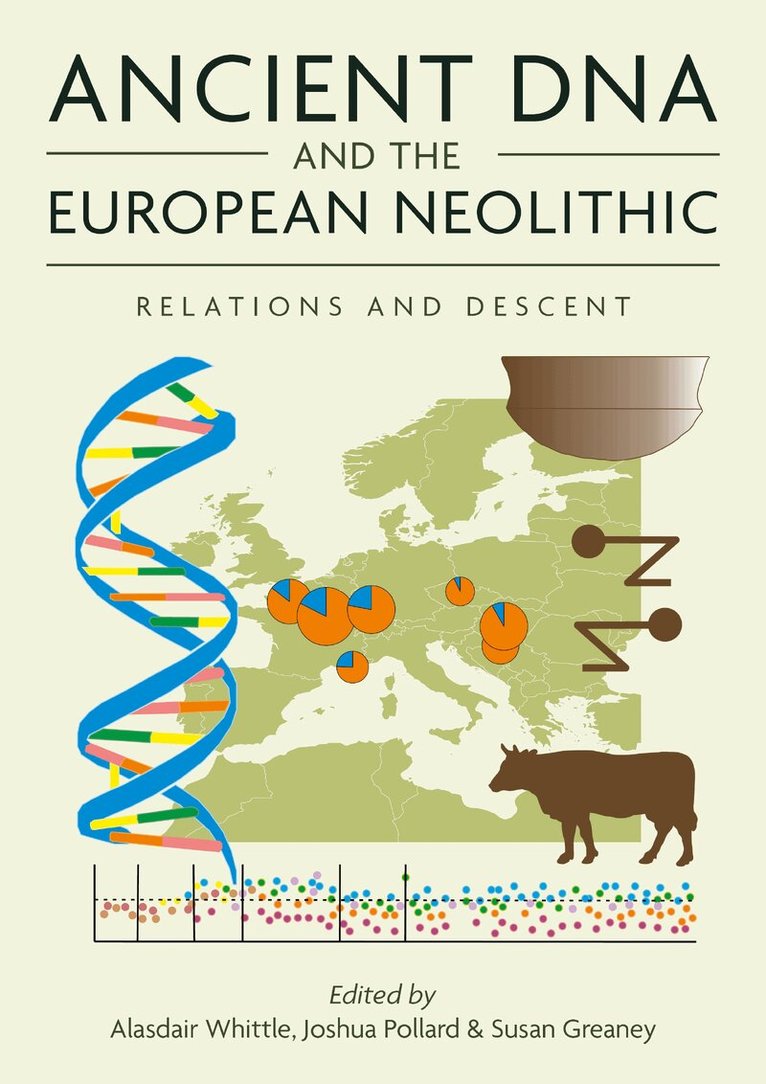
The current paradigm-changing ancient DNA revolution is offering unparalleled insights into central problems within archaeology relating to the movement of populations and individuals, patterns of descent, relationships and aspects of identity – at many scales and of many different kinds. The impact of recent ancient DNA results can be seen particularly clearly in studies of the European Neolithic, the subject of contributions presented in this volume. We now have new evidence for the movement and mixture of people at the start of the Neolithic, as farming spread from the east, and at its end, when the first metals as well as novel styles of pottery and burial practices arrived in the Chalcolithic. In addition, there has been a wealth of new data to inform complex questions of identities and relationships. The terms of archaeological debate for this period have been permanently altered, leaving us with many issues.This volume stems from the online day conference of the Neolithic Studies Group held in November 2021, which aimed to bring geneticists and archaeologists together in the same forum, and to enable critical but constructive inter-disciplinary debate about key themes arising from the application of advanced ancient DNA analysis to the study of the European Neolithic. The resulting papers gathered here are by both geneticists and archaeologists. Individually, they form a series of significant, up-to-date, period and regional syntheses of various manifestations of the Neolithic across the Near East and Europe, including particularly Britain and Ireland. Together, they offer wide-ranging reflections on the progress of ancient DNA studies, and on their future reach and character.
306 kr
Kommande
647 kr
Kommande
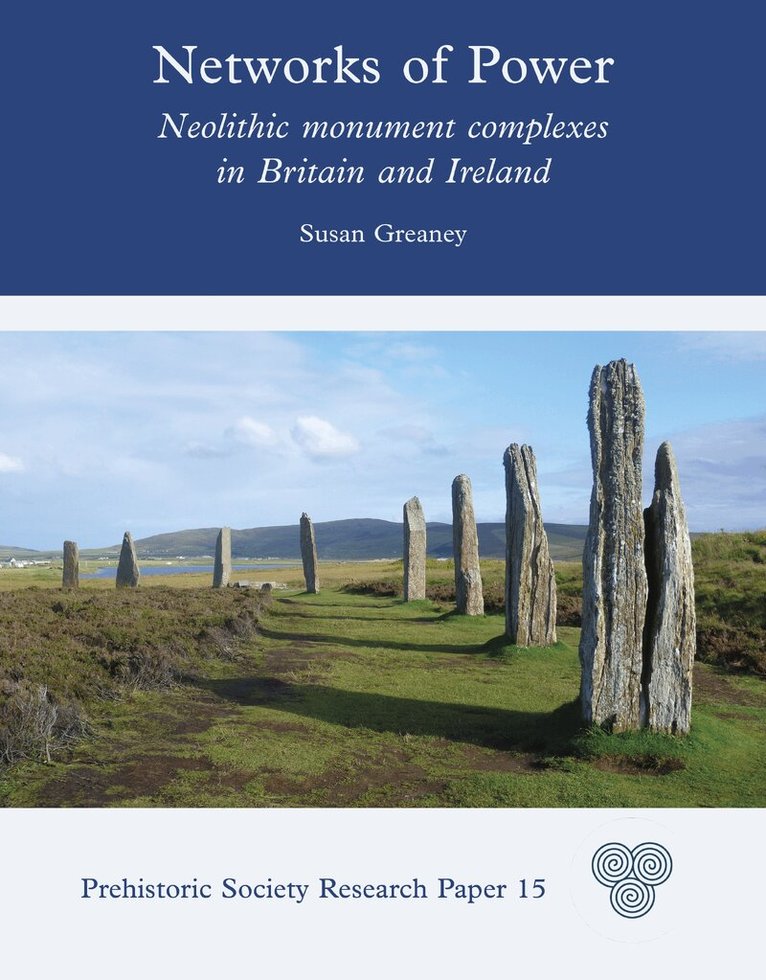
In the Neolithic period across Britain and Ireland a number of unusually dense concentrations of ceremonial monuments emerged and developed. These monument complexes share strikingly similar patterns of activity and common architectural types, and acted as nodal points in networks of shared ideas and circulating objects. This major synthesis examines the phenomena of monument complexes by exploring five key examples, Stenness-Brodgar in Orkney, Brú na Bóinne in Co. Meath, Ireland, Avebury and Stonehenge, both in Wiltshire, and Dorchester in Dorset. Why did complexes emerge in these locations? What was the trajectory of monument construction and other forms of activity? How do the chronologies and spatial organisation of these complexes compare? Monuments built of earth, timber and stone provide important evidence for social organisation in the Neolithic period. The immense labour and co-operative demands of such projects have been viewed as evidence for the presence of powerful elites and hierarchies. However, direct evidence for social stratification is sparse, either from burials or settlements. This volume adopts a new approach to power, inspired by relational, new materialist and assemblage thinking, to explore how unequal power relations between people were mediated through non-human places and things at monument complexes. In a thematic structure exploring the underworld, surface world and upper world, including topography, geology, watercourses and celestial bodies, are explored. Relations of time are then examined, including the presentation of a detailed narrative for the Dorchester complex, based on new radiocarbon dating. Monument complexes emerge as places where people collaborated and negotiated with each other, through engagement with non-human places and times.