Tahir Kamran – författare
Visar alla böcker från författaren Tahir Kamran. Handla med fri frakt och snabb leverans.
6 produkter
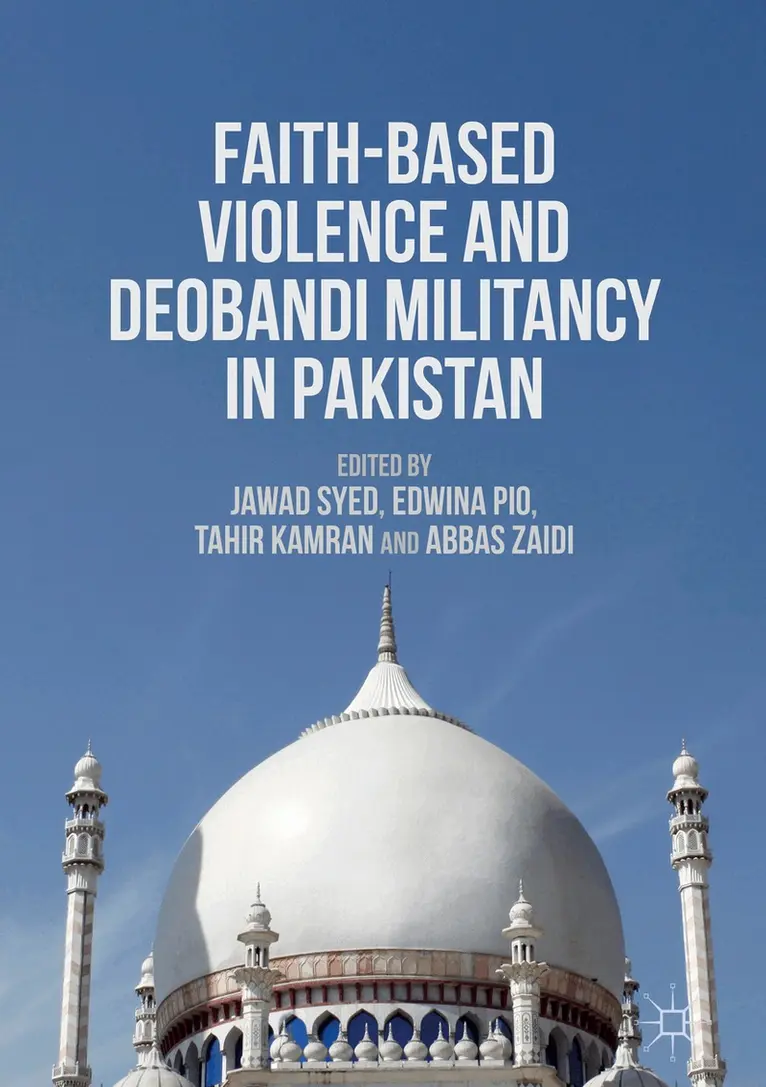
Faith-Based Violence and Deobandi Militancy in Pakistan
Av Jawad Syed, Edwina Pio m. fl.
Inbunden, 2016
1641 kr
Lägg i varukorg
This book documents and highlights the Deobandi dimension of extremism and its implications for faith-based violence and terrorism. This dimension of radical Islam remains largely ignored or misunderstood in mainstream media and academic scholarship. The book addresses this gap. It also covers the …
Faith-Based Violence and Deobandi Militancy in Pakistan
Av Abbas Zaidi, Tahir Kamran m. fl.
E-bok, 2016
2243 kr
Lägg i varukorg
This book documents and highlights the Deobandi dimension of extremism and its implications for faith-based violence and terrorism. This dimension of radical Islam remains largely ignored or misunderstood in mainstream media and academic scholarship. The book addresses this gap. It also covers the …
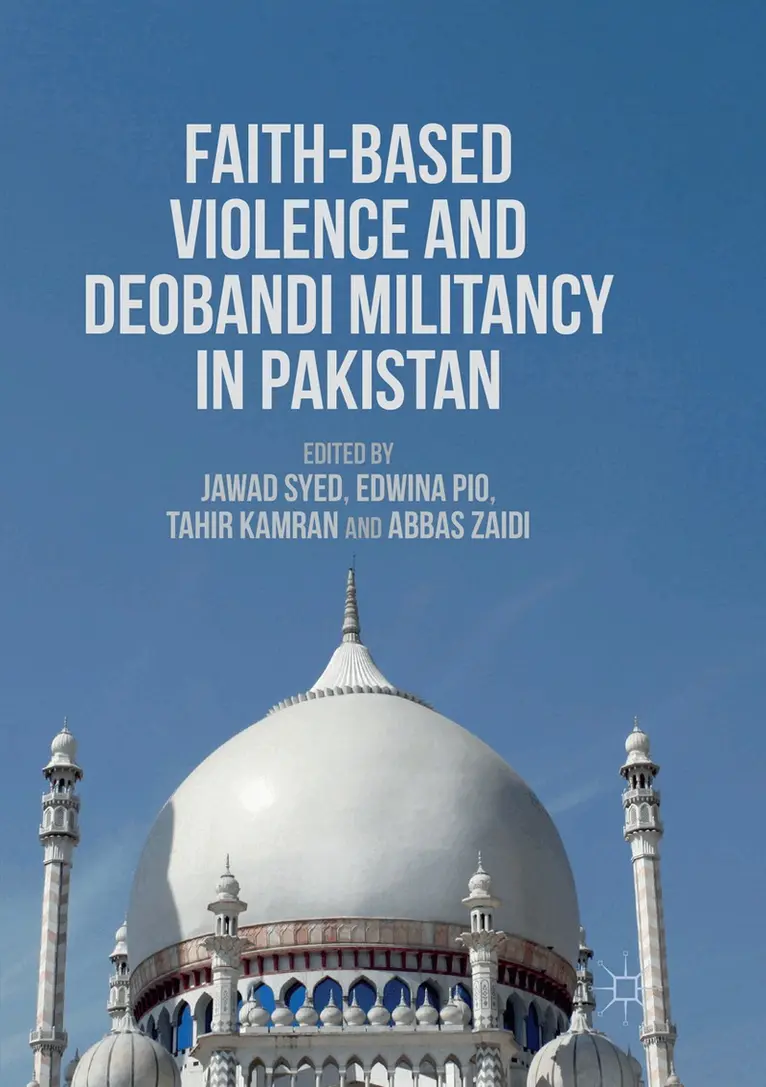
Faith-Based Violence and Deobandi Militancy in Pakistan
Av Jawad Syed, Edwina Pio m. fl.
Häftad, 2018
1641 kr
Lägg i varukorg
This book documents and highlights the Deobandi dimension of extremism and its implications for faith-based violence and terrorism. This dimension of radical Islam remains largely ignored or misunderstood in mainstream media and academic scholarship. The book addresses this gap. It also covers the …
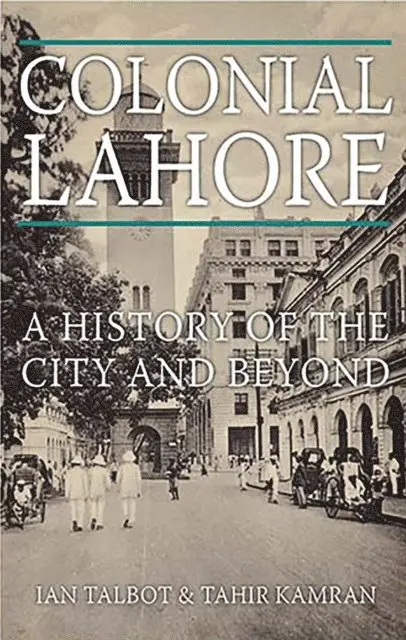
Colonial Lahore
A History of the City and Beyond
E-bok, 2022
303 kr
Lägg i varukorg
A number of studies of colonial Lahore in recent years have explored such themes as the city’s modernity, its cosmopolitanism and the rise of communalism which culminated in the bloodletting of 1947. This first synoptic history moves away from the prism of the Great Divide of 1947 to examine the …
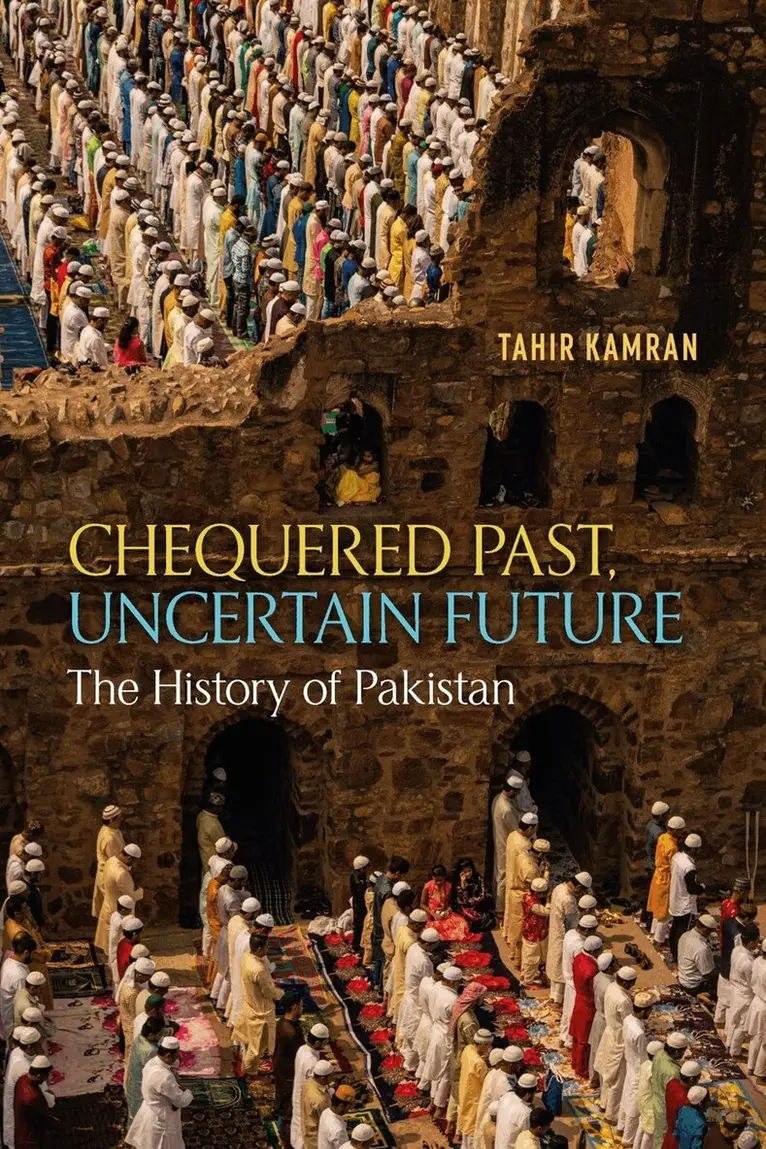
Chequered Past, Uncertain Future
The History of Pakistan
Av Tahir Kamran
Inbunden, 2024
334 kr
Lägg i varukorg
A sweeping journey through the ebbs and flows of Pakistan’s history, from the ancient Indus Valley Civilization to contemporary times, this book not only uncovers the influences from Turkey, Persia, Arabia and Britain that have shaped this South Asian nation, but showcases the region’s diverse, …
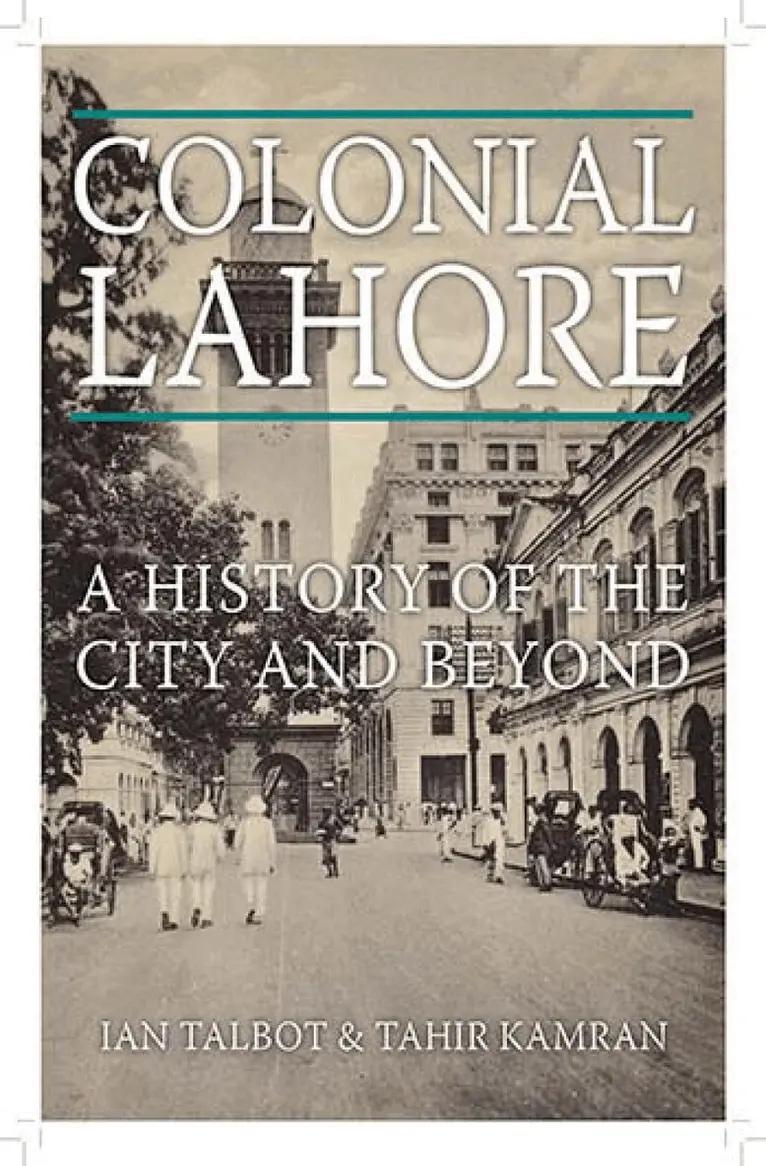
Colonial Lahore
A History of the City and Beyond
Inbunden, 2017
416 kr
Lägg i varukorg
A number of studies of colonial Lahore in recent years have explored such themes as the city's modernity, its cosmopolitanism and the rise of communalism which culminated in the bloodletting of 1947. This first synoptic history moves away from the prism of the Great Divide of 1947 to examine the …