Tendayi Sithole – författare
Visar alla böcker från författaren Tendayi Sithole. Handla med fri frakt och snabb leverans.
27 produkter
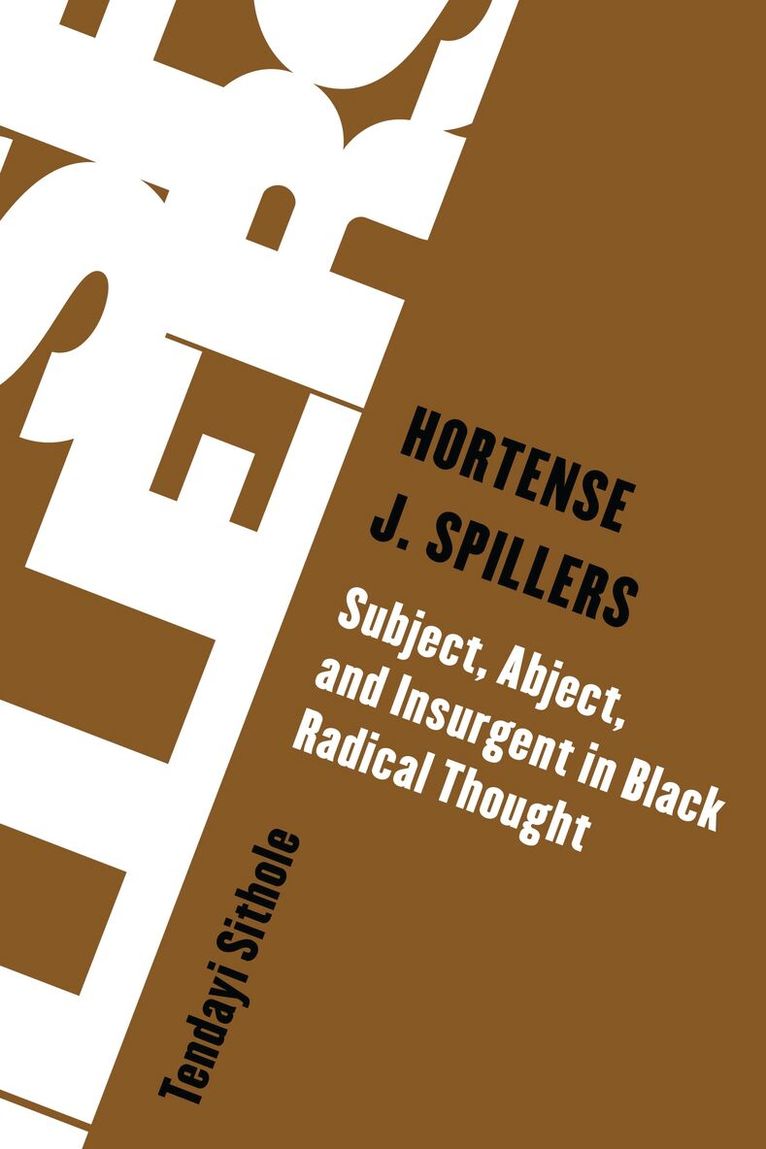
Hortense J. Spillers
Subject, Abject, and Insurgent in Black Radical Thought
Inbunden, 2024
1038 kr
Lägg i varukorg
This book aims to show, in unique ways, in keeping with Spillers’s innovative thinking, how not to treat subject, abject, and insurgent in a typological fashion, or teleology, but to account for ways in which, in their distinctive forms, also related to one another as they confront and combat …
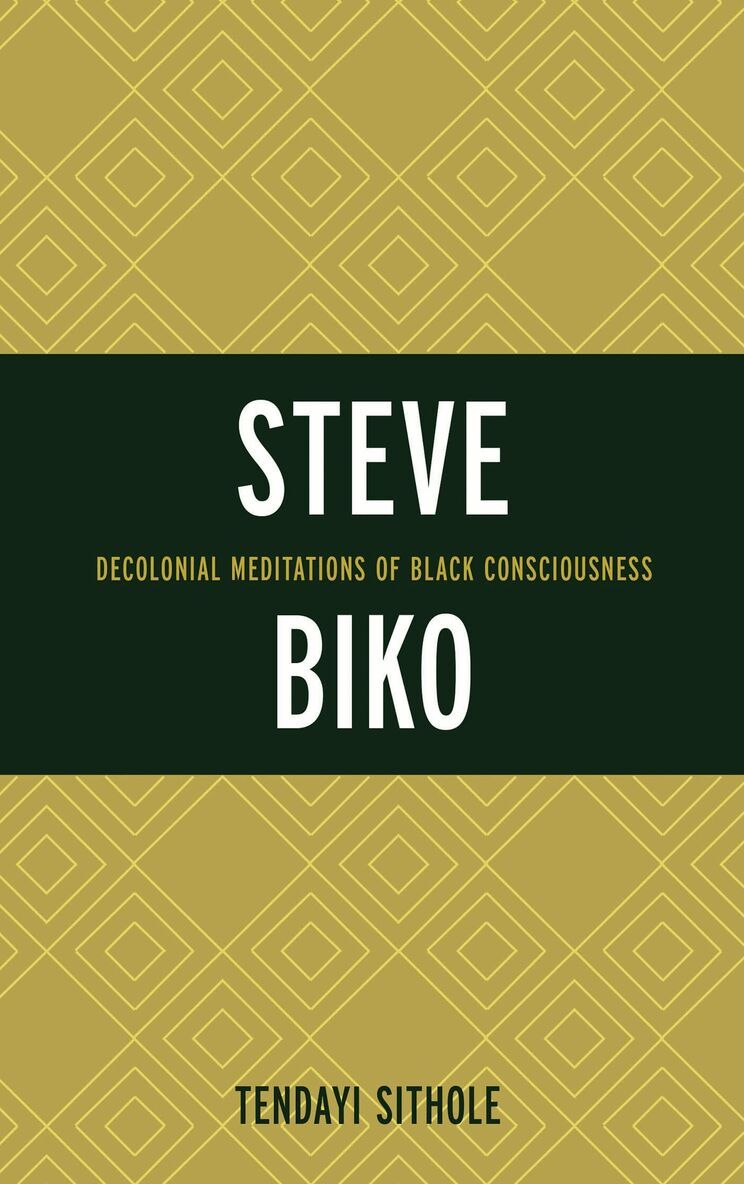
Steve Biko
Decolonial Meditations of Black Consciousness
Inbunden, 2016
1283 kr
Lägg i varukorg
Moving away from the domain of commemorative, iconicity, monumentalization, and memorialization, Sithole uses Steve Biko's meditations as a discursive intervention to understand black subjectivity. The epistemological shift of this book is not to be bogged down by the cataloging of events, …
Steve Biko
Decolonial Meditations of Black Consciousness
Häftad, 2017
1000 kr
Lägg i varukorg
Moving away from the domain of commemorative, iconicity, monumentalization, and memorialization, Sithole uses Steve Biko's meditations as a discursive intervention to understand black subjectivity. The epistemological shift of this book is not to be bogged down by the cataloging of events, …
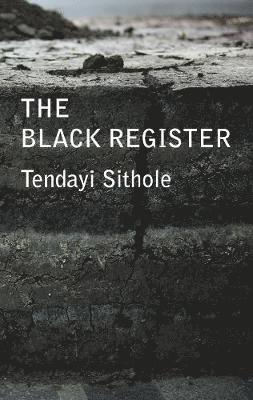
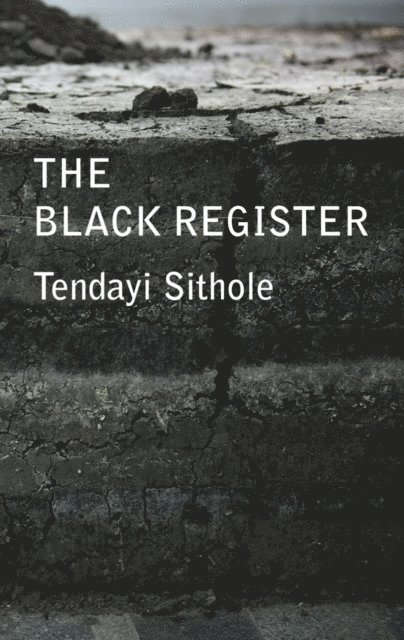
Black Register
Inbunden, 2020
860 kr
Lägg i varukorg
How can thinkers grapple with the question of the human when they have been dehumanized? How can black thinkers confront and make sense of a world structured by antiblackness, a world that militates against the very existence of blacks? These are the questions that guide Tendayi Sithole’s brilliant …
Black Register
Häftad, 2020
298 kr
Lägg i varukorg
How can thinkers grapple with the question of the human when they have been dehumanized? How can black thinkers confront and make sense of a world structured by antiblackness, a world that militates against the very existence of blacks? These are the questions that guide Tendayi Sithole’s brilliant …
Black Register
E-bok, 2020
330 kr
Lägg i varukorg
How can thinkers grapple with the question of the human when they have been dehumanized? How can black thinkers confront and make sense of a world structured by antiblackness, a world that militates against the very existence of blacks? These are the questions that guide Tendayi Sithole’s brilliant …
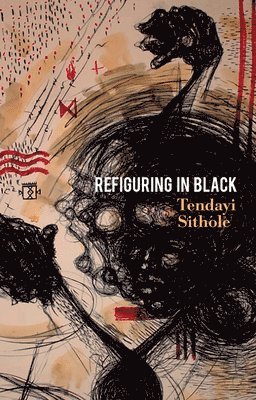
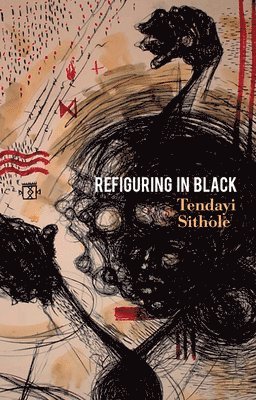
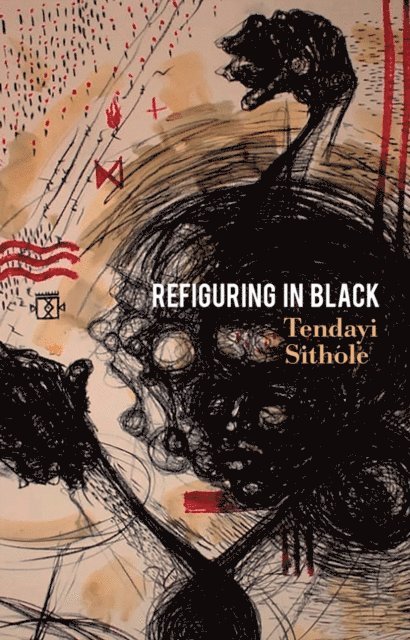
Refiguring in Black
Inbunden, 2023
799 kr
Lägg i varukorg
Refiguring in Black is a meditation on black life, and a meditation on the questions and concerns with which black life is confronted. It takes the form of a critical engagement with the thought of Frederick Douglass, Toni Morrison, Hortense Spillers, and Charles Mingus – key figures in the black …
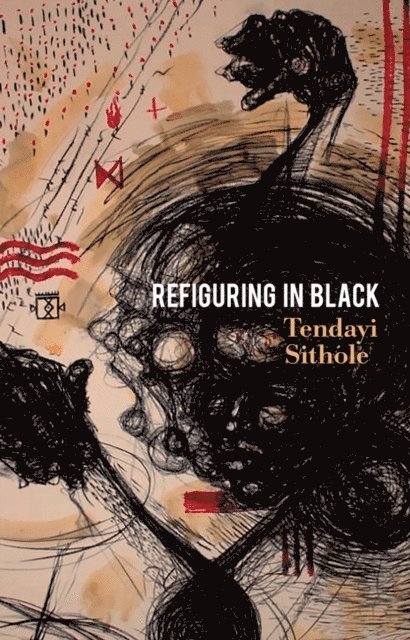
Refiguring in Black
Häftad, 2023
266 kr
Lägg i varukorg
Refiguring in Black is a meditation on black life, and a meditation on the questions and concerns with which black life is confronted. It takes the form of a critical engagement with the thought of Frederick Douglass, Toni Morrison, Hortense Spillers, and Charles Mingus – key figures in the black …
Refiguring in Black
E-bok, 2023
300 kr
Lägg i varukorg
Refiguring in Black is a meditation on black life, and a meditation on the questions and concerns with which black life is confronted. It takes the form of a critical engagement with the thought of Frederick Douglass, Toni Morrison, Hortense Spillers, and Charles Mingus – key figures in the black …
Refiguring in Black
E-bok, 2023
937 kr
Lägg i varukorg
Refiguring in Black is a meditation on black life, and a meditation on the questions and concerns with which black life is confronted. It takes the form of a critical engagement with the thought of Frederick Douglass, Toni Morrison, Hortense Spillers, and Charles Mingus – key figures in the black …
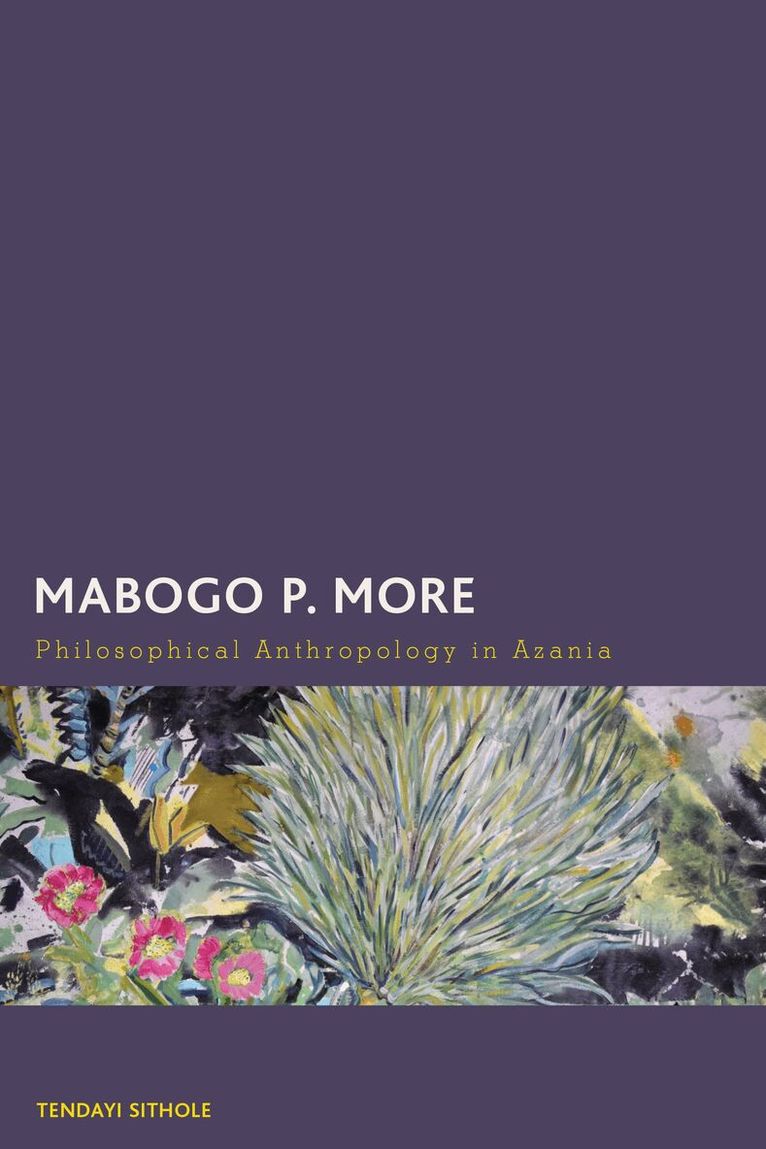
Mabogo P. More
Philosophical Anthropology in Azania
Inbunden, 2022
1348 kr
Lägg i varukorg
Mabogo P. More: Philosophical Anthropology is the first book to provide an extensive treatment of More’s Africana existential thought. This book locates him, as it is clear in his body of work, in the Azanian (Black and Indigenous) existential tradition. As a philosopher, he is engaged from the …
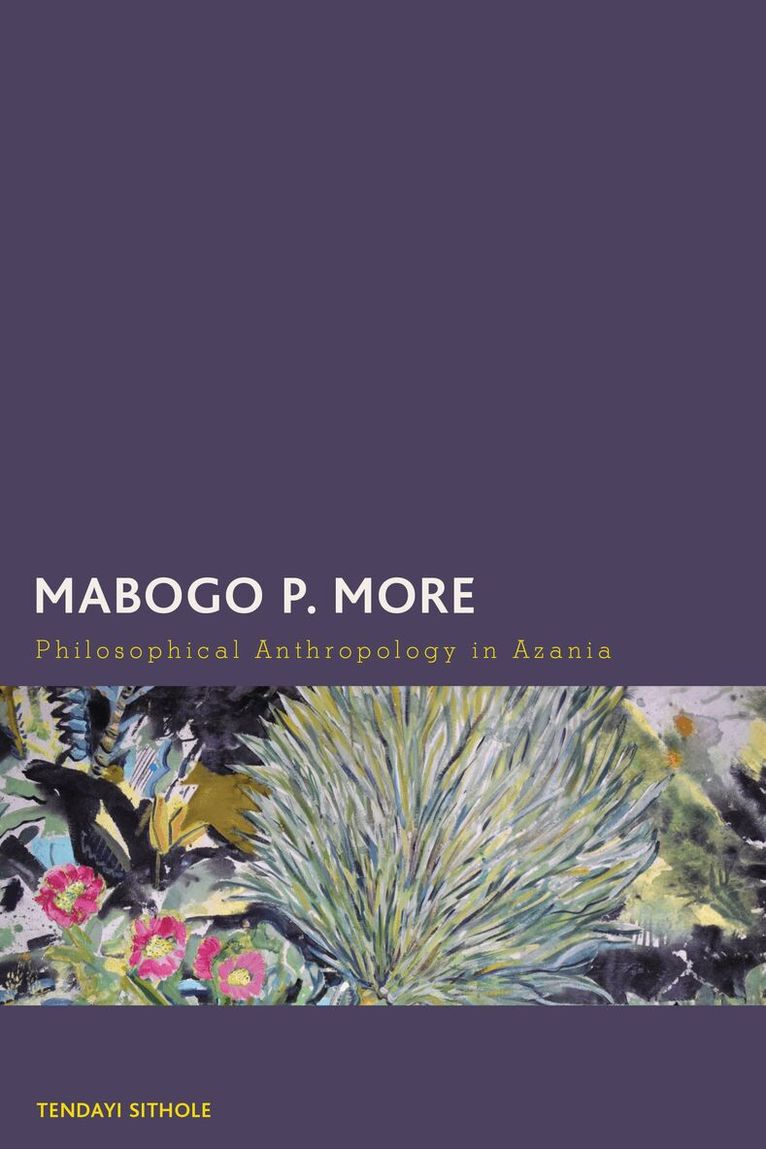
Mabogo P. More
Philosophical Anthropology in Azania
Häftad, 2024
459 kr
Lägg i varukorg
Mabogo P. More: Philosophical Anthropology is the first book to provide an extensive treatment of More’s Africana existential thought. This book locates him, as it is clear in his body of work, in the Azanian (Black and Indigenous) existential tradition. As a philosopher, he is engaged from the …
Hortense J. Spillers
Subject, Abject, and Insurgent in Black Radical Thought
E-bok, 2024
1113 kr
Lägg i varukorg
This book aims to show, in unique ways, in keeping with Spillers’s innovative thinking, how not to treat subject, abject, and insurgent in a typological fashion, or teleology, but to account for ways in which, in their distinctive forms, also related to one another as they confront and combat …
Letter in Black Radical Thought
Inbunden, 2023
1348 kr
Lägg i varukorg
In The Letter in Black Radical Thought, Tendayi Sithole unmasks the logics of dehumanization in the terrain of black radical thought by looking at the letter as the site of examination and political intervention. Through his expansive demonstration and original argument, he analyzes the letters of …
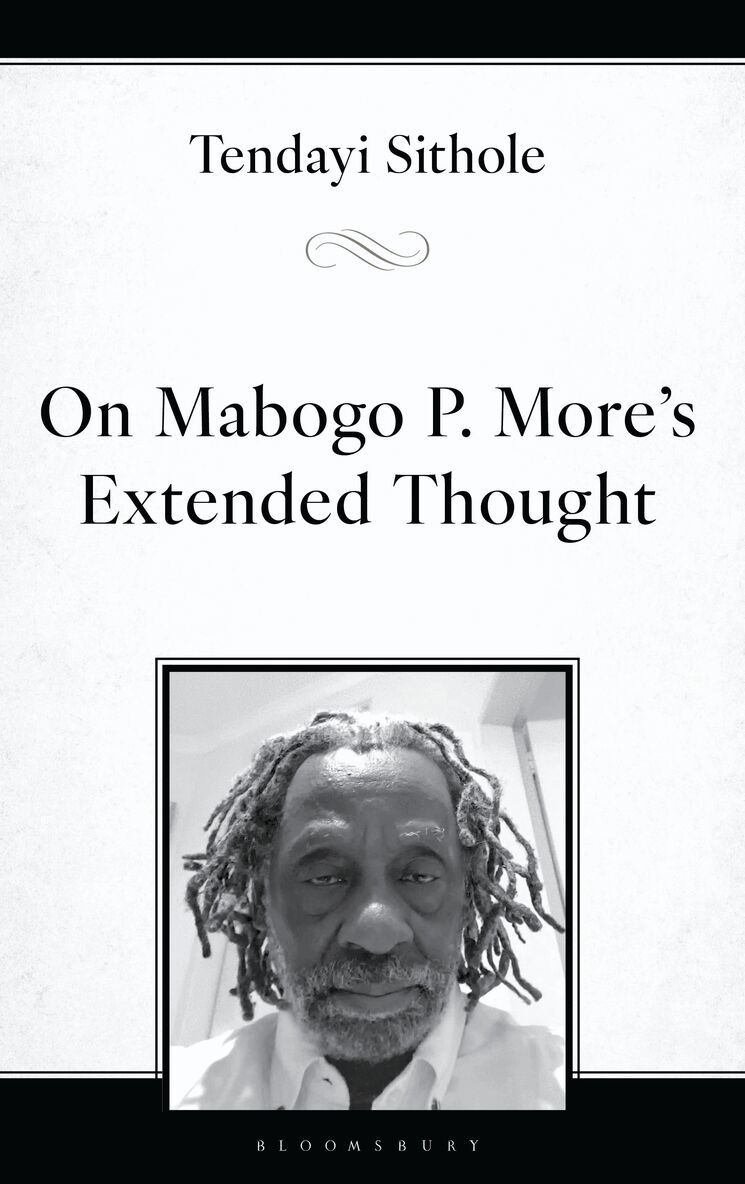
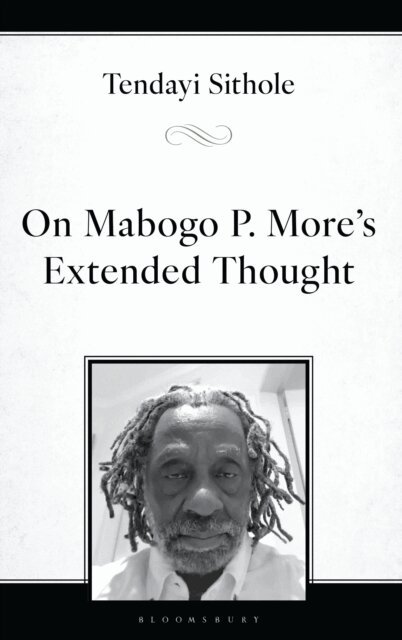
On Mabogo P. More’s Extended Thought
Av Tendayi Sithole, Uchenna B. Okeja
Inbunden, 2026
1137 kr
Lägg i varukorg
Mabogo P. More’s understanding of philosophical anthropology as the project that is concerned about the human question profoundly impacted how he accounted for the very idea of a black point of view. This book investigates how More’s extended thought generatively engages in themes like the name, …
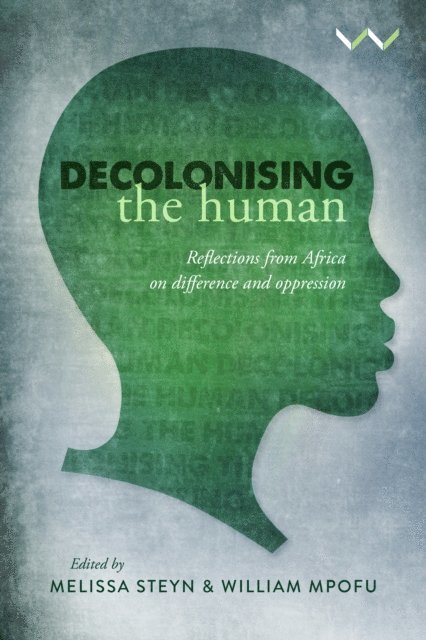
Decolonising the Human
Reflections from Africa on Difference and Oppression
Av Melissa Steyn, William Mpofu m. fl.
Häftad, 2021
385 kr
Lägg i varukorg
Decolonising the Human examines the ongoing project of constituting 'the human' in light of the durability of coloniality and the persistence of multiple oppressionsThe 'human' emerges as a deeply political category, historically constructed as a scarce existential resource. Once weaponised, it …
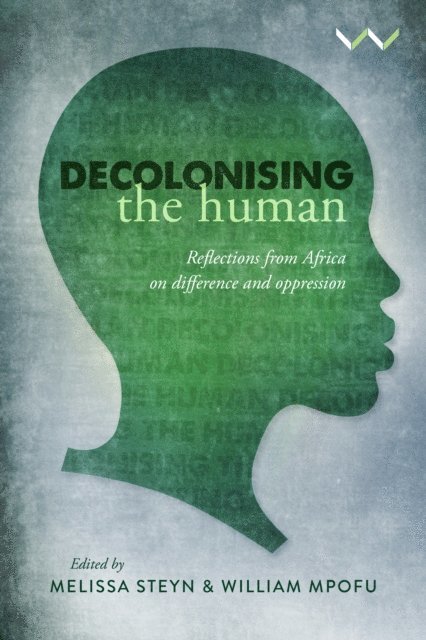
Decolonising the Human
Reflections from Africa on difference and oppression
Av Siphamandla Zondi, Tendayi Sithole m. fl.
E-bok, 2021
398 kr
Lägg i varukorg
Decolonising the Human examines the ongoing project of constituting ‘the human’ in light of the durability of coloniality and the persistence of multiple oppressions. The ‘human’ emerges as a deeply political category, historically constructed as a scarce existential resource. Once weaponised, it …
Decolonising the Human
Reflections from Africa on difference and oppression
Av Siphamandla Zondi, Tendayi Sithole m. fl.
E-bok, 2021
389 kr
Lägg i varukorg
Decolonising the Human examines the ongoing project of constituting ‘the human’ in light of the durability of coloniality and the persistence of multiple oppressions. The ‘human’ emerges as a deeply political category, historically constructed as a scarce existential resource. Once weaponised, it …
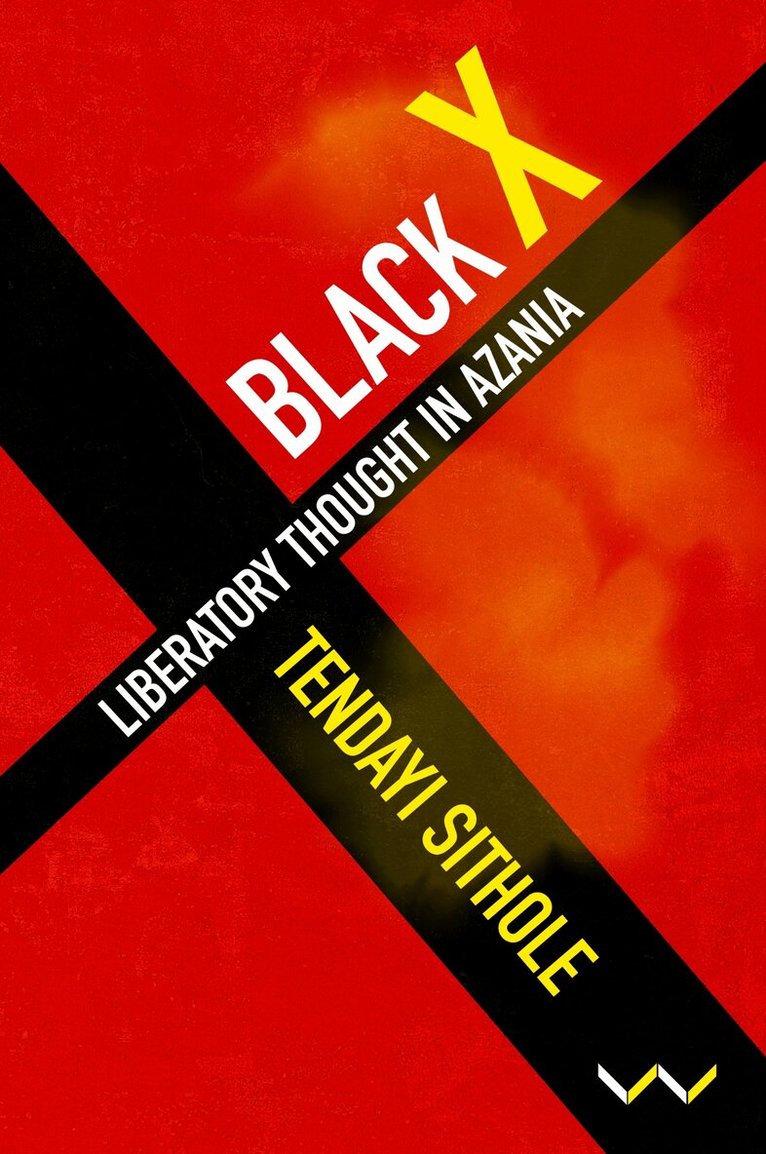
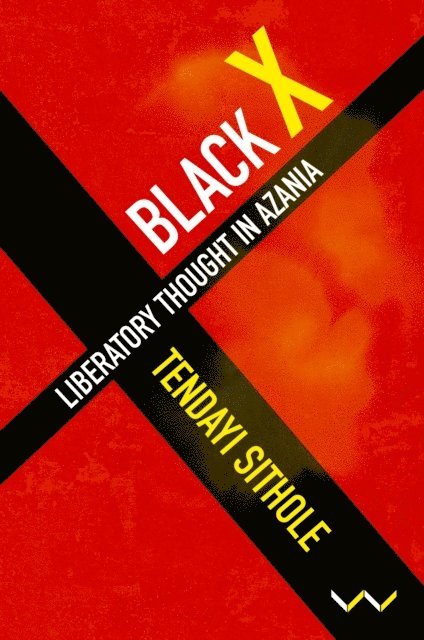
Black X
Liberatory Thought in Azania
Häftad, 2024
445 kr
Lägg i varukorg
What does it mean to be Black in an anti-Black world?In Black X: Liberatory Thought in Azania, Tendayi Sithole offers a compelling example of how to engage South Africa differently. Set in the Black point of view as a site of critical reflection, he confronts the question of colonial conquest, …
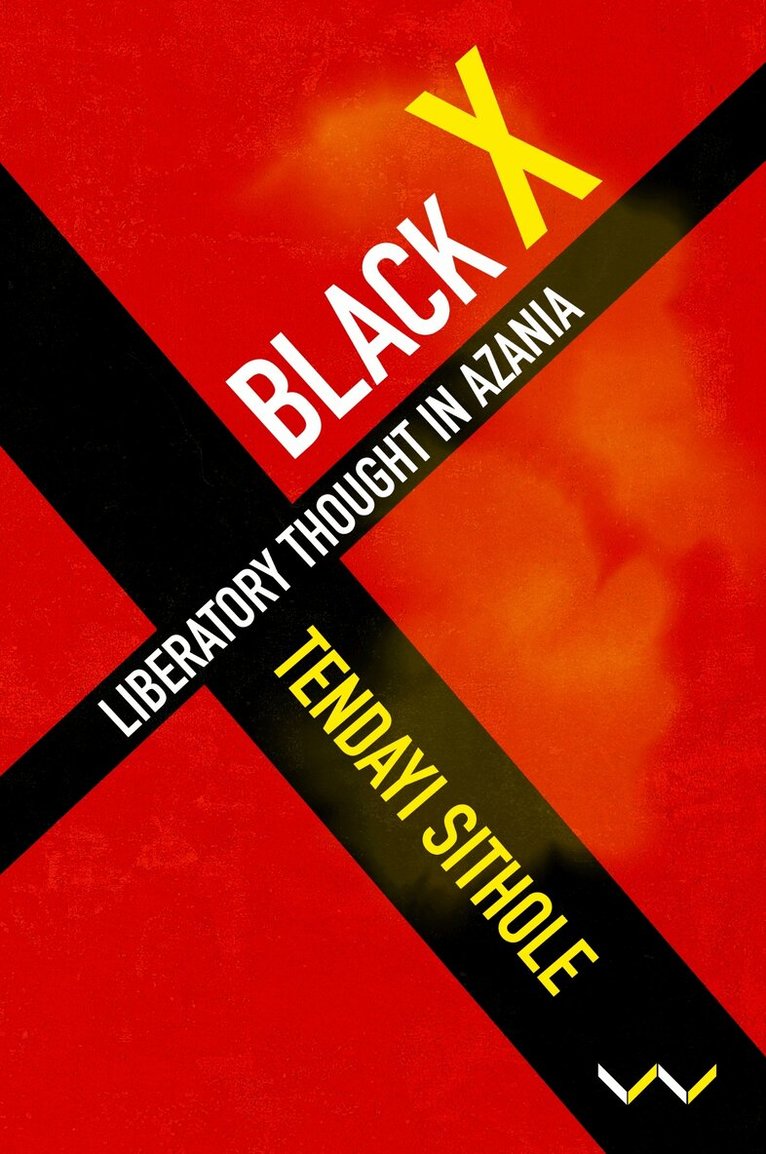
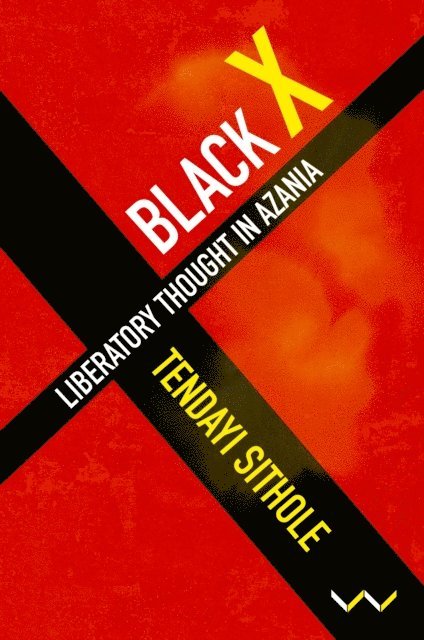
Black X
Liberatory Thought in Azania
Inbunden, 2024
1445 kr
Lägg i varukorg
What does it mean to be Black in an anti-Black world?In Black X: Liberatory Thought in Azania, Tendayi Sithole offers a compelling example of how to engage South Africa differently. Set in the Black point of view as a site of critical reflection, he confronts the question of colonial conquest, …
Black X
Liberatory thought in Azania
E-bok, 2024
245 kr
Lägg i varukorg
In Black X: Liberatory Thought in Azania, Tendayi Sithole elaborates on the problematic signifier X, a marker of the dehumanization of the black subject, and makes an argument for the struggle for Azania as a liberatory project. Azania refers to the land that became South Africa after its conquest …
Black X
Liberatory thought in Azania
E-bok, 2024
245 kr
Lägg i varukorg
In Black X: Liberatory Thought in Azania, Tendayi Sithole elaborates on the problematic signifier X, a marker of the dehumanization of the black subject, and makes an argument for the struggle for Azania as a liberatory project. Azania refers to the land that became South Africa after its conquest …
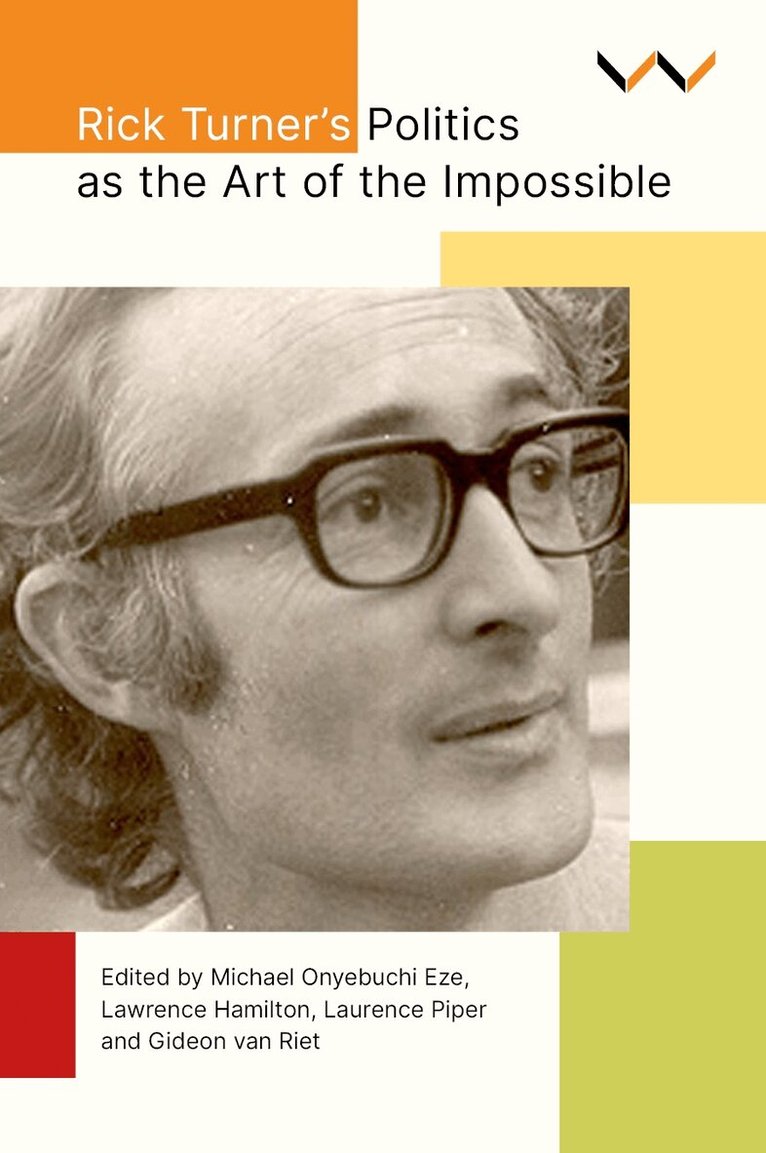
Rick Turner's Politics As the Art of the Impossible
Av Michael Onyebuchi Eze, Lawrence Hamilton m. fl.
Häftad, 2024
385 kr
Lägg i varukorg
Revisits the work of Rick Turner, a South African political theorist, and addresses contemporary debatesRick Turner was a South African academic and anti-apartheid activist who rebelled against the apartheid state at the height of its power. For this he was assassinated in 1978, at just 32 years of …
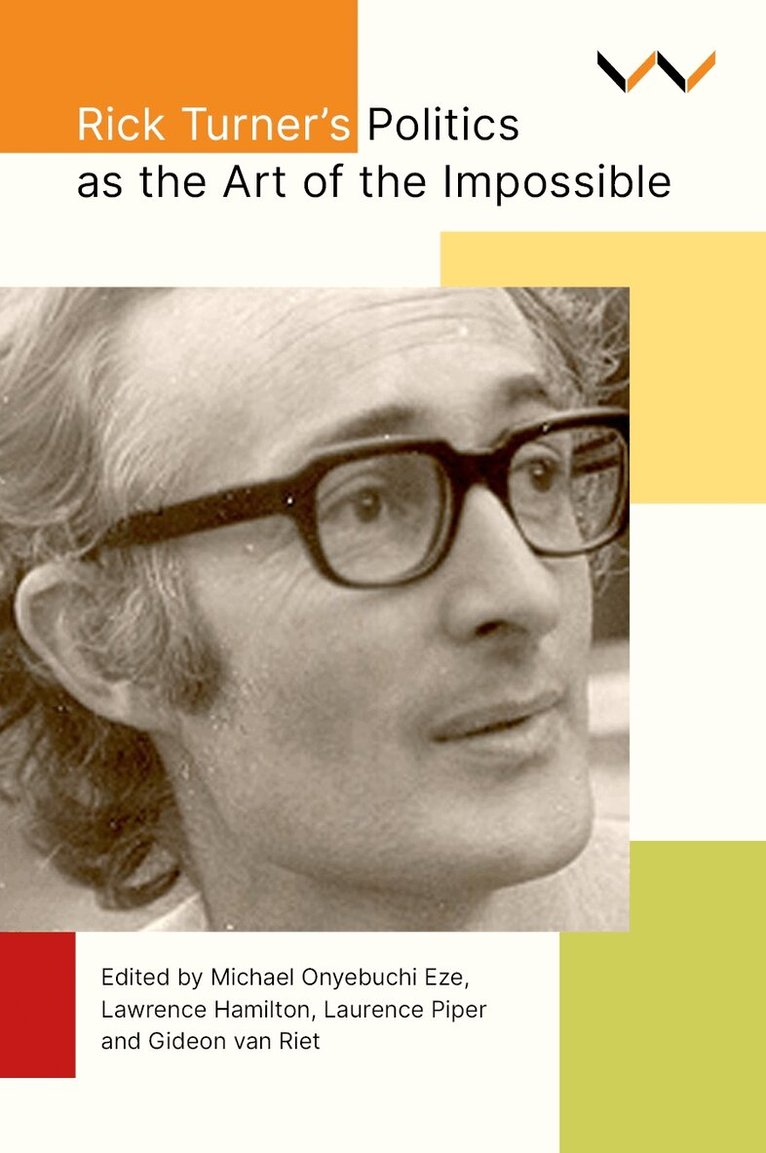
Rick Turner's Politics As the Art of the Impossible
Av Michael Onyebuchi Eze, Lawrence Hamilton m. fl.
Inbunden, 2024
1000 kr
Lägg i varukorg
Revisits the work of Rick Turner, a South African political theorist, and addresses contemporary debatesRick Turner was a South African academic and anti-apartheid activist who rebelled against the apartheid state at the height of its power. For this he was assassinated in 1978, at just 32 years of …
Rick Turner's Politics as the Art of the Impossible
Av Crain Soudien, Tendayi Sithole m. fl.
E-bok, 2024
398 kr
Lägg i varukorg
Rick Turner was a South African academic and activist who rebelled against apartheid at the height of its power and was assassinated in 1978 when he was 32 years old, but his life and work are testimony to the power of philosophical thinking for humans everywhere. Turner chose to live freely in an …
Rick Turner's Politics as the Art of the Impossible
Av Crain Soudien, Tendayi Sithole m. fl.
E-bok, 2024
398 kr
Lägg i varukorg
Rick Turner was a South African academic and activist who rebelled against apartheid at the height of its power and was assassinated in 1978 when he was 32 years old, but his life and work are testimony to the power of philosophical thinking for humans everywhere. Turner chose to live freely in an …
On Mabogo P. More’s Extended Thought
E-bok, 2026
1220 kr
Lägg i varukorg
Mabogo P. More's understanding of philosophical anthropology as the project that is concerned about the human question profoundly impacted how he accounted for the very idea of a black point of view. This book investigates how More's extended thought generatively engages in themes like the name, …