Uchenna B. Okeja - Böcker
Visar alla böcker från författaren Uchenna B. Okeja. Handla med fri frakt och snabb leverans.
3 produkter
3 produkter
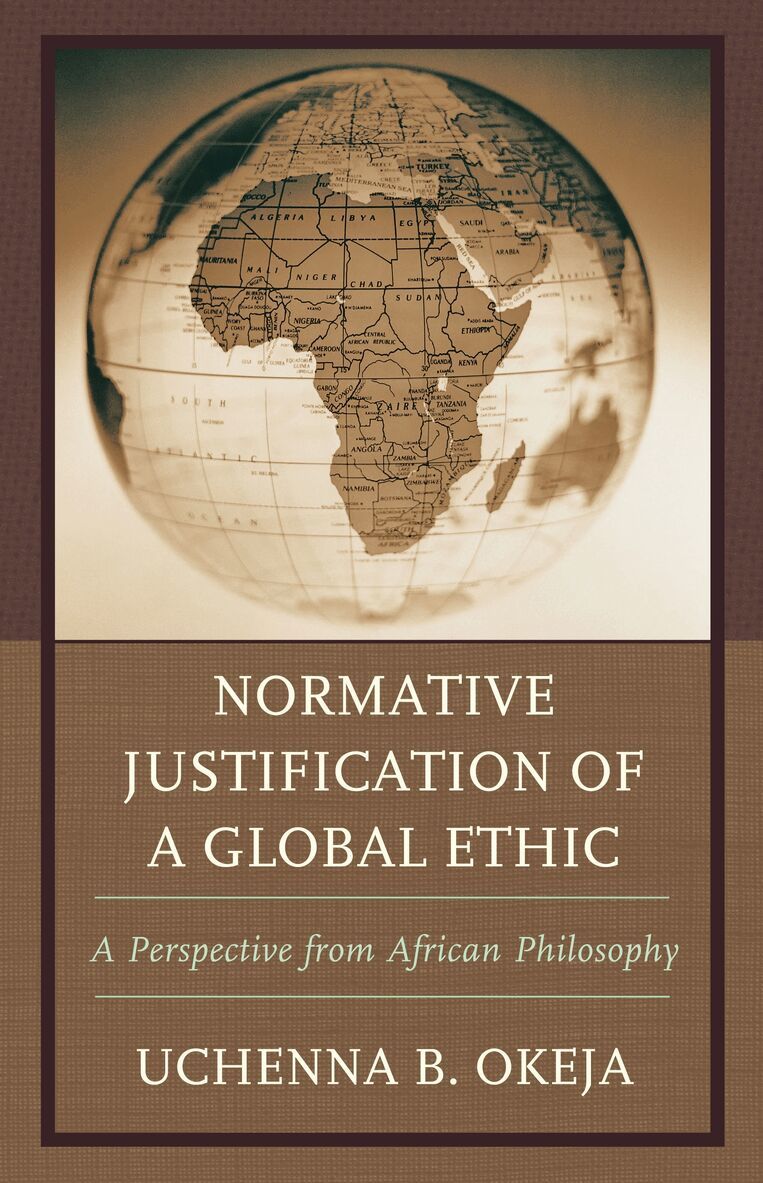
Normative Justification of a Global Ethic
A Perspective from African Philosophy
Inbunden, Engelska, 2012
1 276 kr
Skickas inom 10-15 vardagar
The focus of this book is the normativity of global ethic. Over the years, different cultures and civilizations have been brought closer than never before by globalization. This trend has both its negative and positive dimensions. Overall, the main problem of this present trend of societal organization and human interaction called globalization is a moral issue, namely, the question: how should we treat one another? Okeja's global ethic seeks to answer this question. It underscores that we should treat one another in our current age of globalization in accordance with the Golden Rule principle. The suggestion of this ethic is therefore that we should not treat others the way we would not want to be treated. This sounds simple enough. The problem, however, is that it is not exactly clear what this principle of moral conduct would suggest in both simple and complex moral situations. Most importantly, it is not clear why it is reasonable to treat people the way we would not want to be treated. Why, in other words, should we act in accordance with the Golden Rule principle? What is the justification of the demand the Golden Rule makes on us? This book answers these and other questions about the normative plausibility of the Golden Rule, and thus global ethic, from the comparative perspective of ethics in African philosophy. It analyzes three stages of the possible normative justification of the moral imperative of global ethic and proposes a deliberative form of justification.
1 076 kr
Skickas inom 10-15 vardagar
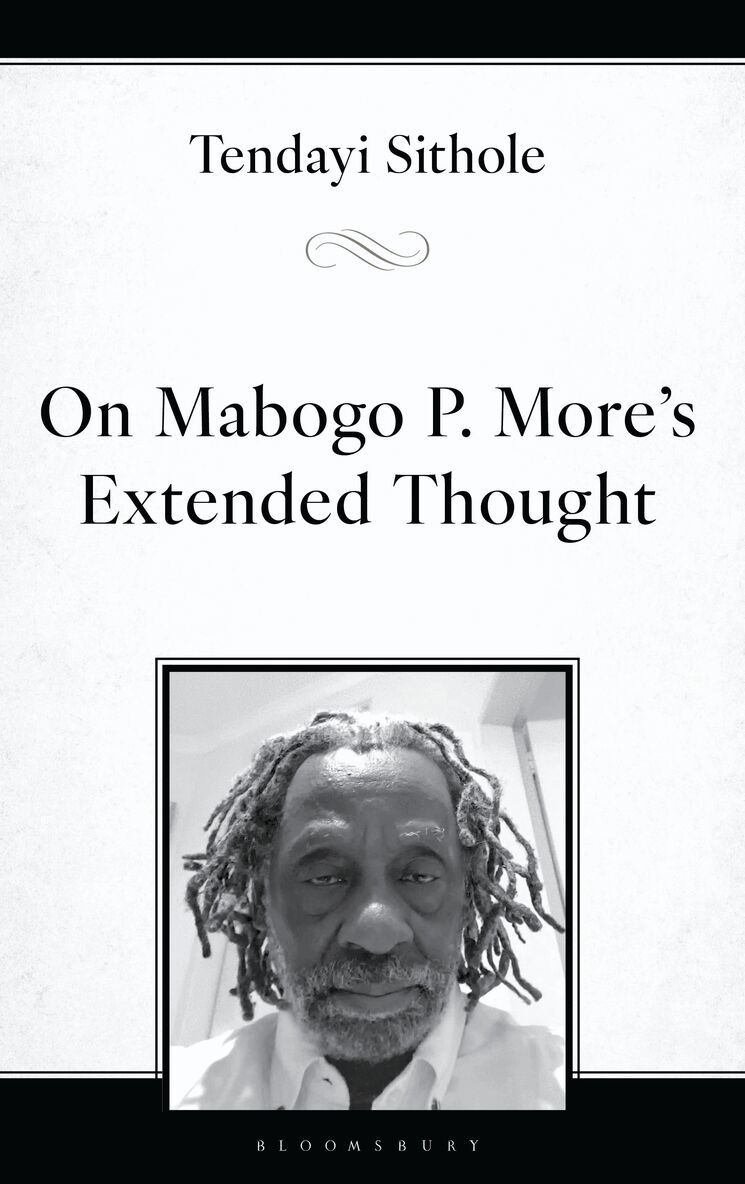
Mabogo P. More’s understanding of philosophical anthropology as the project that is concerned about the human question profoundly impacted how he accounted for the very idea of a black point of view. This book investigates how More’s extended thought generatively engages in themes like the name, principle, antiblackness, blackness, and Azania. With a Black and decolonial intertextuality, it explores ways in which More viewed philosophy not as an abstraction, but as a concrete and material project, one he sought to turn toward calls for justice, for challenging the antiblackness that pervaded post-1994 South Africa, and for a liberated Azania. Demonstrating just how much the South African experience can contribute to the often North-American-centered field of Black studies, the book shows how a politics centered on Black social interests must navigate between the temptations of Marxism and liberalism in order to find its own way towards liberation. At the long arc of the human question, which is at the core of philosophical anthropology, More’s extended thought makes a case for being-black-in-the-world as opposed to being-black-in-an-antiblack-world.
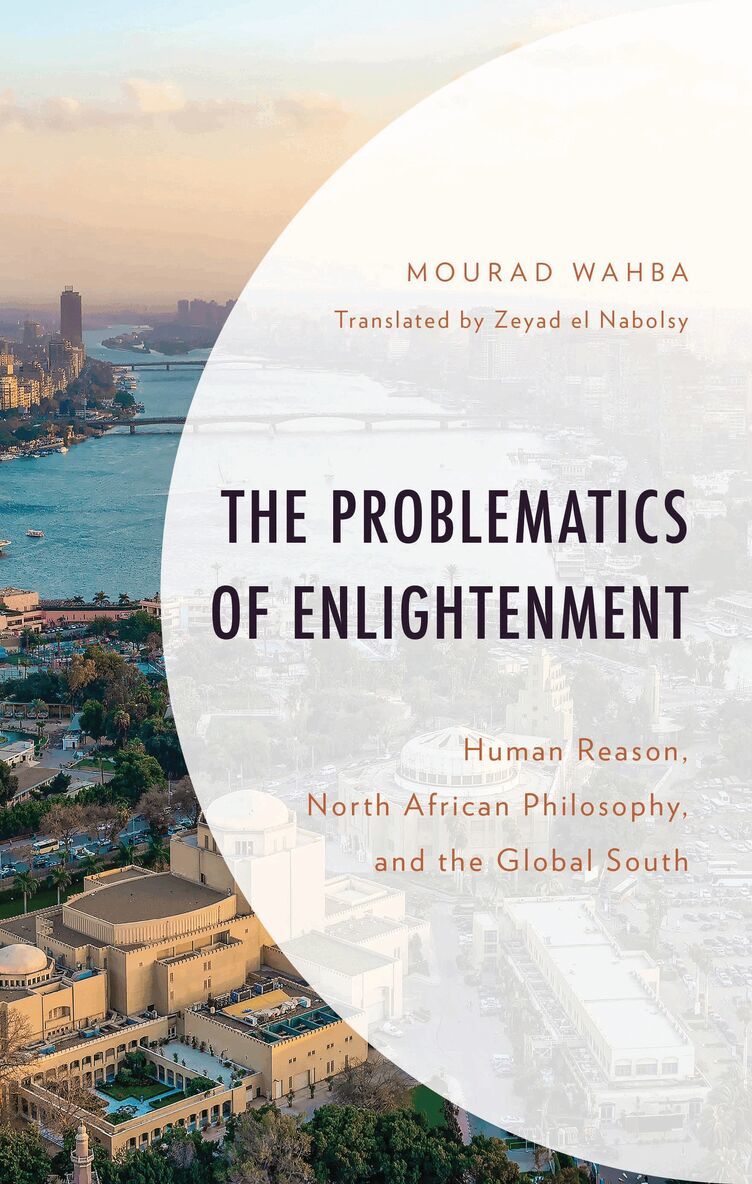
Problematics of Enlightenment
Human Reason, North African Philosophy, and the Global South
Inbunden, Engelska, 2024
982 kr
Skickas inom 10-15 vardagar
In The Problematics of Enlightenment: Human Reason, North African Philosophy, and the Global South , Mourad Wahba explores the relevance of the philosophy of the Enlightenment to contemporary issues in Egypt and the Global South more generally. Wahba provides a historical account of the reception of Enlightenment philosophical discourse in the Arabic-speaking world through the study of the work of Rifa?a al-Tahtawi, Muhammed Abdu, Farah Antun, Abbas Mahmoud al-?Aqqad, and Louis Awad. Wahba argues that the claim that human reason is the ultimate source of justification—trumping the authority of inherited social institutions and the claims of historical revelation—is a universalizable principle whose actualization would make progress possible in Egypt and elsewhere. This book, translated by Zeyad el Nabolsy, provides Anglophone readers access to a philosophy from the Global South that does not take the alleged Eurocentrism of Enlightenment philosophies as its central problematic. Moreover, Wahba is concerned with situating the problems that emerge in the context of contemporary Arabophone North African philosophy in the larger context of African philosophy, including engagement with the work of Senghor and Nkrumah.