Mourad Wahba – författare
Visar alla böcker från författaren Mourad Wahba. Handla med fri frakt och snabb leverans.
6 produkter
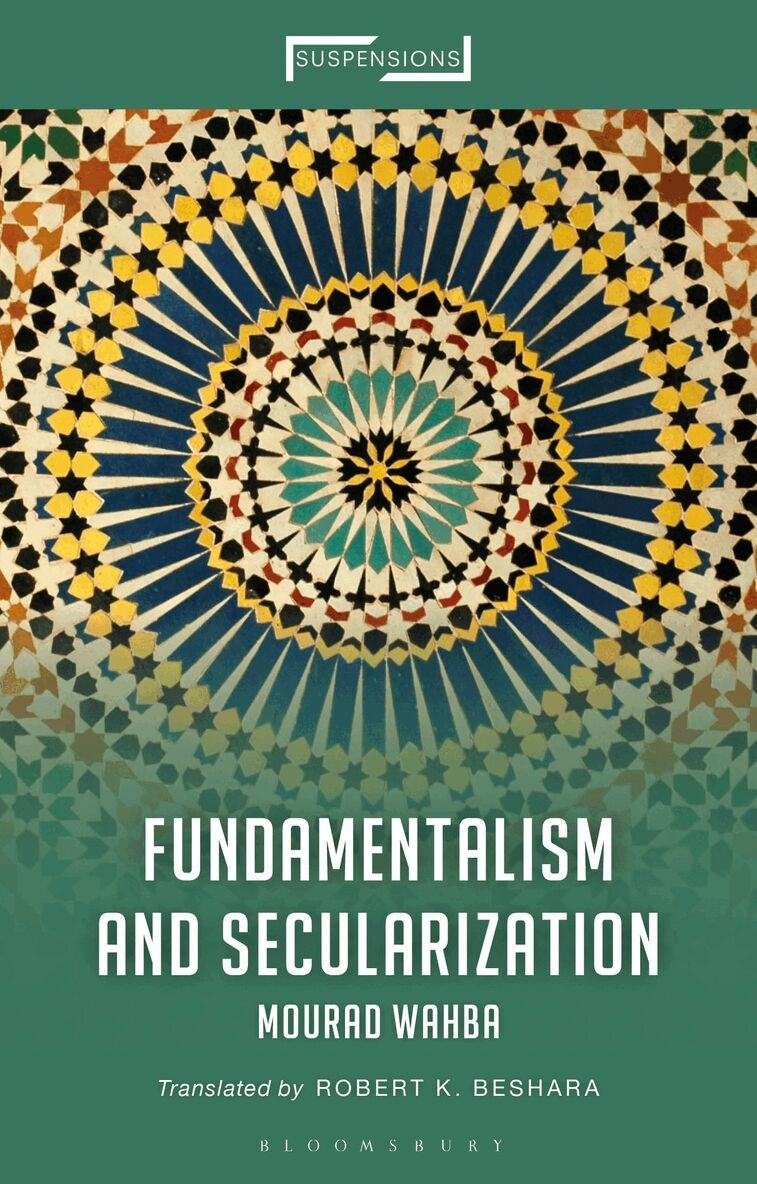
Fundamentalism and Secularization
Av Mourad Wahba, Jason Bahbak Mohaghegh
Inbunden, 2022
1354 kr
Lägg i varukorg
In Fundamentalism and Secularization, Egyptian philosopher Mourad Wahba traces the historical origins of fundamentalism and secularization as ideas and practices in order to theorize their symbiotic relationship, and how it is impacted by global capitalism and, more recently, postmodernism. This …
Fundamentalism and Secularization
Av Mourad Wahba
E-bok, 2022
468 kr
Lägg i varukorg
In Fundamentalism and Secularization , Egyptian philosopher Mourad Wahba traces the historical origins of fundamentalism and secularization as ideas and practices in order to theorize their symbiotic relationship, and how it is impacted by global capitalism and, more recently, postmodernism. This …
Fundamentalism and Secularization
Av Mourad Wahba
E-bok, 2022
468 kr
Lägg i varukorg
In Fundamentalism and Secularization , Egyptian philosopher Mourad Wahba traces the historical origins of fundamentalism and secularization as ideas and practices in order to theorize their symbiotic relationship, and how it is impacted by global capitalism and, more recently, postmodernism. This …
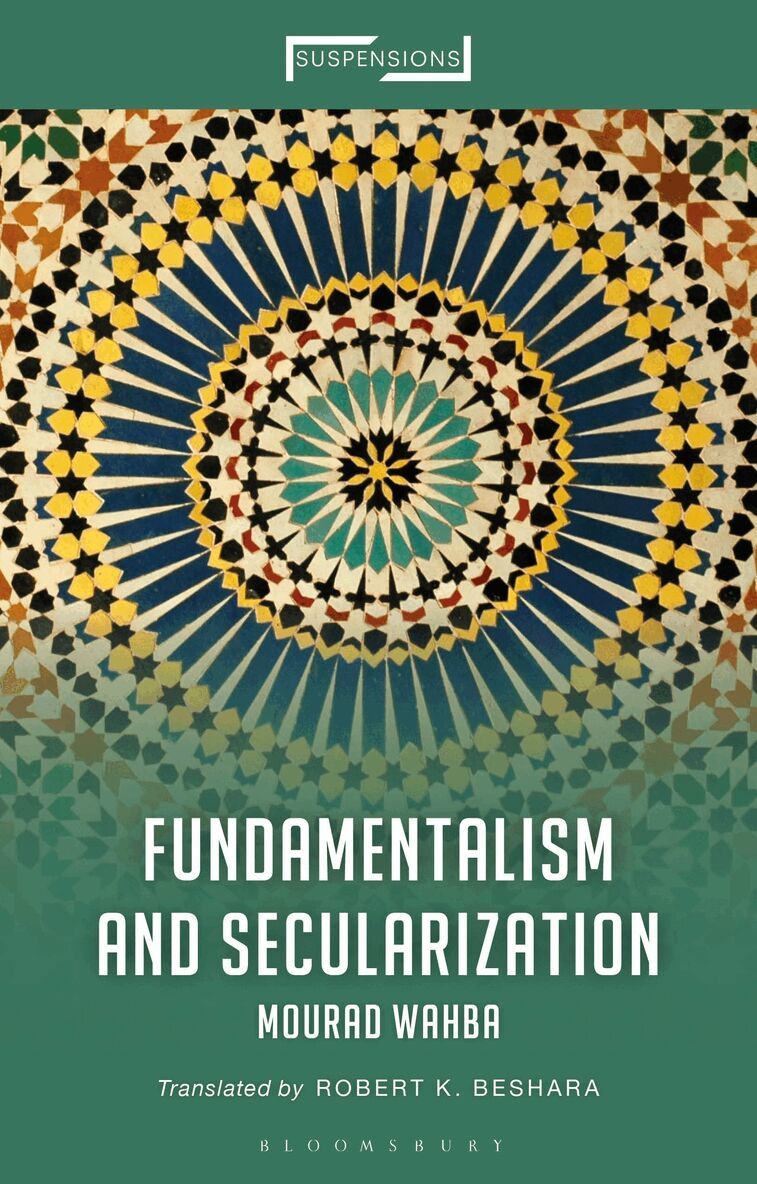
Fundamentalism and Secularization
Av Mourad Wahba, Jason Bahbak Mohaghegh
Häftad, 2023
426 kr
Lägg i varukorg
In Fundamentalism and Secularization, Egyptian philosopher Mourad Wahba traces the historical origins of fundamentalism and secularization as ideas and practices in order to theorize their symbiotic relationship, and how it is impacted by global capitalism and, more recently, postmodernism. This …
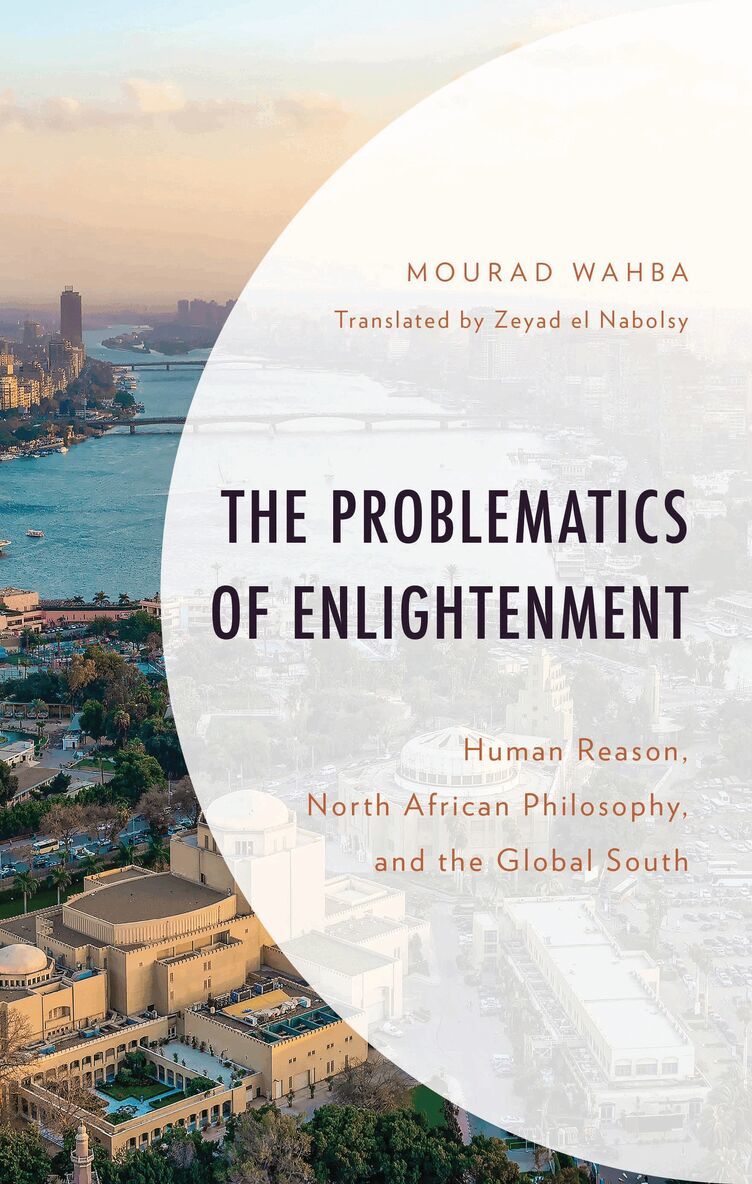
Problematics of Enlightenment
Human Reason, North African Philosophy, and the Global South
Av Mourad Wahba, Uchenna B. Okeja
Inbunden, 2024
1042 kr
Lägg i varukorg
In The Problematics of Enlightenment: Human Reason, North African Philosophy, and the Global South , Mourad Wahba explores the relevance of the philosophy of the Enlightenment to contemporary issues in Egypt and the Global South more generally. Wahba provides a historical account of the reception …
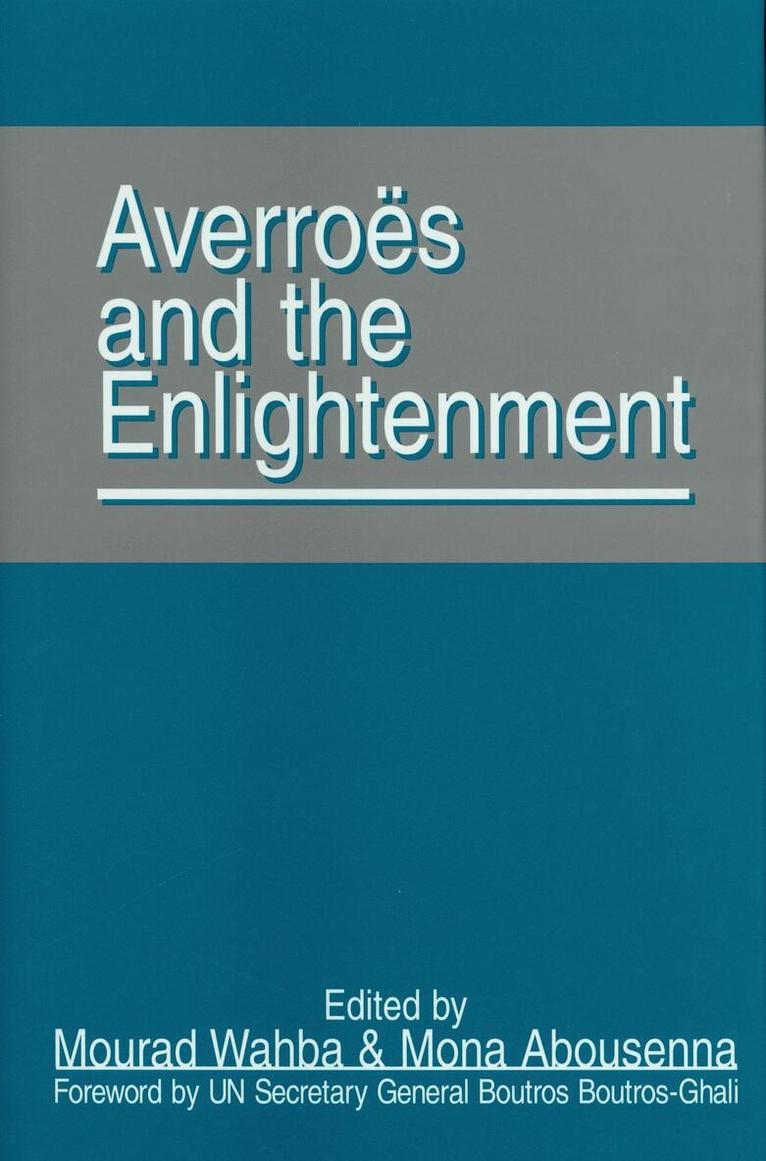
Averroes and the Enlightenment
Av Mourad Wahba
Inbunden, 1996
661 kr
Tillfälligt slut
Thirty-four scholars from 18 countries on five continents met in Cairo to debate for the first time the ideals of the Enlightenment and secularism while celebrating the 800th anniversary of the death of one of Islam's greatest philosophers. Muslim philosopher Ibn Rushd (1126-1198), known in the …