Tetsuro Iji – författare
Visar alla böcker från författaren Tetsuro Iji. Handla med fri frakt och snabb leverans.
7 produkter
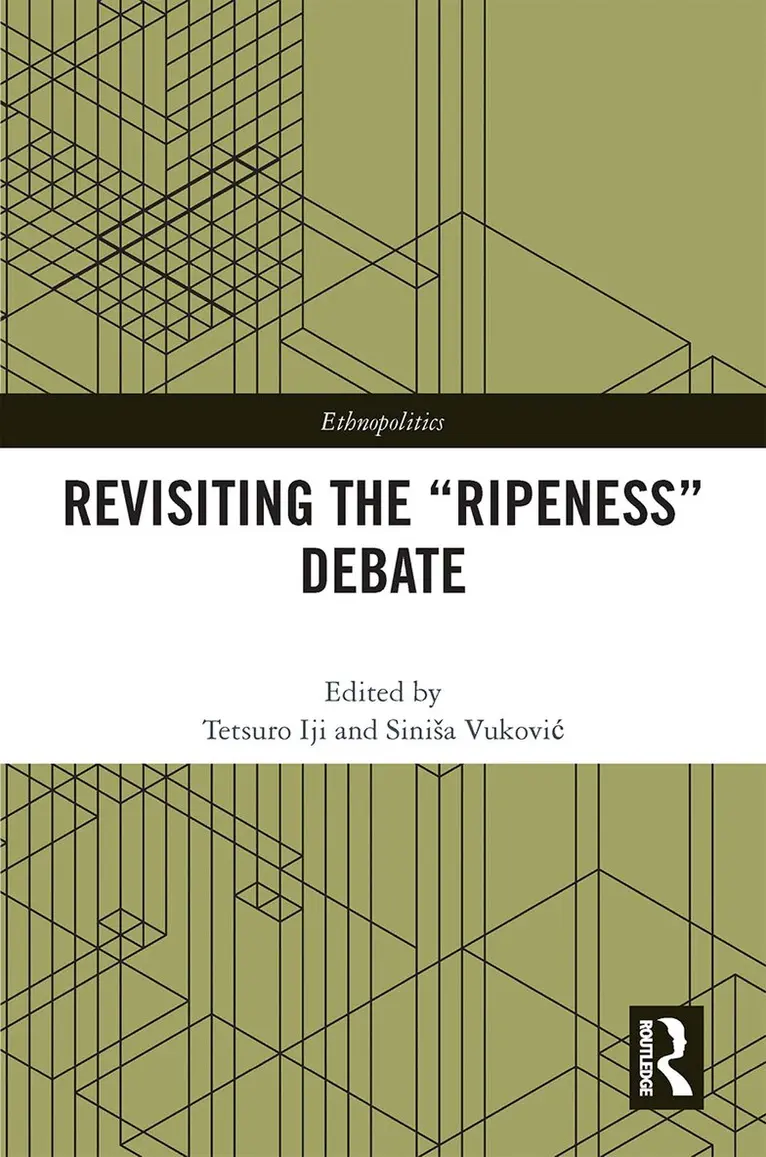
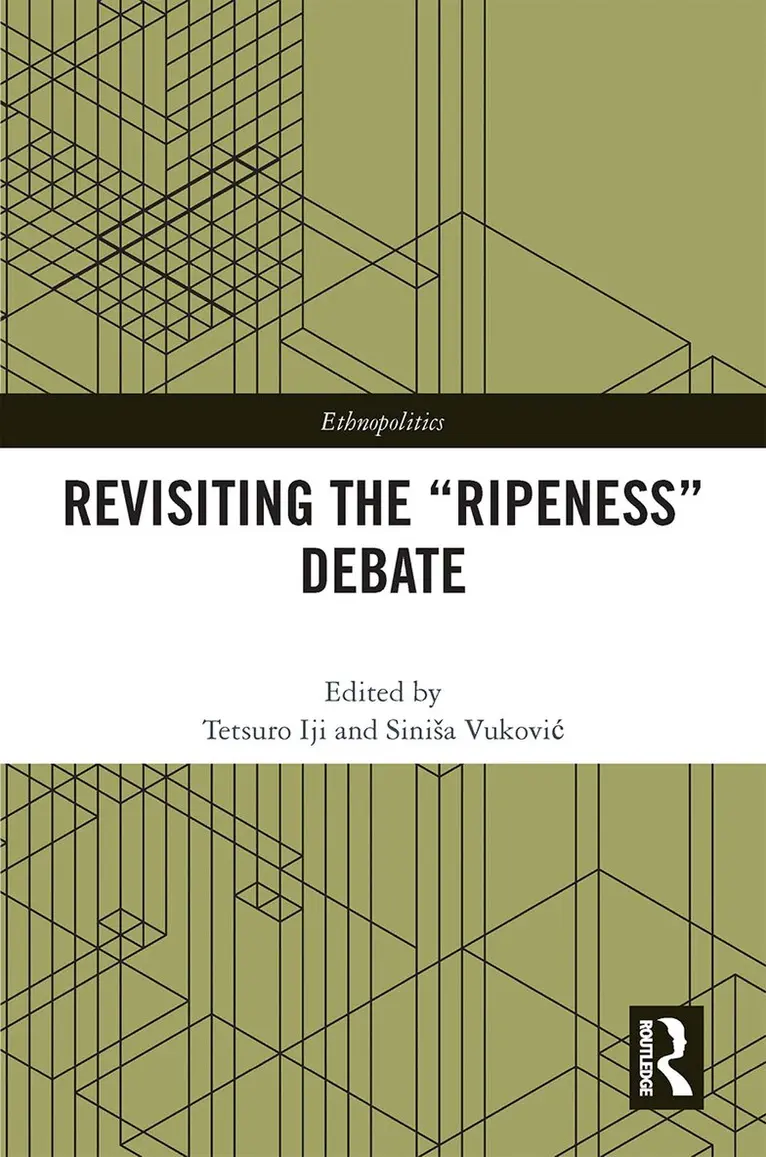
Revisiting the “Ripeness” Debate
Av Tetsuro Iji, Siniša Vuković
Inbunden, 2022
2512 kr
Lägg i varukorg
This book takes stock of the accumulated body of literature on ripeness theory, inspired by the seminal work of I. William Zartman. The book posits the continued relevance of the ripeness theory, well into the 21st century, and sheds new light on the potential for further development.The timing of …
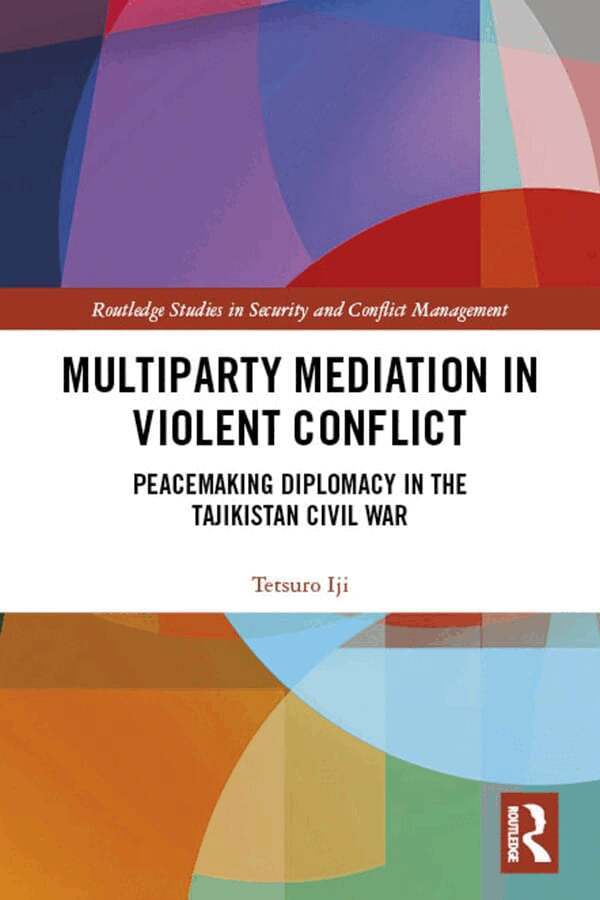
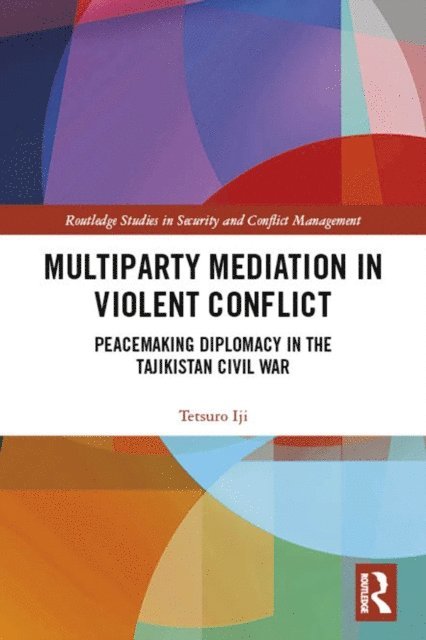
Multiparty Mediation in Violent Conflict
Peacemaking Diplomacy in the Tajikistan Civil War
Av Tetsuro Iji
Inbunden, 2019
2133 kr
Lägg i varukorg
This book presents a conceptual and empirical analysis of the UN-led multiparty mediation in the Tajikistan conflict.Multiparty mediation has been a significant research topic of international conflict management since the 1990s, but in-depth case studies on the peacemaking dynamics of violent …
Revisiting the "e;Ripeness"e; Debate
Av Sinisa Vukovic, Tetsuro Iji
E-bok, 2022
738 kr
Lägg i varukorg
This book takes stock of the accumulated body of literature on ripeness theory, inspired by the seminal work of I. William Zartman. The book posits the continued relevance of the ripeness theory, well into the 21st century, and sheds new light on the potential for further development. The timing of …
Revisiting the "e;Ripeness"e; Debate
Av Sinisa Vukovic, Tetsuro Iji
E-bok, 2022
746 kr
Lägg i varukorg
This book takes stock of the accumulated body of literature on ripeness theory, inspired by the seminal work of I. William Zartman. The book posits the continued relevance of the ripeness theory, well into the 21st century, and sheds new light on the potential for further development. The timing of …
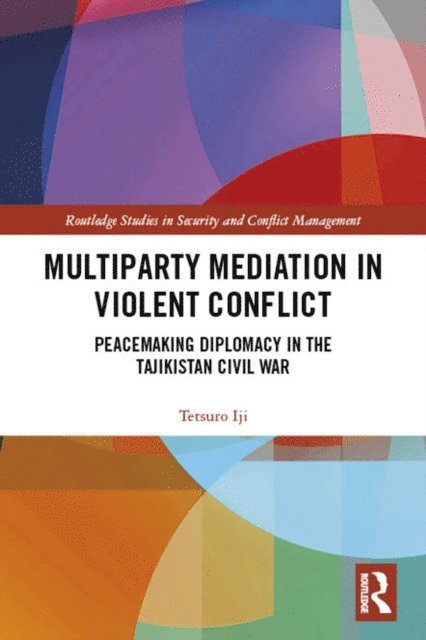
Multiparty Mediation in Violent Conflict
Peacemaking Diplomacy in the Tajikistan Civil War
Av Tetsuro Iji
E-bok, 2019
813 kr
Lägg i varukorg
This book presents a conceptual and empirical analysis of the UN-led multiparty mediation in the Tajikistan conflict. Multiparty mediation has been a significant research topic of international conflict management since the 1990s, but in-depth case studies on the peacemaking dynamics of violent …
Multiparty Mediation in Violent Conflict
Peacemaking Diplomacy in the Tajikistan Civil War
Av Tetsuro Iji
E-bok, 2019
805 kr
Lägg i varukorg
This book presents a conceptual and empirical analysis of the UN-led multiparty mediation in the Tajikistan conflict. Multiparty mediation has been a significant research topic of international conflict management since the 1990s, but in-depth case studies on the peacemaking dynamics of violent …
Revisiting the “Ripeness” Debate
Av Tetsuro Iji, Siniša Vuković
Häftad, 2024
648 kr
Lägg i varukorg
This book takes stock of the accumulated body of literature on ripeness theory, inspired by the seminal work of I. William Zartman. The book posits the continued relevance of the ripeness theory, well into the 21st century, and sheds new light on the potential for further development.The timing of …